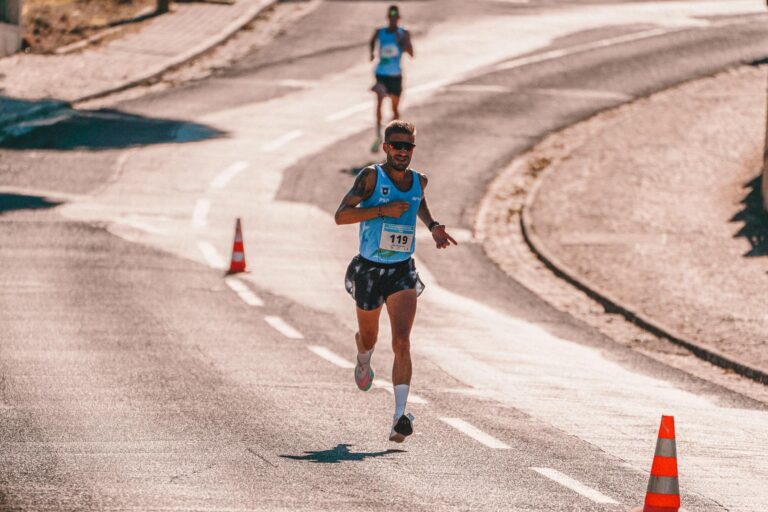
Understanding how to train for your first 10k is essential for anyone interested in running and cardiovascular fitness. This comprehensive guide covers everything you need to know, from basic concepts to advanced strategies. By the end of this article, you’ll have the knowledge to make informed decisions and take effective action.
Table of Contents
- How Long Does It Take to Train for Your First 10k Race?
- What Does a Weekly 10k Training Schedule Look Like?
- What Are Realistic Finish Time Expectations for First-Time 10k Runners?
- How Should You Fuel for 10k Training and Race Day?
- What Hydration Strategy Prevents Performance Problems?
- How Do Equipment Choices and Sleep Affect Injury Risk?
- What Role Does Technology Play in Modern 10k Training?
- Looking Forward After Your First 10k
- Conclusion
How Long Does It Take to Train for Your First 10k Race?
The answer depends heavily on your starting point. Runners who already have a base of fitness, perhaps from completing several 5k races or maintaining regular 30-minute runs, can prepare adequately in 8 weeks. However, 10 to 14 weeks gives more room for the gradual mileage increases that help prevent overuse injuries. If this is genuinely your first structured running endeavor, lean toward the longer timeline. Going from non-runner to 10k finisher in 8 weeks is technically possible, though 12 weeks is more realistic for most people.
The difference matters because compressed timelines force larger week-over-week mileage jumps, which correlate with higher injury rates. A 14-week plan might increase weekly mileage by 10 percent, while an 8-week plan might require 15 to 20 percent jumps to reach the same endpoint. One approach that helps beginners finish without injury is Jeff Galloway’s run/walk method, which he developed in 1974. Rather than running continuously, you plan walking breaks at regular intervals, such as running for four minutes and walking for one minute. This reduces cumulative stress on joints and muscles while still building cardiovascular fitness. The method has helped thousands of first-time distance runners cross finish lines they thought were beyond their capability.

What Does a Weekly 10k Training Schedule Look Like?
Most beginner 10k plans call for three to four running days per week, with rest or cross-training filling the remaining days. A typical structure includes an easy run early in the week, a speed or interval session mid-week, and a longer endurance run on the weekend. The non-running days matter as much as the running days because muscle adaptation and repair happen during recovery, not during the workout itself. Cross-training options include swimming, cycling, walking, and cross-country skiing. These activities maintain cardiovascular fitness while giving running-specific muscles a break.
Swimming works particularly well because it’s non-weight-bearing, allowing your legs to recover while your heart and lungs continue working. However, if you’re already pressed for time, walking on your rest days can provide active recovery without requiring a gym membership or learning a new activity. The long run deserves special attention. It should be done at a conversational pace, meaning you could hold a choppy conversation while running without gasping for breath. Many beginners make the mistake of running their long runs too fast, which increases fatigue without proportionally increasing fitness gains. A runner who covers their long run at 11-minute miles will often see better race-day performance than one who struggles through at 9-minute miles, simply because the slower pace allows for better recovery.
What Are Realistic Finish Time Expectations for First-Time 10k Runners?
Average 10k finish times vary significantly depending on the data source. Running Level analyzed 50 UK races from 2016 to 2020 and found an overall average of 49:43. RunRepeat’s global database, drawing from 35 million race results, puts the average at 1:02:08. UK-specific data shows men averaging 53 minutes and women averaging 1:03, with a combined average of 58 minutes. For beginners, a reasonable target falls between one hour and one hour twenty minutes. Beginners in their 20s and 30s typically average around 1:10.
These numbers provide useful benchmarks, but your first 10k should prioritize finishing over finishing fast. The experience of crossing your first 10k finish line matters more than the time on the clock, and faster times come naturally with continued training. One limitation of average finish time data is survivorship bias. The statistics only capture people who completed races, not those who registered but didn’t finish or didn’t start. This means published averages may skew faster than the true beginner population. If your first 10k takes 1:20 or longer, you’re still part of a large cohort of runners, just one that’s underrepresented in the data.

How Should You Fuel for 10k Training and Race Day?
Nutrition for 10k racing centers on carbohydrates, the body’s preferred fuel source for moderate-to-high intensity exercise. The night before your race, eat a carbohydrate-rich meal such as pasta, rice, potatoes, or cereal. Sports nutritionists recommend consuming 6 to 8 grams of carbohydrates per kilogram of body weight. For a 70-kilogram runner, that translates to 420 to 560 grams of carbs across the day. Race morning calls for a carb-based breakfast two to three hours before the start. Porridge, cereal, bread with jam, or fruit juice all work well. The timing matters because eating too close to race start can cause gastrointestinal distress, while eating too early may leave you running on empty.
Experiment with breakfast timing during your training long runs rather than trying something new on race day. Certain foods support running performance better than others. Bananas provide potassium, which helps with muscle function. Berries offer antioxidants that may aid recovery. Sweet potatoes and beets have shown endurance benefits in some studies. Conversely, avoid alcohol, heavily processed foods, red meat, spicy foods, excessive fiber, and carbonated drinks in the 24 to 48 hours before your race. These can cause digestive issues or interfere with sleep quality.
What Hydration Strategy Prevents Performance Problems?
Even mild dehydration impairs performance. Just 2 percent dehydration, which might not trigger obvious thirst, can measurably slow your pace and make the effort feel harder. A structured hydration approach prevents this from happening when it matters most. Two hours before your race, drink 16 to 24 fluid ounces of water. Then, 10 to 20 minutes before the start, add another 7 to 10 fluid ounces.
During the race itself, aim for 6 to 12 fluid ounces every 10 to 20 minutes, which usually means drinking at each water station you pass. After finishing, replace fluids at a rate of 16 to 24 fluid ounces for every pound of body weight lost during the race. The tradeoff with aggressive hydration is the need for bathroom stops. Some runners deliberately under-hydrate before races to avoid mid-race port-a-potty visits, but this usually costs more time than it saves. A better approach is front-loading hydration the day before, then following the pre-race protocol. Your body can only absorb about 800 to 1000 milliliters of fluid per hour, so chugging water right before the gun goes off won’t help and may cause cramping.

How Do Equipment Choices and Sleep Affect Injury Risk?
Running shoes lose their protective cushioning and support after approximately 300 miles. If you’ve been training in the same shoes for several months, calculate your total mileage and replace them if necessary. However, never wear brand-new shoes on race day. Break them in during training runs first, allowing your feet and the shoes to adapt to each other. Sleep quality directly affects injury rates. Research shows that runners with poor sleep are almost twice as likely to get injured compared to those who sleep well.
During training, prioritize seven to nine hours of sleep per night, and pay extra attention to sleep in the final week before your race. Cutting sleep to fit in early morning runs may be counterproductive if it accumulates into chronic sleep debt. Running posture also plays a protective role. Imagining being pulled upward by a balloon attached to the top of your head encourages an upright posture that can reduce injury risk by up to 50 percent. Slouching or leaning too far forward increases stress on the lower back and hips, which compounds over miles of running. A few seconds of posture awareness at the start of each run can prevent problems that sideline your training.
What Role Does Technology Play in Modern 10k Training?
Wearable technology has evolved beyond simple GPS watches and heart rate monitors. Advanced devices like the Nix Hydration Biosensor now track sweat composition and electrolyte balance in real time, giving runners personalized hydration data rather than relying on generic guidelines. While not necessary for completing a 10k, these tools can help serious beginners optimize their approach.
Chrono-nutrition represents another emerging trend. Rather than simply counting calories or macronutrients, this approach times meals to align with circadian biology and recovery windows. Eating your largest carbohydrate intake in the hours after training, for example, may improve glycogen replenishment compared to spreading carbs evenly throughout the day. The science is still developing, but early adopters are experimenting with meal timing as a training variable.
Looking Forward After Your First 10k
Completing your first 10k opens doors to longer distances and faster times. Many runners find that the training process itself becomes rewarding, not just the race finish. The fitness base you build over 8 to 14 weeks doesn’t disappear after race day. With continued running, even at reduced volume, you maintain the cardiovascular adaptations that made the 10k possible.
Some runners immediately sign up for another 10k, chasing a faster time. Others move toward half-marathons or explore trail running. Whatever direction appeals to you, the discipline of following a structured plan, respecting rest days, and fueling properly transfers to any running goal. Your first 10k is really just the beginning of understanding what your body can do with consistent training.
Conclusion
Training for your first 10k requires 8 to 14 weeks of preparation built around three to four running days per week, with easy long runs, interval sessions, and essential rest days forming the core structure. Proper fueling with carbohydrate-rich meals before race day, disciplined hydration that begins hours before the start, and equipment choices that protect against injury all contribute to crossing the finish line healthy and satisfied.
The average beginner finishes somewhere between one hour and one hour twenty minutes, but your primary goal should be completion rather than competition. Follow a proven plan like Hal Higdon’s Novice program, consider Jeff Galloway’s run/walk method if continuous running feels daunting, and remember that the training days matter as much as race day. With patience and consistency, 6.2 miles becomes not just achievable but enjoyable.