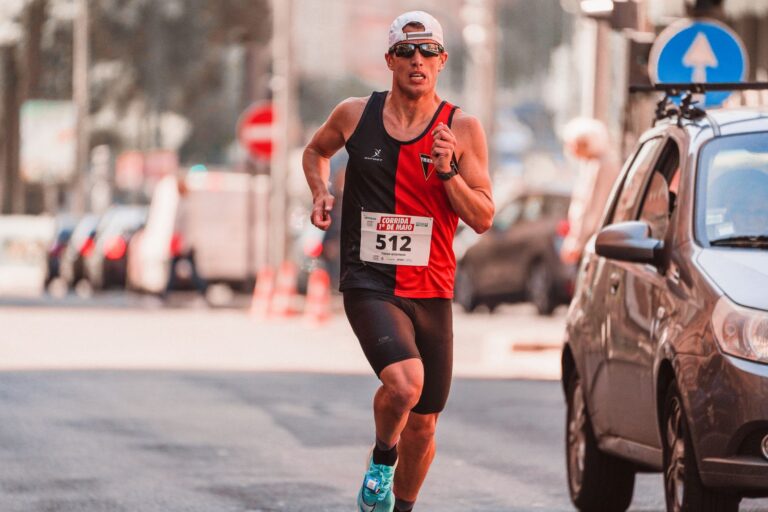
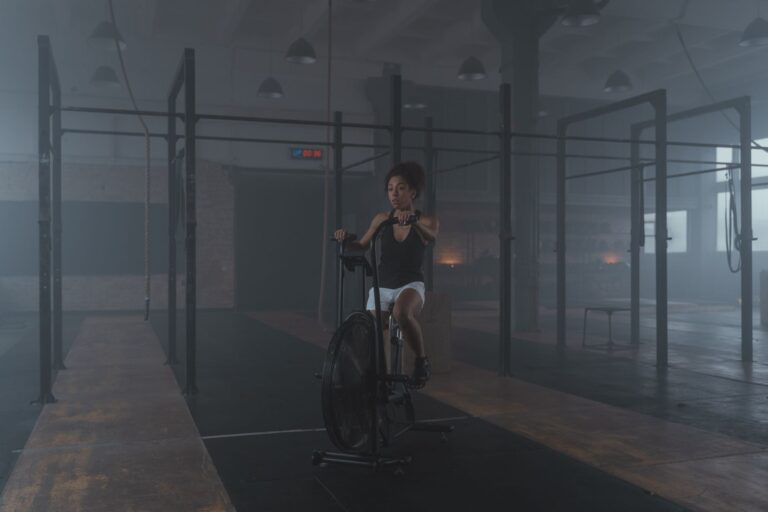
Strength training eliminates cellulite more effectively than aerobic workouts alone because it rebuilds muscle tissue beneath the skin, creating a smoother surface and improving the underlying structure that creates the dimpled appearance. While running, cycling, and other cardio burns calories and can reduce overall body fat—which makes cellulite less visible—it doesn’t specifically address the connective tissue weakness and muscle loss that allows fat to bulge through. A 40-year-old runner who maintains the same body composition through cardio alone will likely see minimal improvement in cellulite texture, whereas the same person adding two to three strength sessions per week targeting the affected areas often sees visible reduction in dimpling within 8 to 12 weeks.
The difference lies in muscle density. Aerobic exercise reduces the padding of fat that sits above the cellulite, but if the muscle layer underneath remains thin or weak, the remaining fat will still create visible dimpling. Strength training thickens and tightens the muscle layer itself, pushing fat away from the skin’s surface and creating a tighter, smoother appearance. Neither approach eliminates cellulite completely—the fibrous structure is genetic and permanent—but strength training produces more dramatic visual improvements on the areas where it appears.
Table of Contents
- Why Strength Training Outperforms Cardio for Reducing Cellulite Appearance
- The Structural Limitation: Why Muscle Building Has a Ceiling
- The Synergy Between Muscle Building and Aerobic Training
- Practical Program Design for Visible Cellulite Reduction
- The Plateau Problem and Why Consistency Matters More Than Intensity
- Hormonal Factors and Individual Variation
- The Role of Resistance Band Training and Bodyweight Exercises
- Frequently Asked Questions
Why Strength Training Outperforms Cardio for Reducing Cellulite Appearance
Strength training directly targets the muscle compartments where cellulite appears most prominently: the glutes, hamstrings, quadriceps, and backs of the arms. When you perform exercises like squats, deadlifts, leg presses, and glute bridges, you’re not just burning calories—you’re building contractile muscle tissue that sits directly beneath the dimpled skin. This new muscle creates a denser, firmer foundation. Aerobic workouts, by contrast, activate the entire body in a less targeted way, engaging stabilizer muscles but not building significant muscle mass in problem areas.
A woman doing 45 minutes of steady-state running three times weekly will burn roughly 300 to 500 calories per session but won’t substantially increase glute or hamstring muscle thickness. The visual results differ markedly. A six-week study comparing women doing only aerobic exercise versus those adding resistance training showed that aerobic-only participants saw modest overall fat loss but minimal change in cellulite texture, while the resistance group reported significantly improved skin smoothness even with smaller reductions in overall body weight. This is because cellulite isn’t primarily a fat problem—it’s a structural problem. The fat cells themselves haven’t changed shape, but the muscle underneath has become denser and more compact, which pushes the skin outward more evenly.
The Structural Limitation: Why Muscle Building Has a Ceiling
Even aggressive strength training cannot completely eliminate cellulite because the condition stems from fibrous connective tissue bands and how fat compartmentalizes beneath the skin. These bands are largely fixed by genetics, hormones, and collagen structure—not something muscle volume can change. A highly trained woman with significant muscle development will have noticeably less visible cellulite than her sedentary equivalent, but she will still see some dimpling if she’s genetically predisposed to it. This is an important limitation to understand before starting a program with the expectation of erasing it entirely.
Additionally, muscle gains plateau. After 12 to 16 weeks of consistent strength training, most people see diminishing returns in muscle growth without periodizing the program or changing exercises. Once you’ve built the available muscle in the glute and leg compartments, additional training doesn’t create further visual improvements in cellulite. Some women reach a point where further reduction requires either extreme body-fat loss (which can make skin appear loose) or acceptance that the remaining dimpling is structural and unchangeable. Combining strength training with aerobic exercise extends the visual gains—cardio continues to reduce body fat even as muscle gains slow—but neither approach alone produces continued improvement indefinitely.
The Synergy Between Muscle Building and Aerobic Training
Combining strength training and aerobic exercise produces better results than either alone because they address cellulite through different mechanisms. Strength training improves the textural appearance by building supportive muscle, while aerobic exercise reduces the total fat volume pressing outward. A practical example: a 35-year-old woman with cellulite on her thighs who performs two strength sessions weekly focusing on hamstrings and glutes, plus two 30-minute running sessions, will see faster and more dramatic improvements than she would from running five times per week or strength training three times weekly.
The aerobic component also improves circulation and lymphatic drainage, which can support skin health and reduce fluid retention that temporarily worsens the appearance of cellulite. Many people don’t realize that water retention and poor circulation can make existing cellulite appear worse than it is, creating a temporary illusion of severity. Running, swimming, and cycling improve vascular function and help flush fluid from tissues, making cellulite appear less pronounced even when the underlying structural problem hasn’t changed. This means a person who feels discouraged by slow structural improvements can often see some visual gains within 2 to 3 weeks through improved circulation and reduced swelling, providing psychological motivation to continue training.
Practical Program Design for Visible Cellulite Reduction
An effective approach combines two to three targeted strength sessions weekly with two to three aerobic sessions, rather than choosing one. A Monday-Wednesday-Friday strength routine focused on the glutes, hamstrings, and quadriceps—using compound movements like squats, Romanian deadlifts, and leg presses—takes 30 to 45 minutes and builds muscle in the areas where cellulite is most visible. On Tuesday and Thursday, 30 to 45 minutes of running, cycling, or elliptical work provides the aerobic stimulus without interfering with strength recovery. This split is more sustainable than doing full-body strength training daily, which often leads to burnout and abandonment.
One realistic tradeoff: this schedule requires more total weekly time commitment than doing either exercise alone. A person who currently does 90 minutes of running per week would need to add 75 to 120 minutes of strength training, bringing total exercise time to 2.5 to 3 hours weekly. Not everyone can maintain this commitment long-term. Those with limited time often see better results from prioritizing strength training over cardio if the goal is specifically cellulite reduction, because muscle building provides the greater structural change. However, the combination approach is more likely to produce visible improvement within 8 to 12 weeks, which is a meaningful psychological benefit that helps people stick with the program.
The Plateau Problem and Why Consistency Matters More Than Intensity
Most people see initial improvements in cellulite appearance within 4 to 8 weeks of adding strength training, but then progress stalls. This is because muscle adapts quickly to resistance, and the stimulus must increase to continue building. A person doing squats with 135 pounds for three sets of 12 reps might see good results for 6 weeks, but if they never increase the weight or change the exercise, muscle development plateaus and cellulite improvements stop. The common mistake is not programming progression—adding weight, reps, sets, or switching to harder exercise variations. Aerobic consistency has a different problem: it’s easy to maintain but also easy to become complacent with.
Running the same route at the same pace three times weekly burns calories but eventually provides minimal additional stimulus. The body adapts to steady-state cardio, and fat loss slows. A warning: overly aggressive fat loss through excessive cardio and severe calorie restriction can actually worsen cellulite appearance in the short term. Losing fat too quickly causes skin to sag slightly, and if muscle development hasn’t kept pace with fat loss, the dimpling becomes more pronounced relative to the flatter overlying skin. This is a temporary effect, but it’s frustrating for people expecting linear visual improvement.
Hormonal Factors and Individual Variation
Cellulite severity and responsiveness to training vary significantly based on hormones, particularly estrogen and progesterone. Women typically have more cellulite than men not because of different exercise response, but because female hormones and skin structure create conditions favoring fat storage in compartmentalized patterns. This means identical training programs produce different results in different people. A woman with high estrogen sensitivity may see dramatic cellulite reduction from moderate training, while another woman with the same genetics and exercise program sees minimal visual change.
Neither is doing anything wrong; their hormonal profile simply affects how the body distributes and structures fat and connective tissue. Age also modifies the response to training. Younger women (under 30) typically see faster improvements in cellulite appearance from strength training because collagen and skin elasticity are higher, meaning the muscle gain translates more quickly to visible smoothing. Older women see improvements too, but it often takes 12 to 16 weeks rather than 8 to 10 weeks. This isn’t a reason to avoid training; it’s simply a realistic expectation that prevents discouragement when progress is slower than predicted from younger-focused fitness content.
The Role of Resistance Band Training and Bodyweight Exercises
Equipment doesn’t determine cellulite improvement—progressive overload does. A person can build significant glute and hamstring muscle using bodyweight exercises like single-leg glute bridges, jump squats, and Bulgarian split squats if they program progression correctly. However, most people plateau faster with bodyweight alone because adding resistance is easier than adding reps or sets indefinitely. A woman doing 50 glute bridges might reach exhaustion, but a woman doing 3 sets of 12 reps with 60 pounds on her back will see faster muscle growth and cellulite improvement.
Resistance bands provide a middle ground between bodyweight and free weights. They’re more portable and safer for people new to strength training, but they generally produce slightly less dramatic muscle growth than dumbbells or barbells because the resistance curve differs and the muscle never experiences true heavy loading. For cellulite specifically, this matters. A research-supported finding: heavy-resistance training (where you’re performing sets of 6 to 10 reps near maximum effort) produces greater muscle growth and faster cellulite improvement than light-resistance training with high reps. A person consistently doing 3 sets of 6 to 8 reps of barbell squats will see more dramatic cellulite reduction than someone doing 3 sets of 20 reps with a resistance band, even if they feel equally fatigued after each session.
- —
Frequently Asked Questions
How long until I see cellulite reduction from strength training?
Most people see initial improvements within 4 to 6 weeks of consistent training targeting the affected areas, with more pronounced changes visible by week 10 to 12.
Can I eliminate cellulite completely with training?
No. Cellulite is a structural condition determined largely by genetics and hormones. Training reduces its appearance by building muscle and reducing fat, but the underlying connective tissue dimpling cannot be erased.
Is running enough to reduce cellulite?
Running alone reduces overall body fat, which makes cellulite less visible, but doesn’t build the muscle necessary for significant textural improvement. Combined with strength training, running accelerates results.
What strength exercises work best for cellulite on the glutes and thighs?
Compound movements targeting these areas produce the fastest results: squats, deadlifts, leg presses, Bulgarian split squats, and glute bridges, progressed with added weight over time.
Do men get cellulite and do the same training principles apply?
Men can develop cellulite, though it’s less common due to hormonal differences and different fat storage patterns. The same training principles apply—strength building and fat loss improve appearance.
Can diet help reduce cellulite?
Diet can’t eliminate cellulite, but adequate protein supports muscle growth from training, and reducing overall calorie excess can reduce body fat that makes cellulite more visible. Hydration may slightly improve skin appearance through better tissue turgor. —