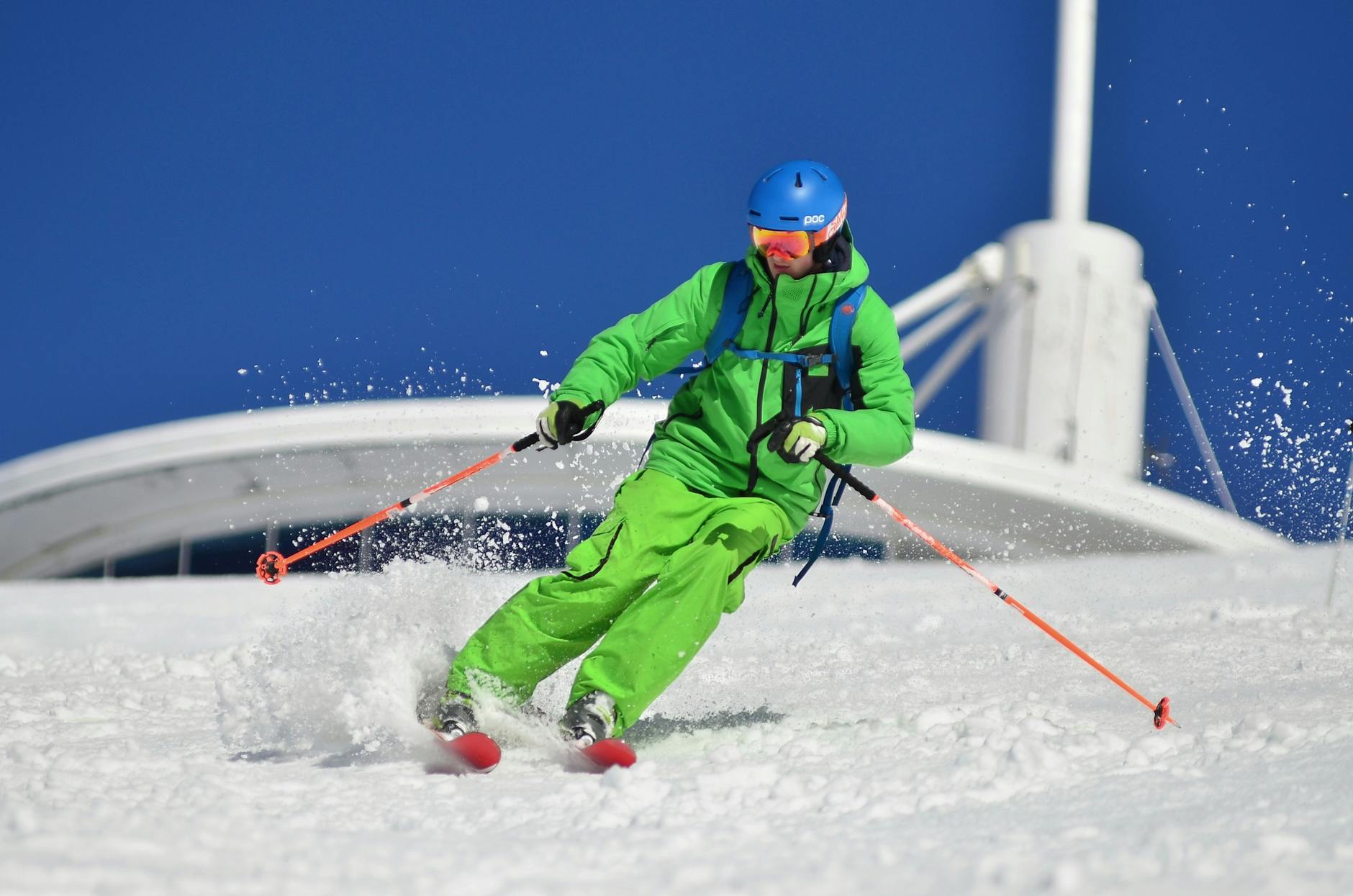
A full day of downhill skiing typically generates between 150 and 300 intensity minutes on most fitness trackers, with the average recreational skier logging around 180 to 220 minutes across six hours on the slopes. This places skiing firmly in the category of high-value cardiovascular activities, often exceeding what most people accumulate during an entire week of their normal exercise routine. The World Health Organization recommends 150 to 300 intensity minutes per week for adults, meaning a single ski day can meet or exceed your entire weekly target in one outing.
The exact number varies considerably based on skiing style, terrain difficulty, fitness level, and how aggressively you ski. A beginner making cautious turns on green runs might accumulate 120 intensity minutes over a full day, while an advanced skier charging through moguls and steep blacks could rack up 350 or more. For context, a 155-pound person skiing at moderate intensity burns roughly 400 to 500 calories per hour, with their heart rate frequently entering the moderate-to-vigorous zones that fitness devices count as intensity minutes. This article breaks down the factors that influence your intensity minute count, how different skiing styles compare, and how to maximize your cardiovascular benefit on the mountain.
Table of Contents
- What Determines How Many Intensity Minutes You Burn While Skiing?
- How Skiing Style Affects Your Daily Intensity Minute Count
- The Cardiovascular Demands of Different Ski Terrain
- Why Your Intensity Minutes May Not Reflect True Skiing Effort
- Comparing Skiing Intensity to Other Winter Activities
- How to Prepare
- How to Apply This
- Expert Tips
- Conclusion
- Frequently Asked Questions
What Determines How Many Intensity Minutes You Burn While Skiing?
intensity minutes are calculated based on how long your heart rate stays elevated above certain thresholds, typically 50 percent of your maximum heart rate for moderate intensity and 70 percent for vigorous intensity. During skiing, your heart rate fluctuates dramatically between active descents and chairlift recovery periods, creating an interval-training pattern that many fitness trackers struggle to categorize cleanly. The descents themselves generate the bulk of your intensity minutes, with each run potentially lasting three to ten minutes depending on the trail length. Your skiing technique plays a significant role in the equation. Dynamic, aggressive skiing with constant edge engagement and rapid turns demands far more muscular effort and cardiovascular output than straight-lining easy terrain.
A study published in the Scandinavian Journal of Medicine and Science in Sports found that recreational alpine skiing elevates heart rate to 70-90 percent of maximum during active descents, placing it squarely in the vigorous intensity category for most people. However, the intermittent nature of skiing means your average heart rate across the full day drops significantly when chairlift time is factored in. Altitude also affects your intensity minute accumulation in ways that may surprise you. Skiing at elevations above 8,000 feet forces your cardiovascular system to work harder to deliver oxygen to working muscles, resulting in elevated heart rates even during relatively easy efforts. A run that would register as moderate intensity at a low-elevation resort might push into vigorous territory at a high-altitude destination like Breckenridge or Mammoth Mountain. This altitude effect can increase your total intensity minutes by 15 to 25 percent compared to sea-level equivalent effort.

How Skiing Style Affects Your Daily Intensity Minute Count
The type of skiing you pursue dramatically influences your cardiovascular output and resulting intensity minutes. Carving groomers at a relaxed pace generates steady moderate-intensity effort, typically keeping your heart rate in the 55-70 percent zone. Bump skiing, powder runs, and steep terrain push that effort into vigorous territory, with heart rates commonly exceeding 80 percent of maximum during challenging descents. Cross-country skiing, by comparison, generates even higher intensity minute counts because there are no chairlift rest periods, often producing 60 to 90 intensity minutes per hour of continuous effort. The duration between runs matters more than many skiers realize.
If you’re skiing a resort with long chairlift rides of 15 to 20 minutes, your heart rate drops back to resting levels between each descent, and your fitness tracker may not count that recovery time toward your intensity total. Conversely, high-speed lifts and shorter verticals mean more active skiing time per hour. A skier at a resort with quick lift access might log 40 percent more intensity minutes than someone at a slow, low-capacity mountain, even if both spend the same total hours on the slopes. However, if you’re primarily focused on maximizing intensity minutes rather than enjoying the full ski experience, you may find that traditional alpine skiing is actually less efficient than alternatives. An hour of vigorous cross-country skiing generates roughly 60 intensity minutes, while an hour at a downhill resort produces only 25 to 35 intensity minutes when averaged across runs and lift rides. this trade-off matters for time-crunched fitness enthusiasts trying to optimize their cardiovascular training during limited vacation days.
The Cardiovascular Demands of Different Ski Terrain
Green and blue runs place modest cardiovascular demands on experienced skiers, typically generating moderate-intensity heart rate zones during descents. For a fit adult, these runs might produce 8 to 12 intensity minutes per run, with heart rates in the 55-70 percent range. The cardiovascular benefit comes primarily from the eccentric muscle contractions required to control speed and direction, which create systemic oxygen demand even without the rhythmic aerobic pattern of running or cycling. Black diamond and expert terrain tells a different story entirely. Steep pitches, variable snow conditions, and technical features demand rapid muscular responses and significant cardiovascular output. A single run through challenging terrain can push heart rates above 85 percent of maximum, generating 10 to 15 vigorous intensity minutes in a descent lasting just five to eight minutes. For example, a skier descending a steep mogul field at Squaw Valley might register heart rates of 160 to 175 beats per minute, numbers typically associated with hard running intervals rather than recreational winter sports. Tree skiing and powder days add additional cardiovascular challenge through increased muscular demand and heightened mental focus. Deep snow requires substantially more leg drive and core engagement, elevating heart rate and oxygen consumption beyond what groomed conditions demand. A powder day at a resort like Jackson Hole can generate 30 to 50 percent more intensity minutes than a comparable day on packed groomers, though this benefit must be weighed against increased fatigue and injury risk as the day progresses.
## How to Track Intensity Minutes Accurately While Skiing Wrist-based heart rate monitors face unique challenges during cold-weather activities, often producing inaccurate readings due to vasoconstriction and bulky clothing. Chest strap monitors provide significantly more reliable data for skiing, with studies showing wrist sensors can underestimate heart rate by 10 to 20 beats per minute during cold exposure. This measurement error directly affects your intensity minute count, potentially underreporting your actual cardiovascular effort by 20 to 30 percent on cold days. GPS-enabled devices offer the additional benefit of tracking vertical feet, run speeds, and distance covered, metrics that help contextualize your intensity minute data. A device like the Garmin Fenix or Apple Watch Ultra can segment your day into individual runs, showing exactly which descents generated the most cardiovascular demand. This granular data reveals patterns that aggregate daily totals miss, such as decreasing intensity as fatigue accumulates or higher heart rates on specific terrain types. The trade-off with sophisticated tracking is battery life and device durability. Multi-day ski trips can drain GPS watches rapidly when tracking continuously, and cold temperatures further reduce battery capacity. Many skiers opt to track only portions of their day or use basic step-counting modes to preserve battery, sacrificing detailed intensity data for convenience. Carrying a portable charger and enabling battery-saver modes can help, but users should expect 30 to 40 percent reduced battery life when skiing in temperatures below 20 degrees Fahrenheit.
Why Your Intensity Minutes May Not Reflect True Skiing Effort
Fitness trackers calculate intensity minutes using algorithms designed primarily for steady-state aerobic activities like running, cycling, and walking. Skiing’s interval pattern, with intense three-to-eight minute efforts followed by complete rest on chairlifts, confuses these algorithms. Many devices require sustained elevated heart rate for one to two minutes before counting intensity minutes, meaning short steep runs might not register fully despite generating high cardiovascular demand. The eccentric nature of skiing also challenges conventional intensity metrics. Downhill skiing relies heavily on eccentric muscle contractions, where muscles lengthen under tension rather than shortening as in concentric activities.
This eccentric loading creates substantial metabolic stress and generates significant training adaptations, but doesn’t always elevate heart rate as much as concentric exercise at equivalent effort levels. Your tracker might report 180 intensity minutes while your legs feel like you ran a marathon, reflecting this disconnect between cardiovascular and muscular demands. Additionally, cold weather and altitude can artificially inflate heart rate readings independent of actual exercise intensity. The combination of cold air, altitude hypoxia, and dehydration commonly elevates resting and exercising heart rates by 10 to 15 beats per minute compared to sea-level conditions. While this elevated cardiovascular demand is real, it doesn’t necessarily reflect proportional fitness benefits. A skier logging 250 intensity minutes at 10,000 feet may not receive more cardiovascular training benefit than one logging 200 minutes at a lower-elevation resort.
Comparing Skiing Intensity to Other Winter Activities
Skiing occupies a middle ground in winter activity intensity rankings, generating more intensity minutes than casual snowshoeing but fewer than cross-country skiing or ski mountaineering. A full day of downhill skiing produces roughly the same cardiovascular load as 90 minutes of continuous running, though distributed across a much longer time period with significant rest intervals. For fitness enthusiasts accustomed to tracking daily intensity metrics, this comparison helps calibrate expectations for ski-focused training weeks.
Snowboarding generates similar intensity minute totals to skiing, though with slightly different physiological demands. The asymmetric stance and different muscle recruitment patterns mean snowboarders may experience higher heart rates during challenging terrain but faster recovery between runs. Nordic skiing stands apart from all alpine activities, generating 50 to 70 intensity minutes per hour of continuous effort, making a four-hour cross-country outing equivalent to two full days of downhill skiing in terms of cardiovascular training volume.

How to Prepare
- **Build cardiovascular base fitness before your trip.** Arrive at the mountain with established aerobic capacity so your heart rate stays in productive zones rather than spiking into anaerobic territory on every run. Six to eight weeks of consistent cardio training before a ski trip improves both performance and intensity minute accumulation.
- **Acclimate to altitude if traveling from sea level.** Spending 24 to 48 hours at elevation before intense skiing allows your body to adjust its cardiovascular response, preventing artificially elevated heart rates that skew intensity data and cause premature fatigue.
- **Select appropriate terrain for your goals.** If maximizing intensity minutes is a priority, choose terrain that challenges you without requiring excessive rest between runs. Too-easy terrain generates low cardiovascular demand while too-difficult terrain requires extended recovery that reduces active skiing time.
- **Hydrate aggressively throughout the day.** Dehydration elevates heart rate independent of exercise intensity and accelerates fatigue. Aim for 16 to 24 ounces of fluid per hour of skiing, adjusting upward for high altitude and dry conditions.
- **Plan your tracking strategy before hitting the slopes.** Decide whether you’ll track all day continuously, use manual lap buttons for individual runs, or sample portions of your ski day. Inconsistent tracking methods make day-to-day comparisons meaningless.
How to Apply This
- **Use ski days as high-volume training stimulus rather than high-intensity.** The moderate average intensity and long duration of ski days makes them ideal for building aerobic base, similar to long slow runs in a marathon training plan. Don’t expect ski days to replace interval training.
- **Track weekly totals rather than daily numbers.** A ski trip typically generates 400 to 800 intensity minutes across three to four days, dramatically exceeding normal weekly targets. View this as a training block rather than isolated daily efforts.
- **Allow adequate recovery after ski-heavy weeks.** The combination of high intensity minutes, eccentric muscle damage, and altitude stress means your body needs more recovery time than equivalent flat-ground cardiovascular training would require.
- **Compare intensity minutes across similar conditions.** Meaningful tracking comparisons require consistent weather, altitude, terrain, and equipment. A 200-minute day on groomers doesn’t compare directly to a 200-minute day in heavy powder.
Expert Tips
- Focus on consistent skiing rhythm rather than maximum effort bursts to accumulate more total intensity minutes across the day.
- Don’t trust intensity data from wrist sensors when temperatures drop below 20 degrees Fahrenheit; switch to a chest strap or accept significant measurement error.
- Ski the first two runs of the day at moderate intensity to allow your cardiovascular system to warm up and your tracker to establish accurate baseline readings.
- Plan your most challenging terrain for mid-morning when you’re warmed up but not yet fatigued, maximizing vigorous intensity accumulation during peak performance hours.
- Avoid using intensity minutes as your sole measure of ski day quality, as technique development, skill progression, and enjoyment don’t correlate directly with heart rate metrics.
Conclusion
A day of skiing delivers substantial cardiovascular training stimulus, typically generating 150 to 300 intensity minutes depending on terrain, style, and individual fitness. This makes skiing an effective way to maintain or build aerobic fitness during winter months, often providing a full week’s worth of intensity minutes in a single day on the slopes. The interval nature of downhill skiing, with intense descents followed by chairlift recovery, creates a unique physiological stimulus that complements traditional steady-state cardio training.
Understanding the factors that influence your intensity accumulation helps you set realistic expectations and make informed decisions about tracking, terrain selection, and recovery. While skiing shouldn’t replace structured cardiovascular training for serious endurance athletes, it offers a valuable and enjoyable complement to year-round fitness programs. Track your data with appropriate skepticism about cold-weather accuracy, focus on sustainable effort that allows you to ski all day, and remember that the best workout is one you’ll actually do consistently.
Frequently Asked Questions
How long does it typically take to see results?
Results vary depending on individual circumstances, but most people begin to see meaningful progress within 4-8 weeks of consistent effort. Patience and persistence are key factors in achieving lasting outcomes.
Is this approach suitable for beginners?
Yes, this approach works well for beginners when implemented gradually. Starting with the fundamentals and building up over time leads to better long-term results than trying to do everything at once.
What are the most common mistakes to avoid?
The most common mistakes include rushing the process, skipping foundational steps, and failing to track progress. Taking a methodical approach and learning from both successes and setbacks leads to better outcomes.
How can I measure my progress effectively?
Set specific, measurable goals at the outset and track relevant metrics regularly. Keep a journal or log to document your journey, and periodically review your progress against your initial objectives.
When should I seek professional help?
Consider consulting a professional if you encounter persistent challenges, need specialized expertise, or want to accelerate your progress. Professional guidance can provide valuable insights and help you avoid costly mistakes.
What resources do you recommend for further learning?
Look for reputable sources in the field, including industry publications, expert blogs, and educational courses. Joining communities of practitioners can also provide valuable peer support and knowledge sharing.