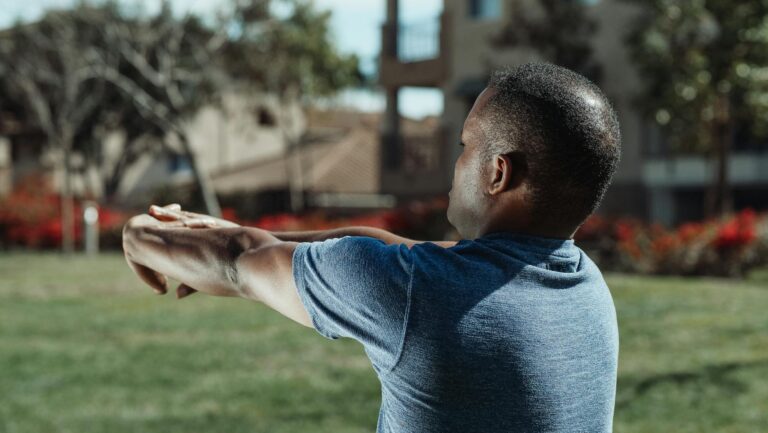
At 62, Margaret hadn’t exercised seriously in decades. After her doctor warned that her mobility was declining and her heart health needed attention, she started incorporating just 150 minutes of vigorous-intensity activity per week—split into manageable sessions of 30-minute runs and interval walks. Within four months, her resting heart rate dropped by 12 beats per minute, she regained the ability to keep up with her grandchildren without getting winded, and her energy levels throughout the day stabilized in ways she hadn’t experienced since her fifties. This isn’t a rare outcome. Research consistently shows that 150 minutes of intensity-based exercise weekly can fundamentally reverse the physical decline that many people accept as inevitable after 60.
The transformation works because intensity directly addresses the physiological changes of aging. After 60, people naturally lose about 3-5% of muscle mass per decade, insulin sensitivity decreases, bone density gradually weakens, and cardiovascular efficiency declines. High-intensity activity directly counters all of these processes. It builds strength faster than moderate exercise, improves metabolic markers that drop with age, stimulates bone-building responses, and forces the heart to adapt and strengthen. The catch is that “intensity” matters more than volume—an hour of leisurely walking won’t produce these results, but 30 minutes of genuine effort, done consistently, absolutely will.
Table of Contents
- What Does 150 Intensity Minutes Per Week Actually Mean For People Over 60?
- The Real Physical Changes That Happen With Sustained High-Intensity Work
- Mental Health and Cognitive Sharpness Beyond The Physical Gains
- Practical Implementation—How to Actually Start and Build Intensity
- Common Obstacles—Overtraining, Recovery, and Knowing Your Limits
- Why Age 60 Specifically—The Biology of This Transition
- Looking Forward—Sustainability and the Multi-Decade Payoff
- Conclusion
- Frequently Asked Questions
What Does 150 Intensity Minutes Per Week Actually Mean For People Over 60?
The confusion starts here. Most people think “intensity” means running marathons or doing CrossFit workouts, which deters them before they start. In reality, the guidelines are much more achievable. Vigorous-intensity activity means exercising at a level where you can talk but not sing—roughly 70-85% of your maximum heart rate. For a 65-year-old, this typically translates to a brisk run around 6-8 mph, rapid cycling at 16+ mph, or continuous swimming. The critical point is that this doesn’t need to be one grinding 150-minute session.
You can split it into five 30-minute sessions, three 50-minute sessions, or even six 25-minute high-intensity interval training bursts. The flexibility is deliberate—sustainability matters more than perfection. Compare this to moderate-intensity guidelines, which call for 300 minutes per week. That’s double the time commitment for essentially half the benefit. A 68-year-old who runs hard for 30 minutes gets more cardiovascular adaptation and muscle stimulus than someone who walks for an hour. This efficiency matters because time is a genuine constraint for many people over 60, especially those still working, caregiving, or managing health conditions. The intensity approach lets you accomplish more with less.

The Real Physical Changes That Happen With Sustained High-Intensity Work
When you consistently complete 150 intensity minutes weekly, several biological shifts occur that stack on top of each other. Your aerobic capacity—the amount of oxygen your body can utilize during exercise—improves by 15-25% within 8-12 weeks. Your muscles develop more mitochondria, the power plants of cells, which means better energy production and less fatigue in everyday activities. Bone density increases in weight-bearing exercises like running, and even improves modestly in non-weight-bearing activities like swimming and cycling because of the hormonal signals intensity triggers. The cardiovascular benefits are profound but often underestimated. Your heart becomes more efficient, requiring fewer beats to pump the same amount of blood.
Resting heart rate often drops by 8-15 beats per minute. Blood pressure typically improves. HDL cholesterol (the “good” kind) increases while LDL and triglycerides improve. These aren’t small changes—they represent a measurable reduction in heart disease and stroke risk. However, the warning here is important: people over 60 with existing heart conditions, uncontrolled high blood pressure, or recent cardiac events need medical clearance before starting intensity-based exercise. Pushing too hard without that clearance isn’t dedication—it’s dangerous.
Mental Health and Cognitive Sharpness Beyond The Physical Gains
One of the most underrated benefits of intensity-based exercise happens in the brain. High-intensity activity stimulates the release of brain-derived neurotrophic factor (BDNF), a protein that supports brain cell growth and connection formation. In studies of people over 60, those doing regular vigorous exercise show better memory retention, faster processing speed, and lower rates of cognitive decline compared to sedentary peers. One study followed a group of 64-year-olds over five years; those maintaining vigorous exercise showed the same cognitive markers as people 10-15 years younger. The mental shift is noticeable too—runners and cyclists over 60 often report clearer thinking, better mood stability, and reduced anxiety, even separate from the well-known endorphin effects. Beyond cognition, intensity-based exercise provides a practical tool for managing the psychological challenges that often accompany aging.
It creates a concrete achievement—you completed a hard workout, you pushed yourself, you’re stronger than you were. For many people over 60, this counter-narrative to decline is genuinely transformative. You’re not just aging; you’re actively getting stronger. This shifts identity and outlook. A 59-year-old man who started running intervals after retirement told his therapist that regular intense workouts did more for his depression than medication alone. The physical challenge created purpose and proof of capability.
Practical Implementation—How to Actually Start and Build Intensity
The barrier to starting intensity training isn’t usually understanding—it’s knowing where to begin without injury. The safest approach is gradual progression. If you’re currently sedentary or doing only moderate exercise, don’t jump to 30 minutes of hard running. Start with three 10-minute intervals of higher intensity mixed into existing moderate activity. Run hard for 2 minutes, walk for 3 minutes, repeat. Over 4-6 weeks, expand the hard intervals and reduce recovery time. This gives your joints, ligaments, and cardiovascular system time to adapt.
Different activities suit different people, and the right choice often comes down to joint stress and personal preference. Running is highly efficient—you get maximum intensity in minimal time—but the impact on knees and hips bothers some people over 60. Cycling and swimming deliver intensity with minimal joint stress. Rowing is excellent for full-body engagement. High-intensity interval training on a stationary bike or treadmill works well for people with space and time constraints, or those who dislike outdoor exercise. The tradeoff is that outdoor running, hiking, and cycling offer environmental variety and the mental health benefits of being outside—something that turns routine exercise into something you look forward to rather than endure. For long-term sustainability, choosing an activity you tolerate, if not enjoy, matters more than choosing the theoretically optimal one.
Common Obstacles—Overtraining, Recovery, and Knowing Your Limits
Many people over 60 fall into a trap of escalating intensity too quickly. The logic seems sound: if 150 minutes helps, wouldn’t 200 or 250 be better? Not necessarily. Recovery capacity genuinely changes with age. Your body needs more time to repair muscle damage from intense work, and recovery hormones like testosterone and human growth hormone naturally decline. Overtraining in your sixties looks different than in your thirties—it sneaks up quietly as persistent fatigue, elevated resting heart rate, or declining performance despite more effort. One runner, age 66, increased his weekly intensity to over 200 minutes in pursuit of faster times; within six weeks he got sick, injured his Achilles tendon, and lost all the fitness gains.
The practical limit for most people over 60 is 150-180 minutes of intensity weekly, paired with 1-2 days of strength training and adequate recovery days. This isn’t a failure of ambition; it’s smart aging. Rest days aren’t wasted time—they’re when adaptation happens. The other common mistake is ignoring cross-training and strength work. Running or cycling alone preserves cardiovascular capacity but can lead to muscle imbalances and joint issues. Adding resistance training twice weekly—focusing on legs, hips, and core—prevents many age-related injuries and extends your athletic longevity. Someone over 60 doing intense cardio three times weekly plus strength work twice weekly will sustain better results than someone doing daily intense cardio with no cross-training.

Why Age 60 Specifically—The Biology of This Transition
Sixty isn’t arbitrary for exercise benefits; it marks a biological inflection point. Research shows that the rate of muscle loss accelerates after 60, and the window for reversing serious physical decline narrows. Someone at 62 with consistent high-intensity exercise can reverse years of decline and rebuild to early-fifties fitness levels. Someone at 75 with the same commitment can improve meaningfully but faces steeper biological constraints. This matters because it’s actually motivating—starting intensity work at 60-65 is genuinely your highest-leverage time for creating lasting change.
A woman who begins intense walking and running intervals at 62 can expect to maintain cardiovascular capacity and muscle mass well into her seventies if she sustains the habit. The same woman starting at 72 will improve but faces more limitations and must work harder to maintain gains. The other reason 60 matters is that it’s when most people have time. Career pressures often ease, children are launched, and retirement approaches. This freed-up time is an asset—arguably the single biggest advantage over younger people juggling jobs and family. People over 60 who capitalize on this window often report that consistent exercise becomes easier than it was at 40, despite the harder work required, simply because the schedule finally accommodates it.
Looking Forward—Sustainability and the Multi-Decade Payoff
The real test of 150 intensity minutes weekly isn’t the first four months of transformation; it’s year three, year five, year ten. The people over 60 who maintain these habits don’t view them as temporary fitness projects. They’re built into identity—”I’m a runner,” “I swim,” “I cycle.” This identity shift, more than discipline, predicts long-term adherence. The physical benefits compound. Someone at 62 who maintains vigorous exercise weekly will likely reach 75 with mobility, strength, and cardiovascular fitness comparable to sedentary 55-year-olds.
That’s not small. It means independence, fewer medications, lower healthcare costs, and the ability to do things most people assume become impossible: hiking challenging terrain, playing active sports, traveling without fatigue. The future of exercise science for older adults is moving toward emphasizing intensity and efficiency over volume, precisely because the evidence is so clear. The old model of encouraging elderly people toward moderate-paced walking is gradually being replaced with a more ambitious framework that recognizes that aging bodies respond to challenge, not just activity. If you’re over 60 and haven’t yet started, that initial four-month transformation window—where the changes are dramatic and motivating—is still available.
Conclusion
One hundred fifty minutes of vigorous-intensity exercise weekly delivers transformation because it directly addresses the physiological processes that drive aging. It rebuilds muscle and bone, improves metabolic function, sharpens cognition, and creates psychological shifts that extend beyond the gym. The framework is achievable—split across multiple sessions, adapted to joint limitations, and built into sustainable routines.
Unlike many health interventions, this one doesn’t require willpower so much as structure and getting started. The clearest next step is deciding on a starting activity that you tolerate, building intensity gradually over 4-6 weeks, and recognizing that the first four months will show the most dramatic changes. After that, consistency becomes the challenge, but also the primary source of long-term reward. You’re not just maintaining fitness; you’re actively choosing what your sixties, seventies, and beyond will feel like.
Frequently Asked Questions
Is 150 intensity minutes too much for someone over 60 with no recent exercise history?
No, but approach it as a progression goal, not a starting point. Begin with two to three shorter sessions of mixed-intensity work—hard intervals embedded in moderate activity—and build over 6-8 weeks. Your body adapts faster than you think, but rushing invites injury.
What’s the difference between intensity and just “exercising harder”?
Intensity has a physiological definition: vigorous activity means 70-85% of your max heart rate. If you can sing, you’re not at intensity yet. If you can talk but not sing, you’re in the zone. A heart-rate monitor removes guesswork.
If I have joint pain, which intense activity is best?
Swimming and cycling create intensity with minimal joint impact. If joint pain worsens during activity, it’s a sign to reduce volume, improve form, or choose lower-impact options—not to push through it.
How often should I do high-intensity work to see results?
Three to five sessions weekly works well for most people over 60. More than five risks overtraining; fewer than three delivers slower progress. Mix in strength training and rest days for balance.
Will intense exercise at 60+ harm my knees or joints?
Properly progressed intensity training actually strengthens connective tissue and reduces long-term joint injury risk. Sudden jumps in volume or intensity without progression cause harm. The phrase “use it or lose it” applies to joints too.
What if I’m on medications that affect heart rate?
Heart-rate based intensity targets may not apply. Work with your doctor to establish intensity guidelines based on your specific medications and condition. Perceived exertion—the talk test—becomes your better guide.