Indoor running demands more breathable fabrics than outdoor running in most conditions because stagnant air, higher ambient temperatures, and limited evaporation create a significantly more challenging thermal environment for your body. While outdoor runners can often get away with moderately breathable gear thanks to natural airflow and wind chill, treadmill runners need highly ventilated clothing with mesh panels and moisture-wicking properties to avoid overheating. A runner wearing the same cotton t-shirt on a treadmill that they wore on a 50-degree outdoor run will quickly discover how much work the wind was doing to keep them cool””within minutes, that shirt becomes a heavy, sweat-soaked layer trapping heat against the skin.
Understanding the distinct breathability requirements for each environment helps runners select appropriate gear, maintain performance, and avoid heat-related issues. The core difference comes down to airflow: outdoor running generates natural convective cooling as you move through air, while indoor running eliminates this effect almost entirely. This article examines how temperature regulation differs between environments, what fabric technologies address these challenges, and how to build a versatile running wardrobe that works whether you’re logging miles on the treadmill or hitting the trails.
Table of Contents
- Why Do Breathability Requirements Differ Between Indoor and Outdoor Running?
- Understanding Fabric Technologies for Maximum Ventilation
- How Humidity Levels Affect Breathability Performance
- Matching Breathability Choices to Running Intensity
- Common Breathability Mistakes That Compromise Performance
- Seasonal Adjustments for Indoor and Outdoor Breathability
- How to Prepare
- How to Apply This
- Expert Tips
- Conclusion
- Frequently Asked Questions
Why Do Breathability Requirements Differ Between Indoor and Outdoor Running?
The physics of heat dissipation fundamentally changes when you move from outdoor to indoor running. Outside, forward movement creates airflow across your skin at roughly 6 to 10 miles per hour during typical running paces, which accelerates sweat evaporation and carries heat away from your body. This convective cooling effect can account for up to 40 percent of your total heat loss during exercise. On a treadmill, you remain stationary relative to the surrounding air, eliminating this natural cooling mechanism and forcing your body to rely almost entirely on sweat evaporation from the fabric surface. Indoor environments also tend to maintain temperatures between 68 and 75 degrees Fahrenheit, which sounds comfortable but approaches the threshold where your body struggles to shed metabolic heat efficiently.
During running, your working muscles generate heat at rates 10 to 20 times higher than at rest, raising your core temperature rapidly. Without adequate breathability in your clothing, this heat becomes trapped, triggering excessive sweating that the fabric cannot transport away quickly enough. The comparison becomes stark when examining heart rate data from runners in both environments. Studies have shown that runners wearing low-breathability fabrics indoors can experience heart rates 8 to 12 beats per minute higher than those in highly breathable gear, even at identical paces. This cardiovascular strain occurs because the body diverts blood flow to the skin for cooling rather than to working muscles, reducing running economy and accelerating fatigue.
Understanding Fabric Technologies for Maximum Ventilation
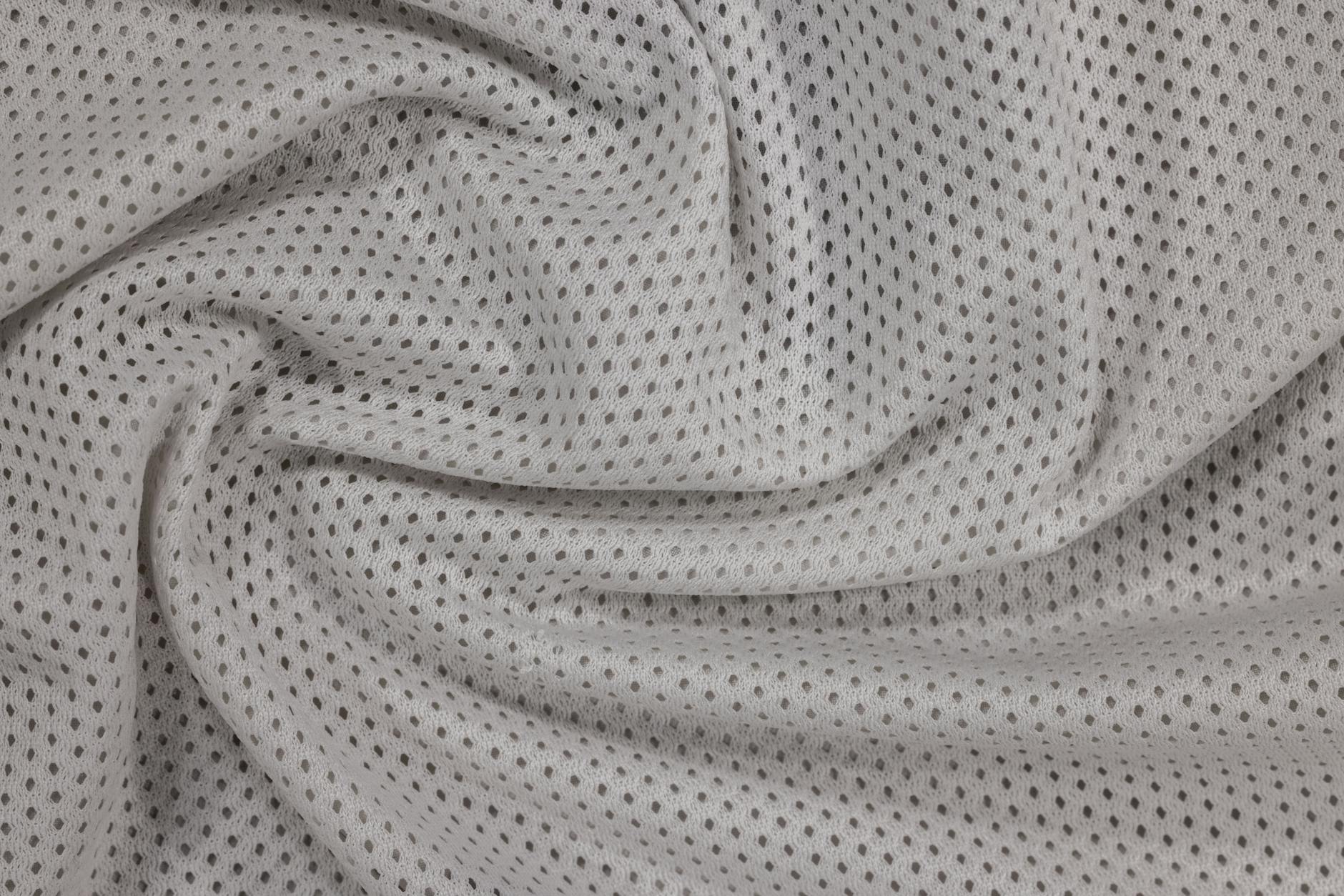
Modern athletic fabrics achieve breathability through several mechanisms: moisture-wicking fibers that transport sweat from skin to fabric surface, hydrophilic finishes that spread moisture across a wider area for faster evaporation, and strategic mesh construction that allows direct airflow. Polyester and nylon blends dominate performance running apparel because these synthetic fibers absorb less than one percent of their weight in moisture, compared to cotton’s ability to absorb up to 27 times its weight. This fundamental difference explains why cotton feels progressively heavier and colder during runs while synthetics remain relatively dry. However, fabric technology alone cannot compensate for poor garment design. A densely woven polyester shirt may technically wick moisture but fails to provide adequate ventilation if it lacks mesh panels or strategic perforations.
The most effective indoor running tops combine lightweight synthetic materials with large mesh zones under the arms, across the upper back, and sometimes along the sides where heat accumulates. These ventilation zones create pathways for heat to escape even without external airflow. If you run exclusively outdoors in cool climates, highly ventilated fabrics may actually work against you. Mesh panels that excel on a treadmill can create uncomfortable cold spots when wind passes through them during winter runs. Runners in northern regions often need separate indoor and outdoor wardrobes or versatile layering systems that can adapt to both environments rather than single garments optimized for one setting.
How Humidity Levels Affect Breathability Performance
Relative humidity plays a critical role in how effectively any fabric can manage moisture, regardless of its technical specifications. In low-humidity environments below 40 percent, even moderately breathable fabrics perform adequately because sweat evaporates readily from any exposed surface. As humidity rises above 60 percent, the air’s capacity to accept additional moisture decreases dramatically, slowing evaporation and causing sweat to accumulate in fabrics that would normally handle it well. Many home and gym environments maintain humidity levels between 40 and 60 percent, placing indoor runners in a moderate challenge zone.
However, poorly ventilated home gyms, basement treadmill setups, or crowded fitness centers can push humidity significantly higher, especially when multiple people exercise in enclosed spaces. A runner who finds their breathable shirt adequate at a well-ventilated gym may struggle in their home basement where air circulation is minimal and humidity climbs throughout a workout. Consider a runner training in a humid Gulf Coast city who switches between an air-conditioned gym and outdoor summer runs. Indoors, the dehumidified air allows excellent evaporation despite the lack of airflow, while outdoor runs in 85 percent humidity create brutal conditions where no fabric can keep up with sweat production. This runner needs highly breathable, loose-fitting gear for both environments but may actually experience more effective cooling indoors where humidity control exists.

Matching Breathability Choices to Running Intensity
Running intensity directly correlates with heat production and therefore breathability requirements. Easy recovery runs at conversational pace generate roughly 600 to 800 watts of metabolic heat, while tempo runs and interval sessions can produce 1,200 watts or more. This doubling of heat output means that a shirt adequate for easy outdoor jogging may fail dramatically during high-intensity treadmill intervals. The comparison becomes particularly relevant for runners who use treadmills primarily for speed work while saving easy runs for outdoor routes. These runners need their most breathable gear reserved for indoor sessions, even though outdoor running might intuitively seem more demanding.
A runner completing 800-meter repeats at mile race pace on a treadmill faces far greater thermal stress than the same runner jogging easy miles through a park, regardless of outdoor temperature. The tradeoff appears in durability and coverage. Highly breathable fabrics with extensive mesh construction tend to be more delicate and offer less UV protection than denser weaves. Runners who prioritize breathability for indoor training may accept faster wear-through of these garments, treating them as specialized equipment rather than everyday items. Meanwhile, outdoor-focused gear can prioritize durability and sun protection with only moderate breathability since natural airflow compensates for denser construction.
Common Breathability Mistakes That Compromise Performance
The most frequent error runners make involves wearing compression gear for treadmill running without understanding its thermal implications. Compression garments sit tight against the skin, eliminating the air gap between fabric and body that aids cooling. While compression offers benefits for muscle support and recovery, it actively hinders heat dissipation by preventing convective air movement across the skin surface. Runners who experience unexplained overheating during indoor sessions should examine whether compression wear is contributing to the problem. Another common mistake involves assuming that less clothing always means better cooling. While this seems logical, exposed skin requires adequate airflow to evaporate sweat effectively.
In still indoor air, sweat may simply drip off bare skin without providing much cooling, whereas a highly breathable fabric can spread that moisture across a larger surface area where it eventually evaporates. The counterintuitive reality is that a well-designed singlet can provide better cooling than running shirtless in a humid, poorly ventilated space. Fabric softener use represents a hidden threat to breathability that many runners overlook. Conventional fabric softeners deposit a waxy coating on fibers that reduces their ability to wick moisture. Over time, this buildup can transform high-performance athletic wear into moisture-trapping layers that defeat their original purpose. Runners who notice their gear becoming less effective after multiple washes should switch to sport-specific detergents or eliminate softener use entirely for athletic clothing.

Seasonal Adjustments for Indoor and Outdoor Breathability
Winter presents an interesting reversal of typical breathability thinking for runners who train in both environments. While outdoor winter running demands layered, insulating clothing that traps warmth, moving that same workout indoors requires an almost complete wardrobe change. A runner finishing snowy trail runs in a base layer, insulating mid-layer, and wind-blocking jacket would overheat catastrophically wearing that ensemble on a treadmill.
This seasonal split requires runners in cold climates to maintain two distinct gear categories. A practical example involves a Minneapolis runner who trains outdoors when temperatures permit but shifts to treadmill sessions during dangerous wind chill days. Their outdoor winter kit includes merino wool base layers and softshell jackets, while their indoor gear consists of lightweight singlets and split shorts””essentially opposite ends of the breathability spectrum used within the same training week.
How to Prepare
- **Audit your current training locations** by noting temperature and humidity levels during actual workout times, as gym conditions at 6 AM may differ significantly from afternoon sessions when more people are present and HVAC systems are stressed.
- **Categorize your existing running apparel** by breathability level, separating highly ventilated mesh items from moderate-breathability basic synthetics and any cotton or cotton-blend pieces that should be retired from running use entirely.
- **Identify gaps in your wardrobe** where you lack appropriate options for specific conditions, paying particular attention to high-intensity indoor sessions where breathability needs peak.
- **Research fabric technologies** used by your preferred brands, looking specifically for terms like “laser-cut ventilation,” “strategic mesh panels,” and “high-gauge knit construction” that indicate enhanced breathability.
- **Test fabrics before committing** by purchasing single items and evaluating them during your most challenging indoor sessions before investing in multiple pieces.
How to Apply This
- **Assign your most breathable gear to indoor high-intensity sessions** including treadmill intervals, tempo runs, and any sustained effort workouts performed in climate-controlled spaces without natural airflow.
- **Reserve moderate-breathability items for outdoor runs** where wind chill and ambient airflow provide supplemental cooling, allowing you to prioritize durability and coverage without sacrificing comfort.
- **Layer strategically for transitional conditions** such as spring and fall outdoor runs where temperatures shift during your workout, wearing a highly breathable base with a removable wind-blocking layer.
- **Rotate fabrics based on humidity forecasts** by checking both indoor conditions and outdoor dew points before selecting your running outfit, upgrading to more breathable options when humidity exceeds 60 percent.
Expert Tips
- Use a small fan positioned to blow across your treadmill space to simulate outdoor airflow and reduce your reliance on fabric breathability alone.
- Do not assume expensive gear automatically means better breathability; some budget synthetics outperform premium branded cotton blends that coast on marketing.
- Wash high-breathability items inside out to protect mesh panels and exterior fabric treatments from abrasion damage.
- Test new gear during easy runs first, since inadequate breathability becomes apparent quickly during high-intensity efforts when you need to focus on performance rather than discomfort.
- Store sweaty running clothes loosely rather than balled up in a gym bag, as bunched damp fabric breeds bacteria that can degrade technical properties and create odors.
Conclusion
Breathability requirements differ substantially between indoor and outdoor running due to the fundamental physics of heat dissipation. Indoor runners face greater thermal challenges because they lack natural convective cooling from forward movement through air, making highly breathable fabrics with strategic ventilation zones essential for comfort and performance. Outdoor runners enjoy more flexibility in fabric choices since airflow compensates for moderate breathability, though humid conditions and high-intensity efforts still demand attention to moisture management.
Building an effective running wardrobe means treating indoor and outdoor gear as distinct categories rather than assuming one-size-fits-all solutions. By assessing your specific training environments, matching breathability levels to workout intensities, and avoiding common mistakes like compression wear abuse and fabric softener damage, you can maintain optimal body temperature regulation across all your running sessions. Start by evaluating your most challenging indoor workout and ensuring you have gear that meets those peak demands, then work backward to fill gaps in your outdoor and moderate-condition options.
Frequently Asked Questions
How long does it typically take to see results?
Results vary depending on individual circumstances, but most people begin to see meaningful progress within 4-8 weeks of consistent effort. Patience and persistence are key factors in achieving lasting outcomes.
Is this approach suitable for beginners?
Yes, this approach works well for beginners when implemented gradually. Starting with the fundamentals and building up over time leads to better long-term results than trying to do everything at once.
What are the most common mistakes to avoid?
The most common mistakes include rushing the process, skipping foundational steps, and failing to track progress. Taking a methodical approach and learning from both successes and setbacks leads to better outcomes.
How can I measure my progress effectively?
Set specific, measurable goals at the outset and track relevant metrics regularly. Keep a journal or log to document your journey, and periodically review your progress against your initial objectives.
When should I seek professional help?
Consider consulting a professional if you encounter persistent challenges, need specialized expertise, or want to accelerate your progress. Professional guidance can provide valuable insights and help you avoid costly mistakes.
What resources do you recommend for further learning?
Look for reputable sources in the field, including industry publications, expert blogs, and educational courses. Joining communities of practitioners can also provide valuable peer support and knowledge sharing.