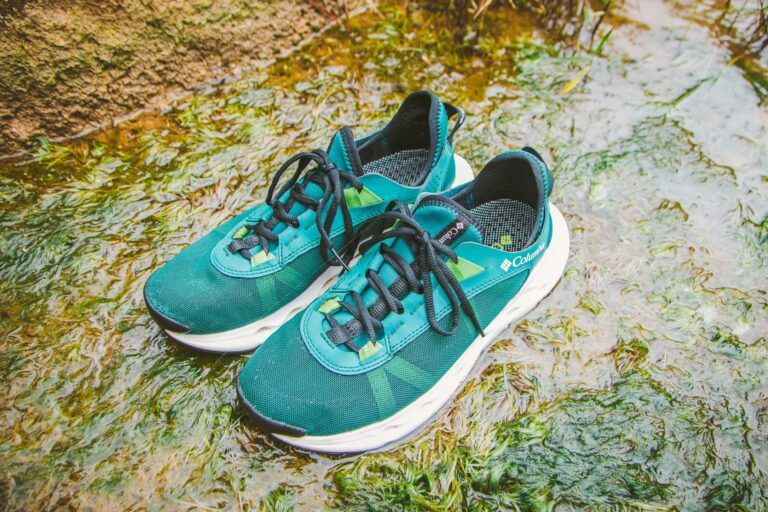
The best running shoes for runners increasing their mileage are well-cushioned daily trainers with durable midsoles that can withstand repeated high-impact loads without breaking down prematurely. Shoes like the ASICS Novablast 5, Saucony Ride 18, Nike Vomero 18, and New Balance 1080v15 consistently rank among the top choices because they balance plush cushioning with enough responsiveness to handle everything from easy recovery runs to longer efforts. A runner transitioning from 25 to 40 miles per week, for instance, needs a shoe that maintains its shock absorption properties through hundreds of miles rather than flattening out after two months of training. Cushioning alone does not make a shoe suitable for higher mileage.
Durability, stability, and proper fit become increasingly important as weekly volume climbs. Research shows that cushioning in running shoes decreases by 16 to 33 percent after approximately 400 miles, and most runners cannot reliably detect this degradation themselves. This article covers how to select the right shoe characteristics for mileage buildup, the role of shoe rotation in injury prevention, how stack height affects your running mechanics, and practical steps for transitioning your footwear alongside your training. Beyond individual shoe recommendations, understanding why certain features matter helps you make informed decisions as your training evolves. Whether you are building toward your first half marathon or adding base miles for ultra distance goals, the principles remain consistent: prioritize durability, match cushioning to your body weight and running style, and recognize when your current shoes no longer provide adequate support.
Table of Contents
- What Makes a Running Shoe Ideal for Increasing Mileage?
- How Shoe Rotation Reduces Injury Risk for High-Mileage Runners
- Understanding Stack Height and Cushioning for Distance Running
- Common Mistakes When Upgrading Shoes for Higher Mileage
- Budget Considerations for High-Mileage Training
- How to Prepare
- How to Apply This
- Expert Tips
- Conclusion
- Frequently Asked Questions
What Makes a Running Shoe Ideal for Increasing Mileage?
running shoes designed for high mileage share several characteristics that distinguish them from lightweight racing flats or minimalist trainers. The midsole foam density sits in a range that provides impact protection without feeling sluggish, typically using materials like EVA blends, TPU-based foams, or nitrogen-infused compounds that maintain their properties over extended use. The outsole features durable rubber in high-wear zones, particularly the heel and toe-off areas where ground contact causes the most material breakdown. Stack height plays a significant role in how well a shoe handles accumulated mileage. The average heel stack for long-distance training shoes hovers around 34 millimeters, with most options ranging from 30 to 40 millimeters.
This provides meaningful shock absorption without the instability that can come from extremely high stacks. For comparison, racing shoes often exceed 40 millimeters but sacrifice durability for weight savings, making them unsuitable as primary training shoes. A runner logging 40 or more miles weekly needs shoes that can handle that volume repeatedly, not shoes that feel amazing for 100 miles and then collapse. The distinction between a high-mileage trainer and a racing shoe matters most when you consider total cost and injury risk. A lightweight racing flat might last 200 miles before the midsole loses significant responsiveness, while a durable trainer like the Saucony Ride 18 or Brooks Hyperion Max 3 can maintain adequate cushioning for 400 to 500 miles. For runners increasing volume, this difference translates to fewer shoe purchases and more consistent support throughout training cycles.
How Shoe Rotation Reduces Injury Risk for High-Mileage Runners
A 2015 study published in the Scandinavian Journal of Medicine and Science in Sports examined 264 runners and found that those who rotated between multiple pairs of shoes experienced a 39 percent reduction in running-related injuries. The mechanism behind this benefit involves varying the biomechanical stresses placed on muscles, tendons, and joints. When you run in the same shoe every day, identical loading patterns repeatedly stress the same tissues. Alternating shoes changes these patterns enough to distribute the load more evenly across your musculoskeletal system. Shoe rotation also extends the functional lifespan of your footwear. The foam compounds in midsoles compress under load and require time to fully rebound. Giving shoes 24 to 48 hours between runs allows the foam to recover its original shape and cushioning properties.
Research suggests that rotation can extend shoe life by up to 60 percent, which offsets the initial investment in multiple pairs. Runners who view a second pair as an unnecessary expense often end up spending more money replacing worn-out single pairs more frequently. However, rotation benefits depend on how you structure it. Simply owning two identical pairs provides less biomechanical variation than owning shoes with different characteristics. The greatest injury reduction appears in runners using three to four different models with varying cushioning levels, stack heights, or heel drops. A practical rotation might include a cushioned daily trainer for easy runs, a firmer tempo shoe for faster work, and a maximally cushioned option for long runs or recovery days. If budget limits you to two pairs, choose models with meaningfully different ride characteristics rather than two versions of the same shoe.
Understanding Stack Height and Cushioning for Distance Running
Stack height measures the total amount of material between your foot and the ground, typically expressed in millimeters at both the heel and forefoot. Higher stack heights generally correlate with more cushioning, though foam density and composition also affect the actual impact protection. Modern training shoes fall into rough categories: low stack under 30 millimeters, medium stack from 32 to 39 millimeters, and maximalist options at 40 millimeters and above. World Athletics regulations cap stack height at 40 millimeters for road racing, though training shoes face no such restriction. For runners increasing mileage, medium to high stack heights offer practical advantages. Greater shock absorption reduces the cumulative stress on bones and soft tissues during higher volume weeks. The Hoka Bondi 9, with its maximum cushioning approach, has become popular among runners logging significant weekly miles precisely because it absorbs impact more effectively than lower-stack alternatives. Similarly, the Mizuno Neo Vista 2 combines a towering stack height with lightweight construction to minimize leg fatigue during long efforts. The tradeoff involves proprioception and stability. Some studies have found that switching to maximalist shoes can increase leg stiffness and alter ankle and knee mechanics, potentially creating new stress patterns rather than eliminating them. Runners transitioning from lower-stack shoes should introduce high-stack options gradually rather than immediately using them for all training. If you currently run in shoes with 28 millimeter stacks, jumping directly to 42 millimeter shoes for every run may cause adaptation issues. A mixed rotation allows your body to adjust while still gaining the benefits of additional cushioning on appropriate days.
## How to Choose Running Shoes When Building Weekly Volume Selecting shoes for mileage increases requires balancing immediate comfort with long-term durability. The plushest shoe in the store might feel incredible during a five-minute test jog but could compress and lose responsiveness after 150 miles of training. Prioritize shoes known for maintaining their cushioning properties over extended use. The ASICS Novablast 5, for example, has earned its reputation precisely because it delivers consistent performance across hundreds of miles without significant degradation. Fit considerations become more important at higher volumes because small irritations compound over longer runs and more frequent training. Ensure at least half an inch of space between your longest toe and the end of the shoe, and try shoes on late in the day when feet have swelled to their maximum size. Minor heel slippage or pressure points that seem negligible during a 3-mile run often become blisters or hotspots during 10-mile efforts. Many specialty running stores offer treadmill gait analysis and generous return policies, making them worth the trip even if online prices appear lower. The tradeoff between weight and durability deserves explicit consideration. Lightweight shoes feel quicker and more responsive but typically sacrifice lifespan for speed. Runners covering 40 or more miles weekly will burn through lightweight trainers in two to three months, while heavier, more durable options last four to six months under the same volume. Unless you are specifically training for racing performance, prioritizing durability over weight savings makes economic and practical sense during base-building phases. Save the lightweight options for workouts and races where their advantages matter most.

Common Mistakes When Upgrading Shoes for Higher Mileage
The most frequent error runners make when increasing mileage involves continuing to run in worn-out shoes. Cushioning degrades gradually enough that runners often fail to notice until discomfort or injury appears. A simple test involves pressing your thumb firmly into the midsole: if it feels hard, flat, and unresponsive rather than springy, the foam has likely compressed beyond its functional limits. Waiting for visible outsole wear to indicate replacement need often means running months past the point of adequate cushioning. Another common mistake involves selecting shoes based on brand loyalty or appearance rather than functional requirements. The shoe that worked well at 20 miles per week may not provide adequate support at 45 miles per week, especially if your training intensity or surface mix has changed.
Heavier runners in particular need to account for the additional load when selecting cushioning levels. A 180-pound runner compresses midsole foam more rapidly than a 130-pound runner covering identical mileage, which affects both cushioning feel and replacement timing. Finally, many runners underestimate how much their gait changes as fatigue accumulates during longer runs. A shoe that provides adequate stability during fresh 5-mile efforts might allow excessive pronation during miles 15 through 20 when muscle control diminishes. If you experience new knee, hip, or IT band issues as mileage increases, the problem may originate from shoe selection rather than training errors. Consider whether a stability shoe or one with a wider base might better accommodate your mechanics when fatigued, even if you run neutrally when fresh.
Budget Considerations for High-Mileage Training
Running shoe prices range from under $100 to over $250, but cost does not always correlate with suitability for high mileage. The Adidas Adizero SL2, regularly available under $100 on sale, outperforms many expensive options in durability testing and provides excellent value for runners building volume. Meanwhile, some premium-priced racing shoes deliver exceptional performance for competition but wear out too quickly for daily training use. Evaluating cost per mile rather than sticker price reveals the true economics of shoe selection.
For example, a $180 shoe that maintains adequate cushioning for 500 miles costs $0.36 per mile. A $100 shoe that degrades noticeably after 300 miles costs $0.33 per mile, making it slightly more economical despite lasting fewer total miles. However, if the more expensive shoe also provides better impact protection and reduces injury risk, the calculation shifts. Medical bills and lost training time from overuse injuries dwarf any savings from choosing lower-cost footwear. Runners building toward races or performance goals should factor injury prevention value into their purchasing decisions.

How to Prepare
- Assess your current shoes by checking midsole responsiveness and outsole wear patterns. Note any areas of excessive wear that might indicate gait issues requiring correction with your new shoes.
- Research shoe options that match your foot type, typical pace ranges, and preferred surfaces. Prioritize reviews that specifically address durability and long-run performance rather than initial impressions.
- Visit a specialty running store for professional fitting if possible. Gait analysis can identify pronation patterns or stability needs that affect which shoes will serve you best at higher volumes.
- Purchase new shoes approximately one month before significantly increasing mileage. This provides time to break them in on shorter runs before relying on them for longer efforts.
- Introduce new shoes gradually into your rotation rather than immediately using them for all runs. Start with shorter easy runs and progressively build to longer distances over two to three weeks.
How to Apply This
- Evaluate your current weekly mileage and planned increases to determine appropriate cushioning levels. Runners building toward 40 or more miles weekly should prioritize shoes in the medium to high stack range with proven durability records.
- Establish a rotation of at least two pairs with different ride characteristics. Use the more cushioned option for easy runs and long efforts, reserving firmer shoes for tempo work and intervals.
- Track mileage on each pair of shoes using a running app or simple log. Replace shoes when they approach 400 to 500 miles regardless of visible condition, as midsole degradation often precedes outsole wear.
- Schedule shoe purchases strategically around training phases. Buy new primary trainers before the highest-volume weeks of your training plan rather than waiting until current shoes fail.
Expert Tips
- Rotate between at least two pairs of running shoes with different cushioning characteristics to reduce injury risk by up to 39 percent and extend the lifespan of each pair.
- Do not select shoes based solely on weight. Lightweight trainers often sacrifice durability, costing more per mile over time and potentially increasing injury risk from premature cushioning breakdown.
- Replace running shoes based on mileage rather than time or visible wear. Most shoes should be retired between 300 and 500 miles, with heavier runners and those running on harder surfaces trending toward the lower end.
- Test midsole responsiveness monthly by pressing firmly with your thumb. If the foam feels flat and fails to spring back, the cushioning has degraded beyond acceptable levels regardless of external appearance.
- Avoid using running shoes for other activities including gym workouts, casual wear, or walking errands. Each non-running mile accelerates wear without contributing to your training.
Conclusion
Selecting the right running shoes for increasing mileage involves prioritizing durability and adequate cushioning over lightweight feel or racing performance. Shoes like the ASICS Novablast 5, Saucony Ride 18, and New Balance 1080v15 consistently deliver the combination of impact protection and longevity that higher-volume training demands. Understanding that cushioning degrades predictably over miles, rather than waiting for obvious signs of wear, helps you maintain consistent support throughout training cycles.
Building a rotation of complementary shoes provides both injury prevention benefits and practical cost savings over time. The 39 percent reduction in injury risk documented in research justifies the upfront investment in multiple pairs. As you increase weekly mileage, match your shoe selection to your current training phase, body weight, and running mechanics. The goal remains consistent: footwear that supports your training rather than limiting it.
Frequently Asked Questions
How long does it typically take to see results?
Results vary depending on individual circumstances, but most people begin to see meaningful progress within 4-8 weeks of consistent effort. Patience and persistence are key factors in achieving lasting outcomes.
Is this approach suitable for beginners?
Yes, this approach works well for beginners when implemented gradually. Starting with the fundamentals and building up over time leads to better long-term results than trying to do everything at once.
What are the most common mistakes to avoid?
The most common mistakes include rushing the process, skipping foundational steps, and failing to track progress. Taking a methodical approach and learning from both successes and setbacks leads to better outcomes.
How can I measure my progress effectively?
Set specific, measurable goals at the outset and track relevant metrics regularly. Keep a journal or log to document your journey, and periodically review your progress against your initial objectives.
When should I seek professional help?
Consider consulting a professional if you encounter persistent challenges, need specialized expertise, or want to accelerate your progress. Professional guidance can provide valuable insights and help you avoid costly mistakes.
What resources do you recommend for further learning?
Look for reputable sources in the field, including industry publications, expert blogs, and educational courses. Joining communities of practitioners can also provide valuable peer support and knowledge sharing.