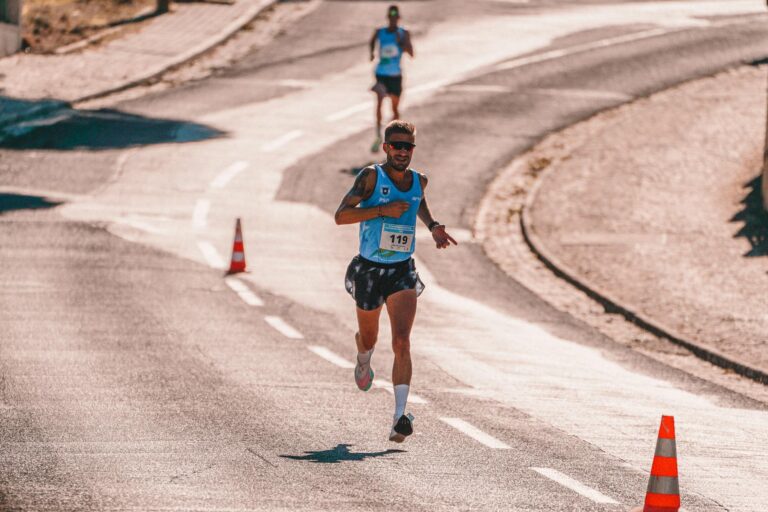
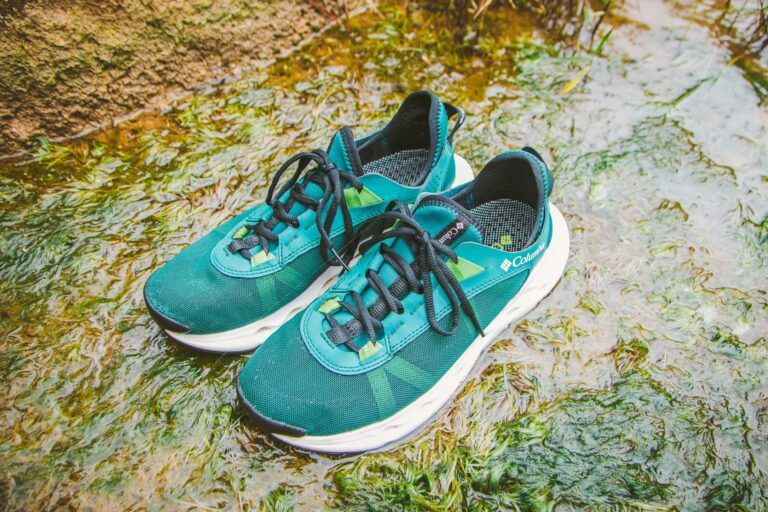
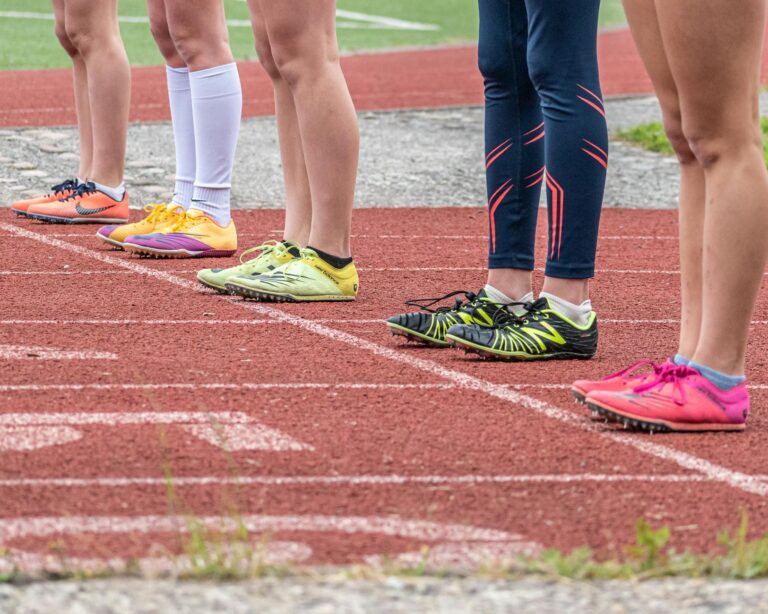
Runners with high arches need cushioned, neutral shoes with generous midsole padding and minimal stability features, combined with insoles that fill the arch gap to distribute pressure evenly across the foot. The fundamental problem with high arches is that they create a rigid foot structure that absorbs less shock naturally, concentrating force on the heel and ball of the foot rather than spreading it across the entire sole. A runner weighing 150 pounds, for instance, generates approximately 450 pounds of force with each footstrike during running””and without proper cushioning solutions, high-arched feet bear this impact on roughly 40 percent less surface area than normal arches. The key to comfort lies in matching cushioning systems to how high arches actually function during the gait cycle.
Unlike flat feet, which tend to overpronate and need motion control, high arches typically underpronate (supinate), rolling outward rather than inward. This means the foot stays rigid through the stance phase, failing to flex and absorb shock the way a more mobile arch would. Effective solutions address both the immediate need for impact absorption and the longer-term goal of preventing stress injuries common to this foot type. This article covers everything from understanding why high arches create specific cushioning challenges to selecting the right shoe technologies, choosing appropriate insoles, and recognizing warning signs that your current setup isn’t working. We’ll examine real-world tradeoffs between maximum cushion and ground feel, address common mistakes runners make when accommodating high arches, and provide actionable steps for building a comfort strategy that holds up over serious mileage.
Table of Contents
- Why Do High Arches Need Special Cushioning and Comfort Solutions?
- Selecting the Right Midsole Technology for Elevated Arches
- How Custom and Over-the-Counter Insoles Fill the Arch Gap
- Sock Selection and Foot Environment for High-Arch Runners
- Common Comfort Mistakes High-Arched Runners Make
- Recognizing When Cushioning Solutions Aren’t Working
- How to Prepare
- How to Apply This
- Expert Tips
- Conclusion
- Frequently Asked Questions
Why Do High Arches Need Special Cushioning and Comfort Solutions?
High arches fundamentally change the biomechanics of running by creating a foot that functions more like a rigid lever than a flexible shock absorber. When the arch maintains its elevated shape throughout the gait cycle, the foot loses its natural ability to flatten slightly upon impact””a motion that normally disperses force across the entire plantar surface. Instead, runners with high arches concentrate pressure on the heel during initial contact and the metatarsal heads during push-off, leaving the midfoot essentially unloaded. This pressure concentration creates a cascade of problems beyond simple discomfort. Studies from the American Academy of Podiatric Sports Medicine indicate that high-arched runners experience stress fractures in the metatarsals and tibia at rates roughly 30 percent higher than those with normal arch profiles.
The rigid foot also fails to adapt to uneven terrain, transmitting more ground reaction force up the kinetic chain into the ankles, knees, and hips. Compare this to a runner with normal arches, whose foot naturally pronates about 4 to 6 degrees inward, absorbing and distributing shock with each stride. The cushioning needs differ from other foot types in critical ways. Overpronators need stability features that limit excessive inward roll, but these same features””medial posts, firm arch bridges, and dense foam along the inner midsole””actually worsen comfort for high arches by fighting against the foot’s natural tendency to supinate. A high-arched runner placed in a stability shoe often reports feeling like they’re running on the outer edge of the shoe, precisely because the corrective features push the foot in a direction it doesn’t want to go.

Selecting the Right Midsole Technology for Elevated Arches
Modern running shoes offer an overwhelming array of cushioning technologies, but not all perform equally well for high arches. The most effective midsoles for this foot type share common characteristics: they’re soft enough to compress under focused pressure points, resilient enough to return energy efficiently, and designed without aggressive stability elements. Nitrogen-infused foams like Nike’s ZoomX and Saucony’s PWRRUN PB tend to outperform traditional EVA compounds because they maintain consistent cushioning even under concentrated loads. The thickness of the midsole matters, but with important caveats. Maximum-cushioned shoes with stack heights exceeding 35 millimeters provide excellent shock absorption for high-arched runners on paved surfaces, but they introduce stability challenges that can paradoxically increase injury risk.
The Hoka Bondi series, with its 37-millimeter heel stack, exemplifies this tradeoff: it delivers exceptional impact protection but requires an adjustment period because the elevated platform amplifies the foot’s tendency to roll outward. Runners new to high-stack shoes should limit initial runs to 3 or 4 miles until proprioception adapts. However, if you’re a trail runner or frequently navigate uneven surfaces, maximum cushion may create more problems than it solves. The height and softness that absorb shock on roads become liability factors when lateral stability matters. Trail runners with high arches often find better results with moderate-cushion shoes in the 28 to 32 millimeter range, such as the Brooks Cascadia or Salomon Sense Ride, which balance protection against terrain responsiveness. The sacrifice in pure cushioning gets offset by reduced ankle instability and better ground feel for technical footing.
How Custom and Over-the-Counter Insoles Fill the Arch Gap
Insoles represent perhaps the most direct intervention for high-arch discomfort because they address the fundamental geometric problem: the space between the elevated arch and the shoe’s footbed. Without adequate fill, this gap leaves the midfoot unsupported, forcing the heel and forefoot to handle all the work. Quality insoles for high arches feature prominent arch support that makes actual contact with the plantar fascia, cushioned heel cups that center the calcaneus, and enough flexibility to move with the foot rather than against it. Over-the-counter options provide a reasonable starting point for most runners. Products like Superfeet Green, Currex RunPro, and Powerstep Pinnacle offer semi-rigid arch support specifically contoured for higher arch profiles, typically at price points between 40 and 60 dollars. The Currex system deserves particular mention because it uses a flex measurement rather than simple arch height, matching insoles to how the foot actually moves under load.
A runner might have a high arch statically but significant flexibility dynamically, requiring different support than someone with an equally high but rigid arch. Custom orthotics from a podiatrist or certified pedorthist represent the premium solution, with corresponding advantages and limitations. These devices, typically costing between 300 and 600 dollars, get molded or scanned to the individual foot and can address asymmetries between left and right arches that no stock insole accommodates. The limitation lies in the adaptation period and potential for over-correction. Runners accustomed to minimal arch support sometimes find that jumping directly to rigid custom orthotics creates new pain patterns as tissues adapt to unfamiliar loading. A gradual introduction””wearing the orthotics for daily walking before running in them””reduces this transition stress.

Sock Selection and Foot Environment for High-Arch Runners
The interface between foot and shoe involves more than just insoles, and runners with high arches benefit from sock choices that complement their cushioning systems. Padded running socks with targeted cushioning zones can add meaningful shock absorption precisely where high arches need it most: under the heel strike zone and across the metatarsal heads. Brands like Balega, Feetures, and Darn Wool offer models with differentiated thickness that range from 2 millimeters in low-stress areas to 4 or 5 millimeters under high-impact zones. Consider a runner who logs 40 miles weekly on concrete sidewalks. Switching from thin performance socks to cushioned models like the Balega Blister Resist or Feetures Elite Max Cushion can reduce perceived impact without changing shoes or adding bulk that affects fit.
The tradeoff involves temperature management””thicker socks retain more heat and may increase moisture accumulation during longer efforts or warm-weather running. This makes fabric composition matter more for high-arch runners who choose padded socks: merino wool and synthetic blends with effective wicking properties outperform pure cotton, which holds moisture and breaks down cushioning performance when wet. Fit becomes especially critical because high arches often correlate with higher insteps, meaning the top of the foot sits elevated within the shoe. Socks that bunch or wrinkle across this area create pressure points that compound existing discomfort. Anatomically shaped socks with left-right construction and seamless toe boxes reduce friction and hot spots. The combination of a proper cushioning sock with well-fitted shoes and supportive insoles creates a complete foot environment rather than relying on any single element to solve the cushioning challenge.
Common Comfort Mistakes High-Arched Runners Make
The most frequent error involves selecting stability or motion-control shoes based on advice meant for different foot types. Running store employees sometimes default to stability recommendations without adequately assessing arch dynamics, and online shoe finders often conflate “arch support” with motion control features. A high-arched runner in a Brooks Adrenaline or ASICS Kayano””both excellent shoes for overpronators””typically experiences lateral edge pressure, premature outer-sole wear, and persistent discomfort because the shoe fights the foot’s natural mechanics. Equally problematic is the assumption that more cushion always means more comfort. Some runners with high arches respond poorly to the extremely soft foams in maximum-cushion shoes because their rigid feet don’t compress the material evenly. Instead of sinking into plush foam, the heel and forefoot create pressure differentials that actually feel less comfortable than a firmer, more responsive midsole.
Warning signs include the sensation that the shoe “bottoms out” under impact or that foot position feels unpredictable during push-off. If maximum cushioning feels unstable or oddly harsh, a medium-cushion neutral shoe may provide better functional comfort. Another common mistake involves wearing insoles with inadequate arch height or, conversely, immediately adopting very high arch supports without gradual adaptation. The plantar fascia and intrinsic foot muscles need time to adjust to new loading patterns. Runners who insert aggressive arch supports and immediately attempt normal training often develop plantar fasciitis or arch strains that sideline them longer than running without the insoles would have. A reasonable adaptation schedule introduces new insoles during walking and short runs for two weeks before full training integration.

Recognizing When Cushioning Solutions Aren’t Working
Even well-chosen cushioning systems eventually reveal their limitations, and high-arched runners need to recognize when their current setup requires reassessment. Persistent pain in the heel, ball of foot, or along the outer ankle typically indicates cushioning breakdown or inappropriate support levels. Shoes lose approximately 40 percent of their shock-absorbing capacity between 300 and 500 miles, but runners with high arches often notice degradation earlier because their concentrated pressure accelerates foam compression in specific zones. A practical example illustrates this pattern: a runner who initially found excellent comfort in a new pair of New Balance Fresh Foam 1080s might notice heel soreness returning around mile 275.
Examining the midsoles often reveals visible compression creases under the heel and forefoot””areas that took disproportionate load””while the midfoot foam looks nearly new. This uneven wear signature confirms that high arches created localized stress points and suggests the shoe reached functional end-of-life despite appearing structurally intact. Beyond shoe lifespan, some cushioning solutions simply don’t match individual biomechanics regardless of general suitability for high arches. Calf tightness, ankle mobility restrictions, and asymmetries between feet can all undermine otherwise appropriate gear choices. When comfort solutions fail despite correct selection and adequate break-in, consulting a sports medicine professional or certified pedorthist helps identify biomechanical factors that equipment alone cannot address.
How to Prepare
- **Assess your arch dynamics, not just static height.** Perform a wet footprint test to confirm arch height, then observe whether your arch flattens when you stand on one leg. If it remains elevated and rigid, you have a true high arch requiring maximum cushioning consideration. If it drops significantly, you may have a high but flexible arch that responds better to moderate support.
- **Audit your current shoe wear patterns.** Examine the outsoles and midsoles of running shoes you’ve worn extensively. Heavy wear along the outer edge from heel to toe confirms supination and validates the need for neutral, cushioned shoes rather than stability models.
- **Identify your primary running surfaces.** Road runners benefit from different cushioning priorities than trail runners. Document the percentage of your weekly mileage on pavement, track, packed dirt, and technical terrain to guide stack height and foam firmness decisions.
- **Gather information about your injury history.** Past stress fractures, plantar fasciitis, or Achilles issues influence which cushioning strategies address your specific vulnerabilities. Bring this history to any fitting consultation.
- **Calculate your weekly mileage honestly.** Cushioning requirements scale with volume. A runner logging 15 miles weekly has more margin for error than one running 50 miles. Higher mileage demands more precise solutions and more frequent shoe replacement.
How to Apply This
- **Start with proper shoe sizing and lacing.** Before adding insoles or specialized socks, ensure your running shoes have adequate length (thumbnail’s width from longest toe to end) and sufficient volume for your high instep. Use parallel lacing or skip the eyelets crossing the highest point of your foot to reduce top-of-foot pressure.
- **Integrate insoles incrementally.** Remove the stock insole and replace it with your chosen arch-supporting option. Wear the new insoles during walking for three to five days, then introduce them to short runs of 2 to 3 miles. Extend run distance by 20 percent each session until reaching normal training loads.
- **Test cushioned socks with your adjusted fit.** After adapting to new insoles, assess whether padded socks add beneficial cushioning or create unwanted tightness. The added sock bulk may require minor lacing adjustments or, in some cases, moving up a half size in shoes.
- **Establish a rotation and replacement schedule.** Mark your shoes with the date of first use and track mileage. Plan to rotate between at least two pairs for daily training, replacing each pair between 300 and 400 miles given accelerated wear patterns common to high arches.
Expert Tips
- Consider softer durometer foams (35 to 45 on the Asker C scale) for road running, accepting slightly reduced durability in exchange for meaningful comfort gains during impact.
- Avoid racing flats and minimalist shoes for daily training, regardless of performance appeal, because the reduced cushioning compounds stress-injury risk for high-arched runners.
- Replace insoles independent of shoe replacement; most over-the-counter insoles lose functional support after 200 to 300 miles even when shoes remain serviceable.
- Do not assume both feet need identical solutions””measure each arch independently and consider different insole models for left and right if asymmetry exceeds 3 millimeters in arch height.
- Strengthen intrinsic foot muscles through towel scrunches, marble pickups, and single-leg balance work to improve the foot’s dynamic shock absorption over time, reducing dependence on passive cushioning.
Conclusion
Managing high arches for running comfort requires a systematic approach combining appropriate shoe selection, targeted insole support, and attention to the complete foot environment including sock choice and lacing technique. The rigid, supinating foot type common to high arches concentrates impact forces on smaller surface areas, making adequate cushioning not merely a comfort preference but a meaningful factor in long-term injury prevention. Neutral shoes with generous midsole foam, insoles that genuinely contact and support the elevated arch, and cushioned socks that add protection without compromising fit form the foundation of effective solutions.
Success depends on accurate self-assessment, gradual adaptation to new equipment, and ongoing monitoring for signs that cushioning has degraded or that current solutions aren’t matching biomechanical needs. High-arched runners who take time to understand their foot mechanics, avoid the common mistake of wearing stability shoes, and invest in quality insoles appropriate for their arch profile typically find sustainable comfort that supports consistent training. When equipment solutions prove insufficient, consultation with sports medicine professionals can identify underlying factors requiring targeted intervention beyond standard cushioning strategies.
Frequently Asked Questions
How long does it typically take to see results?
Results vary depending on individual circumstances, but most people begin to see meaningful progress within 4-8 weeks of consistent effort. Patience and persistence are key factors in achieving lasting outcomes.
Is this approach suitable for beginners?
Yes, this approach works well for beginners when implemented gradually. Starting with the fundamentals and building up over time leads to better long-term results than trying to do everything at once.
What are the most common mistakes to avoid?
The most common mistakes include rushing the process, skipping foundational steps, and failing to track progress. Taking a methodical approach and learning from both successes and setbacks leads to better outcomes.
How can I measure my progress effectively?
Set specific, measurable goals at the outset and track relevant metrics regularly. Keep a journal or log to document your journey, and periodically review your progress against your initial objectives.
When should I seek professional help?
Consider consulting a professional if you encounter persistent challenges, need specialized expertise, or want to accelerate your progress. Professional guidance can provide valuable insights and help you avoid costly mistakes.
What resources do you recommend for further learning?
Look for reputable sources in the field, including industry publications, expert blogs, and educational courses. Joining communities of practitioners can also provide valuable peer support and knowledge sharing.