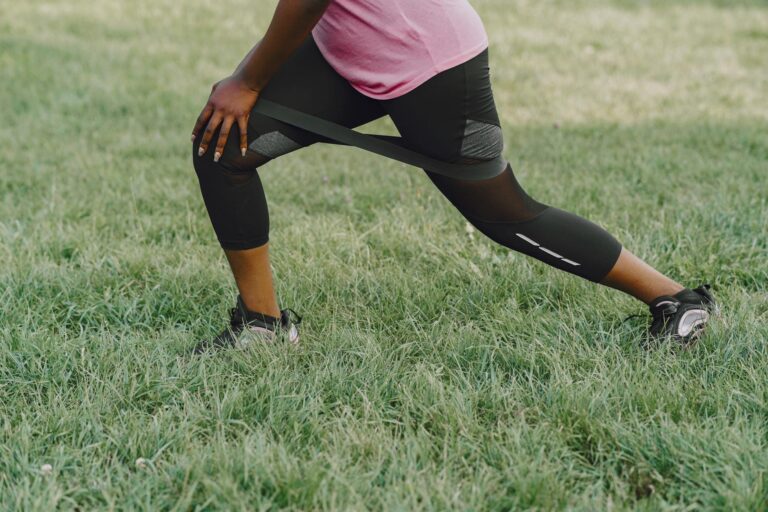
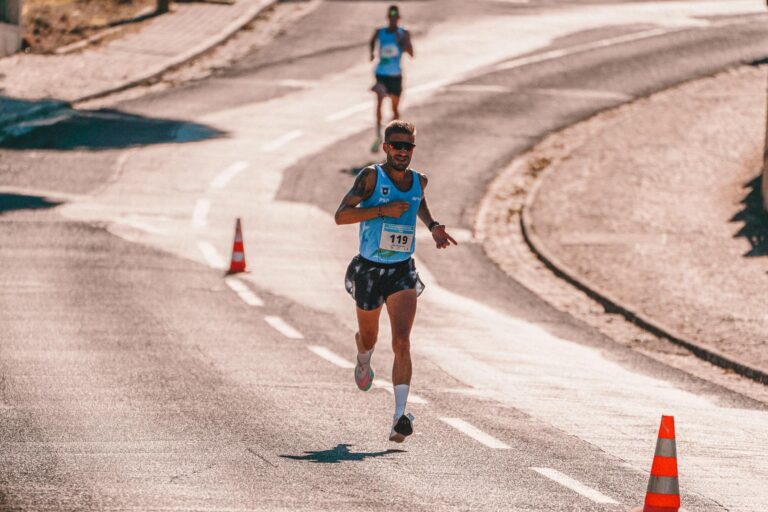
Understanding how to train for your first 5k is essential for anyone interested in running and cardiovascular fitness. This comprehensive guide covers everything you need to know, from basic concepts to advanced strategies. By the end of this article, you’ll have the knowledge to make informed decisions and take effective action.
Table of Contents
- How Long Does It Take to Train for a First 5K?
- Understanding the Run/Walk Method for Beginners
- Why Rest Days Matter More Than You Think
- Choosing the Right 5K Training Program
- The Most Common First 5K Training Mistakes
- What Gear Do You Actually Need?
- What to Expect on Race Day
- Conclusion
How Long Does It Take to Train for a First 5K?
The training timeline for a first 5K typically ranges from 4 to 10 weeks, though some programs extend to 12 weeks for those starting with minimal fitness. Mayo Clinic recommends a 7-week training schedule for beginners, while HOKA’s beginner plan runs 6 weeks with 3 running days per week plus cross-training. Hal Higdon’s Novice 5K program spans 8 weeks and is designed specifically for complete beginners who have never followed a structured running plan. Your individual timeline depends on honest assessment of your starting point. If you can currently walk briskly for 30 minutes without discomfort, a 6 to 8-week program is reasonable.
If climbing a flight of stairs leaves you winded, the 12-week None to Run program provides a gentler progression. The None to Run approach includes 3 run-walk workouts and 2 strength and mobility workouts per week, addressing the full-body conditioning that running demands rather than just cardiovascular capacity. However, if you have been completely sedentary for years or have underlying health conditions, even 12 weeks might feel rushed. There is no shame in repeating weeks within a program or extending your timeline. Physiological adaptations typically take 4 to 6 weeks before running starts feeling noticeably easier, so patience during the early weeks pays dividends later. Rushing the process is the fastest path to injury and discouragement.

Understanding the Run/Walk Method for Beginners
The run/walk method has become the gold standard for beginner 5K training because it allows new runners to accumulate more total running time than continuous running would permit. By interspersing walking breaks, your heart rate recovers partially, your leg muscles get brief relief, and you can extend your workout without the accumulated fatigue that leads to form breakdown and injury. A practical example illustrates the math: a beginner attempting to run continuously might manage 5 minutes before exhaustion forces them to stop. using run/walk intervals of 30 seconds running and 2 minutes walking, that same beginner might complete a 20-minute workout that includes 4 to 5 minutes of actual running spread across multiple intervals.
Over weeks, the running intervals lengthen and walking intervals shorten until continuous running becomes sustainable. The psychological benefit matters equally. Knowing a walking break is coming in 30 seconds makes each running interval manageable. This removes the mental barrier of “I have to run for 30 minutes straight,” which defeats many beginners before they start. Programs like Couch to 5K from Runner’s World and the Nike Run Club app build their entire structure around this progressive interval approach.
Why Rest Days Matter More Than You Think
Rest days are not optional padding in a training schedule. They are when your body actually builds the fitness you are working toward. During running, you create microscopic damage to muscle fibers and deplete energy stores. During rest, your muscles rebuild stronger and your cardiovascular system adapts to handle greater demands. Skip rest days consistently, and you interrupt this adaptation cycle. Most beginner 5K programs include 4 rest days per week, with running scheduled only 3 days.
HOKA’s beginner plan follows this pattern, adding cross-training on some non-running days to build fitness without the impact stress of running. Cross-training options like swimming, cycling, or even walking provide cardiovascular stimulus while giving running-specific muscles and connective tissues time to recover. The limitation here is that rest days only work if you actually rest. New runners sometimes feel guilty about “not doing enough” and add extra workouts, undermining their recovery. Others use rest days for activities like hiking or recreational sports that stress the same muscles running does. If you are following a 3-day-per-week running program, those other 4 days should involve genuinely different movement patterns or complete rest. The exception would be light stretching or mobility work, which supports recovery rather than adding training stress.

Choosing the Right 5K Training Program
With multiple proven programs available, selecting the right one comes down to matching your current fitness level and schedule constraints. Hal Higdon’s Novice 5K program works well for complete beginners who can commit to 8 weeks and want a straightforward progression. The None to Run program suits those starting from true sedentary status, providing 12 weeks and including strength work that other programs lack. Mayo Clinic’s 7-week schedule offers a middle ground for those with modest baseline fitness. The comparison worth considering is between standalone running programs and app-based coaching. The Nike Run Club app provides audio-guided runs that tell you when to speed up, slow down, or take walking breaks.
This real-time coaching helps runners who struggle with pacing themselves. Traditional programs from Hal Higdon or Runner’s World provide the schedule but require you to manage your own intervals using a watch or phone timer. A tradeoff exists between program length and intensity. Shorter programs condense the same fitness adaptations into fewer weeks, meaning each week’s jump in difficulty is larger. Longer programs progress more gently but require sustained commitment over three months. If you have historically struggled with consistency, a shorter program might suit your psychology better, even if the day-to-day work feels slightly harder.
The Most Common First 5K Training Mistakes
Running too fast during training undermines more beginners than any other mistake. The principle of “conversational pace” exists because it works: you should be able to speak in complete sentences while running. If you are gasping for breath, you are running faster than necessary for building aerobic fitness, and you are dramatically increasing injury risk. Most beginners run their easy days too hard, which leaves them too fatigued to run their hard days properly. Skipping the investment in proper running shoes ranks second among common errors. Running in worn-out sneakers, cross-trainers, or fashion shoes places abnormal stress on joints and soft tissues. A visit to a specialty running store for a gait analysis and proper fitting costs more than grabbing shoes off a discount rack, but it prevents the far greater cost of injury-induced training interruption.
If budget constraints are real, prioritize shoes over every other piece of running gear. The warning here involves perfectionism about training plans. Consistency matters more than perfection. Completing 90% of your training plan consistently will still produce results. Missing a single workout does not ruin your preparation. However, this cuts both ways: you cannot miss 50% of your workouts and expect the same outcome. The goal is showing up for most of your scheduled runs, not achieving flawless adherence while burning out mentally.
What Gear Do You Actually Need?
Beyond proper running shoes, the gear requirements for 5K training are minimal. Moisture-wicking clothing prevents chafing better than cotton, but you can start training in whatever athletic wear you already own. A basic digital watch or smartphone app to time your intervals serves the purpose.
A water bottle matters for post-run hydration but is unnecessary during runs under 45 minutes for most people in moderate weather. For example, a reasonable starter kit includes one pair of proper running shoes from a specialty store, two to three moisture-wicking shirts, running shorts or tights depending on weather, and a free app like Nike Run Club for tracking workouts. Total investment beyond the shoes might be under fifty dollars if you shop sales. Everything else, from GPS watches to specialized socks, represents nice-to-have items that you can add once running becomes a sustained habit.
What to Expect on Race Day
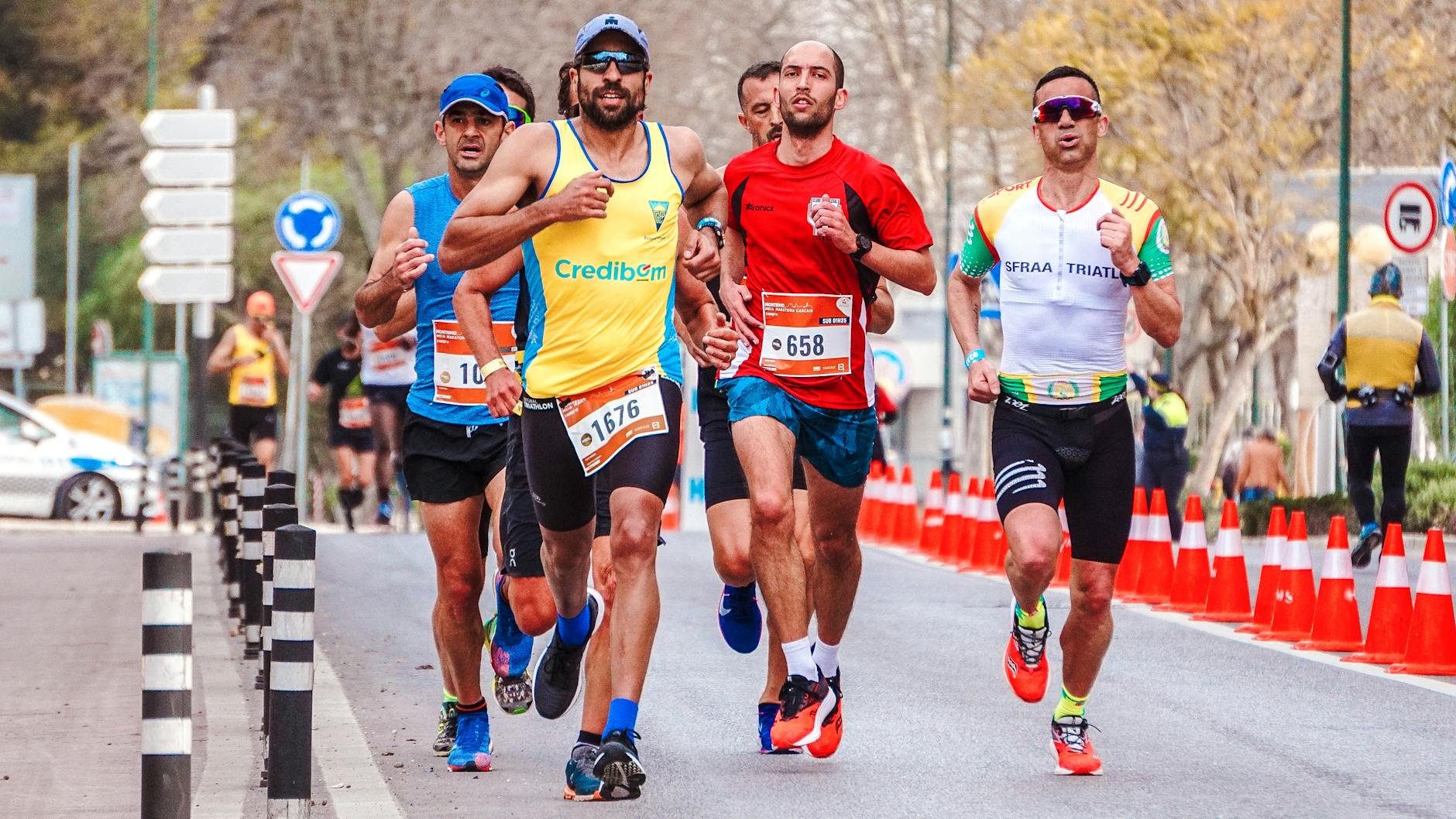
Your first 5K race will feel different from training runs, and knowing this in advance helps you manage the experience. The adrenaline of a crowd and starting line means you will want to run faster than your training pace. Resist this urge for at least the first mile, or you risk burning out before the finish. Many first-time racers describe the first kilometer as feeling unusually easy, then struggling by kilometer three because they started too fast.
Arrive early enough to use the bathroom, collect your race bib, and warm up with five to ten minutes of walking or light jogging. Position yourself toward the back of the starting pack to avoid getting swept up in faster runners’ pace. Your goal for a first 5K is finishing, not setting a time record. That accomplishment alone puts you ahead of the majority of adults who never attempt organized running at all.
Conclusion
Training for your first 5K comes down to consistent execution of a gradual progression from run/walk intervals to sustained running over 4 to 12 weeks. The specific program matters less than matching the timeline to your starting fitness, respecting rest days, running at conversational pace, and wearing proper shoes. Every successful 5K runner started exactly where you are now, unsure whether they could cover the distance.
Your next step is selecting a program that fits your schedule and beginning week one. The physiological adaptations that make running feel easier typically emerge around weeks 4 to 6, so commit to getting past that initial period before judging whether running suits you. The finish line of your first 5K represents the beginning of what running can offer, not the culmination of it.