Building a sustainable cardio routine as you age comes down to one foundational principle: prioritize consistency over intensity. The research is clear that moderate physical activity””walking, gardening, dancing, even pickleball””reduces cardiovascular mortality more effectively than very high levels of vigorous exercise. For adults 65 and older, the CDC recommends at least 150 minutes of moderate-intensity aerobic activity per week, which breaks down to about 30 minutes a day, five days a week. That’s the baseline. But here’s what makes it sustainable: working primarily in Zone 2, which is 60-70% of your maximum heart rate, builds your aerobic foundation without breaking you down. A 68-year-old former marathoner I know now walks four miles every morning at a pace that lets her hold a conversation. She’s been doing it for six years without injury, and her resting heart rate rivals athletes half her age.
This approach matters more than ever. Adults 65 and older are projected to reach 1.5 billion globally by 2050, doubling current numbers, while those 80 and older will triple to 426 million. The ICFSR Global Consensus published in January 2025 confirmed what exercise physiologists have long suspected: physical activity influences the cellular and molecular drivers of biological aging itself, functioning as both preventive medicine and therapeutic intervention. Cardiovascular disease claimed 919,032 lives in 2023 alone””one in three deaths in the United States””at a cost of $417.9 billion between 2020 and 2021. The stakes couldn’t be higher, but the solution is remarkably accessible. This article covers the specific heart rate zones you should target at different ages, how to structure your weekly routine for maximum benefit, which activities offer the best return on investment for aging bodies, and how to recognize when you’re doing too much or too little. We’ll also address medication considerations, recovery requirements, and the emerging science on multicomponent training that combines cardio with strength, balance, and cognitive challenges.
Table of Contents
- What Heart Rate Zones Should You Target as You Age?
- The Weekly Structure That Delivers Long-Term Results
- Why Daily Steps Matter More Than You Think
- Choosing the Right Activities for Aging Joints and Hearts
- When More Isn’t Better: Recognizing Overtraining
- Building Social Connection Into Your Cardio Routine
- The Future of Aging and Cardiovascular Fitness
- Conclusion
What Heart Rate Zones Should You Target as You Age?
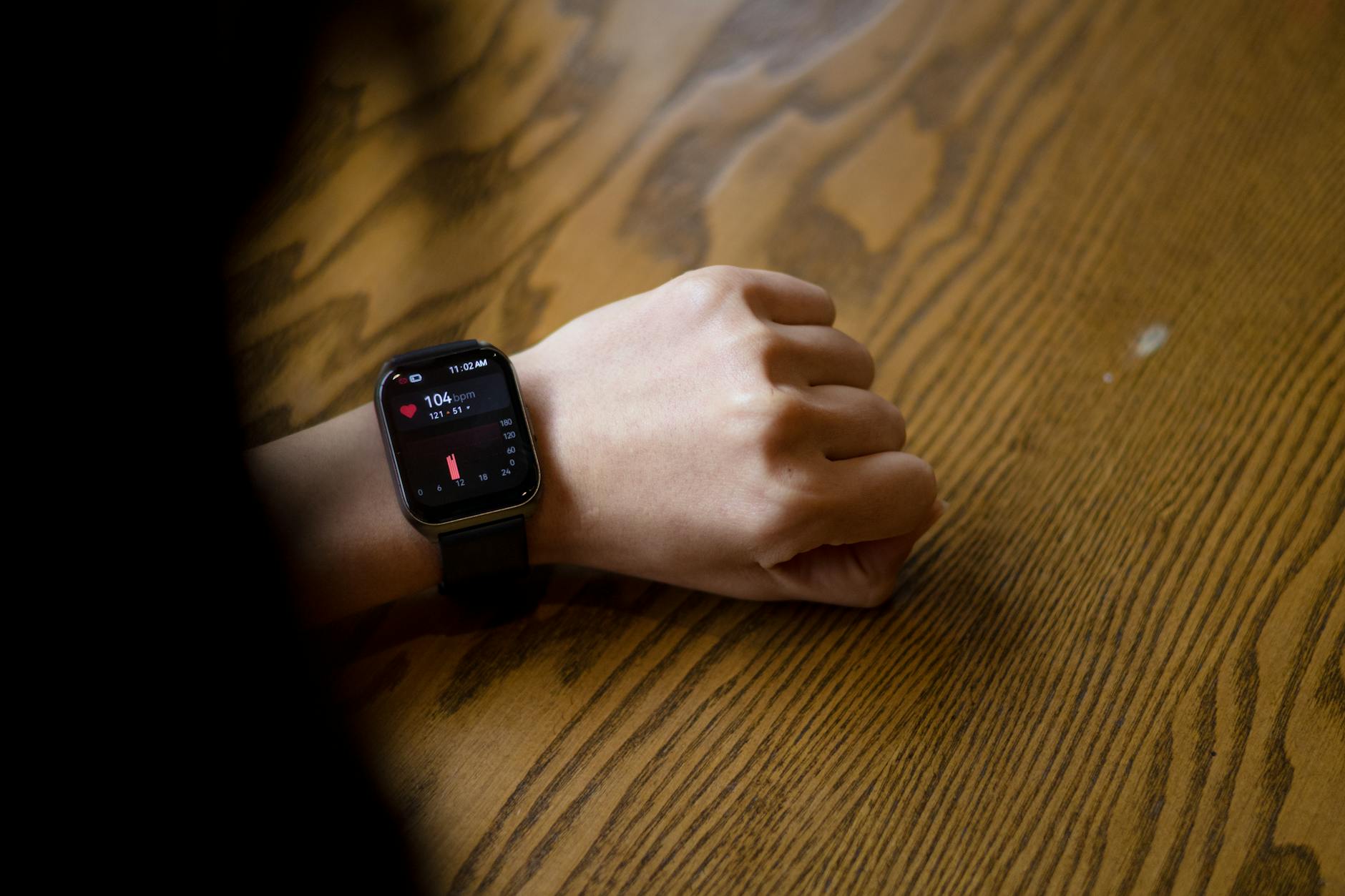
Understanding your target heart rate zones is essential for training effectively without overexertion. The standard formula””220 minus your age””gives you an estimated maximum heart rate. From there, moderate intensity falls between 50-70% of that maximum, while vigorous intensity ranges from 70-85%. For a 65-year-old, this translates to a target zone of 78-132 beats per minute. At 70 and beyond, that window narrows slightly to 75-128 bpm. These aren’t arbitrary numbers; they represent the physiological sweet spot where you’re challenging your cardiovascular system enough to trigger adaptation without crossing into territory that increases injury risk or requires excessive recovery. Zone 2 training deserves particular attention for aging adults. This zone””60-70% of maximum heart rate””feels like a sustainable pace where you could maintain a conversation but might be slightly breathless.
For most people over 60, this means brisk walking, easy cycling, or working on an elliptical machine. Zone 2 builds your aerobic base, strengthens heart muscle, and improves how efficiently your body utilizes oxygen. The comparison to higher-intensity work is instructive: while interval training has its place, research consistently shows that the aerobic adaptations from Zone 2 training form the foundation that makes everything else possible. However, if you take medications that affect heart rate””beta blockers are the most common example””these formulas may not apply to you. Beta blockers artificially suppress heart rate, meaning you could be working at high intensity while your heart rate stays deceptively low. In these cases, the rate of perceived exertion becomes your primary guide. On a scale of 1-10, moderate intensity should feel like a 5-6: noticeable effort, elevated breathing, but sustainable. Always consult your physician for personalized targets, especially if you’re managing hypertension, arrhythmias, or other cardiac conditions.
The Weekly Structure That Delivers Long-Term Results
The 150-minute weekly recommendation isn’t just a public health talking point””it represents a threshold where meaningful cardiovascular protection begins. But research from the American Heart Association reveals that going beyond this baseline pays substantial dividends. People exercising two to four times the recommended amount showed 28-38% lower risk of cardiovascular death, compared to 22-25% lower risk for those just meeting guidelines. That doesn’t mean you should immediately double your volume. It means there’s a dose-response relationship, and gradual progression over months and years yields compounding benefits. A practical weekly structure might include five 30-minute sessions of moderate activity, with two of those sessions incorporating balance and strength work alongside the cardio component.
This multicomponent approach””combining strength, balance, cardio, and cognitive tasks””has emerged as one of the most significant fitness trends for 2026, with research showing it significantly enhances frailty markers and cognitive function. Monday might be a brisk 30-minute walk; Wednesday could combine 20 minutes on a stationary bike with 10 minutes of bodyweight exercises; Friday might feature a water aerobics class that naturally integrates multiple movement patterns. The limitation here involves individual recovery capacity. While younger adults might train the same muscle groups on consecutive days, aging bodies require at least 48 hours between working the same muscle group. This isn’t weakness; it’s biology. Muscle protein synthesis slows with age, and the inflammatory response to exercise takes longer to resolve. Planning your week with adequate recovery built in isn’t optional””it’s what makes the routine sustainable over years rather than weeks.
Why Daily Steps Matter More Than You Think
Step counting has sometimes been dismissed as oversimplified, but recent research validates its utility as a proxy for overall cardiovascular activity. Studies show that 6,000-9,000 steps per day is associated with 40-50% lower risk of cardiovascular disease in adults over 60. That’s a substantial protective effect from an intervention that requires no gym membership, no special equipment, and no technical skill. The range matters: you don’t need to hit 10,000 steps””a number that originated as a Japanese marketing campaign rather than scientific research””to achieve meaningful benefits. Consider a retired accountant who struggled with structured exercise programs. Gyms felt intimidating, classes seemed designed for fitter people, and running had become uncomfortable due to mild arthritis. But tracking steps transformed her relationship with movement.
She started at 3,000 daily steps and added 500 per month. Within a year, she was averaging 7,500 steps through a combination of morning walks, parking farther from stores, and taking the stairs when available. Her cardiologist noted improved blood pressure and cholesterol markers at her annual checkup. The practical advantage of step-focused activity is its flexibility. Steps accumulate throughout the day, accommodating the reality that not everyone can dedicate a 45-minute block to exercise. However, intensity still matters. A leisurely stroll through the grocery store counts differently than a brisk walk that elevates your heart rate. The goal is to accumulate steps while spending meaningful time in that moderate-intensity zone where your body is actually being challenged.

Choosing the Right Activities for Aging Joints and Hearts
Not all cardio is created equal when it comes to sustainability over decades. The activities that top the list for older adults share common characteristics: low impact, adjustable intensity, and social accessibility. Walking remains the gold standard””it requires no equipment beyond supportive shoes, can be done almost anywhere, and allows for precise intensity control. Water aerobics and swimming remove impact stress entirely while providing natural resistance. Stationary cycling protects knees while offering measurable, repeatable workouts. Dancing combines cardiovascular demand with cognitive challenge and social connection. The tradeoff between different activities often comes down to accessibility versus effectiveness.
Running, for instance, delivers exceptional cardiovascular benefits but imposes significant joint stress that many older adults cannot sustain. Swimming is remarkably joint-friendly but requires pool access, which creates barriers of cost, transportation, and scheduling. Chair exercises accommodate those with mobility limitations but may not elevate heart rate enough for optimal cardiovascular training. There’s no universally superior choice””only the activity you’ll actually do consistently. Programs labeled “low intensity,” “functional,” or “active aging” now attract more participants than those marketed as “senior fitness,” reflecting a shift in how the fitness industry approaches older adults. This rebranding isn’t merely cosmetic. These programs increasingly incorporate evidence-based multicomponent training rather than simple cardio-only approaches. When evaluating options, look for programs that integrate strength and balance work with cardiovascular training, as this combination produces better outcomes than any single modality alone.
When More Isn’t Better: Recognizing Overtraining
The enthusiasm that accompanies starting or intensifying an exercise program sometimes leads to the counterintuitive problem of doing too much. While exceeding the minimum guidelines provides additional benefits, there’s a point of diminishing returns””and eventually, a point where more exercise becomes counterproductive. Research indicates that moderate physical activity reduces cardiovascular mortality better than very high levels of vigorous activity. This doesn’t mean vigorous exercise is harmful, but it does suggest that the relationship between exercise volume and health benefits is not linear. Signs of overtraining in older adults can be subtle. Persistent fatigue that doesn’t resolve with rest, declining performance despite consistent training, disrupted sleep, increased resting heart rate, and unusual irritability all warrant attention.
Joint pain that persists beyond normal post-exercise soreness””particularly in knees, hips, and shoulders””suggests accumulated stress that requires backing off rather than pushing through. The recovery capacity that allowed a 30-year-old to train hard on consecutive days simply doesn’t exist for most people over 60. The limitation worth noting: individual variation in recovery capacity is enormous. Some 70-year-olds handle training loads that would break down certain 50-year-olds, and genetics, training history, sleep quality, nutrition, and stress all play roles. Self-monitoring becomes essential. Keep a simple log noting energy levels, sleep quality, and any persistent discomfort. When patterns suggest you’re not recovering adequately, the solution is almost always more rest rather than more effort.

Building Social Connection Into Your Cardio Routine
Exercise adherence rates for solo activities lag significantly behind those for social or group-based programs. This isn’t surprising””humans are social creatures, and accountability to others often exceeds accountability to ourselves. Joining a walking group, attending regular water aerobics classes, or finding a pickleball partner transforms exercise from an obligation into an appointment. The cardiovascular benefits remain the same, but the psychological infrastructure supporting consistency improves dramatically.
Consider the explosion of pickleball popularity among adults over 50. The sport combines moderate cardiovascular demand with skill development, social interaction, and genuine fun. It’s low-impact enough to be sustainable but engaging enough to not feel like exercise. The community that forms around regular play creates external motivation that persists even when internal motivation falters. Similar dynamics exist in cycling clubs, mall walking groups, and master’s swimming programs.
The Future of Aging and Cardiovascular Fitness
The science of exercise and aging is advancing rapidly, with the January 2025 ICFSR Global Consensus representing a landmark acknowledgment that physical activity influences aging at the cellular and molecular level. This isn’t about merely managing decline””exercise appears to actually slow biological aging processes. As the population of adults over 80 triples to 426 million by 2050, understanding and applying these principles becomes increasingly urgent both individually and societally.
Emerging trends point toward more integrated approaches. The fitness industry is recognizing that isolated cardio training is less effective than programs combining cardiovascular, strength, balance, and cognitive components. Technology increasingly enables personalized monitoring and program design. What remains constant is the fundamental prescription: consistent, moderate-intensity movement, prioritizing sustainability over intensity, with adequate recovery built into every week.
Conclusion
Building a sustainable cardio routine as you age requires respecting your body’s changing recovery needs while maintaining enough challenge to drive adaptation. The research supports a clear approach: aim for at least 150 minutes of moderate-intensity activity weekly, work primarily in Zone 2 (60-70% of maximum heart rate), choose low-impact activities that you genuinely enjoy, and build in 48 hours of recovery between sessions that stress the same muscle groups. Going beyond the minimum guidelines””up to two to four times the recommended amount””provides additional cardiovascular protection, but the relationship between more exercise and better outcomes has limits. Your next step is straightforward: assess your current activity level honestly, then make a sustainable adjustment.
If you’re currently sedentary, start with 10-minute walks and build gradually. If you’re already active, consider whether your intensity distribution is optimal””most aging adults benefit from more Zone 2 work and less high-intensity effort. Consult your physician about target heart rates, especially if you take medications affecting cardiac function. Then choose activities you’ll actually do, find people to do them with, and commit to consistency over heroism.