The shoe features that matter most after 5 miles on a treadmill become strikingly apparent once the initial comfort of fresh legs fades and your footwear’s true capabilities””or limitations””reveal themselves. That first mile might feel fine in almost any running shoe, but somewhere between miles three and five, the cumulative stress of repetitive impact, heat buildup, and subtle biomechanical inefficiencies starts to compound. What felt like adequate cushioning at the start can transform into a flat, unresponsive platform. What seemed like sufficient breathability becomes a swamp of trapped moisture. The treadmill, with its consistent surface and zero terrain variation, actually amplifies these issues by demanding the exact same motion pattern thousands of times in succession. Treadmill running presents a unique challenge for footwear because the belt’s mechanical assistance slightly alters running gait compared to overground running.
Studies have shown that treadmill runners tend to have a marginally shorter stride length and higher cadence, which changes how force distributes through the shoe. The belt’s cushioned surface also means that shoes don’t need to compensate for as much ground hardness, but this doesn’t reduce the importance of internal shoe cushioning for protecting joints and muscles during extended sessions. After five miles, runners have typically completed somewhere between 7,000 and 10,000 individual foot strikes, each one testing the shoe’s ability to absorb shock, return energy, maintain structural integrity, and manage the thermal environment inside. This article examines the specific shoe characteristics that separate adequate short-run footwear from genuine long-distance treadmill performers. Readers will learn why midsole foam composition matters more than stack height for sustained cushioning, how upper construction directly affects blister formation during extended runs, why heel counter rigidity becomes increasingly important as fatigue sets in, and which outsole patterns provide optimal traction on moving belt surfaces. The goal is to provide runners with concrete, technical knowledge that translates directly into better shoe selection and more comfortable, productive treadmill sessions beyond that critical five-mile threshold.
Table of Contents
- What Shoe Features Break Down First After 5 Miles on a Treadmill?
- Why Midsole Cushioning Technology Determines Long-Run Treadmill Comfort
- How Breathability and Upper Construction Affect Treadmill Running Performance
- Selecting the Right Outsole Pattern for Optimal Treadmill Belt Traction
- Why Heel Counter Stability Becomes Critical During Extended Treadmill Sessions
- The Role of Shoe Weight and Stack Height in Treadmill Running Economy
- How to Prepare
- How to Apply This
- Expert Tips
- Conclusion
- Frequently Asked Questions
What Shoe Features Break Down First After 5 Miles on a Treadmill?
Understanding which shoe components fatigue fastest during extended treadmill running helps runners identify potential problems before they manifest as discomfort or injury. Midsole foam compression represents the most significant degradation that occurs during a single long run. EVA foam, the traditional cushioning material found in budget to mid-range running shoes, loses approximately 15 to 20 percent of its shock absorption capacity after just 30 to 45 minutes of continuous running. This happens because the cellular structure of the foam literally compresses under repeated loading, and the cells don’t fully recover until the shoe rests for several hours. Premium foams like Nike’s ZoomX, Adidas’s Lightstrike Pro, and Saucony’s PWRRUN PB maintain their properties significantly longer, but even these materials experience some degree of temporary compression set during extended efforts. The upper’s moisture management system typically fails next in the hierarchy of component breakdown. As sweat accumulates and the ambient temperature inside the shoe rises””treadmill running in climate-controlled gyms often produces foot temperatures exceeding 95 degrees Fahrenheit””the upper’s ability to wick moisture away from the skin diminishes.
Synthetic mesh materials can become saturated, and once saturation occurs, the evaporative cooling effect stops entirely. This creates a feedback loop where increased moisture leads to increased friction, which generates additional heat, which produces more sweat. Runners often notice this as a sudden onset of hot spots or a general feeling of squishiness inside the shoe around the 35 to 45-minute mark. Structural support elements also degrade during extended runs, though this happens more through functional failure than material breakdown. The heel counter””the rigid or semi-rigid cup that wraps around the back of the heel””relies on the shoe’s overall tension system to maintain its position. As the upper stretches slightly from heat and moisture, and as laces gradually loosen from repeated flexion, the heel counter’s ability to lock the foot in place diminishes. This manifests as subtle heel slippage that compounds over time, forcing the runner’s foot to work harder to maintain stability with each stride. Treadmill running exacerbates this because the consistent surface means there’s no variation in foot placement that might temporarily relieve pressure on the support system.
- Midsole foam compression reduces shock absorption by 15-20% in standard EVA after 30-45 minutes
- Upper saturation occurs when internal shoe temperature exceeds the material’s moisture transport capacity
- Heel counter effectiveness decreases as the overall tension system loosens from heat and movement

Why Midsole Cushioning Technology Determines Long-Run Treadmill Comfort
The midsole constitutes approximately 70 percent of what determines running shoe comfort during extended sessions, making foam technology the single most important specification for treadmill runners who regularly exceed five miles. Different foam formulations behave dramatically differently under sustained load, and understanding these differences enables much smarter purchasing decisions. Traditional EVA (ethylene-vinyl acetate) foam offers decent initial cushioning at low cost but suffers from poor energy return””typically around 50 to 55 percent””meaning nearly half the energy your leg puts into compressing the foam is lost as heat rather than returned as propulsion. This energy loss compounds over thousands of foot strikes, contributing to both physical fatigue and the perception of “dead” shoes. Newer foam technologies have dramatically improved this equation. TPU-based foams like Adidas Boost and various Pebax-based super foams (Nike ZoomX, Saucony PWRRUN PB, New Balance FuelCell) achieve energy return rates between 65 and 87 percent. This difference might seem marginal on paper, but over a five-mile run comprising roughly 8,000 steps, the cumulative energy savings translate to measurably reduced muscular effort.
Research from the University of Colorado’s Locomotion Lab demonstrated that a 1 percent improvement in running economy””which these foam technologies can provide””corresponds to roughly a 1 percent improvement in performance. For a 45-minute five-mile run, that’s approximately 27 seconds of equivalent effort saved. Beyond energy return, foam resilience””the ability to recover its original shape between compressions””determines how consistent the cushioning feels from mile one to mile five and beyond. Low-resilience foams progressively flatten during a run, which runners perceive as the shoe “dying” beneath them. High-resilience foams maintain a more consistent feel throughout. Treadmill runners should also consider foam density relative to their body weight. Lighter runners can use softer, more compliant foams without bottoming out, while heavier runners need denser formulations to prevent the foam from compressing completely, which would eliminate the cushioning benefit entirely. Most manufacturers design their standard models for runners between 140 and 180 pounds, so those outside this range should seek out weight-specific recommendations or test shoes carefully before committing.
- EVA foam returns only 50-55% of impact energy while premium foams achieve 65-87% return
- Energy savings from superior foam compound across 8,000+ footstrikes in a typical five-mile run
- Foam density must match runner body weight to prevent bottoming out during extended efforts
How Breathability and Upper Construction Affect Treadmill Running Performance
The upper””everything above the midsole that wraps around the foot””plays a crucial role in long-run comfort that many runners underestimate until they experience the consequences of poor ventilation firsthand. Treadmill running creates particularly challenging conditions for upper performance because indoor environments typically lack the airflow that outdoor running naturally provides. When running outside, even at modest speeds, the relative wind across the shoe’s upper facilitates evaporative cooling. On a treadmill, the air around the shoe remains essentially static, meaning the upper must work much harder to manage heat and moisture through material properties alone rather than assisted airflow. Modern running shoe uppers use engineered mesh constructions that vary dramatically in their ventilation capabilities. Single-layer, large-aperture mesh provides maximum breathability but sacrifices structural support and durability. Multi-layer mesh with smaller apertures offers better support but reduces airflow.
Premium treadmill-appropriate shoes often use strategically zoned uppers that place maximum ventilation over the toes and forefoot””where heat generation is highest””while using denser materials around the midfoot and heel where support matters more than cooling. Some manufacturers publish permeability ratings for their uppers, though this data remains inconsistent across the industry. As a practical test, holding a shoe up to a light source reveals how open the mesh construction actually is. The upper’s interface with the foot also affects blister formation during extended runs. Seams, overlays, and internal finishing details that go unnoticed during short runs can create friction points that develop into hot spots and eventually blisters as moisture accumulates. Seamless or minimal-seam constructions reduce this risk significantly. The tongue design matters as well””gusseted tongues that attach to the upper along their edges stay centered and don’t bunch up during longer efforts, while traditional floating tongues can migrate laterally and create pressure points. For treadmill runners who frequently exceed five miles, these construction details differentiate shoes that finish strong from those that become uncomfortable liabilities.
- Static air conditions on treadmills demand uppers with superior inherent ventilation properties
- Zoned mesh construction balances breathability in high-heat areas with support where needed
- Seamless construction and gusseted tongues prevent friction-related problems during extended runs

Selecting the Right Outsole Pattern for Optimal Treadmill Belt Traction
Outsole design receives less attention than cushioning and uppers in treadmill shoe discussions, but the rubber interface between shoe and belt significantly affects running efficiency and safety during long sessions. Treadmill belts present a unique traction challenge””their textured surface provides generally good grip, but the belt’s movement creates different friction dynamics than static ground. The shoe must grip enough to prevent slippage during toe-off but release cleanly during the swing phase. Aggressive trail-running lugs actually perform poorly on treadmills because they can catch on the belt texture, while completely smooth outsoles may slip during quick speed changes or incline adjustments. The ideal treadmill outsole features shallow, multi-directional tread patterns with relatively high rubber surface contact area. This configuration provides consistent grip without excessive belt interaction. Rubber compound matters too””softer rubber offers better grip but wears faster, while harder compounds last longer but may feel slippery on belt surfaces, especially when both the outsole and belt become warm from friction.
Many road running shoes strike a reasonable balance, but shoes designed specifically for track workouts or racing often use outsole configurations optimized for treadmill-like surfaces. Outsole flexibility affects running economy over long distances. A stiff outsole requires more muscular effort to bend through the toe-off phase, which fatigues the foot over thousands of repetitions. However, too much flexibility can reduce the effectiveness of propulsion and allow excessive forefoot pronation. The flexibility sweet spot varies by running style and individual biomechanics, but most runners benefit from outsoles that flex naturally at the metatarsal heads””the ball of the foot””while maintaining stability elsewhere. Testing a shoe by manually bending it should reveal a flex point in this location. Shoes that flex closer to the midfoot or resist bending entirely may cause problems during extended treadmill sessions.
- Multi-directional shallow tread patterns provide optimal grip on moving belt surfaces
- Rubber compound hardness affects both grip quality and wear rate
- Outsole flex point should align with the metatarsal heads for natural toe-off mechanics
Why Heel Counter Stability Becomes Critical During Extended Treadmill Sessions
The heel counter””the semi-rigid structure embedded in the shoe’s rear””serves as the foundation for foot stability throughout the gait cycle, and its importance escalates dramatically as runs extend beyond five miles. During the first few miles, fresh muscles and ligaments actively stabilize the ankle and rearfoot, compensating for any deficiencies in the shoe’s heel counter. As fatigue accumulates, however, this active stabilization diminishes, and the heel counter must assume a larger role in maintaining proper foot position. A weak or overly flexible heel counter allows excessive rearfoot movement, which propagates up the kinetic chain and can stress the Achilles tendon, posterior tibialis, and even the knee. The treadmill environment actually increases demands on heel counter performance because the consistent surface eliminates the proprioceptive variation that outdoor running provides. When running outside, subtle terrain changes constantly shift loading patterns, giving stabilizing muscles brief micro-rests.
The treadmill’s uniformity means the same muscles work the same way continuously, accelerating fatigue and increasing reliance on passive shoe structures. Runners with any degree of rearfoot instability””overpronators or those with weak ankles””particularly benefit from firm, well-constructed heel counters for extended treadmill sessions. Evaluating heel counter quality requires physical manipulation of the shoe. Squeezing the heel cup between thumb and fingers should reveal significant resistance””the counter shouldn’t collapse easily under finger pressure. Looking inside the shoe at the heel area often reveals the counter’s actual construction, which may be a single rigid piece, a multi-part assembly, or in some minimalist shoes, no real counter at all. Shoes marketed as “flexible” or “natural motion” often sacrifice heel counter rigidity, which is fine for strong-footed runners doing short recovery jogs but problematic for anyone attempting longer treadmill efforts.
- Fatigued stabilizing muscles transfer stability demands to the heel counter’s passive support
- Treadmill uniformity accelerates stabilizer muscle fatigue compared to varied outdoor surfaces
- Physical squeeze test reveals heel counter rigidity””quality counters resist finger pressure significantly
The Role of Shoe Weight and Stack Height in Treadmill Running Economy
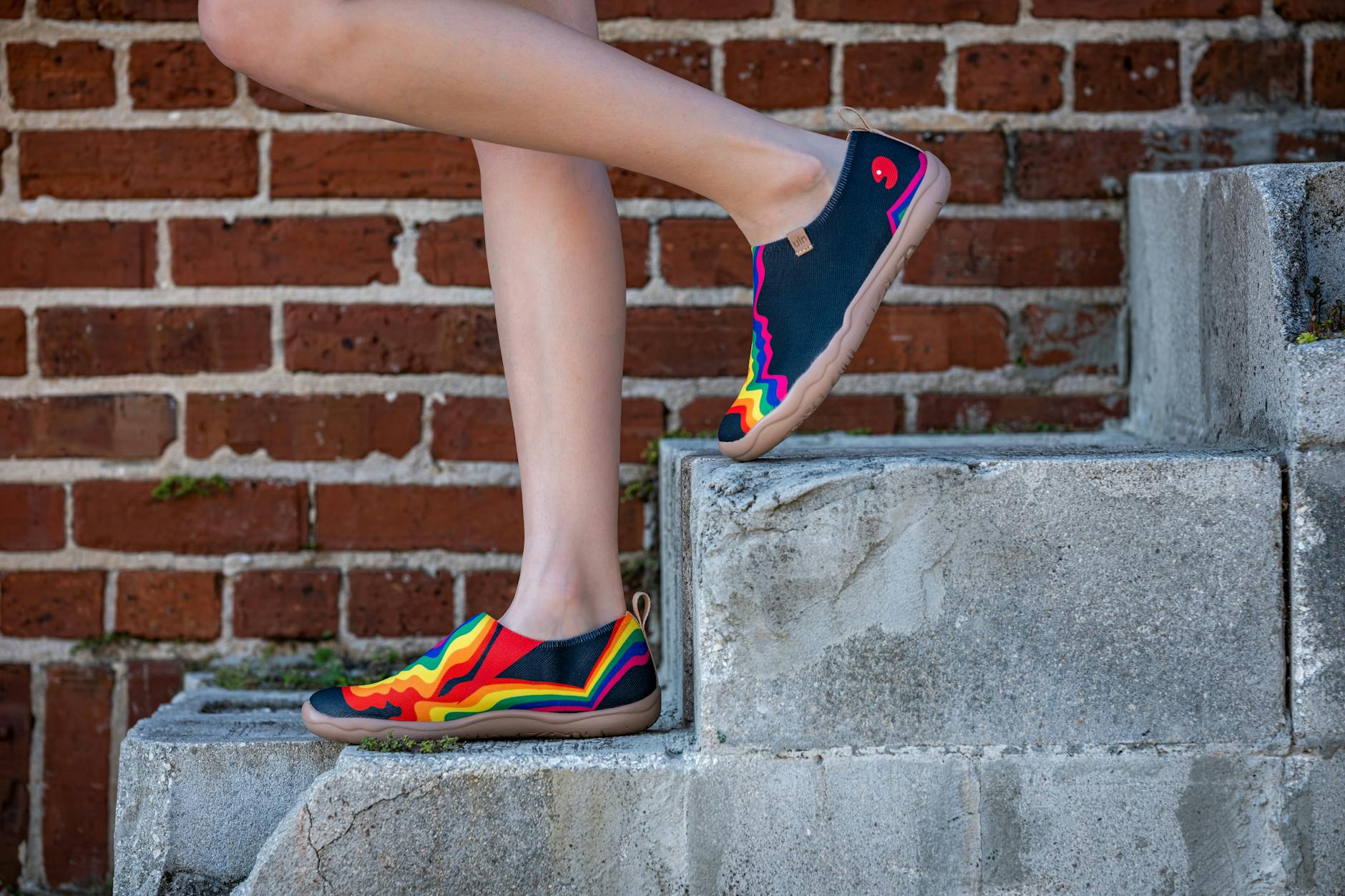
Shoe weight and stack height interact in complex ways that affect running economy during extended efforts, and understanding this relationship helps runners make informed tradeoffs. Every additional ounce of shoe weight requires measurably more energy to swing through the gait cycle. Research consistently demonstrates that a 100-gram (3.5-ounce) increase in shoe weight reduces running economy by approximately 1 percent. For a five-mile treadmill run, this translates to meaningful additional fatigue, though the relationship isn’t perfectly linear””some weight invested in additional cushioning or support may actually improve economy by reducing muscular work elsewhere. Stack height””the total thickness of material between foot and ground””determines both cushioning potential and stability characteristics. Higher stack heights allow for more midsole foam, which can improve shock absorption and energy return. However, they also raise the foot higher off the ground, increasing lever arm forces on the ankle and reducing proprioceptive feedback.
Most runners find optimal stack heights between 25 and 35 millimeters for treadmill running, providing substantial cushioning without excessive instability. The current trend toward maximalist shoes with stack heights exceeding 40 millimeters benefits some runners but requires adaptation and may not suit everyone, particularly those with ankle stability concerns. The heel-to-toe drop””the difference in stack height between heel and forefoot””also affects running mechanics and muscle loading patterns. Higher drops (10-12mm) encourage heel striking and reduce strain on the Achilles tendon and calf muscles. Lower drops (0-6mm) promote midfoot or forefoot striking patterns and engage the posterior chain differently. Neither approach is inherently superior; the best drop depends on individual running mechanics and adaptation history. Changing drop significantly when transitioning to a new treadmill shoe can cause calf and Achilles problems, so gradual adaptation is wise when making substantial changes.
How to Prepare
- **Research foam technology before shopping.** Understand which midsole foam the shoe uses and look up its energy return characteristics. EVA-based foams typically return 50-55% of energy, while premium foams like Pebax compounds return 70-85%. This single specification predicts cushioning maintenance during long runs better than any other factor.
- **Test heel counter rigidity in-store.** Physically squeeze the heel cup of any shoe you’re considering. If it collapses easily under moderate finger pressure, the counter won’t provide adequate stability as your muscles fatigue during extended efforts. Compare multiple shoes to develop a sense of relative rigidity.
- **Assess upper ventilation visually and tactilely.** Hold the shoe up to a light source””the amount of light visible through the mesh indicates ventilation potential. Feel the interior for seams, overlays, or rough spots that might cause friction during long runs. Check whether the tongue is gusseted or floating.
- **Examine outsole pattern and flexibility.** Look for shallow, multi-directional tread patterns rather than aggressive lugs or completely smooth surfaces. Bend the shoe to verify it flexes at the metatarsal head area rather than the midfoot, indicating appropriate flexibility for efficient toe-off mechanics.
- **Verify appropriate weight and stack height for your needs.** Weigh the shoe if possible or look up specifications. Most runners perform well with treadmill shoes between 8 and 11 ounces. Confirm stack height falls within your preferred range, keeping in mind that higher stacks provide more cushioning but less stability.
How to Apply This
- **Introduce new treadmill shoes gradually.** Even if your new shoes feel perfect, limit initial treadmill runs to 2-3 miles while your feet adapt to the specific cushioning, support, and fit characteristics. Increase distance by no more than 10-15% per run.
- **Rotate between two pairs for extended training.** Midsole foams need 24-48 hours to fully recover their cushioning properties after long runs. Maintaining two pairs of treadmill shoes and alternating between them ensures you always have fully recovered foam for demanding sessions.
- **Replace shoes based on midsole condition, not outsole wear.** The cushioning system typically degrades well before the outsole wears through. Most running shoes provide optimal performance for 300-500 miles, though premium foam technologies may maintain effectiveness slightly longer.
- **Adjust lacing technique for long-run security.** Use a runner’s loop (heel lock) lacing pattern to prevent heel slippage during extended efforts. This technique uses the extra lace holes near the ankle on most running shoes to create additional tension that keeps the heel secure.
Expert Tips
- Test shoes during your most fatigued state if possible. Try on potential purchases after a workout or later in the day when your feet have swollen to their maximum size. Shoes that feel good when you’re fresh may become tight or uncomfortable when feet expand during long treadmill runs.
- Pay attention to toe box dimensions beyond length. Many runners experience blackened toenails or numbness during long treadmill runs due to inadequate toe box width or height. Your toes should be able to spread and move freely even when the foot swells at mile five.
- Consider the shoe’s last shape relative to your foot shape. Running shoes are built on molds (lasts) that vary from straight to curved. Matching your natural foot shape to an appropriate last prevents compensation patterns that cause fatigue and discomfort during extended efforts.
- Track shoe mileage systematically. Use a running app or simple log to record miles on each pair of shoes. This data helps you recognize when cushioning degradation affects your runs and ensures you replace shoes before they compromise your training.
- Don’t rely solely on brand loyalty when performance matters. Shoe models change substantially between versions, and a company’s current iteration of your favorite shoe may perform differently than the previous version. Evaluate each shoe generation independently.
Conclusion
Selecting running shoes that maintain performance beyond five miles on a treadmill requires looking past surface features and marketing claims to understand how specific technologies behave under sustained load. The midsole foam composition, upper breathability, heel counter rigidity, outsole design, and overall construction quality all contribute to whether a shoe finishes a long run as comfortable and supportive as it started. Armed with knowledge about how each component functions and degrades, runners can evaluate shoes systematically rather than relying on initial impressions that may not predict long-run behavior.
The investment in properly selected treadmill footwear pays dividends across every long session. Shoes that maintain their cushioning, manage moisture effectively, and provide consistent support enable runners to focus on their training rather than fighting their equipment. The principles outlined here apply whether you’re logging base miles, working through structured intervals, or pushing through marathon-specific long runs on the treadmill. Take time to evaluate shoes against these criteria, test them progressively, and track their performance over time””your feet, joints, and overall running enjoyment will reflect the effort.
Frequently Asked Questions
How long does it typically take to see results?
Results vary depending on individual circumstances, but most people begin to see meaningful progress within 4-8 weeks of consistent effort. Patience and persistence are key factors in achieving lasting outcomes.
Is this approach suitable for beginners?
Yes, this approach works well for beginners when implemented gradually. Starting with the fundamentals and building up over time leads to better long-term results than trying to do everything at once.
What are the most common mistakes to avoid?
The most common mistakes include rushing the process, skipping foundational steps, and failing to track progress. Taking a methodical approach and learning from both successes and setbacks leads to better outcomes.
How can I measure my progress effectively?
Set specific, measurable goals at the outset and track relevant metrics regularly. Keep a journal or log to document your journey, and periodically review your progress against your initial objectives.
When should I seek professional help?
Consider consulting a professional if you encounter persistent challenges, need specialized expertise, or want to accelerate your progress. Professional guidance can provide valuable insights and help you avoid costly mistakes.
What resources do you recommend for further learning?
Look for reputable sources in the field, including industry publications, expert blogs, and educational courses. Joining communities of practitioners can also provide valuable peer support and knowledge sharing.