
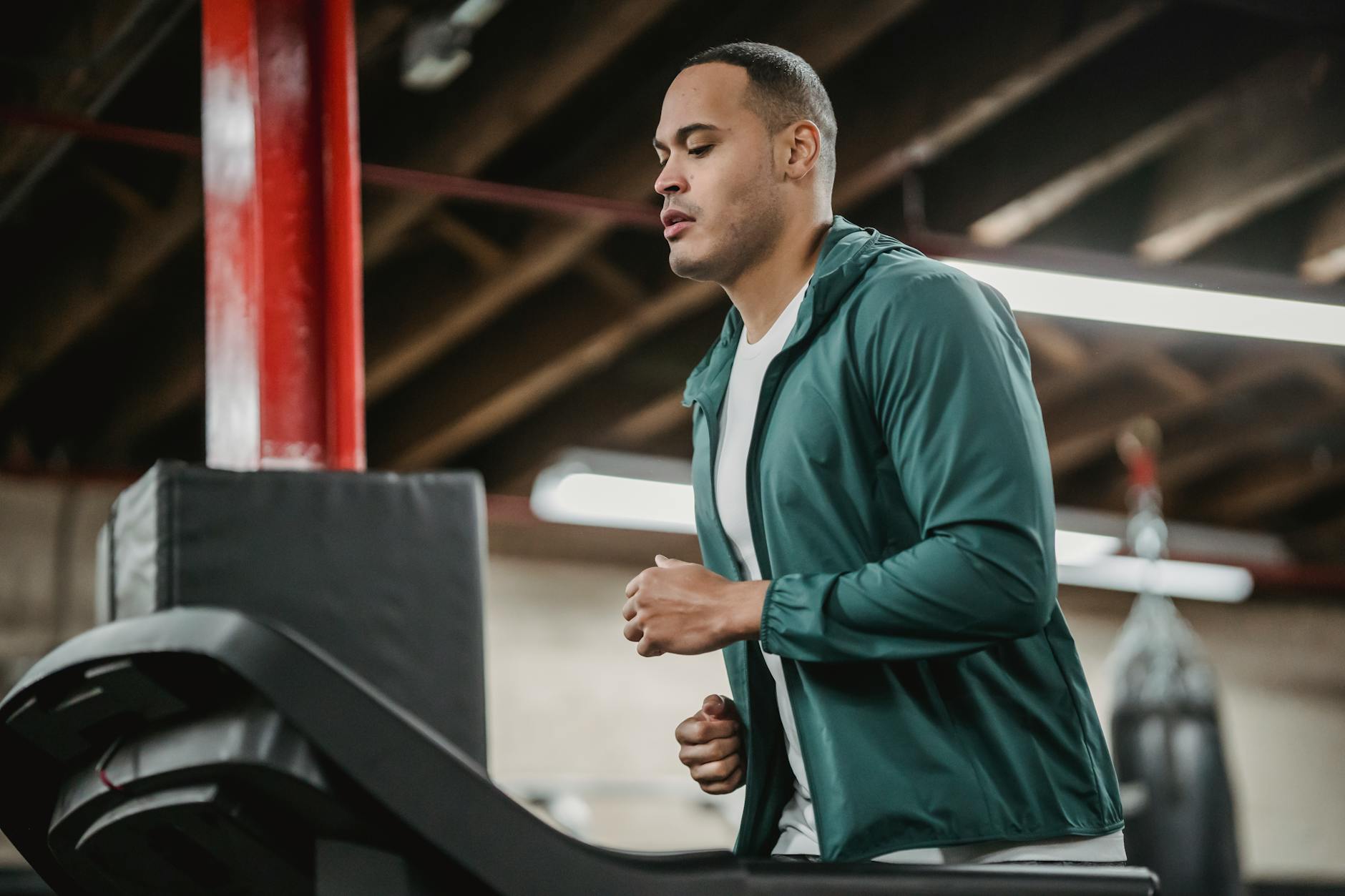
Finding the most supportive running shoes for treadmill beginners represents one of the most important decisions new runners face when starting their fitness journey. The treadmill offers a controlled environment that eliminates weather concerns, provides consistent surfaces, and allows precise pace monitoring, but these advantages mean nothing if foot pain, blisters, or joint discomfort force you to abandon your training after just a few sessions. The right footwear transforms treadmill running from a potentially discouraging experience into a sustainable habit that builds cardiovascular fitness over months and years. Many beginners make the mistake of grabbing any athletic shoe from their closet or purchasing based solely on appearance and price.
This approach frequently leads to preventable injuries, premature fatigue, and the frustrating conclusion that running simply is not for them. Treadmill running places specific demands on footwear that differ subtly from outdoor running, and supportive shoes designed for beginners address the unique biomechanical challenges that new runners face, including underdeveloped running muscles, inconsistent form, and the repetitive nature of belt-based running. This comprehensive guide examines what makes running shoes truly supportive for treadmill use, how to identify your specific support needs, and which features matter most when you are just starting out. By understanding cushioning systems, stability technologies, and proper fit principles, you will be equipped to select footwear that protects your body while you build the strength and technique that running demands. The goal is not just comfort during your first few runs, but sustainable training that allows gradual progression without setbacks.
Table of Contents
- What Makes Running Shoes Supportive for Treadmill Beginners?
- Understanding Pronation and Stability Needs for New Treadmill Runners
- Cushioning Technologies That Protect Beginner Runners on Treadmills
- How to Choose Supportive Running Shoes for Your First Treadmill Workouts
- Common Mistakes When Buying Supportive Treadmill Running Shoes
- Treadmill-Specific Considerations for Beginner Running Shoe Selection
- How to Prepare
- How to Apply This
- Expert Tips
- Conclusion
- Frequently Asked Questions
What Makes Running Shoes Supportive for Treadmill Beginners?
Support in treadmill-runs/” title=”Best Breathable Running Shoes for Indoor Treadmill Runs”>running shoes encompasses multiple interconnected systems working together to protect the foot, ankle, and lower leg during the repetitive impact of running. For treadmill beginners, support primarily means adequate cushioning to absorb shock, structural elements that prevent excessive foot movement, and a design that accommodates the specific mechanics of belt running. Unlike walking shoes or cross-trainers, running shoes are engineered specifically for the forward motion and heel-to-toe transition that running requires.
The treadmill surface, while softer than concrete or asphalt, still generates significant impact forces with each footstrike. Beginners typically land with greater force than experienced runners because they have not yet developed efficient running economy. Research from the American Council on Exercise indicates that novice runners experience up to 30 percent more ground reaction force per step compared to trained runners covering the same pace. Supportive shoes compensate for this inefficiency by providing enhanced midsole cushioning and energy return properties that reduce stress on joints and connective tissues.
- **Midsole cushioning** absorbs impact energy and distributes pressure across the entire foot rather than concentrating force at the heel or forefoot
- **Heel counter rigidity** prevents the rearfoot from collapsing inward or outward during the stance phase of each stride
- **Arch support systems** maintain proper foot alignment and reduce strain on the plantar fascia and Achilles tendon
- **Outsole flexibility** allows natural toe-off while maintaining structural integrity throughout the gait cycle
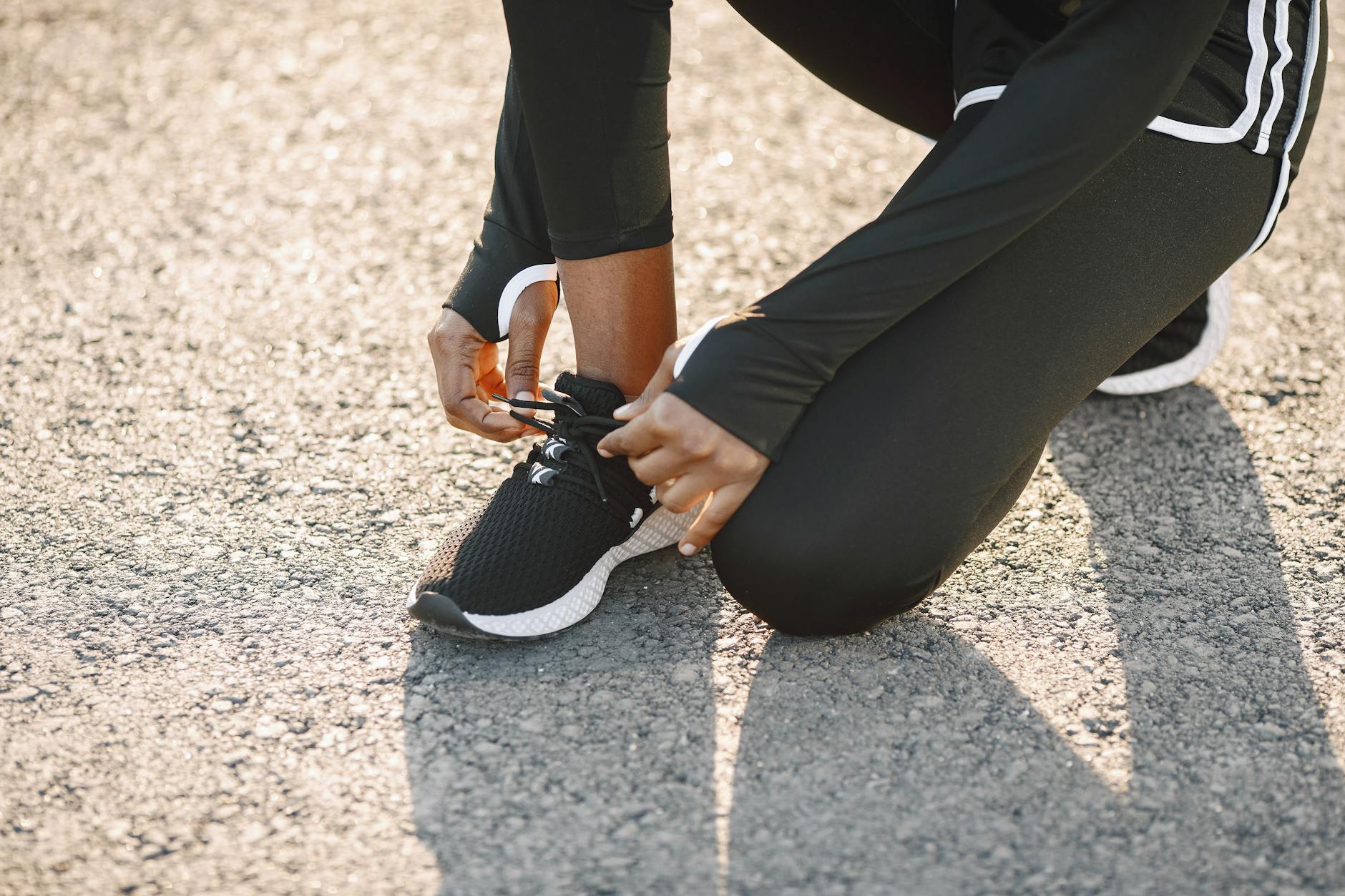
Understanding Pronation and Stability Needs for New Treadmill Runners
Pronation describes the natural inward rolling motion of the foot that occurs after initial ground contact during running. A certain amount of pronation is normal and beneficial, serving as the body’s primary shock absorption mechanism. Problems arise when pronation becomes excessive (overpronation) or insufficient (underpronation or supination), placing abnormal stress on muscles, tendons, and joints. For treadmill beginners, understanding personal pronation patterns is essential for selecting appropriately supportive footwear. Approximately 70 percent of runners exhibit some degree of overpronation, making stability shoes the most commonly recommended category for beginners.
Overpronation causes the arch to collapse more than optimal, rotating the lower leg inward and creating a chain reaction of misalignment that extends to the knee and hip. Stability shoes counter this tendency through medial post technology, which places firmer density foam on the inner side of the midsole to resist excessive inward rolling. Beginners with neutral pronation can typically wear neutral cushioned shoes, while the relatively rare underpronators benefit from highly cushioned neutral shoes without any motion control features. Getting a gait analysis at a specialty running store provides the most accurate assessment of pronation type. Many stores offer this service free of charge using pressure plates or video analysis. For those without access to professional analysis, the wet footprint test offers a reasonable approximation: wet your foot, step on a piece of paper, and examine whether your print shows a complete footprint (flat feet, likely overpronator), a moderate curve along the arch (neutral), or only the heel and ball with no connection (high arch, possible underpronator).
- **Overpronation indicators** include worn-down inner edges on old shoes, flat arches, and knee pain on the inside of the joint
- **Neutral pronation signs** show even wear patterns across the outsole and no significant arch collapse during standing
- **Underpronation characteristics** feature wear concentrated on the outer edge of shoes and high, rigid arches
Cushioning Technologies That Protect Beginner Runners on Treadmills
Modern running shoe cushioning has evolved dramatically from the simple foam inserts of previous decades. Major manufacturers now employ proprietary foam compounds, gel inserts, air chambers, and carbon-fiber plates to optimize energy return while minimizing impact transmission. For treadmill beginners, understanding these technologies helps in evaluating which shoes offer genuine support versus marketing claims without substance. Ethylene-vinyl acetate (EVA) foam remains the foundation of most running shoe midsoles, but brands have developed enhanced versions with superior properties. Nike’s ZoomX foam, derived from Pebax material, offers exceptional energy return of approximately 85 percent.
Adidas Boost technology uses thousands of thermoplastic polyurethane pellets that maintain cushioning properties across temperature ranges. Brooks DNA Loft combines EVA with rubber and air to create adaptive cushioning that responds to individual footstrike patterns. New Balance Fresh Foam uses a single-density compound with geometric patterns that create varying softness zones. For treadmill beginners, moderate cushioning with a heel-to-toe drop between 8 and 12 millimeters typically works well. Extremely high cushioning (maximalist shoes) can feel unstable for those still developing running form, while minimal cushioning fails to provide the protection that untrained muscles and tendons require. The treadmill belt itself contributes some cushioning, so beginners do not necessarily need the maximum cushioning they might choose for concrete running.
- **Stack height** measures the total thickness of material between foot and ground, with higher stacks providing more cushioning but potentially less ground feel and stability
- **Heel-to-toe drop** describes the difference in height between the rear and front of the shoe, affecting how weight transfers during the gait cycle
- **Energy return percentage** indicates how much impact force converts back into forward propulsion rather than being absorbed as heat

How to Choose Supportive Running Shoes for Your First Treadmill Workouts
Selecting the right supportive running shoes requires systematic evaluation of multiple factors beyond simple comfort during an in-store try-on. Proper sizing, width accommodation, and the relationship between shoe design and individual foot anatomy all determine whether a shoe will perform well during actual treadmill training. Taking time to assess these elements prevents costly mistakes and potential injuries. Shoe size for running should be approximately one half to one full size larger than dress shoe size. Feet swell during exercise, and the repetitive toe-off motion requires adequate room in the toe box to prevent blackened toenails and blisters. When trying shoes, ensure at least a thumb’s width of space between the longest toe and the end of the shoe.
Width matters equally: shoes that are too narrow cause bunions and neuromas, while excessive width allows the foot to slide and creates friction. Many running shoe models now come in multiple width options, including narrow, standard, wide, and extra-wide. The break-in period for modern running shoes is minimal compared to older designs. If a shoe feels uncomfortable immediately, it will likely remain uncomfortable. Do not assume that stiffness or pressure points will resolve with wear. Supportive shoes for beginners should feel secure without constriction, cushioned without instability, and natural without requiring any period of adaptation.
- **Try shoes in the afternoon** when feet are naturally more swollen, simulating exercise conditions
- **Wear the socks** you plan to use for treadmill running during the fitting
- **Walk and jog in the store** to assess heel slippage, arch support, and overall feel
- **Check the return policy** since some stores allow returns after treadmill use if the shoes do not work out
Common Mistakes When Buying Supportive Treadmill Running Shoes
Even well-intentioned beginners frequently make errors that undermine their footwear investment. Understanding these common pitfalls allows new runners to avoid the cycle of purchasing, disappointment, and repurchasing that derails many training programs before they gain momentum. Prioritizing appearance over function tops the list of beginner mistakes. Colorways and brand prestige mean nothing when shin splints or plantar fasciitis force extended rest periods. Similarly, bargain hunting for running shoes often backfires because deeply discounted models are typically discontinued for good reason, whether due to durability issues, comfort complaints, or replacement by superior designs.
While premium prices do not guarantee quality, running shoes from established brands in the 100 to 160 dollar range typically offer the best combination of support technology, materials, and construction quality. Another frequent error involves selecting shoes based on recommendations from experienced runners. A shoe that performs beautifully for someone with 20 years of running adaptation may be entirely wrong for a beginner’s needs. Experienced runners have stronger supporting muscles, more efficient mechanics, and established preferences that do not translate to novice requirements. Beginners generally need more support and cushioning, not less, regardless of what faster or more seasoned runners prefer.
- **Using shoes for multiple activities** accelerates breakdown and introduces wear patterns incompatible with running biomechanics
- **Keeping shoes too long** compromises support since midsole cushioning degrades significantly after 300 to 500 miles
- **Ignoring fit issues** such as heel slippage or toe crowding because the shoe otherwise seems acceptable
- **Choosing based on online reviews alone** without considering that reviewers have different feet, gaits, and preferences

Treadmill-Specific Considerations for Beginner Running Shoe Selection
While running shoes function similarly on treadmills and outdoor surfaces, certain factors deserve special attention for treadmill-focused beginners. The consistent, predictable nature of treadmill running creates both advantages and unique demands that influence optimal shoe selection. Treadmill belts generate heat through friction, and feet confined in running shoes experience elevated temperatures during longer sessions. Breathable upper materials become more important for treadmill use than outdoor running, where airflow from forward motion provides natural cooling. Mesh uppers with minimal overlays maximize ventilation without sacrificing structural support.
Additionally, treadmill running eliminates the need for aggressive outsole traction since the belt provides consistent grip. Shoes with simpler outsole patterns tend to run quieter on treadmills and may last longer since the rubber faces less abrasive wear than on pavement. The repetitive nature of treadmill running, where every step occurs at the same incline and surface angle, can expose support deficiencies that varied terrain might mask. A shoe that feels adequate during a 15-minute test run may reveal problems during a 45-minute treadmill session when fatigue accumulates and form deteriorates. This reality reinforces the importance of adequate cushioning and stability features for beginners who are simultaneously building fitness and adapting to the specific demands of treadmill training.
How to Prepare
- **Assess your current foot health** by examining your feet for existing issues such as bunions, plantar fasciitis symptoms, or callus patterns that indicate pressure points. Note any areas of chronic pain or discomfort during walking, as these will likely intensify during running without proper shoe support. If significant issues exist, consider consulting a podiatrist before beginning a running program.
- **Determine your approximate pronation type** using the wet footprint test or by examining wear patterns on existing athletic shoes. This information guides whether you should focus on stability shoes, neutral shoes, or motion control options. Having this baseline understanding prevents sales staff from recommending inappropriate categories.
- **Measure both feet** since most people have slight size differences between left and right. Use a Brannock device at a shoe store or trace your feet on paper and measure length and width at home. Always fit shoes to the larger foot, and note if one foot is significantly wider or narrower than the other.
- **Set a realistic budget** recognizing that quality supportive running shoes typically cost between 100 and 180 dollars at full retail. Factor in that you may need to try multiple pairs before finding the right fit, and plan to replace running shoes every 300 to 500 miles to maintain support properties.
- **Research local specialty running stores** that offer gait analysis and knowledgeable staff. Read reviews specifically mentioning staff expertise and return policies. Avoid general sporting goods stores where staff lack specialized running footwear training and inventory focuses on popular rather than appropriate options.
How to Apply This
- **Visit a specialty running store during a less busy time** such as weekday mornings when staff can provide unhurried attention. Explain that you are a beginning treadmill runner seeking supportive shoes, and request a gait analysis if available. Let the staff observe your natural walking and running patterns before making recommendations.
- **Try at least three different shoes** from the recommended category, even if the first pair feels good. Walk around the store, perform light jogs if space permits, and pay attention to heel lockdown, arch support sensation, and toe box roominess. Compare how each shoe handles the transition from heel strike through toe-off.
- **Take your time with the decision** rather than feeling pressured to purchase immediately. If uncertain, ask about return policies that allow testing on a treadmill. Many specialty stores offer 30 to 60 day trial periods specifically because they understand that true compatibility only emerges through actual running.
- **Document your purchase details** including model name, size, width, and purchase date. This information proves valuable when the time comes to replace the shoes or if you need to reorder the same model. Take photos of the shoe from multiple angles to reference wear patterns as the shoes age.
Expert Tips
- **Rotate between two pairs of supportive shoes** once your training becomes consistent. This practice allows midsole foam to fully recover between runs, extending the functional lifespan of each pair and providing different support characteristics that reduce repetitive stress injuries.
- **Replace shoes based on mileage, not appearance.** The midsole cushioning and support structures degrade well before the outsole shows significant wear. Track your running mileage and plan replacement at 300 to 400 miles for heavier runners or those who run daily, and up to 500 miles for lighter runners with less frequent schedules.
- **Tie shoes using the runner’s loop technique** (lace lock or heel lock) if you experience heel slippage despite proper sizing. This method uses the extra eyelet at the top of most running shoes to create additional friction that secures the heel without overtightening the midfoot.
- **Save worn-out running shoes for walking or errands** rather than discarding them immediately. Comparing how old shoes feel versus new replacements helps you recognize when current shoes have lost their supportive properties, training your perception for future replacement timing.
- **Consider custom insoles only after trying multiple shoe options.** Many beginners assume they need orthotics when the actual problem is inappropriate shoe selection. Quality running shoes include removable insoles that work well for most runners. Reserve custom solutions for diagnosed structural issues that standard support features cannot address.
Conclusion
Selecting the most supportive running shoes for treadmill beginners requires understanding your individual biomechanics, recognizing quality support features, and committing to proper fit evaluation. The investment of time and money in appropriate footwear pays dividends through injury prevention, training consistency, and the simple enjoyment that comes from running without discomfort. Beginners who start with well-chosen supportive shoes establish a foundation for sustainable progress that those who skimp on footwear often struggle to achieve.
The running shoe market offers genuinely excellent options for new treadmill runners at various price points from established brands. Focus on cushioning appropriate for your body weight and running frequency, stability features matched to your pronation pattern, and fit that accommodates your foot shape without compromise. As your running develops over months and years, your shoe preferences may evolve, but starting with proper support ensures you reach that point with healthy joints and an intact enthusiasm for the sport. The best shoe is ultimately the one that keeps you running consistently, and that begins with choosing support that matches your current needs as a beginner.
Frequently Asked Questions
How long does it typically take to see results?
Results vary depending on individual circumstances, but most people begin to see meaningful progress within 4-8 weeks of consistent effort. Patience and persistence are key factors in achieving lasting outcomes.
Is this approach suitable for beginners?
Yes, this approach works well for beginners when implemented gradually. Starting with the fundamentals and building up over time leads to better long-term results than trying to do everything at once.
What are the most common mistakes to avoid?
The most common mistakes include rushing the process, skipping foundational steps, and failing to track progress. Taking a methodical approach and learning from both successes and setbacks leads to better outcomes.
How can I measure my progress effectively?
Set specific, measurable goals at the outset and track relevant metrics regularly. Keep a journal or log to document your journey, and periodically review your progress against your initial objectives.
When should I seek professional help?
Consider consulting a professional if you encounter persistent challenges, need specialized expertise, or want to accelerate your progress. Professional guidance can provide valuable insights and help you avoid costly mistakes.
What resources do you recommend for further learning?
Look for reputable sources in the field, including industry publications, expert blogs, and educational courses. Joining communities of practitioners can also provide valuable peer support and knowledge sharing.