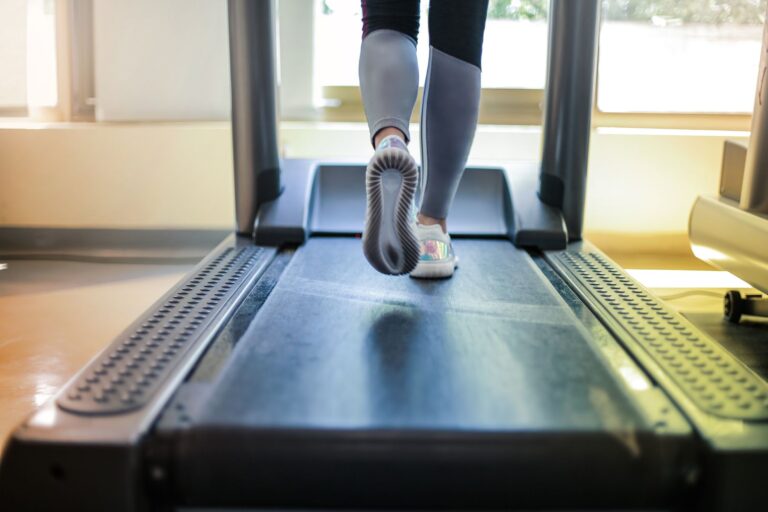
The surprising benefits of running extend far beyond weight loss and cardiovascular health, yet most conversations about this accessible form of exercise rarely venture past these well-worn talking points. While millions of runners lace up their shoes each morning knowing they are improving their heart health, few realize they are simultaneously transforming their brain chemistry, strengthening their immune system, and even changing the expression of their genes. These lesser-known advantages represent some of the most compelling reasons to make running a consistent part of life. Running has been practiced by humans for millions of years, originally as a survival mechanism and now as one of the most popular forms of voluntary exercise worldwide. Approximately 60 million Americans run or jog regularly, yet surveys suggest that most cite only basic fitness goals as their motivation.
This narrow understanding sells the activity remarkably short. The physiological and psychological changes that occur in regular runners touch nearly every system in the human body, from the microscopic level of cellular mitochondria to the complex networks of the brain that govern mood, creativity, and cognitive function. By the end of this article, readers will discover the unexpected ways running influences bone density, gut health, skin appearance, and even social connections. The discussion will move beyond surface-level fitness claims to examine peer-reviewed research showing how running affects inflammation markers, sleep architecture, and creative problem-solving. Whether someone is considering starting a running practice or looking to deepen their understanding of an activity they already enjoy, this exploration of overlooked benefits provides fresh motivation and scientific grounding for one of humanity’s most natural movements.
Table of Contents
- What Are the Hidden Psychological Benefits of Running That Surprise New Runners?
- Surprising Immune System and Cellular Benefits Most Runners Never Discover
- Unexpected Benefits of Running for Bone Health and Posture
- How Running Benefits Gut Health and Digestion in Ways Science Is Just Understanding
- Lesser-Known Running Benefits for Skin, Aging, and Longevity
- The Social and Creative Benefits of Running Often Overlooked
- How to Prepare
- How to Apply This
- Expert Tips
- Conclusion
- Frequently Asked Questions
What Are the Hidden Psychological Benefits of Running That Surprise New Runners?
The psychological benefits of running that surprise most newcomers go well beyond the commonly discussed “runner’s high.” While endorphin release during exercise has received substantial media attention, researchers have identified a far more complex neurochemical response that affects mood, anxiety, and cognitive function for hours and even days after a single run. A 2023 study published in the British Journal of Sports Medicine found that running triggers the release of endocannabinoids, serotonin, dopamine, and norepinephrine simultaneously, creating a cocktail of mood-regulating compounds that pharmaceutical interventions struggle to replicate. Depression and anxiety respond remarkably well to consistent running, with some studies showing effects comparable to selective serotonin reuptake inhibitors for mild to moderate cases.
A landmark trial conducted at Duke University followed participants with major depressive disorder and found that after 16 weeks, those assigned to an exercise program showed remission rates equivalent to those taking medication. More surprisingly, the exercise group demonstrated lower relapse rates at one-year follow-up. The mechanisms appear to involve both immediate neurotransmitter effects and longer-term changes in brain structure, including increased volume in the hippocampus, a region critical for emotional regulation and memory formation.
- Running stimulates brain-derived neurotrophic factor production, essentially acting as fertilizer for new neural connections and protecting existing brain cells from degradation
- Regular runners show measurably lower cortisol responses to psychological stressors, suggesting the activity recalibrates the body’s stress response system over time
- The meditative aspect of rhythmic, repetitive movement activates the default mode network differently than seated meditation, offering unique benefits for rumination and worry patterns

Surprising Immune System and Cellular Benefits Most Runners Never Discover
The immune system benefits of running represent one of the most underreported advantages of regular cardiovascular exercise. Contrary to outdated beliefs that intense exercise suppresses immunity, modern research demonstrates that moderate running actually enhances immune surveillance and reduces infection risk. A 2019 meta-analysis examining over 4,000 participants found that regular runners experienced 27% fewer upper respiratory infections than sedentary controls, with the protective effect increasing alongside consistency of the running habit.
At the cellular level, running triggers a process called autophagy, essentially a housekeeping mechanism where the body clears out damaged proteins and dysfunctional cellular components. This cleanup process, which can be enhanced by running in a fasted state, has been linked to longevity and reduced risk of age-related diseases including Alzheimer’s and certain cancers. Research from the Salk Institute has shown that exercise-induced autophagy specifically targets cells displaying early signs of dysfunction, acting as a quality control system that sedentary lifestyles fail to activate adequately.
- Running increases the circulation of natural killer cells, the immune system’s first responders against viral infections and early-stage cancer cells
- Moderate-intensity running reduces systemic inflammation markers including C-reactive protein and interleukin-6, both associated with chronic disease risk when chronically elevated
- The temporary stress of running triggers hormetic adaptation, where mild challenges to the body result in compensatory strengthening of cellular defense mechanisms
Unexpected Benefits of Running for Bone Health and Posture
Running provides unexpected benefits for bone health that contradict persistent myths about joint damage and skeletal wear. The repetitive impact of foot striking the ground, often criticized as harmful, actually serves as the primary stimulus for bone remodeling and increased mineral density. Weight-bearing exercise sends mechanical signals to osteocytes, the cells embedded within bone tissue, triggering calcium deposition and structural reinforcement precisely where forces are applied. A 20-year longitudinal study following recreational runners found they had significantly higher bone density in the hip and spine compared to non-runners of the same age, with the gap widening as participants aged.
The postural benefits of running are similarly underappreciated. Proper running form requires engagement of the posterior chain muscles including the glutes, hamstrings, and erector spinae group, all commonly weakened by sedentary desk work. Regular runners who pay attention to their gait naturally develop stronger core stabilizers and improved spinal alignment. Research from the American Council on Exercise shows that runners demonstrate measurably better standing posture than non-exercisers, with particular improvements in forward head position and thoracic kyphosis, two postural deviations associated with prolonged sitting.
- Impact loading from running increases bone density at a rate three times more effective than non-weight-bearing exercises like swimming or cycling
- The cross-body rotation inherent in running gait strengthens the oblique muscles and fascial connections that support spinal stability during daily activities

How Running Benefits Gut Health and Digestion in Ways Science Is Just Understanding
Running benefits gut health through mechanisms that have only recently begun receiving serious scientific attention. The gut microbiome, consisting of trillions of bacteria residing in the digestive tract, responds dramatically to regular aerobic exercise. A 2022 study published in Gut Microbes found that runners harbor significantly more diverse bacterial populations than sedentary individuals, with particular increases in species that produce short-chain fatty acids linked to reduced inflammation and improved metabolic health. These microbial changes occur independently of diet, suggesting that the physical act of running itself reshapes the intestinal environment.
The mechanical effects of running on digestion offer additional benefits that rarely enter mainstream fitness discussions. The rhythmic jostling of internal organs during running stimulates peristalsis, the wave-like contractions that move food through the digestive tract. This effect explains why running is often recommended for individuals struggling with constipation and why many runners experience increased regularity. The improved blood flow to digestive organs during post-exercise recovery also enhances nutrient absorption, meaning the food eaten after a run may provide more usable nutrition than identical meals consumed in a sedentary state.
- Running increases production of butyrate-producing bacteria, compounds that strengthen the intestinal barrier and reduce leaky gut syndrome
- The vagus nerve activation that occurs during running improves the gut-brain axis communication, potentially explaining some of the mental health benefits previously discussed
- Moderate running intensity appears optimal for gut benefits, while extreme endurance events can temporarily disrupt the microbiome balance
Lesser-Known Running Benefits for Skin, Aging, and Longevity
The running benefits for skin health and biological aging processes remain among the least discussed advantages of regular cardiovascular exercise. Running increases blood flow to the skin by up to 400% during activity, delivering oxygen and nutrients to dermal layers while flushing away cellular waste products. This enhanced circulation promotes collagen production and cellular turnover, processes that slow naturally with age. Dermatological research from McMaster University found that regular exercisers over age 40 had skin composition more closely resembling individuals in their twenties, with improved stratum corneum thickness and dermal collagen density.
Longevity research has produced some of the most striking data regarding running’s unexpected benefits. A Copenhagen City Heart Study following over 17,000 participants for 35 years found that runners lived an average of 6.2 years longer than non-runners, even when controlling for other health factors. More remarkably, the survival benefit appeared at surprisingly low running volumes, with optimal longevity gains occurring at just 1-2.5 hours of running per week. The researchers proposed that running triggers epigenetic changes that slow cellular aging, essentially reprogramming gene expression in ways that promote repair and maintenance.
- Running activates telomerase, the enzyme responsible for maintaining telomere length, a key marker of cellular aging
- The temporary spike in reactive oxygen species during running triggers antioxidant enzyme production that exceeds the initial oxidative stress, resulting in net protective effects
- Regular runners show younger biological age profiles across multiple organ systems when assessed through advanced aging clocks based on DNA methylation patterns

The Social and Creative Benefits of Running Often Overlooked
Running offers social and creative benefits that transcend the physical domain in ways that other forms of exercise rarely match. The portability and accessibility of running means it can be practiced virtually anywhere, creating opportunities for connection that gym-based fitness cannot replicate. Running clubs have emerged as significant social institutions in communities worldwide, with research from the Journal of Leisure Research showing that members report stronger sense of belonging and larger social support networks than participants in other organized fitness activities. The shared vulnerability of physical challenge appears to accelerate relationship formation in unique ways.
Creative problem-solving receives a measurable boost from running that has been documented in cognitive research but rarely discussed in fitness circles. A Stanford study found that creative output improved by an average of 60% during and immediately following walking or running compared to sitting. The mechanisms likely involve both increased blood flow to prefrontal regions and the alpha wave brain state that rhythmic movement induces. Many prominent writers, scientists, and business leaders have described running as essential to their creative processes, with the activity serving as a moving meditation that allows subconscious processing to surface into conscious awareness.
How to Prepare
- Obtain appropriate footwear by visiting a specialty running store where gait analysis can identify pronation patterns and arch type. Proper shoes reduce injury risk by 30-40% according to sports medicine research, and the investment typically pays dividends within the first month of consistent running.
- Establish a baseline fitness assessment by timing a comfortable one-mile walk or run and recording resting heart rate upon waking. These metrics provide objective data for tracking improvement and help calibrate appropriate starting intensity to avoid the discouragement that comes from doing too much too soon.
- Create a gradual progression plan using the 10% rule as a foundation, increasing weekly mileage by no more than 10% each week. Beginner programs like Couch to 5K provide structured frameworks that have been tested on thousands of new runners with high success rates and low injury incidence.
- Schedule running sessions at consistent times to establish habit formation, as research on behavior change shows that time-anchored routines become automatic far more readily than flexible scheduling. Morning runners report the highest consistency rates, though any regular time slot can work.
- Prepare mentally by setting process-oriented goals rather than purely outcome-based targets. Committing to run three times per week regardless of pace or distance creates sustainable motivation, while fixating on speed or weight loss often leads to early burnout.
How to Apply This
- Start with run-walk intervals using a pattern of one minute running followed by two minutes walking, repeated for 20-30 minutes. This approach allows cardiovascular and musculoskeletal systems to adapt gradually while still triggering the beneficial physiological responses discussed throughout this article.
- Track metrics beyond pace and distance by logging perceived exertion, mood before and after runs, and sleep quality on running versus rest days. These softer measures often reveal benefits before they appear in traditional fitness metrics.
- Incorporate varied terrain and routes to maximize the bone-building, cognitive, and creative benefits that require novel environmental input. Running the same loop daily reduces proprioceptive challenge and limits the neuroplasticity gains associated with navigation.
- Join a local running group or find an accountability partner to access the social benefits while increasing adherence probability. Research consistently shows that social commitment dramatically improves exercise consistency compared to solo attempts.
Expert Tips
- Run in the morning before eating to maximize autophagy benefits, though this strategy works best for runs under 45 minutes and should be accompanied by proper post-run nutrition within two hours.
- Focus on nasal breathing during easy runs to ensure the intensity remains in the aerobic zone where most health benefits accumulate, saving mouth breathing for deliberate harder efforts.
- Include at least one weekly run without headphones or entertainment to access the meditative and creative benefits that require undistracted attention to physical sensation and environmental awareness.
- Pay attention to post-run bowel movements as an indicator of appropriate training load, since digestive disruption often signals systemic stress before other symptoms appear.
- Prioritize sleep quality on the nights following runs, as this is when the cellular repair processes and memory consolidation effects described above primarily occur. Running without adequate recovery time diminishes rather than enhances long-term benefits.
Conclusion
The surprising benefits of running that rarely appear in mainstream fitness discussions represent compelling reasons to view this activity as more than simple cardio exercise. From the restructuring of gut bacteria colonies to the strengthening of bone tissue, from the enhancement of creative thinking to the expression of longevity-promoting genes, running triggers adaptations across virtually every system in the human body. Understanding these mechanisms transforms motivation from abstract health goals to concrete appreciation of the profound changes occurring with each run.
These benefits remain accessible regardless of running speed, natural athletic ability, or starting fitness level. The research consistently demonstrates that moderate, consistent running provides the vast majority of health advantages, with diminishing returns at higher intensities and volumes. Someone running 15 miles per week at a conversational pace captures nearly all the benefits described here while minimizing injury risk and time demands. The path forward involves simply beginning, maintaining consistency, and trusting that the body will respond as millions of years of evolution have programmed it to respond to regular movement.
Frequently Asked Questions
How long does it typically take to see results?
Results vary depending on individual circumstances, but most people begin to see meaningful progress within 4-8 weeks of consistent effort. Patience and persistence are key factors in achieving lasting outcomes.
Is this approach suitable for beginners?
Yes, this approach works well for beginners when implemented gradually. Starting with the fundamentals and building up over time leads to better long-term results than trying to do everything at once.
What are the most common mistakes to avoid?
The most common mistakes include rushing the process, skipping foundational steps, and failing to track progress. Taking a methodical approach and learning from both successes and setbacks leads to better outcomes.
How can I measure my progress effectively?
Set specific, measurable goals at the outset and track relevant metrics regularly. Keep a journal or log to document your journey, and periodically review your progress against your initial objectives.
When should I seek professional help?
Consider consulting a professional if you encounter persistent challenges, need specialized expertise, or want to accelerate your progress. Professional guidance can provide valuable insights and help you avoid costly mistakes.
What resources do you recommend for further learning?
Look for reputable sources in the field, including industry publications, expert blogs, and educational courses. Joining communities of practitioners can also provide valuable peer support and knowledge sharing.
Related Reading
- The Complete 8-Week Running Cardio Program for Beginners
- 5 Mistakes That Are Holding Back Your Cardio Progress
- Running for Longevity: What Age Really Matters (Hint: It’s Never Too Late)
- Weight Loss With Running: How to Burn Fat Without Injury
- How to Run Smarter – Not Harder – to Improve VO2 Max