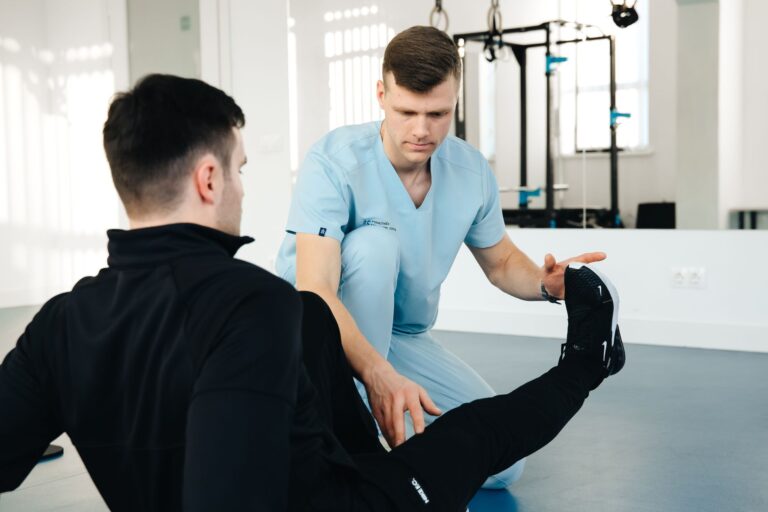
Exercise and physical activity are among the most powerful tools older adults have for maintaining and improving their overall health. Regular movement strengthens the heart and bones, improves balance and coordination, helps manage chronic diseases like diabetes and high blood pressure, boosts mental health, and extends independence—often adding years of quality life rather than just years lived. A 75-year-old who starts a consistent walking and strength training routine typically sees improvements in energy levels within weeks, better sleep within a month, and measurable gains in muscle strength and mobility within 2-3 months.
Beyond these immediate benefits, physical activity rewires how the aging body functions at a fundamental level. It improves circulation, enhances oxygen delivery to tissues, reduces inflammation, strengthens the immune system, and helps preserve cognitive function. For many older adults, the difference between remaining independent and requiring significant care often comes down to whether they’ve maintained or built physical activity into their daily lives. The evidence is so clear that major health organizations—from the American Heart Association to the National Institute on Aging—recommend regular exercise as a cornerstone of healthy aging.
Table of Contents
- How Physical Activity Strengthens Bones, Muscles, and Joint Health in Older Adults
- Cardiovascular and Metabolic Benefits of Regular Movement
- Mental Health and Cognitive Function Benefits
- Balance, Fall Prevention, and Maintaining Mobility
- Chronic Disease Management and Medication Reduction
- Social Connection and Quality of Life
- Adapting Exercise as Functional Ability Changes
- Conclusion
How Physical Activity Strengthens Bones, Muscles, and Joint Health in Older Adults
As people age, they naturally lose muscle mass and bone density, a process called sarcopenia and osteoporosis. Without intervention, the average older adult loses 3-8% of muscle mass per decade after age 30, with losses accelerating after 60. exercise directly slows and can even reverse this decline. Weight-bearing activities like walking, running, dancing, and stair climbing stress the bones in ways that stimulate them to maintain or increase density.
Resistance training—using weights, resistance bands, or body weight—forces muscles to adapt by growing stronger and larger, counteracting age-related atrophy. A practical example: a 68-year-old woman with early osteoporosis who begins 30 minutes of brisk walking three times per week plus twice-weekly resistance training can stabilize or slightly improve her bone density within a year, whereas without activity she would likely experience continued bone loss. The comparison is stark—sedentary older adults see bone density decline by 1-3% annually, while active older adults often maintain or gain bone mass. The limitation, however, is that exercise cannot fully reverse severe osteoporosis; it works best as a preventive measure and for slowing progression in early stages.

Cardiovascular and Metabolic Benefits of Regular Movement
Regular physical activity strengthens the heart muscle, improves blood circulation, reduces blood pressure, helps manage cholesterol levels, and enhances how the body uses insulin—all critical factors in preventing or managing heart disease, stroke, and type 2 diabetes. Older adults who are physically active have significantly lower rates of cardiovascular disease, even when other risk factors are present. Exercise also boosts metabolism, helping maintain a healthy weight and reducing the risk of obesity-related complications. However, the intensity and type of activity matter significantly.
A gentle daily walk provides benefits, but moderate-intensity aerobic activity—where breathing becomes noticeably harder but conversation is still possible—delivers superior cardiovascular improvements. A 70-year-old who walks leisurely for 30 minutes provides some benefit; that same person doing a brisk 30-minute walk or 20 minutes of swimming gets measurably better cardiovascular outcomes. The warning here is important: older adults with existing heart conditions or those who’ve been sedentary for years should not jump into intense activity without medical clearance. Starting gradually and building intensity over weeks and months is essential.
Mental Health and Cognitive Function Benefits
Exercise is one of the most evidence-backed treatments for depression and anxiety across all age groups, and older adults show some of the most dramatic improvements. Physical activity increases the production of endorphins and other brain chemicals that elevate mood, reduces stress hormones like cortisol, and provides a sense of accomplishment and routine. Beyond mood, regular exercise slows cognitive decline, improves memory, enhances focus and decision-making, and may reduce the risk of dementia and Alzheimer’s disease by up to 30-35% compared to sedentary peers.
A specific example illustrates this powerfully: an 80-year-old who was experiencing mild cognitive decline and feeling increasingly depressed began joining a group fitness class three times weekly. Within weeks, family members noticed improved mood and social engagement; within months, cognitive testing showed stabilization of previously declining scores. The social component of group activities—whether a fitness class, walking group, or sports league—adds another layer of benefit. However, one limitation is that exercise cannot cure advanced dementia or severe cognitive impairment; it’s most effective as prevention or for slowing decline in early stages.
Balance, Fall Prevention, and Maintaining Mobility
Falls are a leading cause of injury and loss of independence in older adults, and poor balance is a major risk factor. Exercises that specifically target balance—such as tai chi, standing on one leg, heel-to-toe walking, or yoga—along with strength training, reduce fall risk by 20-30%. By maintaining strength, flexibility, and proprioception (body awareness in space), older adults can navigate stairs, uneven surfaces, and everyday obstacles with confidence.
Improved mobility also means continued ability to shop, garden, travel, and engage in activities that provide purpose and enjoyment. A comparison reveals the practical importance: a 77-year-old woman who does regular balance and strength training might recover easily from a slight trip on a curb, while a sedentary peer with weak legs and poor balance could suffer a serious fall. The tradeoff is that balance training requires consistency and sometimes feels less immediately rewarding than aerobic exercise or strength training; the benefits are often noticed only when they’re preventing a problem. Additionally, older adults with severe balance issues should work with a physical therapist rather than attempting complex balance exercises independently, as inappropriate exercises can actually increase fall risk.
Chronic Disease Management and Medication Reduction
For older adults with diabetes, high blood pressure, arthritis, or heart disease, exercise is often as effective as medication in managing the condition and may even reduce the medication dosage needed. Regular activity helps control blood sugar in diabetics, lowers blood pressure in hypertensive patients, reduces pain and improves function in those with arthritis, and strengthens the heart in those with cardiac disease. Many older adults find that consistent exercise combined with proper medication allows them to live better and longer than medication alone. The warning here is critical: this does not mean people should stop taking prescribed medications or use exercise as a replacement without medical guidance.
Medication changes should only happen under a doctor’s supervision. Additionally, certain chronic conditions require modifications to exercise routines—someone with severe arthritis in the knee, for example, might need to avoid high-impact activities like running in favor of swimming or cycling. An older adult with advanced kidney disease has different exercise guidelines than someone with healthy kidneys. The limitation is that while exercise is remarkably beneficial for managing many conditions, some medical situations have constraints on activity level, intensity, or type.
Social Connection and Quality of Life
Older adults who exercise, especially in group settings, experience significant improvements in social connection and overall life satisfaction. Group fitness classes, walking clubs, sports teams, and active hobbies combat the isolation and loneliness that increasingly plague older populations.
Social connection itself is protective against depression, cognitive decline, and premature mortality—and exercise provides a natural vehicle for building and maintaining these relationships. An example: a 72-year-old who joined a running club not only improved his aerobic fitness but also built friendships with a diverse group of runners, attended events and races, traveled with the group, and reported that these connections were among the most meaningful parts of his week. This dimension of exercise—the community and meaning it creates—is sometimes overlooked in discussions focused purely on physical health metrics, yet it’s profoundly important to the quality and longevity of life in older age.
Adapting Exercise as Functional Ability Changes
Aging is a dynamic process, and physical capacity naturally changes over time. An older adult who was running marathons at 65 might need to transition to running-walking or walking-only by 75 or 80. The key insight is that this shift is not failure—it’s adaptation.
The same principles of consistency, progressive challenge, and variety apply across different ability levels. An 85-year-old doing daily 20-minute walks with a friend gets profound benefits just as an 65-year-old doing 40-minute running workouts does. As society recognizes the paramount importance of movement in healthy aging, more resources, programs, and communities are being developed to support older adults in staying active regardless of ability level—from adaptive fitness classes to water aerobics to tai chi for those with balance issues. The future of aging increasingly emphasizes that staying active is not about athletic performance or competing; it’s about maintaining the physical capacity for the life you want to live.
Conclusion
Exercise and physical activity do far more for older adults than any single medication or intervention can achieve. They maintain and build strength, protect bone health, keep the heart and cardiovascular system strong, sharpen the mind, prevent falls, manage chronic diseases, extend independence, and create meaningful social connections. The evidence is overwhelming and consistent: older adults who are physically active live longer, healthier, and more satisfying lives than their sedentary peers.
The encouraging reality is that it’s never too late to start. A 80-year-old who has been sedentary can still see significant health improvements by beginning regular activity. Starting slowly, building gradually, working with healthcare providers when needed, and finding activities that feel enjoyable and sustainable are the keys to making exercise a lasting part of life. For anyone interested in healthy aging, the question isn’t whether to exercise—it’s how to make movement a consistent and joyful part of daily life.