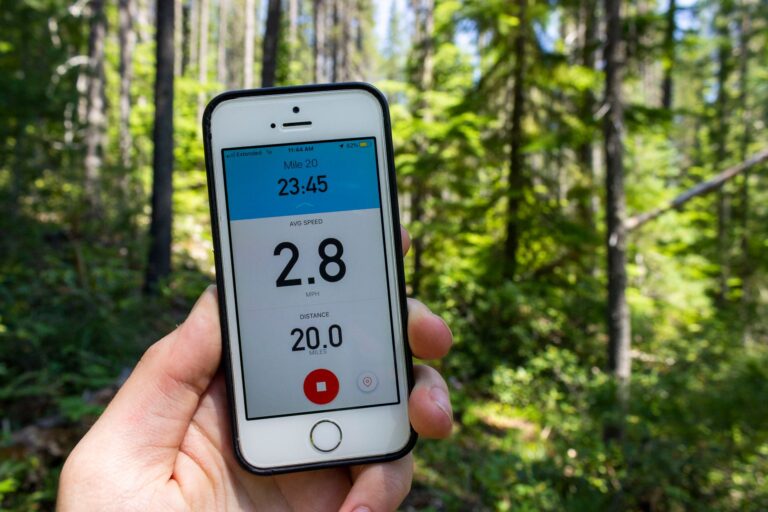
A 1.5-mile hike definitely counts toward your weekly activity total, but what that contribution actually means depends on how you’re measuring. If you’re tracking total movement volume, yes—add those miles. If you’re counting toward running mileage specifically, the answer gets more complex. A 1.5-mile hike performed at a moderate pace typically burns between 150-250 calories and elevates your heart rate, making it a legitimate form of aerobic activity.
However, because hiking moves slower than running on level ground and distributes effort differently across your legs, experienced runners often don’t count hiking miles one-to-one with running miles when planning their weekly training load. For a concrete example: if you run 20 miles during the week and then hike 1.5 miles on the weekend, you could reasonably count that hike as 0.75 to 1.5 running-equivalent miles depending on the terrain and your effort level. A steep, technical hike requiring significant climbing might contribute more training stimulus than an easy pace run, while a flat trail hike might contribute less. The point isn’t to be rigid about the conversion, but to understand what you’re actually getting from the activity and whether it fits your training goals.
Table of Contents
- Should You Count a 1.5-Mile Hike Toward Your Running Weekly Mileage?
- The Intensity and Effort Reality of Hiking vs. Running
- Recovery Value and Cross-Training Credit
- How to Actually Track and Count Your 1.5-Mile Hike
- The Risk of Underestimating Hiking’s Fatigue Factor
- Technical Terrain and Training Load
- Building Hiking Into a Longer Running Plan
- Conclusion
- Frequently Asked Questions
Should You Count a 1.5-Mile Hike Toward Your Running Weekly Mileage?
The honest answer is: it depends on why you’re counting. If your goal is to hit a total activity volume or maintain consistent outdoor time, a 1.5-mile hike is absolutely worth logging. If your goal is to build running-specific fitness—aerobic capacity, leg turnover, speed—then a hike contributes less directly than a 1.5-mile run would. The difference comes down to intensity and movement pattern.
Running requires higher leg turnover and faster ground contact, which creates different training adaptations than hiking‘s slower pace and heavier reliance on hip extensors and glutes. Think of it this way: running 1.5 miles at an easy pace might take 12-15 minutes, while hiking 1.5 miles might take 25-35 minutes. That difference in duration and leg stress means the training effect isn’t identical, even if the distance is the same. A runner training for speed or distance goals shouldn’t subtract hiking mileage from running mileage in their head. Instead, log them separately and understand they’re different types of work that both contribute to your overall fitness.

The Intensity and Effort Reality of Hiking vs. Running
Hiking’s gentler leg impact is often sold as an advantage, but for runners it represents a different kind of work, not necessarily less work. On flat terrain, hiking at a brisk pace still elevates your heart rate into a solid aerobic zone, typically 60-75% of max heart rate for most people. On hilly or technical terrain, a short hike can rival or exceed the cardiovascular demand of a run. The limitation is specificity: hiking builds different strength patterns than running does.
Runners benefit from the repetitive, faster motion of running for developing aerobic economy and cadence consistency. A real-world scenario: a 1.5-mile hike with 300 feet of elevation gain might place similar total metabolic demand on your system as a 2-3 mile run, but your legs will feel fresher after the hike because the movement is slower and lower-impact. This can make hiking excellent for active recovery days when you want movement without the pounding, but it shouldn’t deceive you into thinking a hike is a full substitute for a run if running fitness is your primary goal. One limitation to watch: if you hike with a heavy pack or on steep terrain, fatigue can carry over more than you expect into your next running workout.
Recovery Value and Cross-Training Credit
Many runners underestimate the recovery value of hiking. A 1.5-mile hike on a day between harder running workouts can serve legitimate recovery purposes—it keeps your aerobic system engaged without the impact stress of running. The movement promotes blood flow, helps clear metabolic byproducts from your legs, and provides mental recovery from the structure of timed workouts.
For runners following periodized training plans, a hike can absolutely count as an easy aerobic day, even if it doesn’t count as part of your “running mileage.” A practical example: if your training plan calls for an easy day with 30 minutes of aerobic activity, a 1.5-mile hike taking 30-40 minutes satisfies that requirement. Your heart rate stays in the right zone, your system gets a movement stimulus, and you avoid adding hard running miles that could compromise recovery. Where hikers and runners sometimes conflict is when a hiker assumes they’ve done “running” because they’ve done aerobic activity. They’re related but not interchangeable in terms of training adaptation.

How to Actually Track and Count Your 1.5-Mile Hike
The smartest approach is to log hiking and running as separate activities in whatever tracking system you use—Strava, a spreadsheet, or even a handwritten training log. This gives you clarity on what you’ve actually done. When reviewing your week, you might see: 18 miles of running, 1.5 miles of hiking, plus 5 miles of easy cycling. That total movement is meaningful, but it doesn’t make your running mileage 24.5 miles.
If you do want to convert hiking into running equivalents for planning purposes, a simple rule of thumb is to reduce hiking distance by 25-50% depending on terrain. Flat, easy hiking = 75% credit; hilly hiking = 100% credit. This isn’t a scientific formula—it’s just a mental tool to weight your activities reasonably. A steep 1.5-mile hike might genuinely count as 1-1.5 running miles for training load purposes, while an easy trail hike might count as 0.75-1.0 miles. The comparison breaks down when you get into very steep terrain or significant elevation gain, where a short hike can deliver as much stimulus as a much longer run.
The Risk of Underestimating Hiking’s Fatigue Factor
Here’s a warning that catches many runners: hiking can accumulate fatigue in ways that feel delayed. A steep 1.5-mile hike might not feel that hard during the activity, but the next day your quads or glutes might be unexpectedly sore, especially if the hike involved significant downhill. This happens because hiking recruits muscle groups in patterns that differ from running, and eccentric loading (like going downhill) creates soreness even from relatively short distances.
If you hike a strenuous 1.5 miles on Saturday, you might need to adjust Sunday’s running plan accordingly. Many runners make the mistake of logging their hike as 1.5 miles of easy activity and then wondering why their legs feel heavy the next day. The actual training load was higher than the mileage suggested. Similarly, if you’re not accustomed to hiking, use extra caution: that 1.5-mile hike on terrain your body isn’t trained for could compromise your primary running workouts far more than the miles alone would indicate.

Technical Terrain and Training Load
A 1.5-mile hike on boulder-strewn, rooty terrain with constant footing changes is not the same as 1.5 miles on a groomed path. Technical terrain demands higher levels of neuromuscular engagement and ankle stabilization, which can generate significant fatigue despite the short distance. Rocky or uneven trails require constant micro-adjustments from your stabilizer muscles, creating a different training stimulus than either road running or smooth trail running.
Consider a concrete example: a 1.5-mile technical forest trail with rocks and roots might leave you more fatigued than a 3-mile road run. This isn’t a reason to avoid it—technical hiking is excellent for ankle strength and coordination—but it’s a reason to understand what you’re putting into your body. If your plan was an easy recovery week and you tackle a technical 1.5-mile hike, you might have inadvertently added more stress than you intended.
Building Hiking Into a Longer Running Plan
If you enjoy hiking as part of your broader fitness life, the best approach is to build it in intentionally rather than treating it as an afterthought. Longer hikes—3, 5, 7 miles—can become part of your weekend routine without conflicting with your running plan if you schedule them appropriately. A 1.5-mile hike on a designated active recovery day fits easily. A 1.5-mile hike on the day before a hard running workout is worth thinking about twice.
As you get more experienced with both running and hiking, you’ll develop intuition for how different hikes affect your running. Some runners find that regular hiking builds hip and glute strength that improves their running. Others find that hiking interferes with their running focus. There’s no universal rule—it depends on your individual response and your training goals. The key is logging both activities and paying attention to patterns in your training effectiveness.
Conclusion
A 1.5-mile hike is genuine movement that contributes to your weekly activity total, but how much it contributes to your running-specific training goals requires honest assessment. It’s worth logging, worth doing for recovery and cross-training purposes, and worth enjoying on its own merits. Just don’t confuse a hike with running miles in your head, especially if your training plan is built around specific running mileage targets.
Hiking builds different qualities—mostly in strength and ankle stability—while running builds running-specific fitness. Moving forward, consider tracking hiking separately from running, but factoring both into your overall training load. If you hike regularly and run seriously, you’ll likely settle into a pattern where shorter hikes (1-3 miles) fit easily into recovery days, while longer hikes become weekend adventures that deserve their own space in your training plan rather than being shoehorned into running mileage. The goal is sustainable training that includes the activities you enjoy while building the fitness you need.
Frequently Asked Questions
Does a 1.5-mile hike count toward my running mileage?
Not one-to-one. Hiking is slower and lower-impact than running, so the training stimulus differs. If you count it toward your weekly total, reduce it by 25-50% depending on terrain difficulty.
Can I do a 1.5-mile hike instead of an easy run?
Yes, if your goal is to accumulate easy aerobic volume. A 30-40 minute hike satisfies an easy aerobic session. However, it doesn’t build running-specific fitness the way a run does.
Will hiking make me sore if I’m a runner?
Possibly, especially if the terrain is steep or technical. Hiking uses different movement patterns than running, and downhill hiking creates soreness even from short distances.
How do I calculate hiking miles as running equivalents?
A simple rule: flat hikes = 75% of distance credit; hilly hikes = 100% credit. A steep 1.5-mile hike might count as 1-1.5 running miles for training load purposes.
Is hiking good for running recovery?
Yes. Hiking at an easy pace promotes blood flow and provides mental recovery without the impact stress of running, making it excellent for active recovery days.
Should I avoid hiking if I’m training for a running race?
Not necessarily. Moderate hiking on easy days or rest days is fine. Just avoid strenuous technical hikes close to hard running workouts or key training sessions.