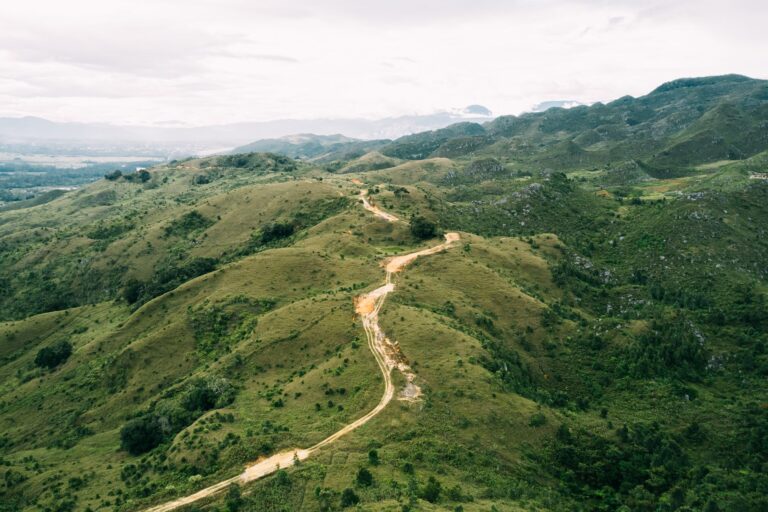
Elevation transforms a leisurely hike into a serious cardiovascular workout through a simple physiological reality: your body must work harder to move the same muscles against gravity while processing less oxygen. When you climb 1,000 feet over a two-mile hike versus walking the same distance on flat terrain, your heart rate can spike 20 to 40 beats per minute higher, your muscles burn through glycogen faster, and your legs bear significantly more load with each step. A casual three-mile walk on level ground might burn 250 calories and feel easy; that same three-mile hike with 1,500 feet of elevation gain can burn 600+ calories and leave most people breathing hard.
The reason elevation works so effectively is that your body faces a dual metabolic challenge. First, climbing requires your muscles to work against gravity, which demands more force per step than walking level ground. Second, as you gain elevation, oxygen becomes less available—the air thins—so your cardiovascular system must work harder to deliver oxygen to your muscles. This combination creates an intensity that rivals a tempo run on flat terrain, even if your pace is slower and you’re moving through nature rather than pounding pavement.
Table of Contents
- Why Does Elevation Make Hiking Feel Like Hard Exercise?
- How Your Body’s Oxygen System Changes at Elevation
- The Metabolic Demand of Elevation Hiking
- Smart Training Strategies for Building Elevation Fitness
- Common Mistakes That Undermine Elevation Hiking Workouts
- Recovery and Adaptation After Elevation Work
- Building Long-Term Elevation Fitness and Trail Running Performance
- Conclusion
Why Does Elevation Make Hiking Feel Like Hard Exercise?
When you hike uphill, your body must produce more force to lift your body weight against gravity. On a flat trail, walking is primarily a horizontal movement where momentum and gravity assist each step. On an incline, each step becomes a small vertical lift—imagine climbing a flight of stairs versus walking down a hallway. A person weighing 180 pounds needs roughly the same energy to climb a flight of stairs as they do to walk twenty minutes on flat ground. This is why a short, steep trail can exhaust you faster than a long, flat walk of similar duration.
The intensity also scales with gradient. A gentle 5-percent grade (about 250 feet over a mile) feels moderately harder than flat terrain but still sustainable for most hikers. A steep 15-percent grade (about 800 feet per mile) requires significant muscular effort and becomes genuinely difficult for anyone not trained in hill work. A grueling 20-percent grade or steeper feels almost like scrambling and is only sustainable in short bursts. Between these grades, there’s a massive range of workout intensity, which is why elevation hiking is so customizable—you can find exactly the challenge level you need.
How Your Body’s Oxygen System Changes at Elevation
Your cardiovascular system is the limiting factor when hiking uphill. At sea level, your blood carries oxygen to muscles at a predictable rate, but the steeper the climb, the higher your heart rate must climb to match oxygen demand. A flat walk might keep your heart rate around 100 beats per minute; a steep uphill hike can push it to 140, 160, or even higher depending on fitness level and grade. Over time, your cardiovascular system adapts to these demands, becoming more efficient at oxygen delivery. However, true elevation—climbing to higher altitudes above sea level—introduces an additional stress.
At 5,000 feet, atmospheric oxygen is roughly 15 percent lower than at sea level. At 10,000 feet, it’s about 30 percent lower. Many hikers underestimate this effect because they focus on the climb itself and forget that they’re also working with less oxygen in the air. A hike that feels moderately hard at 1,000 feet elevation can feel much harder at 8,000 feet, even if the gradient is identical. This is why experienced mountain hikers often move slowly and deliberately at higher elevations—it’s not just choice, it’s physiology.
The Metabolic Demand of Elevation Hiking
Your muscles require energy to contract, and that energy comes primarily from glycogen and fat. Elevation hiking depletes glycogen stores faster than flat-terrain hiking because muscles are working harder and burning more fuel per unit of time. A study comparing identical-distance hikes at different elevations typically shows that the elevated hike burns 30 to 50 percent more total calories, even if you’re moving more slowly. A two-hour flat hike might burn 700 calories; a two-hour hike with significant elevation gain can burn 1,000 to 1,200 calories in the same time.
This higher metabolic demand makes elevation hiking excellent for endurance athletes and runners training for trail racing, but it also means you need better fueling strategy. A runner accustomed to a simple five-mile run can get by on pre-run snacks and water, but elevation hiking demands real fuel during the activity if you’re going for more than ninety minutes. Many hikers bonk—hit a wall of energy depletion—on elevation hikes because they underestimated the caloric demand. Bringing carbohydrate snacks (energy bars, gels, trail mix, fruit) is not optional on longer elevation hikes; it’s a necessity for maintaining performance and safety.
Smart Training Strategies for Building Elevation Fitness
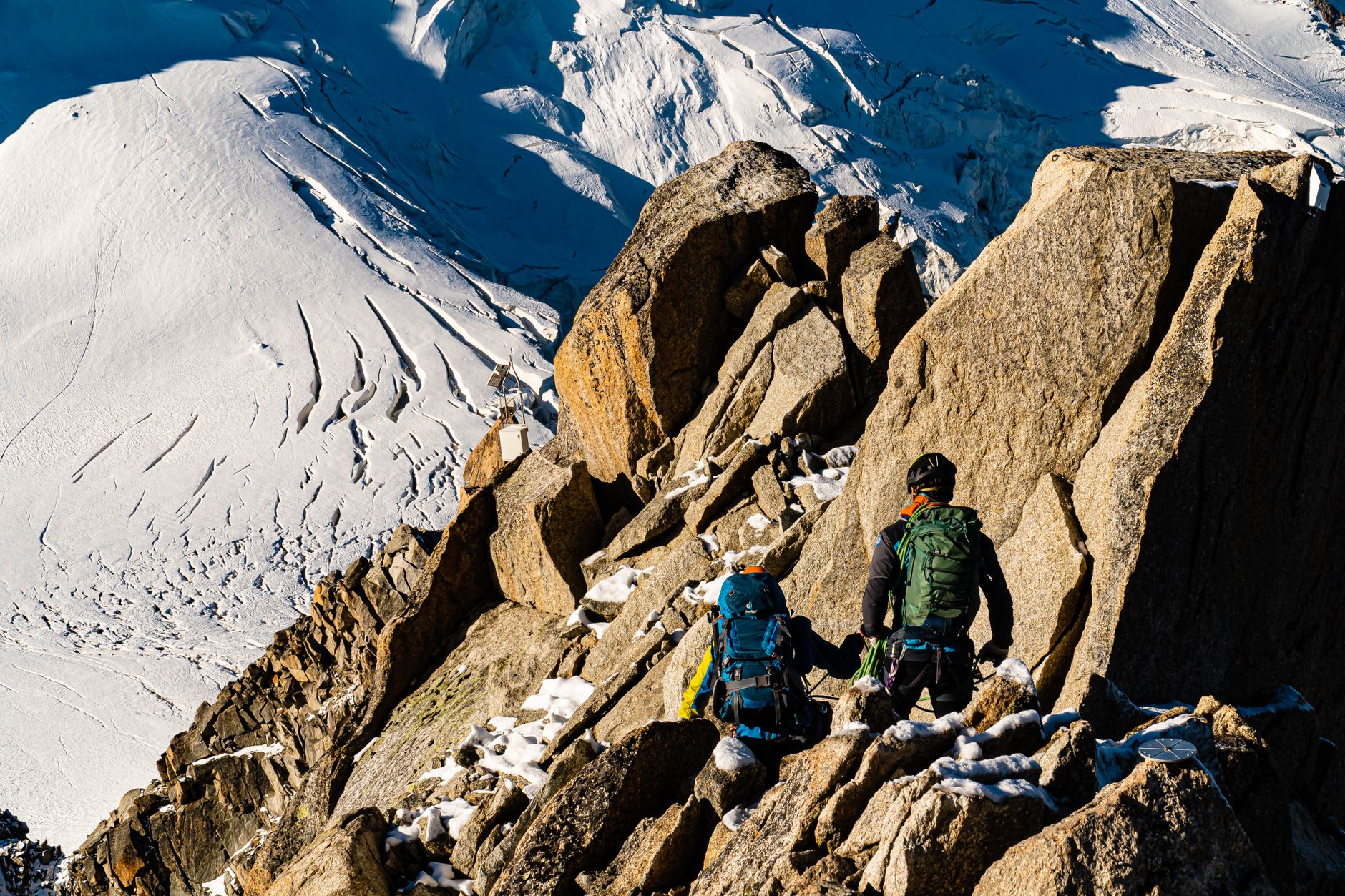
If you want to hike hard terrain without suffering, you need to train specifically for elevation. The most effective approach is hiking elevation regularly, but you can also supplement with stair training, hill repeats on regular trails, or stadium runs. A typical progression involves starting with short, moderate-elevation hikes once weekly, then gradually adding distance or steepness every two to three weeks. Someone who struggles with a 500-foot elevation gain hike might spend a month doing that same hike weekly, then progress to 800 feet, then 1,200 feet.
The tradeoff with elevation training is recovery. Your legs and cardiovascular system take longer to recover from hard elevation work than from flat running. Doing two hard elevation hikes per week is often too much for recreational athletes; most people do better with one elevation workout and one to two easier sessions. Professional trail runners and mountain athletes can handle higher frequency, but they’ve spent years building that tolerance. Starting too aggressively with elevation work typically leads to overuse injuries—IT band syndrome, knee pain, and ankle sprains are common when people jump into steep terrain too quickly.
Common Mistakes That Undermine Elevation Hiking Workouts
The biggest mistake is ignoring pacing and heart rate. Many hikers try to maintain their flat-terrain pace on elevation hikes and either bonk completely or push into an unsustainably hard effort. On elevation, you should expect to move 30 to 50 percent slower than your flat-terrain pace. A person who hikes flat terrain at 3.5 miles per hour should expect to move at 2 to 2.5 miles per hour on significant elevation. This slower pace is not failure; it’s adaptation to a harder workout. Your body is working extremely hard even though you’re moving slowly.
Another warning: underestimating the cumulative toll of elevation over time. Hiking steep elevation trains and stresses your knees, hips, ankles, and lower back. These joints absorb impact that flat-terrain hiking avoids. If you add three elevation hikes per week to your routine without gradually building tolerance, you’re at high risk of overuse injuries. A sensible approach is adding one elevation hike per week, maintaining that for three to four weeks, then adding additional sessions. Your joints need time to adapt to the impact stress.

Recovery and Adaptation After Elevation Work
After a hard elevation hike, your muscles need more recovery time than after equivalent-effort flat-terrain work. The microtears in muscle tissue from eccentric contraction (the lengthening under load that happens especially on descents) take longer to repair. Plan for 48 to 72 hours of reduced intensity after a truly hard elevation hike, not 24 hours. A common recovery mistake is hiking hard elevation again two days later without allowing proper adaptation.
Your body does adapt to elevation work surprisingly quickly. After four to six weeks of regular elevation training, hikes that felt crushing become manageable, and you’ll notice your heart rate settling lower at the same effort level—that’s cardiovascular adaptation happening. Your leg muscles grow stronger, your tendons and ligaments strengthen, and your aerobic capacity improves. These adaptations are why elevation hiking is such an effective training tool for runners and endurance athletes.
Building Long-Term Elevation Fitness and Trail Running Performance
Consistent elevation training over months creates measurable improvements in cardiovascular capacity, muscular strength, and mental toughness. Runners who add regular elevation hikes to their training often report faster times on rolling terrain and better performance in longer races. Trail runners know that mountains are their best training ground; road runners often neglect hills and then suffer when they encounter any terrain that isn’t flat.
Making elevation work a regular part of your training builds resilience that transfers to every other athletic endeavor. Looking forward, elevation training becomes increasingly valuable as you age. The leg strength, balance, and cardiovascular adaptation you build through hill and mountain hiking are exactly what prevent decline and maintain independence later in life. Older athletes who maintain elevation training stay stronger, more capable, and more confident on challenging terrain than age-peers who avoid hills.
Conclusion
Elevation transforms a casual hike into a vigorous workout through two mechanisms: the muscular work required to climb against gravity and the cardiovascular stress of working with less oxygen available. A hike with significant elevation gain burns substantially more calories, builds leg strength faster, and improves cardiovascular fitness more efficiently than equivalent-distance flat terrain. But this effectiveness requires respect—elevation hiking carries genuine physical stress that demands proper pacing, adequate fueling, and recovery time between hard sessions.
If you’re looking to build serious fitness, improve trail running performance, or develop true functional strength, elevation hiking is one of the most effective tools available. Start conservatively, add elevation gradually to your routine, learn to pace yourself for hills, and plan for real recovery. The payoff is undeniable: better fitness, stronger legs, improved cardiovascular capacity, and the ability to move confidently through challenging terrain.