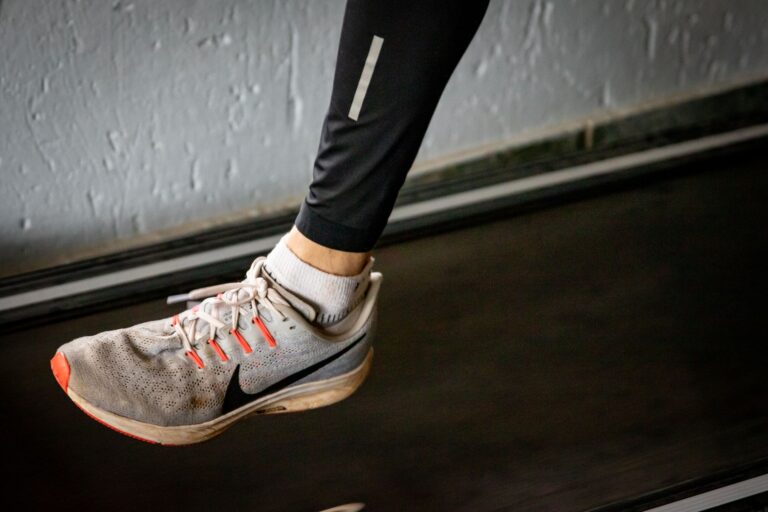
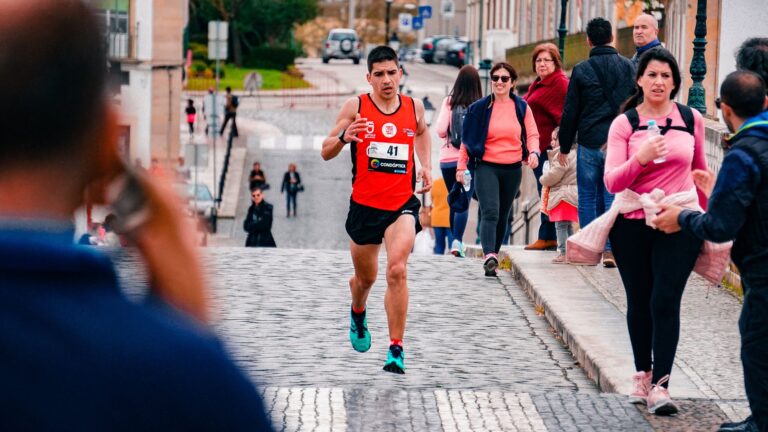
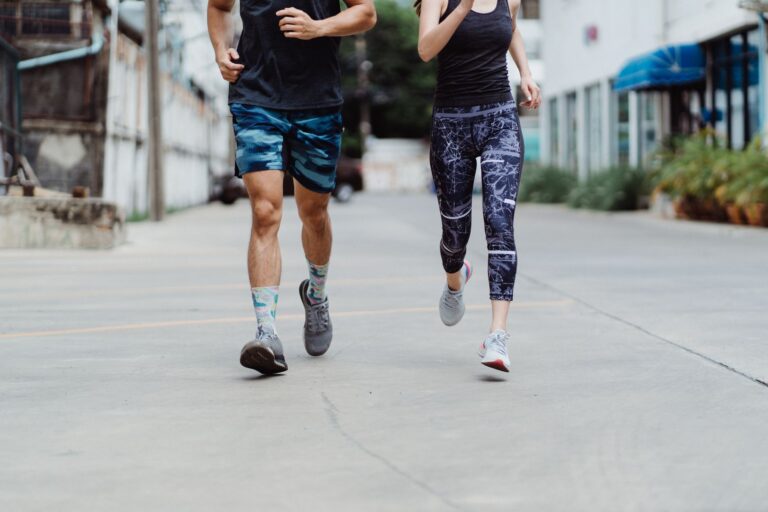
Clip lights are compact, portable lighting devices that attach to your running gear to make you visible in low-light conditions. They mount easily to your shirt, shorts, shoes, or backpack using built-in clips or magnets, casting a beam of light around your body or creating a steady glow that helps drivers, cyclists, and pedestrians see you during early morning runs, evening sessions, or night training. For runners who train before dawn or after dark, clip lights serve as a essential safety tool that significantly reduces the risk of accidents on roads and paths. The appeal of clip lights lies in their simplicity and portability.
Unlike larger flashlights or handheld torches, they weigh just a few ounces and require no hand-holding, leaving your arms free for natural running form. A runner doing a 6 a.m. training run on a suburban street might clip a light to their chest and another to their back, creating a 360-degree safety envelope that makes them visible from any angle. Most clip lights use LED bulbs that produce bright, focused beams or steady red/white lights that alert others to your presence without creating excessive glare.
Table of Contents
- How Do Clip Lights Improve Running Safety and Visibility?
- Types of Clip Lights and Their Different Features
- Strategic Placement and Positioning for Maximum Visibility
- Selecting the Right Clip Light for Your Running Conditions
- Common Visibility Problems and How Clip Lights Address Them
- Durability and Weather Considerations for Outdoor Running
- The Future of Running Visibility Technology and Emerging Alternatives
- Conclusion
- Frequently Asked Questions
How Do Clip Lights Improve Running Safety and Visibility?
Clip lights enhance visibility by making you visible from greater distances and angles than reflective gear alone. A reflective vest or arm band only bounces light back toward its source—typically car headlights—but clip lights generate their own light, illuminating your position continuously regardless of whether vehicles are approaching. Research on pedestrian safety shows that active light sources significantly reduce accident risk compared to passive reflective materials. A runner wearing clip lights is visible to drivers up to 500 feet away, compared to 150 feet for reflective clothing alone.
The visibility benefit extends beyond just being seen on roads. Clip lights help you see obstacles and uneven surfaces on your running route, reducing the risk of trips and falls. A runner navigating a dark park path or trail wearing forward-facing clip lights can spot roots, rocks, and potholes before stepping on them. The downside is that clip lights designed primarily for visibility (rear-facing red lights) don’t illuminate the ground ahead of you—they announce your presence but don’t provide environmental awareness. To solve this, many experienced runners pair a rear clip light with a headlamp or forward-facing light for complete safety coverage.
Types of Clip Lights and Their Different Features
Clip lights come in two main categories: constant-on steady lights and flashing strobe lights. Steady lights provide constant illumination and are more comfortable for the eyes, but they consume battery faster than flashing models. Strobe lights use less energy and create a pulsing effect that some research suggests makes moving objects (like runners) more noticeable to drivers, though this remains debated among safety experts. A runner’s choice between these depends on local traffic patterns and personal preference—a suburban road runner might prefer the conspicuous flash of a strobe, while a runner on a well-lit urban path might choose steady lights for comfort. Most clip lights are either front-facing white lights or rear-facing red lights, though some combination units offer both.
Red rear lights signal your location and direction to traffic behind you, which is why they’re considered essential for road running. White front lights illuminate obstacles ahead and help you see better, plus they signal your presence to oncoming traffic. The limitation of most clip lights is their relatively narrow beam—they cast light in one direction, creating blind spots if you only wear one light. A runner with a single rear-facing clip light is invisible to pedestrians or cyclists approaching from the side. Strategic placement of multiple lights addresses this gap, though it requires buying more equipment.
Strategic Placement and Positioning for Maximum Visibility
The positioning of your clip lights determines how effectively they protect you from all directions. Professional running coaches recommend wearing at least two lights—one red rear-facing light on your back or waistband and one white front-facing light on your chest or front-facing pocket. This creates visibility in two critical directions: alerting traffic from behind and making you visible to oncoming vehicles and pedestrians. Some runners add a third light clipped to their shoe or ankle to increase side visibility and create more obvious movement patterns that catch drivers’ attention.
Rear lights should be mounted as high as possible on your body—on your back shoulder or upper waistband rather than your lower legs—because drivers scan the upper portions of the road first. A light clipped to your hip is far less visible to drivers of SUVs and trucks than a light at shoulder height. Front lights work best on your chest at eye level or on a shirt pocket rather than on your waistband. The warning here is that clip lights only work if they’re actually clipped securely; a light that bounces loose or falls off during a run offers zero protection. Always check clip tightness before starting your run, especially with sweat-prone areas where clothing stretches and shifts.

Selecting the Right Clip Light for Your Running Conditions
Choosing between clip light options depends on where and when you run. A runner doing evening workouts on a busy road needs different specifications than someone running on quiet suburban paths at dawn. Brightness matters more on main roads with fast-moving traffic—most experts recommend clip lights with at least 100 lumens for maximum visibility in traffic conditions. However, brighter lights consume battery faster and can create glare off wet pavement or rain, reducing their effectiveness in wet conditions. A runner training in a rainy climate should consider water-resistant clip lights rated IPX4 or higher and test them in wet conditions.
Runtime is another critical consideration. Many clip lights advertise 8-10 hours of battery life on steady mode but only 2-3 hours on maximum brightness. A runner who logs multiple 5-mile training runs per week may find a light that only runs 2 hours on one charge impractical. Rechargeable clip lights offer cost savings over time but require charging between runs, while battery-powered models require carrying replacement batteries. Some runners compromise by carrying a small rechargeable light plus backup batteries for longer runs. The trade-off is convenience against weight and complexity—lighter runners might prioritize minimal gear, while safety-conscious runners accept the extra burden of redundant lighting systems.
Common Visibility Problems and How Clip Lights Address Them
One frequent issue runners face is believing that daylight-level visibility makes evening running safe. Many accidents involving runners occur during twilight hours or in early evening when drivers are still transitioning from daylight to low-light conditions. Even runners in brightly colored clothing are hit regularly during these conditions because the human eye struggles to perceive movement without adequate contrast. Clip lights solve this by creating active visual contrast that moves with your body, making your motion obvious to drivers. This is why a runner in dark clothes with a clip light is often safer than a runner in neon yellow without lights.
Another problem is the “invisible runner” syndrome where runners in reflective gear believe they’re visible but actually aren’t. Reflective materials only work if light from an external source—like car headlights—hits them at the right angle. A runner on a dark street with no oncoming traffic has zero reflective effectiveness. Clip lights eliminate this vulnerability entirely because they generate light regardless of traffic patterns. The limitation is battery dependence—a clip light with a dead battery provides zero safety benefit, so runners must develop the habit of checking charge levels before runs and carrying backup lights for longer training sessions.
Durability and Weather Considerations for Outdoor Running
Clip lights endure significant stress during running. Sweat, rain, humidity, and impacts from falls all threaten their functionality. Quality clip lights are built with rubberized casings and sealed battery compartments to resist moisture and sweat damage. However, even weather-resistant lights eventually fail if used in consistently wet conditions without proper maintenance. A runner in a humid climate should clean clip lights regularly and store them in dry conditions between runs.
Cheaper clip lights often fail after a few months of use, especially in wet climates, while premium models may last 2-3 years with proper care. Drop tests are a real consideration for runners who use trails or uneven terrain. A clip light that survives pavement impacts might break if dropped on rocks during a trail run. Some runners carry clip lights in small protective pouches or cases rather than exposing them to direct impacts. The cost difference between a five-dollar clip light and a thirty-dollar premium model becomes obvious when you calculate replacement costs over time. A runner who replaces cheap clip lights every three months spends more annually than buying one durable model that lasts years.
The Future of Running Visibility Technology and Emerging Alternatives
Clip light technology continues evolving with improved battery chemistry and LED efficiency. Newer models use lithium-ion batteries that hold charge longer and withstand more recharge cycles than older alkaline designs. Some manufacturers are experimenting with clip lights that sync with smartphone apps to allow runners to control brightness or activation patterns remotely. Adaptive lights that detect ambient light levels and adjust brightness automatically are becoming more common, though they’re still premium-priced products.
Beyond traditional clip lights, runners have emerging alternatives like reflective running vests with integrated LED strips and clip-on light systems that attach to multiple gear points simultaneously. Wearable tech companies are developing smart clothing with embedded LEDs that communicate with traffic systems or create visual patterns that increase detectability. While these innovations are promising, traditional clip lights remain the most accessible and affordable visibility solution for most runners. The fundamentals of active light visibility—being seen clearly by others—won’t change regardless of technology advancement.
Conclusion
Clip lights are essential safety equipment for runners training in low-light conditions, providing active visibility that reflective gear alone cannot match. They’re affordable, portable, and effective when properly positioned and maintained. The key to maximum safety is using at least two lights—a rear red light and a front white light—mounted at body positions that maximize visibility to drivers and pedestrians approaching from different angles.
Making clip lights a habit requires the same mindset as wearing running shoes appropriate for your route. Early morning and evening runners should treat clip lights as non-negotiable safety equipment rather than optional accessories. Start with quality clip lights rated for your climate conditions, establish a routine of checking battery levels before runs, and upgrade or replace lights when they show signs of failure. Combined with reflective gear and route awareness, clip lights significantly reduce your risk of accident and allow you to train safely during all daylight hours.
Frequently Asked Questions
How long do clip light batteries typically last?
Most clip lights run 5-10 hours on steady mode and 15-20 hours on strobe mode, depending on brightness settings and battery type. Rechargeable models typically lose capacity after 300-500 charge cycles, while battery-powered models last longer overall but require carrying replacements.
Can I use clip lights on trails or just roads?
Clip lights work on both roads and trails, but trail running benefits more from forward-facing lights that illuminate obstacles. Road runners prioritize rear red lights for traffic awareness. Many trail runners use clip lights primarily for visibility to other users rather than for seeing the path ahead.
What’s the difference between red and white clip lights?
Red lights signal your location to traffic approaching from behind and create the visual “tail light” effect vehicles expect. White lights illuminate obstacles ahead and alert oncoming traffic to your presence. Most running safety experts recommend both colors for complete protection.
Do I need expensive clip lights or will cheap ones work?
Cheap clip lights cost less upfront but often fail within a few months, especially in wet conditions. Mid-range clip lights ($20-50) offer better durability and battery performance than budget models, making them more cost-effective long-term despite higher initial cost.
Should I use clip lights during daytime or only at night?
Clip lights are most critical during dawn, dusk, and night running. However, they can be beneficial during daytime in poor visibility conditions like heavy rain, fog, or urban areas with tall buildings blocking sunlight.
Can clip lights replace reflective clothing?
No—use clip lights and reflective gear together for maximum protection. Clip lights are active visibility while reflective materials are passive. This layered approach provides coverage for different traffic conditions and enhances your visibility from multiple angles.