Packable rain jackets are compact, lightweight jackets that stuff into their own pocket or a small pack for easy carrying during runs. When a sudden shower threatens to ruin your training session, having one of these jackets compressed into your running belt or backpack means you’re never caught unprepared. The appeal is straightforward: runners and outdoor athletes carry minimal gear for a reason, and a jacket that weighs just ounces and takes up less space than a water bottle solves a real problem. Whether you’re a trail runner doing distance work or a road runner doing speed work in a climate where afternoon thunderstorms materialize without warning, a packable rain jacket keeps you dry without requiring you to adjust your pacing or cut your run short.
The market for packable rain jackets has exploded in recent years, driven by demand from commuters, travelers, and endurance athletes. As of 2026, manufacturers have launched over 120 new packable jacket styles, and the global rainwear market has grown to $3.89 billion. This growth reflects both expanded consumer awareness and genuine innovation in materials and design. You’re not choosing between two or three options anymore; you’re working from a deep bench of tested products at various price points, from under $100 to premium options over $300. This article will help you navigate that landscape by breaking down what makes a packable rain jacket work for running, what features actually matter, and which products deliver the best value at different price levels.
Table of Contents
- What Makes a Packable Rain Jacket Different From Traditional Rain Gear?
- Understanding Jacket Construction and Durability
- Key Features That Make a Real Difference for Runners
- Budget-Friendly vs Premium Options: Where Your Money Actually Goes
- Ultralight Options and the Weight-versus-Durability Tradeoff
- The Growing Shift Toward Sustainable Materials
- Market Trends and What’s Ahead for Packable Rain Gear
- Conclusion
What Makes a Packable Rain Jacket Different From Traditional Rain Gear?
A packable rain jacket is engineered to compress to a small volume without sacrificing waterproofing or breathability. The magic lies in the fabric itself and the design choices that reduce bulk. Most modern packable jackets use nylon or polyester shells with 2.5-layer or 3-layer waterproof coatings, where the extra membranes create durability and breathability. REI’s expert testing from December 2025 through March 2026 confirmed that 3-layer jackets, while slightly heavier, offer measurably better durability and breathability than their 2.5-layer counterparts, a tradeoff worth considering if you plan to wear the jacket frequently rather than just in emergencies. The packing mechanism varies by design. Some jackets, like the Patagonia Torrentshell 3L priced at $189, literally stuff into an integrated pocket sewn into the jacket’s back, creating a compact bundle the size of a sandwich.
Others rely on compact nylon packaging or simply pack small due to their overall lightweight design. The Outdoor Research Helium, weighing just 6.3 ounces, achieves packability through sheer minimalism rather than a built-in pocket. For runners, this difference matters: the self-contained pocket means one less piece of gear to lose or manage in a transition between outdoor and indoor spaces. The critical distinction from traditional rain jackets is that packable versions prioritize minimal weight and volume over heavy features like rigid hoods, waterproofed seams throughout the entire garment, or extensive ventilation options. This makes them suitable for fair-weather showers or moderate rain rather than all-day downpours in harsh conditions. If you’re running through a light spring rain or a summer pop-up shower, a packable jacket excels. If you’re running through hours of cold, wind-driven rain, you may feel its limitations.
Understanding Jacket Construction and Durability
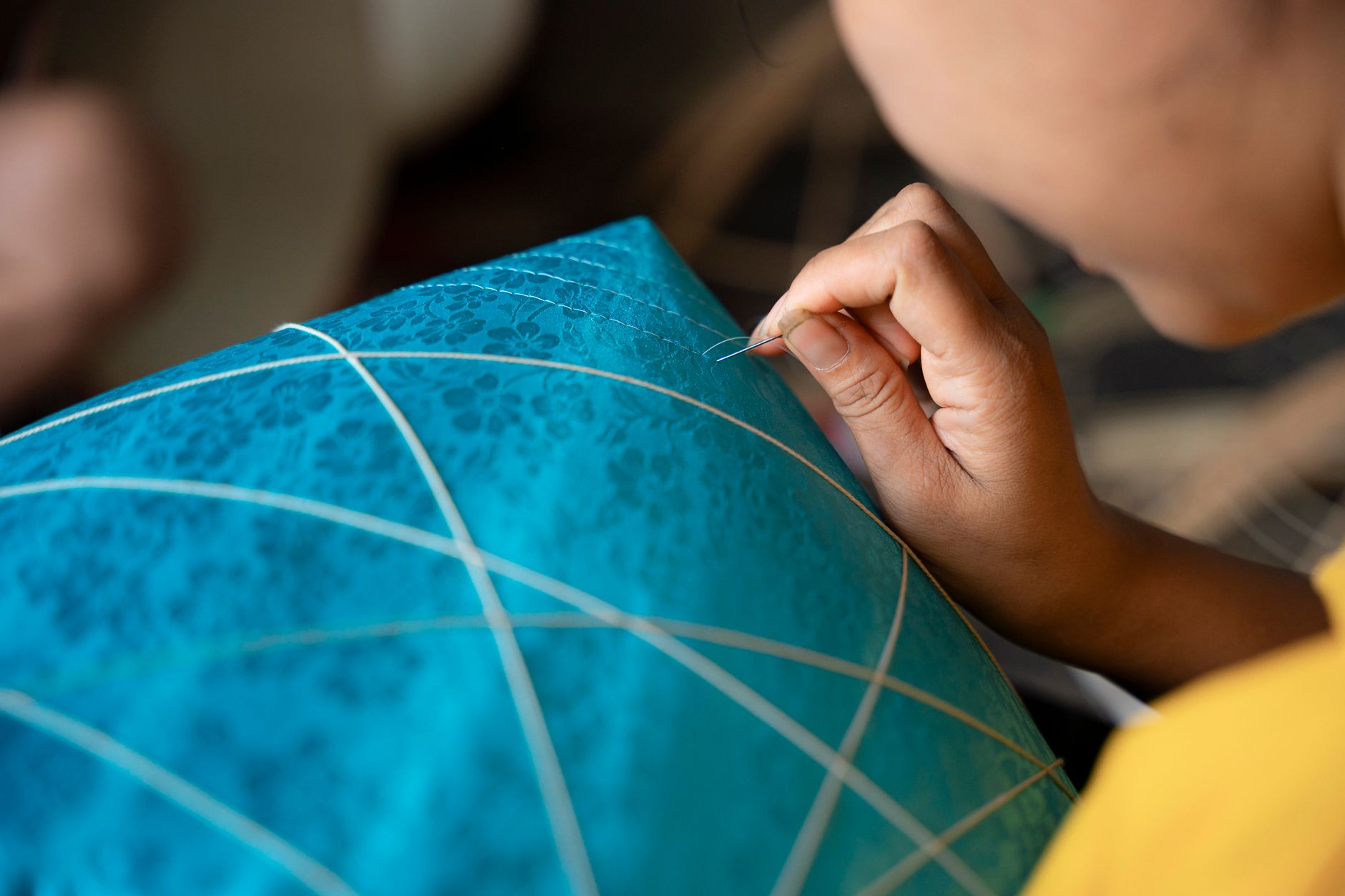
The construction quality of a packable rain jacket directly determines how long it will protect you and how comfortable you’ll feel wearing it. Most packable jackets use one of three basic constructions: 2.5-layer coatings (where a waterproof membrane is bonded to the fabric), full 3-layer construction (where the membrane is sandwiched between outer fabric and a protective lining), or single-layer designs with only a DWR (durable water repellent) coating. REI’s testing confirmed that 3-layer jackets hold up better to repeated folding, packing, and washing, maintaining waterproofing through dozens of compression cycles without the coating degrading. Beyond the basic laminate structure, specific features determine real-world durability and function. Look for watertight zippers (often called coil zippers) rather than standard metal or plastic zippers, which leak at the teeth. Pit zips—small ventilation zippers under the arms—allow you to shed heat during hard running efforts while staying protected from rain, and the REI Co-op Rainier jacket includes them despite its under-$100 price point.
A helmet-compatible hood that doesn’t obstruct your vision is essential; a hood that forces you to turn your entire torso to see what’s ahead creates safety hazards on crowded trails or roads. Watertight seams at critical stress points (shoulders, side panels, armpit areas) matter more than full seam sealing, which adds weight and bulk without proportional benefit in a packable design. One limitation worth acknowledging: packable jackets, by definition, use thinner fabrics than traditional rain shells. This means they’re more prone to small tears and punctures from branches, thorns, or rough handling. If you’re running through dense underbrush or technical terrain, a heavier shell offers better abrasion resistance. Additionally, the waterproof membranes in packable jackets are sensitive to degradation from heat and UV exposure, so storing your jacket in a hot car trunk or leaving it packed in direct sunlight over months can shorten its lifespan.
Key Features That Make a Real Difference for Runners
Several features separate a packable rain jacket that’s merely adequate from one that actually enhances your running experience. The integrated pocket design on the Patagonia Torrentshell 3L—which packs the entire jacket into its own rear pocket—appeals to minimalist runners who want zero fuss. You pull the jacket out, snap the pocket back, and your compressed jacket is effectively invisible until you need it again. This self-contained approach eliminates the need for a separate packing method and reduces the chance of losing a jacket component. The helmet-compatible hood is underrated but critical. Many runners train with lights mounted on visors or cap bills, especially during early morning or evening runs.
A hood that pulls down over your eyes or forces you to crane your neck defeats the purpose of a safety light. Look for hoods with structured visors that sit higher on your head and don’t restrict peripheral vision. The Mountain Hardware Cloud Cipher Jacket, new for 2026 and priced at $310, was designed with trail runners in mind and includes a helmet-compatible hood as standard, reflecting the manufacturer’s understanding of how runners actually use rain jackets. Another underappreciated feature is a hand pocket with a zip. Even a single secure pocket lets you carry your phone, keys, or fuel without feeling them bounce around or worrying about losing them in a downpour. Many ultra-packable designs sacrifice hand pockets to reduce weight, a tradeoff worth evaluating based on your actual running style. Do you train with nothing but a watch, or do you need to carry a phone for safety? The answer changes whether a pocket matters to you.

Budget-Friendly vs Premium Options: Where Your Money Actually Goes
The packable rain jacket market spans a wide price range, and understanding what you’re paying for helps you make a decision aligned with your actual needs rather than brand prestige. The REI Co-op Rainier sits under $100 and is frequently discounted further, making it one of the most accessible options for runners testing whether packable jackets work for their training routine. REI tested these jackets through a full winter season with member testers, so the confidence in durability is higher than a theoretical new release. It includes pit zips and packs to a reasonable size, though it doesn’t compress into a self-pocket like premium options. The Patagonia Torrentshell 3L at $189 represents the mid-tier sweet spot for many runners. The self-stuffing pocket, 3-layer construction, and established reputation for durability justify the premium over the REI model for runners who plan to use the jacket regularly across multiple seasons.
If you’re running year-round in a climate with frequent rain, this jacket’s durability advantage—it will likely outlast two REI jackets—makes the per-use cost competitive. The tradeoff is that you’re paying for refinement and a proven product rather than raw functionality. Premium options like the Mountain Hardware Cloud Cipher Jacket at $310 and the Arc’teryx Alpha SL Jacket (new for 2026 and priced at the premium tier) target runners who prioritize the absolute lightest option or specific technical features like all-PFC-free construction, which eliminates certain chemical treatments in the waterproof coating. The Arc’teryx is specifically marketed as the lightest GORE-TEX PRO shells in existence, meaning if ultralight gear is your priority, the premium price reflects genuine innovation in that dimension. However, a runner using the jacket for occasional showers won’t notice a meaningful difference between the Arc’teryx and the Patagonia. This premium tier makes sense if ultralight backpacking or trail running is your primary activity.
Ultralight Options and the Weight-versus-Durability Tradeoff
For runners focused on speed and minimal gear weight, ultralight packable jackets offer genuine advantages during long training runs or races where every ounce matters. The Outdoor Research Helium, weighing just 6.3 ounces, represents the lower end of weight for a functional packable rain jacket. At this weight, the jacket adds almost nothing to your carrying load—roughly equivalent to carrying an extra nutrition gel or a small water bottle. For ultramarathoners covering 50+ miles or trail runners doing mountain runs above 10,000 feet, this weight difference can compound into tangible relief by mile 40. The weight reduction in ultralight jackets comes from thinner fabrics, minimal features, and sometimes reduced coverage (some ultralight designs have shorter torsos or narrower sleeves). This means durability takes a hit. Ultralight jackets are more prone to tears, and the waterproof membranes degrade slightly faster because there’s less overall fabric protecting them.
Additionally, ultralight fabrics often lack the visual feedback of traditional rain jackets—you don’t feel much friction when you move in them, which some runners describe as feeling insubstantial or flimsy. The psychological effect of wearing a thin jacket in cold rain is real and worth acknowledging: some runners find thicker jackets psychologically reassuring even if the ultralight version would work equally well. A crucial limitation: ultralight jackets are often single-use items in terms of style and features. They might have no hand pockets, minimal zippers, and a hood that’s barely functional. The Arc’teryx Alpha SL, as the lightest GORE-TEX PRO option available, represents the extreme end of this spectrum—it’s designed for trail runners who accept minimal features in exchange for minimal weight. Before choosing an ultralight option, honestly assess whether you need features like secure pockets, easy ventilation, or a protective hood. If you do, stepping up to a midweight option like the Patagonia Torrentshell might deliver better real-world satisfaction.

The Growing Shift Toward Sustainable Materials
Sustainability has become a significant factor in rain jacket design, driven both by manufacturer initiatives and runner preferences. As of 2026, 60% of manufacturers report plans to adopt recycled materials in their rainwear lines by the end of the year. This means packable jackets made from recycled nylon, recycled polyester, or post-consumer plastic are increasingly available without compromise on performance. The Mountain Hardware Cloud Cipher Jacket, for example, was specifically designed with all-PFC-free construction, eliminating per- and polyfluoroalkyl compounds (PFAS) that have raised environmental concerns in the outdoor industry.
This shift reflects genuine market momentum: the global rainwear market grew from $3.67 billion in 2025 to $3.89 billion in 2026, a 5.9% annual growth rate driven partly by demand for sustainable options. For runners concerned about environmental impact, this creates a real choice between conventional and sustainable jackets without accepting inferior performance. The tradeoff, when it exists, usually involves a slight weight penalty or a marginally higher price point, not a sacrifice in waterproofing or durability. If you’re buying a packable rain jacket in 2026, checking whether the jacket uses recycled materials or PFC-free treatments is a straightforward way to align your gear choices with your values.
Market Trends and What’s Ahead for Packable Rain Gear
The explosive growth in packable rain jacket options reflects changing patterns in how runners and outdoor athletes use gear. Search interest in “waterproof raincoats” peaked in May through July, with search volume jumping 44.14% in May 2025, indicating that runners are researching rain gear when seasonal weather shifts toward higher precipitation. Over 120 new jacket SKUs launched globally in 2024, and this growth continued into 2026, suggesting manufacturers recognize packable jackets as a durable category rather than a passing trend. The design innovations coming into the market reflect feedback from endurance athletes and commuters who demand packable jackets for multiple use cases.
Urban delivery workers and bike commuters pushed manufacturers toward more style-conscious packable designs that don’t scream “outdoor gear,” broadening the appeal beyond traditional trail runners and hikers. Runners benefit from this crossover because innovations designed for daily commuting—like improved hood designs, better hand pockets, and refined packing mechanisms—migrate into running-specific options. Looking forward, expect continued emphasis on lightweight materials, sustainable construction, and feature refinement. The days of choosing between a heavy, durable rain jacket and a flimsy emergency poncho are over; the packable rain jacket has matured into a genuinely useful category that serves runners across training intensities and distances.
Conclusion
Packable rain jackets have evolved from a niche product into a core piece of running gear, offering genuine value for anyone who trains outdoors in climates with variable weather. Whether you choose a budget-friendly option like the REI Co-op Rainier, a refined mid-tier choice like the Patagonia Torrentshell 3L, or an ultralight specialist like the Outdoor Research Helium, you’re selecting from a proven field of tested products rather than taking a risk on an experimental design. The key is matching the jacket to your actual running patterns: do you run mostly in light showers or occasional downpours, do you train ultralight or do you value features like pockets and ventilation, and does sustainability matter in your gear choices? Start by identifying your specific need—emergency coverage for unexpected rain, regular use in a wet season, or ultralight backpacking where every ounce counts—then use that need to narrow your choice.
Look for the three essentials: 3-layer construction or equivalent durability, pit zips for breathability, and a watertight pack method that actually works. From there, test your choice on short runs before committing to long training cycles. A packable rain jacket that makes you more likely to run rather than skip training when weather threatens is a worthwhile investment in your running consistency.