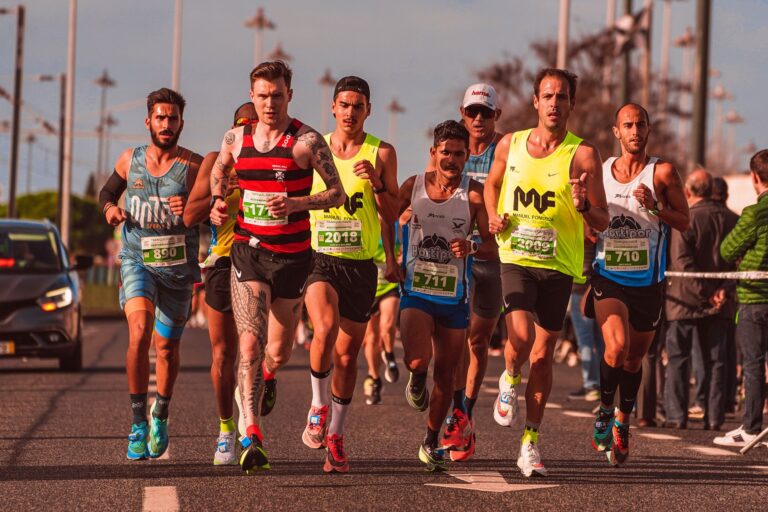
You can spot overtraining before it derails your running by monitoring your heart rate variability, the fluctuations in time between heartbeats. Heart rate variability reflects your nervous system’s readiness and recovery status—higher HRV indicates a well-rested body prepared for intense effort, while lower HRV can signal stress, fatigue, or illness. When HRV drops consistently for three to four weeks, it’s a clear warning sign your body is being pushed beyond its ability to adapt and recover.
Runners who check their HRV trends daily can catch overtraining risk weeks before physical symptoms like persistent fatigue, irritability, or declining performance become obvious. Most runners measure performance through speed and mileage, but these external metrics lag behind what your nervous system is telling you. A runner training for a marathon might hit a new personal record on the track despite being overtrained, then crash two weeks later when fatigue compounds. Your HRV trends reveal the internal story: whether you’re truly recovered and ready to push hard, or whether you’re accumulating stress faster than your body can process it.
Table of Contents
- What Does Your Heart Rate Variability Actually Measure?
- Establishing Your Personal Baseline Is Essential
- How HRV Drops Reveal Overtraining Stress
- Using HRV Thresholds to Adjust Your Training Intensity
- Understanding the Spectrum From Overreaching to Overtraining Syndrome
- HRV Recovery Markers and What They Mean
- What Recent Research Shows About HRV and Overtraining Detection
- Conclusion
- Frequently Asked Questions
What Does Your Heart Rate Variability Actually Measure?
heart rate variability is the variation in milliseconds between successive heartbeats. If your heart beats 60 times per minute, each beat doesn’t arrive exactly one second apart—the intervals vary slightly. That variability reflects the activity of your parasympathetic nervous system, the brake pedal of your body, which governs rest and recovery. A robust HRV signal—larger variability between beats—means your parasympathetic system is active and strong. When HRV drops, it often means your sympathetic nervous system, which triggers stress responses and activates your “fight or flight” mode, is dominating.
The most reliable HRV metric is root mean square of successive differences (RMSSD), which has emerged as robust due to its strong association with parasympathetic activity and resistance to interference from breathing patterns. Unlike simpler metrics that just measure average variability, RMSSD captures the subtle differences in how your body is responding to training stress. Most modern HRV apps and wearables report RMSSD as the primary number, measured in milliseconds, though they may also display it as a normalized score for easier trend tracking. Normal HRV ranges from approximately 20 to 200 milliseconds across the general population, but this varies dramatically based on fitness level, age, and training status. A sedentary person might have an average HRV of 30 milliseconds, while an endurance athlete could see consistent readings of 120 milliseconds or higher. This wide variation is why comparing your HRV to someone else’s is useless—what matters is your individual trend over time.
Establishing Your Personal Baseline Is Essential
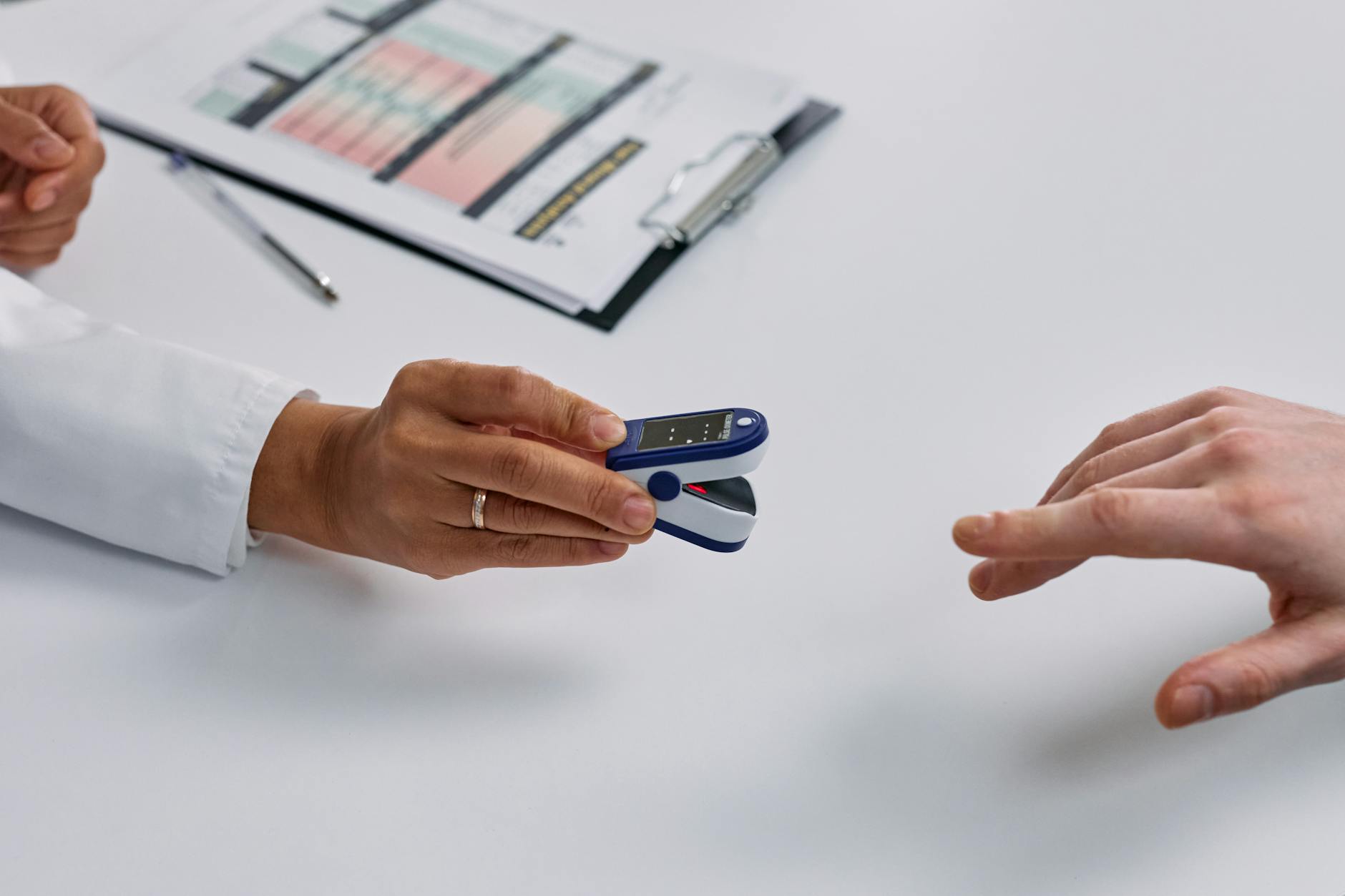
Before you can recognize when HRV drops dangerously low, you need to know what “normal” looks like for you. The standard approach is to take daily HRV measurements at the same time each morning, ideally before getting out of bed, for one to two weeks to establish a preliminary baseline. This snapshot gives you a starting point and shows natural day-to-day variability from factors like sleep quality, stress, and minor training fatigue. For a more precise and actionable baseline, collect three months of daily HRV data. This longer timeline captures seasonal variations, accounts for menstrual cycle effects if applicable, and reveals the typical range your HRV oscillates within during normal training.
With three months of data, you’ll see that on well-rested days your HRV might reach 85 milliseconds, while on moderately fatigued days it might drop to 65 milliseconds—but you’ll recognize both as “normal” and within your baseline. This personalized approach is far more reliable than generic software recommendations based on population averages. The limitation is that baseline establishment requires patience and discipline. You cannot rush the process or skip days if you’re sick, traveling, or stressed—each day’s measurement contributes to the picture. Additionally, your baseline can shift over months or years as your fitness improves or your life circumstances change, so you may need to recalibrate periodically, especially after major life changes or shifts in your training philosophy.
How HRV Drops Reveal Overtraining Stress
When your body faces excessive training stress without adequate recovery, HRV declines as your parasympathetic system becomes exhausted and your sympathetic system stays elevated. If your baseline HRV is 75 milliseconds and you suddenly see readings dropping to 55 milliseconds and staying there for days on end, your nervous system is signaling that it cannot recover between training sessions. This is the primary warning sign that overtraining is developing. The timeline matters significantly. A single day of low HRV is meaningless and usually reflects sleep disruption, life stress, or a minor illness.
But if HRV drops 10 to 30 percent below your baseline and remains suppressed for more than a few days while you continue intense training, your recovery system is failing. Research shows that a combination of reduced HRV and a significantly elevated resting heart rate (RHR)—measured first thing in the morning before movement—is an especially strong indicator that your body is stressed and not adapting positively to your training stimulus. If your RHR jumps from 48 to 54 beats per minute and your HRV simultaneously drops from 80 to 55 milliseconds, overtraining is likely happening. The challenge is that HRV trends are subtle and require consistent measurement. Runners who skip days, take measurements at different times, or don’t sleep well the night before will see noisy data that makes trends hard to interpret. Additionally, HRV fluctuates based on alcohol consumption the previous evening, caffeine timing, room temperature, and menstrual cycle phase, so you need to track contextual information alongside your numbers to separate true overtraining signals from temporary noise.
Using HRV Thresholds to Adjust Your Training Intensity
The practical value of HRV monitoring emerges when you use it as a decision tool for daily training adjustments. If your HRV is at or above your established baseline on a given morning, you’re clear to proceed with high-intensity sessions, speed work, or personal record attempts—your nervous system has recovered and your body is ready to be pushed. This is when you schedule your most demanding workouts and don’t hold back. When HRV drops 10 to 20 percent below your baseline, it’s a signal to reduce training intensity by 30 to 40 percent and shift focus toward technique work or light aerobic effort. Instead of that planned tempo run, you might run the same distance at an easy pace focused on form, or cut the workout short.
Your body is telling you it’s not fully recovered, but it can still handle structured movement and stimulus. If HRV falls 20 to 30 percent or more below your baseline, take a full rest day or restrict yourself to gentle activities like walking, stretching, or mobility work. This is not a day for negotiation—your recovery system is severely depleted and pushing through will extend the overtraining problem. The tradeoff is that HRV-guided training requires flexibility and ego management. A runner with a planned race-pace workout might see low HRV and have to accept a reduced-intensity day, which can feel frustrating and counterintuitive when they feel fine or think they can “push through.” Over time, runners who follow HRV guidance typically complete more productive training overall because they avoid the multi-week recovery hole that follows overtraining, but in the moment it requires trust in the data over immediate perception.
Understanding the Spectrum From Overreaching to Overtraining Syndrome
Recent research clarifies that overtraining exists on a spectrum with distinct stages, each with different recovery timelines. Functional overreaching (FOR) is an intentional period of higher training stress followed by recovery within less than two weeks. This is actually desired during training blocks where you’re accumulating fatigue deliberately before a taper and recovery period—your performance temporarily dips but rebounds quickly as your body super-adapts. HRV will be suppressed during functional overreaching, but this is planned and expected. Nonfunctional overreaching (NFOR) is the problem: performance decline that persists for up to four weeks despite reduced training. Your body is not adapting to the stimulus; instead it’s accumulating fatigue faster than it can recover.
HRV remains depressed, resting heart rate stays elevated, and you feel consistently fatigued despite stepping back on volume. This typically requires active recovery, reduced intensity, and patience—sometimes two to four weeks of modified training to restore normal function. The worst outcome is overtraining syndrome (OTS), where performance deterioration lasts longer than four weeks. HRV drops significantly and does not recover even with substantial training reduction. Runners in OTS often require multiple weeks of almost complete rest or cross-training with very low intensity to restore their nervous system. This is why HRV monitoring is valuable: catching NFOR or early OTS prevents the months-long recovery hole that true overtraining syndrome creates. Daily HRV tracking can identify overtraining risks weeks before physical symptoms appear, giving you time to adjust before the problem becomes severe.

HRV Recovery Markers and What They Mean
After an intense training session, your HRV typically recovers within 48 hours as your body restores thermoregulatory, metabolic, hemodynamic, and fluid-balance processes. Monitoring when HRV bounces back to baseline tells you when your nervous system has genuinely recovered from a hard effort. If you do a hard workout on Monday and HRV returns to baseline by Wednesday morning, your recovery system worked effectively and you’re prepared for the next hard session. This is healthy training stress and adaptation.
A practical example: a runner does a tough interval session on Tuesday and wakes Wednesday morning with HRV 15 percent below baseline. By Thursday morning, HRV is back to normal. This pattern—temporary dip followed by quick recovery—suggests the training stimulus was appropriate and the body is responding well. Contrast this with a runner who does a similar workout and sees HRV drop on Tuesday and remain depressed through Friday, Saturday, and into the following week. This delayed recovery, even without additional hard training, indicates insufficient overall recovery and a risk of sliding into NFOR.
What Recent Research Shows About HRV and Overtraining Detection
A 2025 bibliometric analysis of over 1,600 articles on HRV applications in sports (2010-2025) reveals that recent scientific focus has shifted toward systematic reviews examining HRV’s specific role in detecting overtraining, particularly in soccer players and endurance athletes like distance runners. This research trajectory shows that sports science is increasingly validating what athletes have observed empirically: HRV trends are a reliable early warning system for overtraining before traditional tests or symptom checklists catch the problem.
The expanding body of research also emphasizes that HRV monitoring works best as part of a holistic assessment. Combining HRV data with resting heart rate trends, perceived exertion, sleep quality logs, and training volume gives you a complete picture. No single metric tells the whole story, but HRV captures the most sensitive and earliest-appearing signal of your nervous system’s capacity to handle training stress.
Conclusion
Heart rate variability monitoring gives you a powerful tool to detect overtraining before it forces you into unwanted recovery weeks or derails your training plan. By establishing your personal baseline through one to three months of consistent morning measurements, you create a reference point for what your normal nervous system readiness looks like. When HRV drops persistently below that baseline—especially when combined with elevated resting heart rate—you have a clear signal to reduce training intensity, shift to recovery-focused work, or take a full rest day.
The key is treating HRV as actionable information rather than a vanity metric. Use it to guide training intensity decisions, adjust your schedule based on your actual recovery status, and catch functional or nonfunctional overreaching before it evolves into overtraining syndrome. Runners who adopt this approach often find they complete more productive training overall because they avoid the months-long adaptation problems that forced training creates. Your heart rate variability is constantly messaging your nervous system’s true state—the tool is learning to listen.
Frequently Asked Questions
How do I measure HRV accurately at home?
Most HRV measurements require a heart rate monitor (chest strap or optical sensor) paired with an app that calculates RMSSD. Take measurements immediately upon waking, before movement, ideally at the same time each morning. Lie still for at least two minutes before the measurement. Popular apps include WHOOP, HRV4Training, and Elite HRV, though many modern fitness watches also provide HRV data.
Can I use HRV with my running watch or fitness tracker?
Many modern fitness watches and trackers collect HRV data automatically, usually overnight during sleep. While this is convenient, it may be less precise than dedicated HRV apps because optical sensors (used by watches) are less accurate than chest straps during movement or in variable light. However, consistent measurement with any method is better than sporadic measurements with a perfect method—use what you have consistently.
What if my HRV is naturally very low compared to other runners?
Some people have naturally lower HRV due to genetics, age, training history, or baseline fitness level. This is fine; what matters is your individual trend over time, not your absolute number compared to others. Establish your own baseline and watch for changes relative to that baseline. A runner with a naturally low baseline of 40 milliseconds might see meaningful overtraining at 30 milliseconds (25 percent drop), just as a runner with a baseline of 90 milliseconds would be overtraining at 67 milliseconds.
Can poor sleep or stress outside of running affect HRV?
Yes, significantly. Sleep deprivation, work stress, relationship conflict, illness, and travel all lower HRV because they activate your sympathetic nervous system. This is why HRV monitoring requires you to track contextual information: a low HRV day due to poor sleep is different from low HRV due to accumulated training stress. Over time, you’ll learn to distinguish overtraining signals from temporary life stress, but the first month or two of monitoring is often noisy for this reason.
How long does HRV take to recover if I’m overtrained?
Recovery depends on how deep the problem is. Functional overreaching recovers within two weeks with reduced training. Nonfunctional overreaching usually requires two to four weeks of modified training before HRV normalizes. True overtraining syndrome can require 4-12 weeks or more of substantially reduced training or cross-training to restore HRV and performance. The longer you ignore low HRV signals and continue hard training, the longer the recovery hole becomes.
Should I do a hard workout if HRV is slightly low but I feel fine?
Trust HRV over perception. Feeling fine when HRV is suppressed often means you have sympathetic overdrive masking fatigue—adrenaline and stress hormones can mask how depleted you actually are. Runners who ignore HRV warnings and push hard on low-HRV days often trigger sudden crashes days later when they finally feel the accumulated fatigue. This is why HRV is more reliable than how you feel.