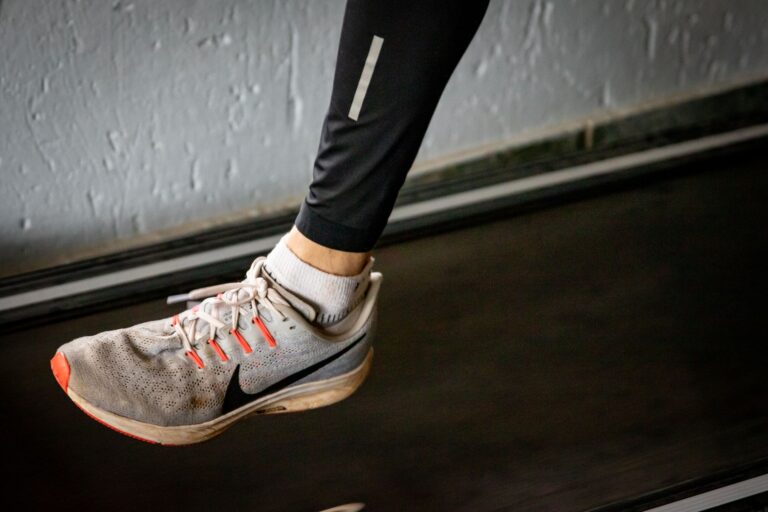
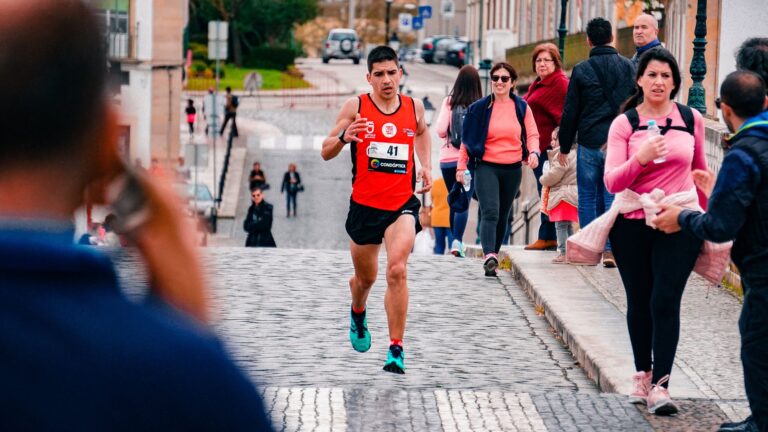
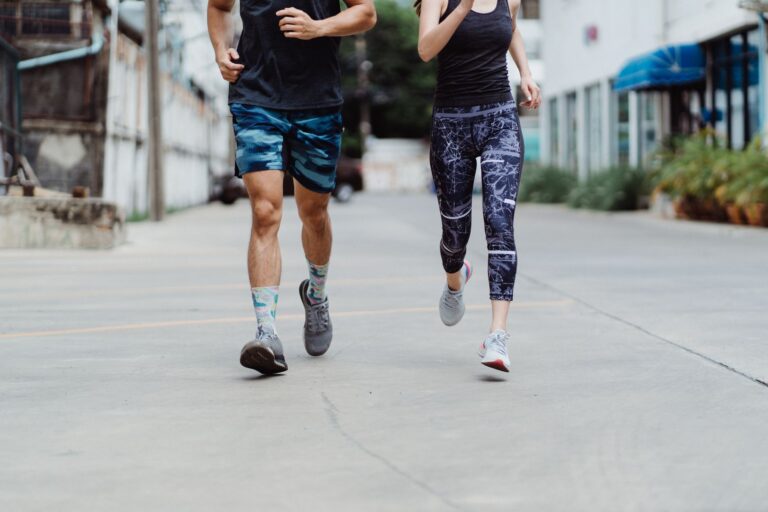
Pilates can meaningfully improve your running form by strengthening your core, stabilizing your hips, and correcting postural imbalances that lead to inefficient movement patterns. Many runners suffer from weak glutes, tight hip flexors, and collapsed posture—all issues that Pilates directly addresses through controlled, functional movements. A runner who typically lands with a forward lean and knee valgus (inward collapse) can gradually develop better alignment and stride efficiency by dedicating just two or three 30-minute Pilates sessions per week alongside regular running. The improvement doesn’t happen overnight, but most runners notice tangible changes in their gait mechanics within four to six weeks.
You’ll feel it first as reduced knee pain during runs, decreased lower back tension, and a more stable sensation when pushing off the ground. These aren’t cosmetic improvements—they’re structural changes that reduce injury risk and allow you to run with less wasted effort. This approach works because it doesn’t require you to overhaul your training or add hours to your week. Pilates integrates into an existing running routine as a complementary tool, strengthening the exact stabilizer muscles that running alone leaves underdeveloped.
Table of Contents
- How Does Pilates Address the Postural Problems That Harm Running Form?
- Core Strength and Hip Stability as the Foundation for Efficient Running
- Correcting Common Form Faults Through Pilates-Specific Exercises
- Building a Sustainable Pilates Routine That Complements Your Running Schedule
- The Role of Mind-Body Connection and Common Mistakes to Avoid
- The Difference Between Mat Pilates and Reformer Pilates for Running
- Integration Into a Long-Term Running Practice
- Conclusion
How Does Pilates Address the Postural Problems That Harm Running Form?
running demands that your pelvis stays neutral, your core remains engaged, and your shoulders stay relaxed over your hips. Without active strength in these zones, gravity and repetitive impact push your body into compensation patterns. Your hips drop on the swinging leg, your torso twists excessively, or you land with your foot reaching out ahead of your center of mass—each of these is a form breakdown that increases injury risk and reduces efficiency. Pilates is built specifically to restore and reinforce the postural foundation running requires. Mat Pilates exercises like the Hundred, Single Leg Circles, and Teaser engage your deep abdominal wall, your back extensors, and the stabilizers around your hip joint in ways that running does not.
You’re not building bulk; you’re building endurance in muscles that work to hold you upright under load. The difference between a runner with Pilates-trained core stability and one without is visible: one lands with a quiet, vertical stride while the other clomps down with visible rotation and lateral sway. A concrete example is the Single Leg Series, a Pilates classic. As you stand on one leg and perform small controlled movements with the other, your supporting hip stabilizers fire intensely to prevent the opposite hip from dropping. This directly mimics the single-leg balance you need on every footfall while running—and Pilates trains this under controlled conditions where you can focus on proper activation rather than managing running speed and fatigue at the same time.
Core Strength and Hip Stability as the Foundation for Efficient Running
Your core is not your six-pack muscles. In Pilates, core strength refers to the integrated system of your transverse abdominis, multifidus, pelvic floor, and diaphragm working together to stabilize your spine and pelvis. When these muscles are weak or uncoordinated, your larger muscles—quads, hamstrings, calves—have to compensate by working harder, which leads to overuse injuries and inefficiency. Hip stability is equally critical. Your gluteus medius is the small muscle on the outer hip that prevents your pelvis from dropping when you’re balanced on one leg.
If your glute med is weak, your opposite hip sags downward on every running stride, forcing your knee to work at an inefficient angle and your lower back to strain. Pilates directly targets this muscle through exercises like the Side-Lying Series and the Clamshell, building strength that translates immediately to better running mechanics. One important limitation to keep in mind: Pilates alone does not build the muscular endurance needed for long-distance running. A runner who does Pilates twice a week but hasn’t built a running base through running will still struggle with a half-marathon. Pilates is a complement to your running training, not a replacement. You need both systems working together—the running provides the aerobic stimulus and sport-specific conditioning, while Pilates provides the structural alignment and stability that allows your running to be efficient and injury-free.
Correcting Common Form Faults Through Pilates-Specific Exercises
Many runners land with an overstriding pattern—reaching their foot out in front of their body to hit the ground ahead of their center of gravity. This creates a braking force on every step and puts excessive impact stress on the knee and hip. The Root Cause is usually a combination of weak glutes, tight hip flexors, and poor body awareness. Pilates addresses all three. The Bridge exercise in Pilates is particularly valuable for overstriders. As you lie on your back, press through your heels to lift your hips, engaging your glutes and hamstrings while maintaining a neutral spine.
This teaches your posterior chain how to extend your hip powerfully, which is exactly what propels you forward while running. Add the Single-Leg Bridge variation and you’re now training the glute activation pattern on one leg—the same pattern you need when you’re airborne in the running stride and landing on one foot. Another common issue is excessive internal rotation of the tibia (shinbone) during landing, which leads to knee pain and IT band tightness. The Pilates Leg Springs work on a reformer can address this by training external hip rotation under load. For mat-based work, the Clamshell and Leg Pull Series build external rotator strength. A runner who has been struggling with knee pain from knee valgus will often experience relief within three weeks of adding these exercises to their routine—not because the pain itself disappears, but because the movement pattern shifts and the painful compensation goes away.
Building a Sustainable Pilates Routine That Complements Your Running Schedule
The practical challenge for most runners is time. You’re already running four to six days per week, and adding an hour of Pilates on top of that risks overtraining and burnout. The solution is specificity: do abbreviated Pilates sessions of 20 to 30 minutes, twice per week, focusing on the exact muscles and movement patterns that matter most for running form. An effective minimal routine might look like this: start with diaphragmatic breathing work and pelvic floor activation to wake up your deep core. Follow with four to five mat exercises targeting hip stability (Single Leg Circles, Clamshell, Bridge variations, and Leg Pull Series). Do this twice a week on your easy running days or on a cross-training day.
Skip the arm and leg-focused work that’s less relevant to running form; focus relentlessly on core and hip mechanics. This approach takes 30 minutes and delivers measurable results. The trade-off is that abbreviated Pilates won’t give you the full-body conditioning benefits of a comprehensive Pilates practice. If your goal is improved running form specifically, this focused approach is ideal. If your goal is also increased shoulder stability or better upper-body posture, you’ll need longer sessions or additional supplementary work. Choose based on your actual needs and the time you can realistically commit.
The Role of Mind-Body Connection and Common Mistakes to Avoid
One of Pilates’ hidden strengths for runners is the mind-body connection it builds. A Pilates instructor will constantly cue you to feel your glutes firing, to sense your core engagement, and to notice asymmetries between your left and right side. This proprioceptive awareness transfers directly to running. Once you’ve felt what it means to have your glute med firing hard during a Clamshell, you become able to recognize whether that muscle is actually working while you run. A frequent mistake is rushing through Pilates exercises to complete them quickly.
Five slow, controlled Single Leg Circles with your glute med maximally engaged will improve your running form far more than twenty fast, sloppy repetitions. The same is true for core work—a five-minute plank with perfect pelvic alignment and abdominal activation is more valuable than a ten-minute plank performed with sagging hips and a rounded lower back. Another warning: don’t assume that Pilates will fix form issues caused by muscle tightness alone. If your hip flexors are severely tight, Pilates strengthening work won’t fully restore your hip extension until you also address the tightness through stretching or foam rolling. A balanced approach includes both strengthening weak areas and releasing overactive areas. Many runners get frustrated with Pilates because they expect it to work in isolation, when in reality it’s part of a larger movement system that includes mobility work, running drills, and proper recovery.
The Difference Between Mat Pilates and Reformer Pilates for Running
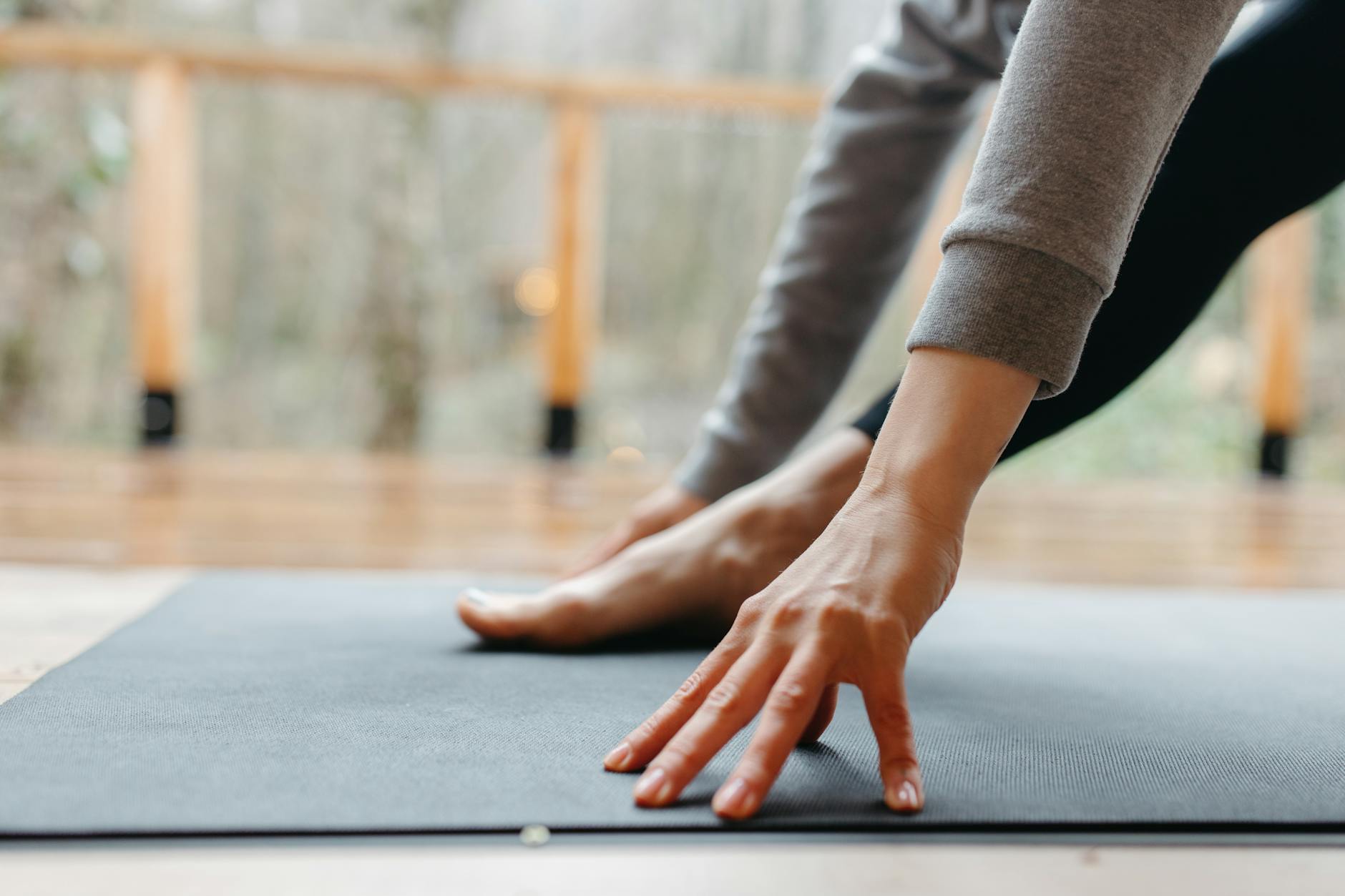
Mat Pilates and reformer Pilates both improve running form, but they have different strengths. Mat Pilates is accessible, free or nearly free, and relies on your own bodyweight and gravity for resistance. It teaches you to stabilize your body without external support, which is exactly what running demands. The Hundred, Single Leg Series, and all the bridging variations are highly effective for runners and require nothing but a mat and some floor space.
Reformer Pilates uses a machine with springs and a moving carriage, which provides variable resistance and feedback. It’s particularly valuable for runners who have significant strength imbalances or form faults, because the machine can guide you into proper alignment more effectively than your own perception can. A reformer also allows you to load exercises more heavily than on a mat, which can build strength faster. However, a reformer class or membership costs money and requires access to equipment. For most runners, a consistent mat Pilates practice will deliver excellent results within four to six weeks.
Integration Into a Long-Term Running Practice
The best approach is to treat Pilates as a permanent part of your running practice, not a temporary fix. Runners who abandon Pilates after their form improves often regress—the stabilizer muscles decondition and old compensation patterns return. By integrating twice-weekly Pilates into your routine permanently, you maintain the structural alignment and stability that keep you running efficiently and injury-free for decades.
Over time, you may find that you adjust your running intensity, volume, or speed based on how your form feels and how responsive you are to Pilates. Some runners discover they can handle higher mileage when their core is strong. Others realize they enjoy running more when their form is optimized and pain-free. The synergy between running and Pilates creates a positive feedback loop—better form makes running feel better, which motivates consistency, which keeps your form sharp.
Conclusion
Pilates offers a doable, evidence-based path to better running form that doesn’t require overhauling your training schedule. Two or three 30-minute sessions per week, focused on core stability and hip mechanics, will produce visible improvements in your gait within four to six weeks. The improvements include reduced injury risk, less wasted effort, and a more efficient stride that feels noticeably better mile after mile.
Start with a few foundational exercises—Bridge, Single Leg Circles, Clamshell, and Leg Pull Series—and do them consistently on your easy running days or cross-training days. Pay attention to the mind-body connection, focus on controlled movement over speed, and treat Pilates as a permanent part of your running practice rather than a temporary fix. Combined with running-specific drills and mobility work, Pilates is one of the most effective tools available to transform how your body moves and how much you enjoy running.