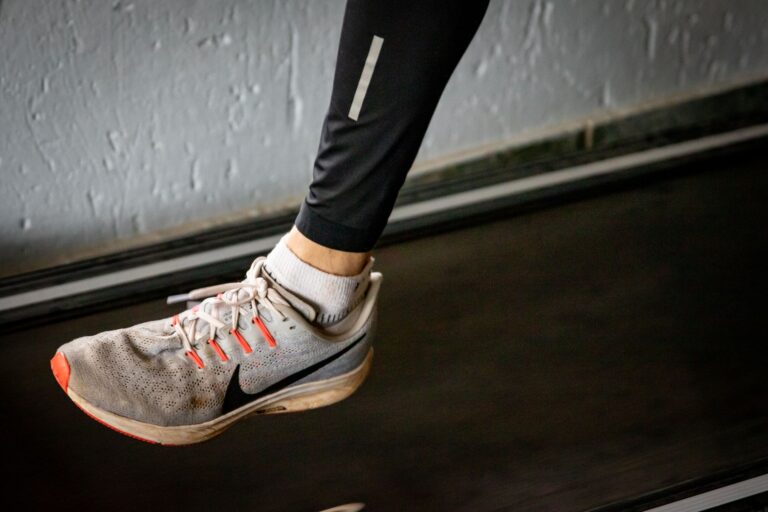
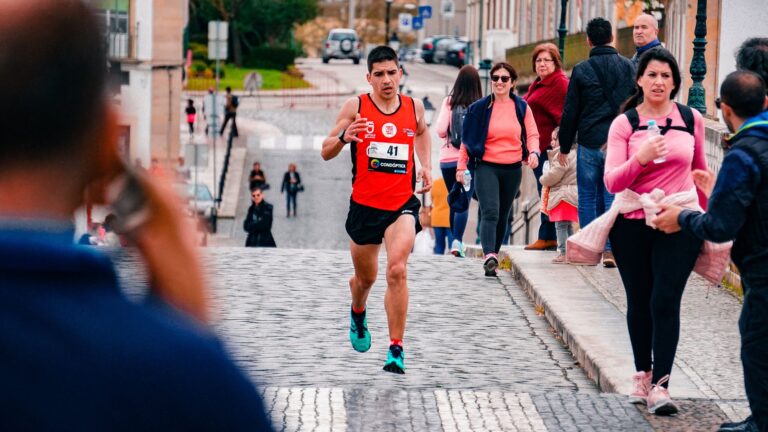
Calf raises beat stretching for Achilles tendon issues because they fundamentally change how your body responds to pain and stress on the tendon, while stretching alone tends to provide only temporary relief. Eccentric calf exercises—where you lower your body weight slowly using the injured leg—work at the mechanical and neurological level to rebuild tendon structure and increase pain tolerance. A runner we’ll call Michael struggled with chronic Achilles pain for eight months, trying daily stretching routines without improvement. Within six weeks of eccentric calf raises performed twice daily, his pain dropped significantly, and by twelve weeks he was running again. The evidence overwhelmingly favors eccentric loading over passive stretching for mid-portion Achilles tendinopathy, with success rates between 56 and 89 percent in clinical studies.
The original research by Alfredson in 1998 showed something remarkable: all 15 patients with chronic Achilles tendinosis returned to their preinjury activity level after just 12 weeks of intensive eccentric training. This wasn’t a small improvement—it was complete recovery. While stretching might help with flexibility and provide short-term comfort, it doesn’t address the underlying structural problems that develop in an injured Achilles tendon. The key distinction is that calf raises create controlled stress that prompts the tendon to adapt and strengthen, whereas stretching passively lengthens tissue that’s already compromised. For most runners and active people dealing with Achilles pain, this difference means the choice between months of frustration or a real path back to training.
Table of Contents
- Why Do Calf Raises Outperform Stretching for Achilles Problems?
- Understanding the Science Behind Eccentric Exercise Success
- The Different Types of Achilles Tendon Issues and What Works
- How to Properly Execute Calf Raises for Achilles Recovery
- When Calf Raises Alone Aren’t Enough and What to Add
- Real Recovery Timelines and What to Expect
- The Future of Achilles Tendon Treatment Beyond Traditional Methods
- Conclusion
Why Do Calf Raises Outperform Stretching for Achilles Problems?
The superiority of eccentric calf exercises comes down to how they stress the tendon versus how stretching addresses it. When you perform a calf raise, you’re loading the tendon under tension while it lengthens—exactly the opposite of what a stretch does. This eccentric loading triggers the tendon to build stronger collagen structures and improve its ability to handle force. Stretching, by contrast, temporarily increases range of motion but doesn’t fundamentally change the tendon’s structural integrity or its capacity to manage load.
Think of it like the difference between physical therapy and a heating pad: one actually rehabilitates tissue, while the other provides comfort. Systematic reviews comparing these approaches consistently show that eccentric exercises are superior to passive stretching alone for mid-portion Achilles tendinopathy. When researchers combined eccentric calf exercises with extracorporeal shock wave therapy (ESWT), improvement rates jumped to 82 percent compared to 56 percent with eccentric exercise alone. This demonstrates that while calf raises are the foundation, they also work synergistically with other treatments. Stretching, when used as a standalone treatment for chronic Achilles issues, rarely produces comparable results and may even delay recovery by failing to address the mechanical problem.

Understanding the Science Behind Eccentric Exercise Success
The mechanism behind eccentric calf raises involves two critical changes in your body: improved pain sensitivity modulation and actual structural restoration of the tendon itself. When you perform eccentric exercises, your nervous system recalibrates how it perceives pain from that tendon. This isn’t just psychological—studies show that eccentric training increases pressure pain thresholds, meaning your body becomes less reactive to stimulus around the injured area. At the same time, the mechanical stress of eccentric loading prompts your tendon to rebuild collagen fibers in a more organized, functional pattern. Imaging scans confirm this: tendons show restored normal structure after just 12 weeks of eccentric programs. A major limitation to understand is that not all Achilles problems respond equally well to calf raises. Insertional Achilles tendinopathy—pain where the tendon attaches to the heel bone—only shows success rates of 28 to 32 percent with eccentric exercise alone.
This is significantly lower than the 56 to 89 percent success rate for mid-portion tendinopathy. If your pain is specifically at your heel bone attachment point, calf raises may help but shouldn’t be your only strategy. You’ll likely need additional interventions, which is why working with a physical therapist to identify your specific injury location matters. The long-term sustainability of improvements is impressive. A five-year follow-up study of patients using the Alfredson eccentric protocol showed VISA-A scores (a pain and function scale) improved from 49.2 at baseline to 83.6 after five years. This means people weren’t just getting temporarily better—they maintained functional recovery years later. Stretching has no comparable long-term data showing sustained structural improvement at this level.
The Different Types of Achilles Tendon Issues and What Works
Understanding your specific Achilles problem is essential because treatment effectiveness varies dramatically by type. Mid-portion Achilles tendinopathy, which occurs in the middle section of the tendon above the heel, responds best to eccentric calf raises with success rates between 56 and 89 percent depending on how aggressively the protocol is followed and how severe the initial condition is. The Alfredson protocol specifically—three sets of 15 repetitions performed twice daily with no recovery days—was so effective that all 15 original patients returned to preinjury activity. That’s essentially a 100 percent success rate, though it requires strict adherence to high volume and intensity. Insertional Achilles tendinopathy, where the tendon attaches to your heel bone, tells a different story entirely.
Success rates drop to just 28 to 32 percent with eccentric exercise alone, making this a more stubborn condition. This is a critical caveat that many running websites gloss over: calf raises beat stretching across the board, but if your pain is at the insertion point, you need realistic expectations. Some insertional cases benefit more from modified exercises that reduce stress at the attachment, combined with heel lifts or other accommodations. Reactive tendinopathy (acute inflammation from sudden overload) and tendinosis (chronic degeneration) also respond differently. Reactive cases may see faster improvement with eccentric training, while chronic tendinosis requires the longer time commitment and higher volumes that Alfredson described. A runner who pushed mileage too quickly might recover in 4 to 6 weeks, while someone with years of degradation might need 12 weeks or longer.
How to Properly Execute Calf Raises for Achilles Recovery
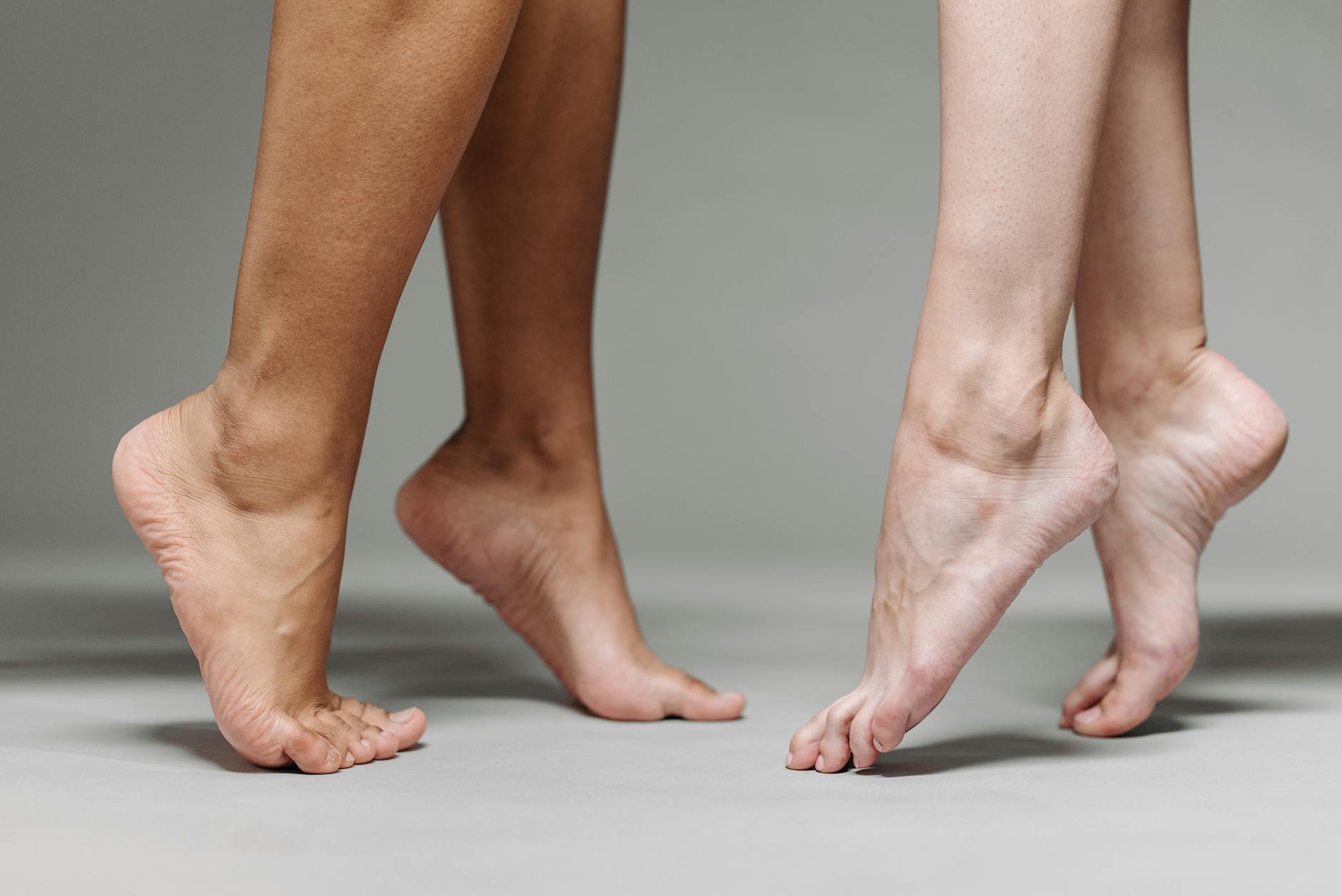
The specific technique and volume of calf raises matter enormously. The Alfredson protocol calls for 3 sets of 15 repetitions performed twice daily, and critically, you perform them with no rest days. This isn’t a gentle exercise program—it’s intentionally high volume because the tendon needs consistent loading stimulus to remodel. You perform the raises on a step or curb, starting with both legs, then shifting to only your injured leg for the lowering phase (eccentric) while using both legs to lift back up. Lower slowly over three to four seconds, pause briefly at the bottom, then lift using both legs. The slowness and control during the lowering phase is where the magic happens. Most people underestimate the commitment required. Performing this twice daily means early morning and evening sessions, and you must do it every single day for at least 12 weeks to see results comparable to Alfredson’s study.
Many runners expect to do calf raises three times a week during their regular gym sessions and wonder why they’re not improving. That’s fundamentally different from the protocol that produced 100 percent recovery rates. The high frequency trains your nervous system and tendon to adapt more aggressively than low-frequency training can achieve. A practical consideration: your calf muscles will become quite sore and fatigued initially. This is normal and different from pain in the tendon itself, though distinguishing the two can be challenging. Tendon pain usually feels deeper, sharper, or located specifically where you know the tendon is. Muscle soreness feels like a dull fatigue across your calf. If you experience sharp pain that worsens as you continue, stop and consult a physical therapist, as you may be doing the exercise incorrectly or your condition may need different treatment.
When Calf Raises Alone Aren’t Enough and What to Add
While eccentric calf raises are the foundation for most Achilles issues, they’re most effective as part of a broader program. The combination of eccentric exercise with extracorporeal shock wave therapy (ESWT) showed 82 percent improvement versus 56 percent with eccentric exercise alone at the four-month mark. This means if you’re six weeks into calf raises and not seeing meaningful improvement, adding another modality is reasonable. ESWT, which uses high-energy shock waves to stimulate healing, has strong evidence for Achilles tendinopathy when combined with exercise. Physical therapy adds value beyond calf raises by addressing biomechanical issues that contributed to your injury in the first place.
Many Achilles injuries develop because of running mechanics problems, glute weakness, or ankle mobility restrictions. If you return to running using only calf raises without fixing these upstream issues, injury recurrence is likely. A competent physical therapist will assess your running gait, screen for weakness in your hips and glutes, and address mobility limitations that stressed your tendon during running. For insertional Achilles tendinopathy cases showing poor response to eccentric exercises alone (the 28 to 32 percent success group), additional interventions become necessary sooner. Heel lifts to reduce stress at the insertion, activity modification to avoid aggravating movements, and potentially platelet-rich plasma injections or other advanced treatments should be considered. Never assume that low success rates mean calf raises won’t work for you specifically—some insertional cases do improve—but be realistic about timeline and outcomes.

Real Recovery Timelines and What to Expect
Recovery timelines follow a predictable pattern for eccentric calf raise programs, though individual variation exists. The original Alfredson study showed complete recovery at 12 weeks, which became the benchmark. Most people see noticeable improvement by week 4 to 6, with pain decreasing and function improving enough to return to light activity. However, this doesn’t mean you’re done. Continuing the program through 12 weeks allows the structural changes to solidify. A runner typically can begin easy running around week 8 to 10 if pain remains minimal, but the twice-daily calf raises should continue through week 12 at minimum.
The long-term data supports continuing some version of eccentric calf work as maintenance indefinitely. The five-year follow-up of 58 patients showed sustained improvement, but this group likely continued some level of calf strengthening. Think of eccentric calf work not as a temporary treatment but as part of permanent running maintenance, similar to how you maintain other aspects of your training. An athlete who stops all calf work after recovering from Achilles injury and increases mileage significantly may see recurrence. A warning about timelines: if you’re not seeing improvement by 6 to 8 weeks, your diagnosis might be wrong, your technique might be faulty, or your specific injury type might be one of the lower-success cases (like insertional). At that point, consult an orthopedist or sports medicine specialist rather than continuing a protocol that isn’t working. Pushing through indefinitely hoping for improvement that isn’t coming delays appropriate alternative treatment.
The Future of Achilles Tendon Treatment Beyond Traditional Methods
Emerging research into Achilles tendon treatment is moving beyond basic eccentric exercise toward more targeted interventions. Combining eccentric exercise with extracorporeal shock wave therapy is becoming standard in progressive clinics, and the 82 percent improvement rate versus 56 percent for exercise alone suggests this is where best outcomes currently lie. Researchers are also investigating the role of heavy slow resistance training—different from traditional eccentric protocols in that it emphasizes gradually increasing load over time rather than the high-volume, constant-intensity approach of Alfredson.
Biologics like platelet-rich plasma and stem cell therapies are being studied as adjuncts to mechanical treatment, though evidence remains mixed and these treatments are expensive and not universally available. The fundamental principle underlying future advances appears to be that the best outcome comes from combining mechanical stimulus (eccentric exercise or heavy resistance training) with interventions that enhance tendon healing response. For now, the eccentric calf raise protocol remains the gold standard foundation, but patients increasingly should expect it to be combined with other modalities rather than used in isolation.
Conclusion
Calf raises beat stretching for most Achilles issues because they create the mechanical and neurological stimulus required for true tendon adaptation and structural repair, while stretching provides only temporary relief without addressing underlying degradation. The evidence is substantial: eccentric calf exercises show 56 to 89 percent success for mid-portion Achilles tendinopathy, with the original Alfredson study producing 100 percent recovery to preinjury function. The commitment is significant—twice daily, every day for 12 weeks—but outcomes justify the effort.
If you’re dealing with Achilles pain, start with the eccentric calf raise protocol, performed correctly and consistently. If you’re in the lower-success category (insertional tendinopathy) or not seeing improvement by 6 to 8 weeks, add additional modalities like shock wave therapy or consult a sports medicine specialist. Combine calf raises with physical therapy addressing your running mechanics and strength imbalances to prevent recurrence. The path forward is clear, evidence-based, and achievable for most runners willing to commit to proper rehabilitation.