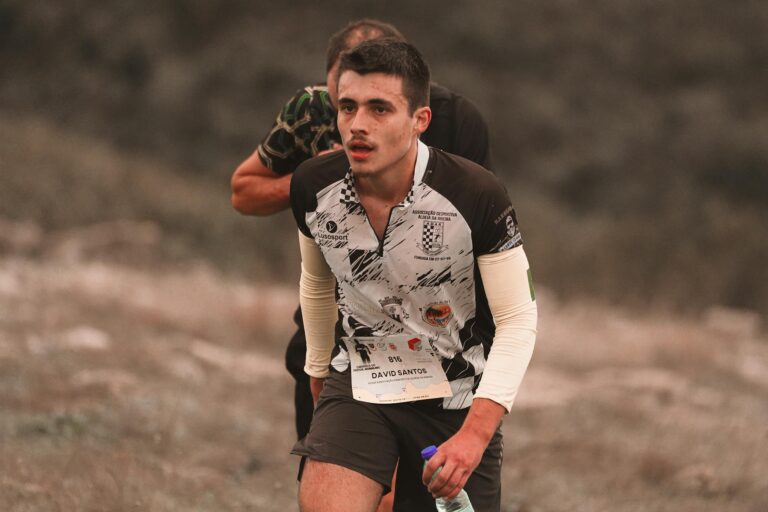
Hip weakness is the root cause of most running form problems because the hips are the power center and stabilizer for the entire lower body. When hip muscles lack strength or endurance, the body compensates with poor mechanics upstream and downstream—overuse of the quads, inward knee collapse, excessive foot pronation, and sideways pelvic drop. A runner with strong glutes and external rotators can maintain neutral alignment mile after mile; a runner with weak hips will develop form faults within weeks of increasing mileage, even if their legs feel fine. Consider a typical case: a 35-year-old marathon runner developed persistent IT band pain after increasing weekly mileage from 30 to 45 miles.
Months of foam rolling, stretching, and physical therapy targeting the IT band itself provided only temporary relief. A movement assessment revealed severe hip abductor weakness and a pelvic drop of nearly 3 inches on the right side during a single-leg stance—meaning the opposite hip was collapsing inward with each stride. Once she rebuilt hip strength over eight weeks with targeted exercises, her IT band pain resolved and her form visibly improved. The IT band wasn’t the problem; it was a symptom of hip dysfunction.
Table of Contents
- How Do Weak Hips Cause Running Form Breakdown?
- The Hidden Cost of Hip Weakness During High Mileage
- The Biomechanics of Pelvic Stability and Knee Alignment
- Building Hip Strength the Right Way
- Why Hip Weakness Often Goes Undiagnosed
- The Connection Between Hip Weakness and Injury Cascades
- The Path Forward: Integration Into Your Training
- Conclusion
- Frequently Asked Questions
How Do Weak Hips Cause Running Form Breakdown?
The hip complex—including the gluteus maximus, gluteus medius, external rotators, and hip stabilizers—performs three critical functions during running: propulsion, lateral stability, and rotation control. The glutes drive the leg backward and upward (hip extension), the medial glutes stabilize the pelvis side-to-side, and external rotators control inward femoral rotation. When these muscles are underdeveloped, your body shifts the load to muscles not designed for running: the quadriceps overfire to compensate for weak glute propulsion, and the adductors and inner thigh muscles work overtime to stabilize a wobbly pelvis. The cascade is predictable. Week one of weak-hip running: increased quad dominance and tight hip flexors.
Week two: pelvic drop or rotation during stance. Week three: the knee begins to drift inward (valgus collapse) because a collapsing pelvis pulls the femur into adduction. Week four: the foot overpronates to find stability, the knee tracks inward, and the metatarsal heads experience excess pressure. By week six, the runner reports knee pain, calf tightness, and plantar fasciitis—none of which are actually calf or foot problems. This is why runners who treat only the pain site get temporary relief but never solve the underlying injury cycle.

The Hidden Cost of Hip Weakness During High Mileage
Hip weakness doesn’t cause obvious pain during easy, short runs because the neuromuscular system can mask the instability with compensatory muscle tension. You might run a comfortable 5K without any indication that your hips are underdeveloped. But extend that run to 10 miles or add speed work, and the picture changes. Fatigue causes the small stabilizer muscles to fail first, and the large muscles can’t compensate indefinitely.
The result is a cascade of microtrauma—small, repeated injuries to tissues that weren’t supposed to handle those forces. One major limitation of relying on stretching and foam rolling to address hip weakness is that these modalities do nothing to build the muscular strength required for stability. A runner with tight glutes who stretches diligently but never strengthens is like a car with a loose steering wheel that you’re trying to fix by applying lubricant. The looseness persists because the underlying mechanical problem—inadequate muscle activation and control—remains. Over time, chronic tightness (which is actually protective muscle guarding around an unstable joint) will return within days of stretching, frustrating the runner and creating a false belief that stretching isn’t working.
The Biomechanics of Pelvic Stability and Knee Alignment
During running, your pelvis should remain relatively level and steady as your legs cycle beneath you. The gluteus medius (the muscle on the outer hip) is the primary stabilizer for this side-to-side movement. When the medius is weak, the opposite hip drops during single-leg stance—a pattern called a Trendelenburg gait. A runner with a 2-inch pelvic drop on one side will experience a chain reaction: the dropping hip pulls the femur into adduction and internal rotation, the knee compensates by tracking inward, the foot overpronates to find ground contact, and all three joints experience excessive stress angles.
A 28-year-old runner described her experience: “I could run 6 miles fine, but anything over 8 miles my right knee would start to hurt. I noticed my right knee would actually drift inward during longer runs, and I’d feel my whole right leg getting tighter.” Physical assessment showed weakness in her right glute medius and moderate pelvic drop. After six weeks of side-lying hip abduction, clamshells, and single-leg deadlifts, her pelvic stability improved dramatically. She reran her 10-mile route and reported no knee pain—not because her knee got stronger, but because her hip finally provided the stability her knee needed to move correctly.
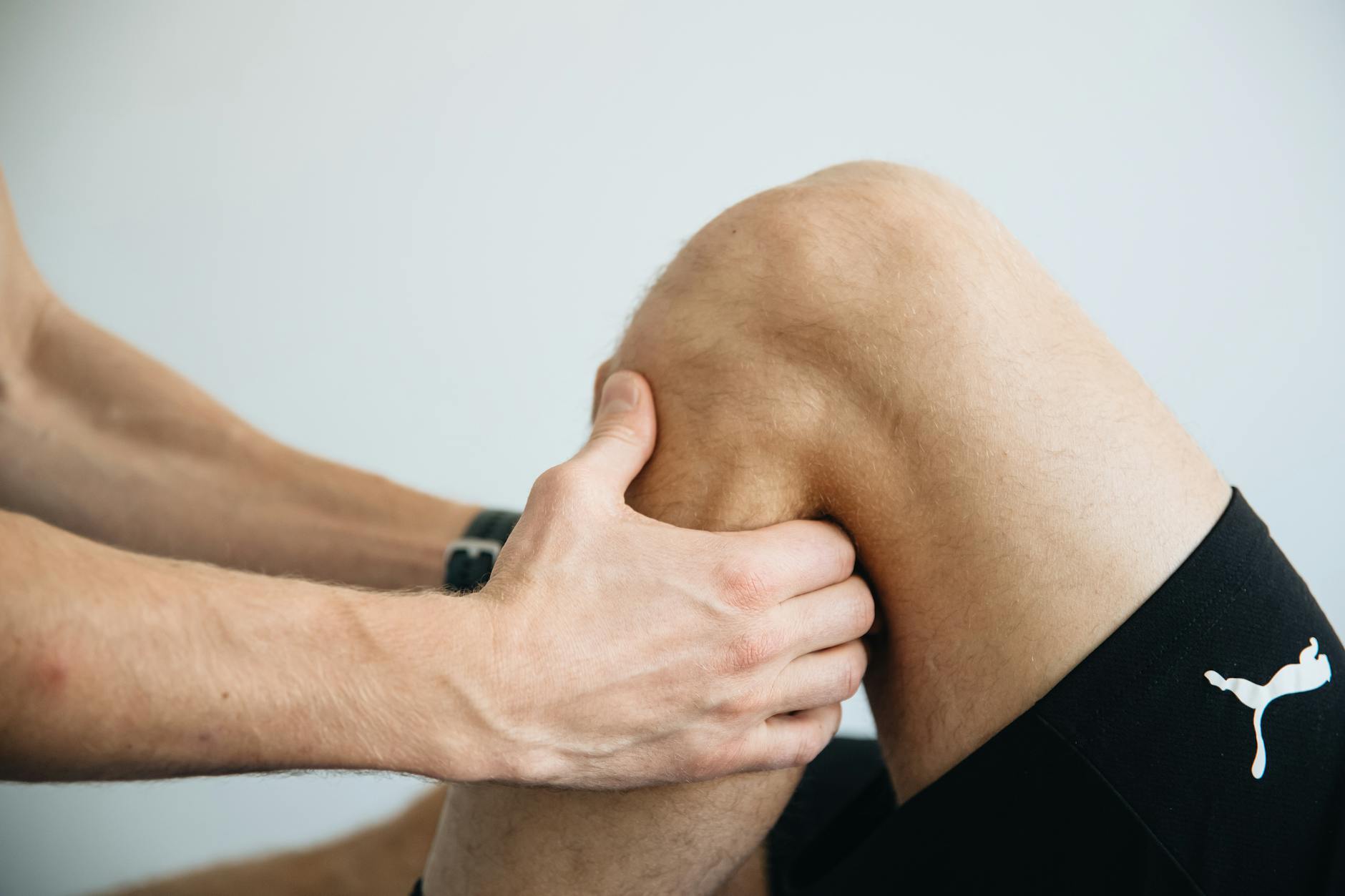
Building Hip Strength the Right Way
The most effective approach to building functional hip strength is progressive resistance training that includes hip extension, abduction, and external rotation against resistance. Bodyweight exercises like single-leg glute bridges, clamshells, and lateral band walks are a useful starting point for very weak runners, but they plateau quickly—usually within 3 to 4 weeks. Once you can execute these movements with perfect form for 15+ repetitions, you need added resistance: loop bands, dumbbells, or machines.
Comparing two common approaches: a runner who does 100 clamshells with no resistance daily will see minimal improvement in strength after eight weeks because the stimulus is too light. A runner who does 3 sets of 12 clamshells with a heavy loop band twice per week will see measurable strength gains and improvement in running form within that same timeframe. The tradeoff is effort and time—the stronger approach requires more intentional loading, but returns actual structural changes rather than the illusion of progress through high repetition of a weak stimulus. Most injured runners underestimate how much strength they actually need; a basic twice-weekly hip strengthening protocol requires only 15 minutes but pays dividends in form quality and injury prevention.
Why Hip Weakness Often Goes Undiagnosed
The reason hip weakness persists in runners is that pain is typically distant from the site of the problem. A runner with weak glutes and pelvic instability develops knee pain, so they ice the knee, do knee-specific stretches, and possibly see a physical therapist who focuses on the knee. The knee symptoms improve slightly because the inflamed tissue gets attention, but the form problem returns because the hip was never addressed. This separation between symptom and cause creates a false sense that the problem is fixed when really it’s just temporarily masked.
Most runners also underestimate the weakness of their hips because they compare themselves to casual standards, not to the demands of running. You might be able to do a single-leg squat to parallel or stand on one leg for 30 seconds without balance loss—abilities that suggest reasonable hip stability for daily life. But these movements demand far less stability and propulsive force than running requires. Running creates ground reaction forces of 2 to 3 times your body weight per stride, demands stability while your body is airborne, and requires repeated explosive hip extension and abduction. A weakness that’s invisible during balance tests becomes very visible at mile 5 of a run.

The Connection Between Hip Weakness and Injury Cascades
Hip weakness doesn’t just cause one injury; it creates a domino effect of injuries as different tissues compensate and accumulate damage. A runner with weak hips will overload their quads (leading to quad tendinopathy or patellofemoral pain), overload their IT band (leading to IT band syndrome), increase foot pronation (leading to plantar fasciitis), and experience pelvic asymmetry (leading to sacroiliac joint pain). The same weak-hip runner might report four separate injuries over a training season when all four are actually symptoms of a single underlying problem.
An example illustrates this cascade clearly: a 40-year-old recreational runner experienced calf strain, then IT band pain, then plantar fasciitis, then hip pain—each 4-6 weeks apart—over nine months. She treated each injury separately with modality-specific therapy. Only when a sports medicine physician ordered movement screening instead of imaging did the pattern emerge: severe hip weakness and poor single-leg stability. Addressing the hip weakness resolved not just the hip pain, but also prevented recurrence of the previous injuries.
The Path Forward: Integration Into Your Training
The good news is that hip weakness responds to targeted training very quickly. Most runners see measurable improvement in hip strength and running form within 4 to 6 weeks of consistent, progressive hip work. The key is consistency—two focused sessions per week beats sporadic effort, and progressive resistance (gradually increasing challenge) beats indefinite repetition of the same easy exercise. Hip work doesn’t need to replace your running; it needs to complement it.
A runner training for a half-marathon can add 15 minutes of hip-focused strength work twice weekly without interfering with their running schedule or creating excessive fatigue. Looking at the landscape of running injuries over the past decade, sports medicine professionals have increasingly recognized that the single most preventable injury cause is inadequate hip stability. As testing and assessment tools have improved, it’s become clear that addressing hip weakness is as fundamental as proper footwear or appropriate training load progression. Runners who build hip strength proactively—not waiting until they’re injured—avoid the entire injury-recovery-reinjury cycle that derails so many training plans.
Conclusion
Hip weakness is the invisible root of most running form problems because weak hips can’t provide the stability and propulsion your lower body needs during running. The breakdown is systematic and predictable: weak hips cause pelvic instability, which causes knee misalignment, which causes foot and ankle stress, which causes a cascade of injuries distant from the actual problem site. Runners often treat these distant symptoms with stretching, ice, and modality-specific therapy while the weak hips remain unaddressed, ensuring the problem returns.
The solution is straightforward: test your hip strength honestly, assess your pelvic stability during running, and build hip strength with progressive resistance training twice weekly. This targeted work, combined with your normal running training, can eliminate the form faults and injury risk that plague so many runners within weeks. Your knees, feet, and overall running experience will improve not because you fixed those areas, but because you finally gave your hips the stability they’ve needed all along.
Frequently Asked Questions
How do I know if my hip weakness is causing my knee pain?
Have someone video you running from behind. If your hip drops more than an inch on one side during stance, or if your knee drifts inward, hip weakness is likely a major contributor. A physical therapist can confirm this with simple tests like the single-leg stance and side-lying hip abduction strength assessment.
Can I fix hip weakness with just stretching and foam rolling?
No. Stretching and foam rolling can address tightness, but they don’t build the muscular strength required for stability. You need progressive resistance training—exercises like clamshells, side-lying abduction, and single-leg deadlifts with added resistance—to meaningfully improve hip strength.
How long does it take to fix hip weakness and improve running form?
Most runners see noticeable improvement in hip strength and form quality within 4 to 6 weeks of consistent, twice-weekly hip-focused training. However, full integration of stronger hips into stable running form can take 8 to 12 weeks as your nervous system learns to recruit the stabilizers more automatically during running.
Do I need to reduce my running while I’m building hip strength?
Not necessarily. Twice-weekly hip strengthening sessions (15 minutes each) can be added to your running routine without significant additional fatigue or interference with your training plan. If you’re recovering from a running injury caused by hip weakness, you may need to reduce running volume temporarily while strength work takes priority.
What’s the difference between hip weakness and hip tightness?
Hip weakness is inadequate muscular strength for stability and propulsion. Hip tightness is restricted range of motion or protective muscle guarding around an unstable joint. Many runners are both weak and tight—the tightness is often a protective response to instability. Addressing the weakness first usually helps resolve the tightness.
Can strong hips prevent running injuries?
Strong hips don’t guarantee injury prevention, but they significantly reduce the risk of common injuries caused by form breakdown: knee pain, IT band syndrome, plantar fasciitis, and sacroiliac joint dysfunction. Hip strength is one of the few trainable factors that directly improves form stability and injury resilience.