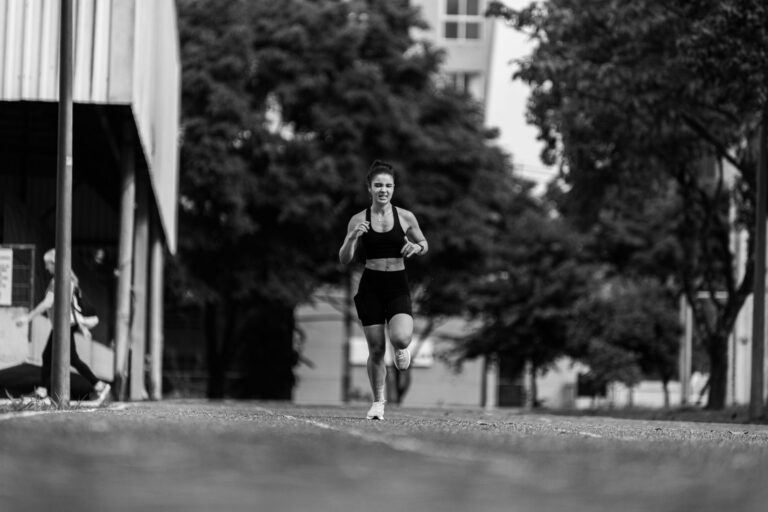
Most runners breathe wrong, and the cost is significant: inefficient breathing patterns can reduce your oxygen utilization by as much as 15%, leaving your aerobic engine running well below capacity. This isn’t about breathing too shallow or too fast, though those are common problems. The real issue is that runners rarely learn proper breathing mechanics, instead defaulting to whatever feels natural—which is often counterproductive. A runner who habitually breathes through their mouth while striking hard with their feet creates a chain reaction of tension that travels from the diaphragm upward, stiffening the core and shoulders just when they need to be relaxed and efficient.
Over a 10-mile run, that inefficiency compounds into fatigue, slower splits, and the nagging sense that you’re working harder than you should. The 15% oxygen loss figure comes from studies comparing runners with intentional breathing patterns to those who breathe reactively without thought. The difference shows up measurably: heart rate variability changes, lactate clearance slows, and perceived effort climbs despite maintaining the same pace. What makes this particularly frustrating is that the fix isn’t complex. It requires understanding how breathing connects to your gait, learning to breathe through your nose at easier paces, and using rhythmic patterns that sync with your cadence rather than fight it.
Table of Contents
- Why Do Runners Develop Inefficient Breathing Patterns?
- How Breathing Mechanics Affect Your Oxygen Capacity and Running Economy
- The Connection Between Breathing and Core Stability
- Practical Breathing Techniques for Different Running Paces
- Common Breathing Mistakes That Kill Running Performance
- How to Assess Your Current Breathing Pattern
- The Future of Breathing Training in Running
- Conclusion
Why Do Runners Develop Inefficient Breathing Patterns?
running creates a natural conflict in the body. Your legs are moving at a steady cadence—typically 160 to 180 steps per minute for most runners—while your breathing wants to follow its own rhythm. When you don’t deliberately coordinate these two systems, your breathing becomes reactive rather than purposeful. You breathe faster as your effort increases, but you’re not matching that acceleration to your stride. This asynchrony forces your diaphragm to work against your moving core instead of with it, creating micro-tensions that restrict your available oxygen. The mouth-breathing habit compounds the problem.
When you run hard, the instinct is to gulp air through your mouth because it feels faster and easier. Physiologically, this makes sense—your mouth has a larger opening than your nasal passages. But mouth breathing bypasses the nose’s natural functions: filtering, warming, and humidifying incoming air. More importantly, it changes how your nervous system interprets the run. Nasal breathing triggers the parasympathetic response at lower intensities; mouth breathing signals the sympathetic (fight-or-flight) system even when you’re only running easy. A runner doing three 5-mile runs per week while mouth breathing is essentially training their body to stay in a low-level stress state for 15 miles weekly, which taxes recovery and makes harder sessions feel harder.

How Breathing Mechanics Affect Your Oxygen Capacity and Running Economy
Proper breathing during running isn’t about maximizing the volume of air you take in—your lungs are already fully capable of that. It’s about maximizing oxygen extraction and delivery. When you breathe rhythmically, synced to your stride, your diaphragm descends and ascends in concert with your core movement. This coordination reduces the metabolic cost of breathing itself. Research shows that runners who breathe in a 3:2 pattern (three steps in, two steps out) or 4:2 pattern at easy paces demonstrate better oxygen saturation in their blood and lower heart rates at the same speed compared to uncoordinated breathers.
The limitation here is worth acknowledging: this doesn’t work universally at all intensities. At a true all-out sprint or tempo effort, rigid breathing patterns become counterproductive because your breathing rate naturally climbs and trying to force it into a predetermined rhythm wastes focus. However, for the 80% of your weekly running that happens at easy to moderate paces, rhythm is powerful. A runner training for a marathon might spend 40 to 50 miles per week in zones where rhythmic breathing is both possible and beneficial. That’s dozens of hours where synchronized breathing can reduce the energy cost of the run itself, leaving more capacity for your legs.
The Connection Between Breathing and Core Stability
Breathing and core function are inseparable, yet most runners treat them as separate systems. Your diaphragm is your primary breathing muscle and also a critical component of core stability. When you breathe inefficiently—shallow-chested, rapid, uncoordinated—your diaphragm doesn’t move through its full range of motion. This weakens intra-abdominal pressure, the internal pressure system that stabilizes your trunk during running. With less core stability, your pelvis can’t maintain a neutral position as effectively, causing compensatory movement in your knees, ankles, and lower back.
Consider a runner with poor breathing mechanics running a half marathon. For the first three miles, the inefficient breathing and reduced core stability don’t create obvious problems. But by mile six, the accumulated micro-movements in the spine and pelvis begin triggering muscular fatigue in the lower back and hips. The runner perceives this as “I’m tiring” when the real problem is stability breakdown. A runner with synchronized breathing and consequently better intra-abdominal pressure can run the same pace mile six feeling much fresher, because the structural support is doing the work instead of muscles having to compensate.

Practical Breathing Techniques for Different Running Paces
The most effective approach differentiates breathing by effort level. For easy runs and base-building, nasal breathing is the gold standard. It feels harder initially because you’re restricting airflow to what the nose naturally provides, but this is the point. Your body adapts by improving oxygen extraction efficiency. Most runners can comfortably sustain an easy pace breathing exclusively through the nose for 20 to 45 minutes within two to three weeks of consistent practice. A sample easy run: 10-minute warm-up at conversation pace with nasal breathing, 20 to 30 minutes at a pace where you could still hold a full sentence, continuing nasal breathing, then a 5-minute recovery jog.
For moderate paces and tempo runs, the transition point typically comes when you cannot sustain conversation. This is where rhythmic mouth and nose breathing becomes necessary. A 3:2 pattern (three-step inhale, two-step exhale) or 4:2 pattern provides structure. At tempo pace (comfortably hard, around 85% max heart rate), a 2:2 pattern—two steps in, two out—works well for many runners. The tradeoff here is precision versus feel. Following a strict pattern requires mental engagement and can feel artificial at first. Runners often report that after four to six weeks of deliberate practice, it becomes automatic.
Common Breathing Mistakes That Kill Running Performance
The most widespread error is inconsistent breathing depth. A runner takes one shallow breath, then a normal breath, then a deep gulp, with no pattern. This creates instability in oxygen delivery to your muscles and makes your heart rate spike inconsistently. Elevated heart rate variability (the healthy kind) comes from parasympathetic breathing; chaotic, reactive breathing creates the opposite. Over a 45-minute run, this compounds into elevated overall heart rate and the feeling of working too hard.
Another critical mistake is holding tension in the chest and shoulders while breathing. Many runners develop a mental connection between “working hard” and “tensing up,” including tightening their shoulders and clenching their jaw. This creates a feedback loop: tension restricts full diaphragmatic breathing, which reduces oxygen, which triggers more sympathetic activation, which increases tension. The warning sign is simple: if you finish a run with sore shoulders or a tight neck, you were likely breathing inefficiently and holding excess tension. The fix involves deliberate shoulder relaxation drills during runs. Every few minutes on a run, consciously drop your shoulders, unclench your jaw, and relax your face for 10 to 15 seconds.

How to Assess Your Current Breathing Pattern
The simplest assessment is the nose-breathing test. Pick an easy-paced run and attempt to breathe exclusively through your nose for 15 minutes. Can you do this while maintaining your normal pace without gasping or feeling oxygen-deprived? If yes, you have reasonable baseline efficiency. If you must switch to mouth breathing within five minutes, your current aerobic fitness or breathing mechanics need work. Don’t interpret this as failure—it’s just a baseline.
Most untrained runners fail this test but improve quickly. Another check is post-run breathing recovery. After finishing a run, how quickly does your breathing return to normal? Count how many breaths it takes you to return to a natural resting rate. Efficient breathers typically recover in two to five minutes at easy pace. If you’re still breathing heavily or rapidly 10 to 15 minutes after finishing an easy run, your breathing mechanics during the run were likely inefficient, requiring your respiratory system to work overtime.
The Future of Breathing Training in Running
As wearable technology improves, runners increasingly have data about their breathing patterns. Chest straps that measure respiratory rate, watches that track variability, and even smartphone apps that provide biofeedback are making breathing training more accessible and measurable. The emerging evidence suggests that runners who track and intentionally improve their breathing patterns see improvements in aerobic power and running economy within four to eight weeks, with even greater gains over months of consistent practice.
The broader implication is that breathing has likely been an overlooked leverage point in running training. Most coaches focus heavily on mileage, pace, and intensity distribution but rarely prescribe breathing work. As awareness grows, this will likely change. The runners who adopt efficient breathing mechanics today are essentially claiming a 5% to 15% performance advantage without adding miles or intensity to their training.
Conclusion
Breathing wrong is a silent performance killer in running. The inefficiencies—mouth breathing, asynchronous patterns, tension-driven breathing, and lack of diaphragmatic engagement—cost most runners a measurable percentage of their oxygen capacity and efficiency. What makes this frustrating is that the cost is unnecessary. The fix requires no equipment, no extra time, and no additional running volume.
Start with one change: commit to nasal breathing for one easy run per week for three weeks. If you tolerate it, add a second easy run and extend the duration. Once nasal breathing feels natural, layer in rhythmic breathing for moderate-paced runs. Within six to eight weeks of consistent practice, you’ll notice your breathing feels easier, your heart rate feels lower at the same pace, and your body feels more stable during runs. That’s the 15% you’ve been leaving on the table finally coming home.