Yes, you can measurably reduce impact force when running by changing how your foot strikes the ground. Research shows that transitioning from a heel strike pattern to a midfoot or forefoot strike can reduce stress on your joints by up to 30 percent. This isn’t theoretical—runners who make this shift report fewer knee injuries, less ankle stress, and the ability to run longer distances with less pain. A runner who was experiencing regular knee pain from logging 20 miles per week on heel strikes, for example, can often reduce that discomfort within 4-6 weeks of deliberate technique adjustment.
The science behind this is straightforward: your foot strike pattern determines how forces travel through your body when it contacts the ground. Every time your foot lands, your leg must absorb impact forces equivalent to 1.5 to 3 times your body weight. Heel striking concentrates these forces in a small area of your heel and travels straight up through your knee joint. Midfoot and forefoot strikes distribute that same impact across a larger surface area and allow your muscles to absorb the shock more effectively, which is why biomechanics researchers consistently document lower impact forces with these patterns. The methods to achieve softer landings combine three overlapping approaches: adjusting your foot strike pattern, optimizing your running cadence, and selecting shoes that work with your natural biomechanics rather than against them.
Table of Contents
- How Foot Strike Pattern Affects Joint Stress and Impact Forces
- Cadence Optimization and the 180 Steps Per Minute Rule
- The Role of Shoe Design and Midsole Softness in Impact Reduction
- Training Your Body for Softer Landing Mechanics
- Managing the Transition Period and Common Complications
- Advanced Impact Reduction Through Ankle and Foot Strength
- Integration of Research Findings and Long-Term Running Success
- Conclusion
- Frequently Asked Questions
How Foot Strike Pattern Affects Joint Stress and Impact Forces
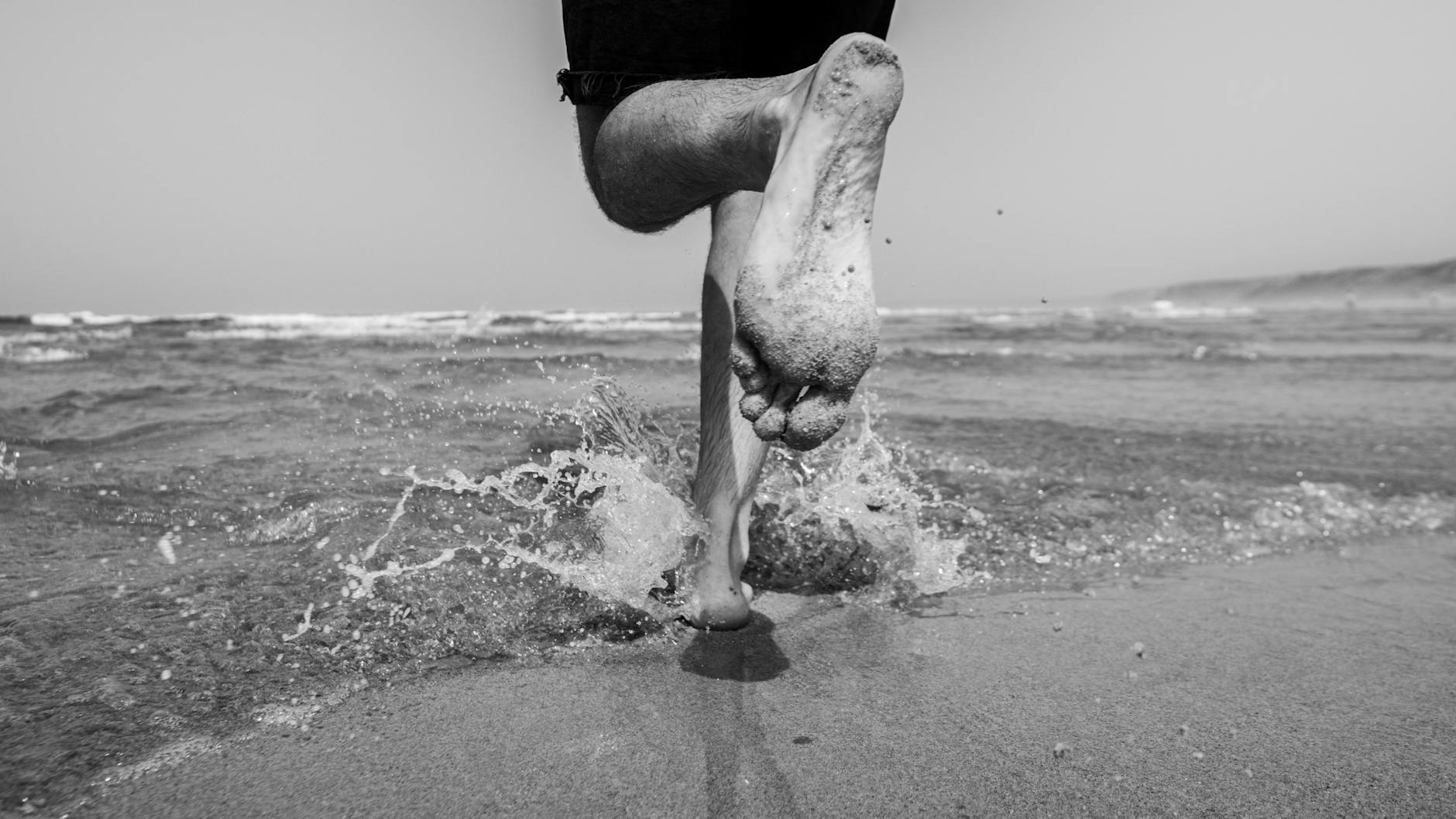
Your foot strike pattern is the single most influential variable you can control to reduce running impact. When you land on your heel first, the initial impact forces spike sharply before your leg muscles engage to absorb the shock. This creates a braking effect with each step, slowing your forward momentum slightly and forcing your muscles to work harder to overcome this deceleration. Midfoot strikers land with their center foot making contact first, while forefoot strikers land on the ball of the foot. Both patterns engage the calf muscles and Achilles tendon immediately, creating a spring-like mechanism that absorbs force more gradually and more efficiently. Research from Hong Kong Sports Clinic documents that midfoot and forefoot strikes produce significantly lower impact forces in the first milliseconds of foot contact compared to heel striking.
The patellofemoral joint—the connection between your femur and tibia that tracks through your knee—experiences up to 30 percent less stress with these landing patterns. This difference compounds over a run; a 10-mile run involves roughly 15,000 foot strikes, meaning the cumulative stress reduction is substantial. A runner switching from heel strike to midfoot landing on the same weekly mileage might reduce total knee stress by 150,000 foot-strikes worth of force per week. However, there’s an important limitation: the transition requires a gradual adjustment period. Your calves, Achilles tendon, and intrinsic foot muscles are not adapted to the demands of midfoot or forefoot striking if you’ve been heel striking for years. Jumping immediately to midfoot landing in every run causes these tissues to overload rapidly, typically resulting in Achilles tendonitis or plantar fasciitis rather than injury prevention. The transition should span 4-8 weeks, with gradual increases in the distance you run using the new pattern.
Cadence Optimization and the 180 Steps Per Minute Rule
Running cadence—the number of steps you take per minute—is your second most important control variable for impact reduction. Optimal cadence for most runners sits around 180 steps per minute, with a reasonable range of 170-190 depending on your height and leg length. This number emerged consistently across biomechanics research because it represents a sweet spot where your leg muscles have time to decelerate your body effectively between ground contacts while maintaining natural running rhythm. Runners with lower cadences—typically 160 steps per minute or fewer—take longer, more powerful strides that require higher forces to decelerate and propel forward. These runners are more likely to overstride, meaning their foot lands in front of their center of gravity, creating a braking force with each step.
Increasing cadence reduces stride length naturally, which shifts your foot landing closer to your body’s center and eliminates much of that braking effect. The biomechanical research from Colorado Training Systems shows that reducing braking forces is one of the most direct paths to lower overall impact. The practical limitation is that cadence feels awkward initially when you increase it. A runner accustomed to 165 steps per minute will feel like they’re “running in place” or “tippy-toeing” when they first practice 180 steps per minute, even though they’re moving at the same speed. The perceived effort changes because your muscles are contracting in different patterns. This adaptation typically takes 2-3 weeks of deliberate practice for the higher cadence to feel natural, which is why cadence work is best done gradually during easy-paced runs rather than during interval work.
The Role of Shoe Design and Midsole Softness in Impact Reduction
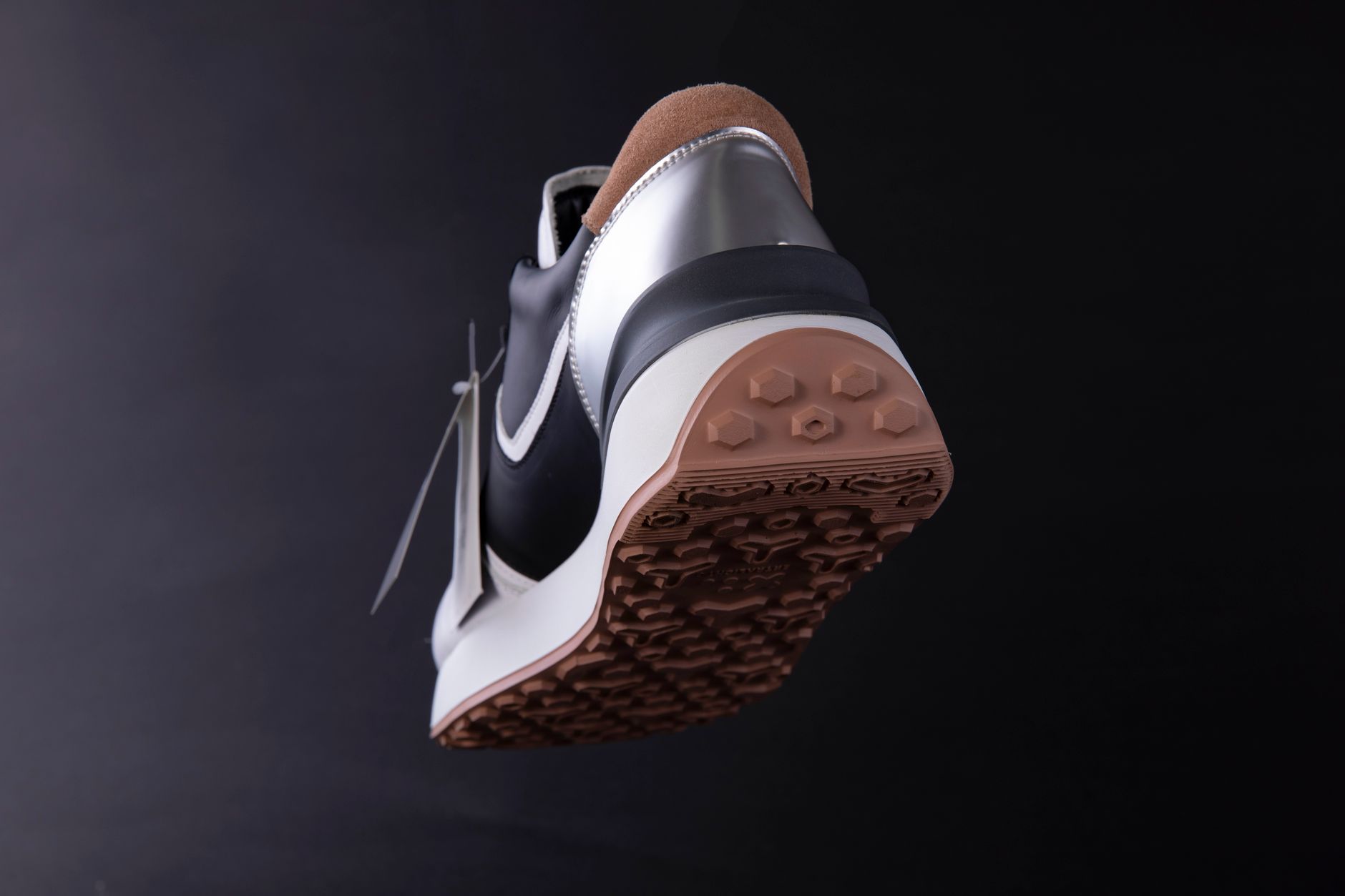
The shoes you run in directly influence your body’s ability to absorb impact. Recent 2025 research published in Scientific Reports found that advanced running shoes designed with technology that encourages forefoot or midfoot striking reduce biomechanical risk factors for injury by shifting the way your foot naturally contacts the ground. These shoes aren’t doing the work for you; rather, they’re making the correct landing pattern feel more natural and comfortable, which increases the likelihood you’ll maintain it. Midsole softness matters more than many runners realize. A 2025 study in Frontiers in Public Health compared running in soft midsole shoes versus hard midsole shoes and found that soft midsoles produced significantly smaller maximum ankle inversion angles—meaning your foot and ankle experienced less twisting stress—across all running speeds.
The softer midsole allowed the shoe to deform slightly as your foot landed, extending the duration of the impact absorption phase. Think of it like the difference between dropping a raw egg onto concrete versus onto a pillow; the pillow deforms and extends the deceleration time, allowing the egg to survive. A soft midsole does the same thing for your joints. Cushioned shoes specifically reduce rearfoot impact forces even when you’re fatigued, which matters because most running injuries occur late in runs when your muscles are tired and less able to absorb shock. Research shows that the attenuation benefit of cushioning shoes actually increases in post-fatigue conditions, meaning the shoes provide more protection when you need it most. The tradeoff is that ultra-soft shoes sometimes reduce proprioceptive feedback—your ability to feel subtle ground contact—which some runners find destabilizing until they adjust.
Training Your Body for Softer Landing Mechanics
Implementing softer landing techniques requires deliberate, progressive training rather than sudden change. The foundation is developing knee and hip flexion strength and control. Research from the Council of Allied Medical Professionals documents that bending your hips and knees significantly while maintaining an upright chest absorbs landing forces far more effectively than a rigid leg posture. When you land with bent knees and hips, you’re spreading impact absorption across multiple large muscle groups—your quadriceps, glutes, and hip flexors all contribute to slowing your body’s descent. Runners who land with relatively straight legs are forcing their tendons and joints to absorb most of the shock. The practical progression starts with drills that reinforce the physical pattern.
High-knee running drills, where you run in place raising your knees to hip height, naturally encourage you to land underneath your body with a slightly midfoot strike. Bounding drills—exaggerated, powerful running motions—teach your muscles to engage actively with the ground. Wall runs, where you run in place against a wall keeping your torso nearly vertical, emphasize that upright posture that protects your knees. Perform these drills 1-2 times per week for 10-15 minutes, then apply what you’ve learned during easy-paced runs. The comparison that matters here is tempo: drills teach the pattern, but easy running cements the pattern. If you only practice correct form during drills, your body reverts to old patterns as soon as effort increases. Spend the majority of your transition time running easy with conscious attention to cadence and foot landing, rather than trying to maintain perfect form during fast running where neuromuscular fatigue makes maintaining technique harder.
Managing the Transition Period and Common Complications
The transition to softer landing invokes a predictable sequence of challenges that runners should anticipate. Calf soreness is nearly universal in the first 1-2 weeks because your calves are working in a completely different way than they were during heel striking. This soreness is distinct from injury pain; it’s a muscle fatigue sensation that improves with gentle movement and typically resolves within 2 weeks. Running through calf soreness is appropriate; running through sharp pain in the Achilles tendon or bottom of the foot is not. Plantar fasciitis represents a real complication that occurs in roughly 15-20 percent of runners attempting rapid foot strike transitions. Your plantar fascia—the connective tissue across the bottom of your foot—tightens when foot strike patterns change, especially if the transition happens too quickly.
Warning signs include sharp heel pain first thing in the morning or pain that spikes immediately after your run. These symptoms mean you need to slow your transition pace and add 5-10 minutes of calf and foot stretching to your daily routine. Continuing to run hard through developing plantar fasciitis can extend the problem into chronic irritation lasting months. The limitation many runners encounter is that their environment resists the transition. Training partners, coaches, or even your own sense of what “proper running” feels like may work against forefoot landing, especially if you’ve been running heel strike for a decade. Social pressure and ingrained habit are real obstacles. Committing to 8 weeks of transition time requires confidence in the research and tolerance for feeling like you’re running “wrong” for a period while your body adapts and the new pattern starts to feel natural.
Advanced Impact Reduction Through Ankle and Foot Strength
Beyond cadence and foot strike pattern, specific strength work on your feet and ankles amplifies impact reduction. Your feet contain dozens of small muscles called intrinsic muscles that, when strong, increase the stiffness and stability of your arch. A stronger arch absorbs impact more effectively because it can stiffen to maintain its shape throughout the landing phase rather than collapsing and forcing your larger leg muscles to work harder.
Intrinsic foot strengthening exercises like towel scrunches—grabbing a towel with your toes—or short-foot exercises, where you try to shorten your foot by engaging your arch without curling your toes, take just 5 minutes per day but produce noticeable improvements in ankle stability and impact absorption over 4-6 weeks. Runners who incorporate these exercises report improved comfort during landing and a reduction in the “dead leg” sensation some experience when transitioning landing patterns. The example that illustrates this: a runner who felt unstable and uncomfortable on forefoot landing often feels noticeably more confident and stable within 3 weeks of dedicated foot strengthening, because their arch is now supporting the load properly.
Integration of Research Findings and Long-Term Running Success
The 2025 research on running shoes and biomechanics reveals something important: technology works best when aligned with your body’s natural mechanics rather than fighting against them. Advanced running shoes reduce injury risk factors not because they’re magical, but because they nudge your foot toward landing patterns that your body is anatomically designed to execute. A shoe that encourages midfoot striking combined with conscious cadence work and foot-strike training creates a multiplier effect that compounds the injury reduction benefits.
Looking forward, the convergence of soft midsole technology, foot strike encouragement in shoe design, and well-established training progressions makes softer landing technique accessible to most runners. The 30 percent reduction in impact force isn’t a distant goal requiring exceptional athleticism; it’s a practical outcome that most runners can achieve within 8-12 weeks through deliberate, progressive training. The runners most likely to succeed are those who treat the transition as a skill to develop rather than a switch to flip immediately, and who use all three tools—foot strike adjustment, cadence work, and appropriate footwear—in combination.
Conclusion
Landing softer when running reduces impact force by up to 30 percent and prevents the cumulative stress injuries that eventually sideline most runners. The methods are straightforward: transition your foot strike from heel to midfoot or forefoot, optimize your cadence to approximately 180 steps per minute, and select shoes that support rather than fight your biomechanics. None of these changes require special equipment or exceptional athleticism, but all of them require gradual, progressive implementation rather than sudden switching. Begin by selecting one component to focus on—most runners find the most success starting with cadence, which is easiest to adjust immediately.
Once cadence improvement feels stable, add foot-strike work through drills and easy runs. Finally, evaluate your footwear and potentially transition to shoes that encourage the landing pattern you’re training. Give yourself 8-12 weeks to complete the transition, expect some temporary soreness and awkwardness, and plan to run easy during this period while you’re rebuilding your running pattern. The result—fewer injuries, longer running career, and the ability to handle higher mileage with less pain—makes the adjustment period worthwhile.
Frequently Asked Questions
Can I change my foot strike pattern without new shoes?
Yes. Foot strike is a learned motor pattern, not determined by your shoes, though appropriate shoes make the transition easier. Many runners successfully transition to midfoot striking in their current shoes. However, if your current shoes are heavily cushioned heel strikers’ shoes with a high heel-toe drop, transitioning to shoes with a lower heel-toe drop or minimal shoes often makes maintaining the new pattern feel more natural and comfortable.
How do I know if I’m landing on my midfoot versus my forefoot?
The easiest method is video analysis. Record yourself running from the side, then look at where on your foot contacts the ground first. If your heel touches first, you’re heel striking. If the ball of your foot and mid-foot touch simultaneously or the ball contacts first, you’re landing midfoot or forefoot. Alternatively, listen to your footstrike sound while running; heel strikers produce a heavy, consistent thud, while midfoot strikers produce a quieter, more distributed sound.
Is 180 steps per minute the right cadence for everyone?
180 is an excellent target for most runners, but your ideal cadence depends on your height and leg length. The general rule is that taller runners may use 170-175 steps per minute while shorter runners might be closer to 185-190. The key is to increase your current cadence if it’s significantly below 170, as low cadence directly increases impact forces. You can measure cadence by counting your foot strikes for 15 seconds and multiplying by four, or use a metronome app or smartwatch.
How long does it take to feel comfortable with midfoot landing?
Most runners find that the pattern starts to feel normal within 2-3 weeks and genuinely comfortable within 4-6 weeks. If you’re still experiencing sharp pain or significant discomfort after 6 weeks, it likely indicates a specific issue like plantar fasciitis or Achilles tendonitis rather than normal adjustment soreness, and you should adjust your transition approach or seek professional evaluation.
Will softer landing automatically prevent all running injuries?
Softer landing reduces impact-related injuries like runner’s knee, shin splints, and stress fractures, but doesn’t prevent overtraining injuries or issues from poor running volume progression. You still need to follow a reasonable training plan, not increase mileage faster than 10 percent per week, and balance running with adequate recovery. Impact reduction is one piece of injury prevention, not a complete solution.
Can I use midfoot landing for all types of running, including sprints and fast paces?
Midfoot landing works for easy runs and moderate distances, and most runners naturally move toward a more forefoot-oriented strike during faster running because their cadence naturally increases. It’s normal and appropriate for your landing pattern to shift slightly toward forefoot landing during sprints or mile-pace running. The goal isn’t to maintain identical mechanics at all paces, but to avoid heavy heel striking and excessive braking forces during easy running where most runners spend most of their volume.