When your resting heart rate climbs consistently after age 60, you’re looking at a significant health warning sign. A person whose baseline heart rate—measured while sitting quietly—has gradually increased over years faces a 65% higher risk of developing heart failure and a 69% increased risk of death from any cause, according to research presented at the American Heart Association’s Scientific Sessions in November 2024. This isn’t about the temporary elevation that comes from climbing stairs or taking a brisk walk. It’s about what happens to your heart when you’re doing nothing at all, day after day, as those baseline measurements inch higher.
Consider someone who had a resting heart rate of 60 beats per minute at age 55, but finds themselves at 75 or 80 by age 65. That upward creep over a decade signals that something has shifted in how their cardiovascular system functions. The research is unambiguous: a rising resting heart rate is a predictor of future trouble, not just a harmless quirk of aging. This is the distinction that matters most for anyone past 60: exercise that elevates your heart rate is protective, even lifesaving. But a chronically elevated resting heart rate is a red flag.
Table of Contents
- What Cardiovascular Risks Come With a Rising Resting Heart Rate After 60?
- Why Does Resting Heart Rate Matter More Than Exercise Heart Rate?
- How Is Exercise-Induced Heart Rate Elevation Different?
- What Should People Over 60 Actually Do About Their Heart Rate?
- What Causes Resting Heart Rate to Increase After 60, and When Should You Worry?
- Which Lifestyle Factors Most Impact Your Resting Heart Rate After 60?
- What Should You Monitor Going Forward?
- Conclusion
What Cardiovascular Risks Come With a Rising Resting Heart Rate After 60?
The numbers from recent large-scale research are sobering. A meta-analysis examining data from more than 1.2 million patients found that every 10 beats per minute increase in resting heart rate was associated with a 1.09 times higher risk for all-cause mortality—meaning death from any cause. Patients whose resting heart rate exceeded 80 beats per minute had a 45% higher relative risk for death compared to those with lower baseline rates. For adults already in their 70s and 80s, a higher resting heart rate was linked to 1.78 times higher risk for heart failure hospitalization and 1.74 times higher risk for cardiovascular death, even after accounting for other risk factors like blood pressure, cholesterol, and weight.
The heart failure connection deserves particular attention. The research from the American Heart Association tracked individuals over 20 years and found that those whose resting heart rate increased had substantially higher rates of eventual heart failure diagnosis. Heart failure isn’t a sudden event—it develops gradually when the heart becomes less efficient at pumping blood. A chronically elevated resting heart rate can be an early signal that this deterioration is beginning. It’s comparable to a car engine that idles higher than it should: something is working harder than normal, even when it should be at rest, and that extra work takes a toll over time.

Why Does Resting Heart Rate Matter More Than Exercise Heart Rate?
The critical distinction Intensity Minutes Matter More Than Age”>here separates people who exercise regularly from those who don’t. When you exercise, your heart rate rises—that’s the point. This temporary elevation is part of the adaptation process that makes your cardiovascular system stronger. The problem emerges when your heart is working hard at rest, when it should be recovering. A high resting heart rate suggests your autonomic nervous system is stuck in a state of mild alarm, constantly signaling your heart to beat faster even when there’s no physical demand. This dysregulation of the autonomic nervous system is the underlying mechanism.
Your parasympathetic nervous system (the “rest and digest” function) should dominate when you’re sitting down. If your resting heart rate is elevated, it means your sympathetic nervous system (the “fight or flight” function) is overactive even at baseline. This isn’t something that reverses overnight, which is why the research looks at changes over years—the body’s baseline functioning has fundamentally shifted. A limitation of resting heart rate as a health indicator is that it’s influenced by many factors: caffeine intake, stress levels, sleep quality, and certain medications can all push it higher temporarily. However, what the research captures is the *trend* over years, filtering out these daily fluctuations. A single high reading isn’t alarming. A consistent upward trajectory is.
How Is Exercise-Induced Heart Rate Elevation Different?
This is where the good news lives. An elevated heart rate during and immediately after exercise is exactly what you want happening. When you exercise, your body responds by increasing cardiac output—the amount of blood pumped per minute. This adaptive response makes your heart more efficient. For people over 60, any amount of weight training was shown to lower all-cause mortality, cardiovascular mortality, and cancer mortality, compared to doing no strength training. The CDC guidelines for older adults recommend 150 minutes of moderate aerobic activity per week or 75 minutes of vigorous activity, plus muscle-strengthening exercises at least two days per week.
The contrast is instructive: a 70-year-old who exercises regularly and temporarily elevates their heart rate to 120 beats per minute during a workout is doing something protective. That same person sitting at rest with a baseline heart rate that’s chronically elevated to 75 or 80 is signaling a problem. Exercise training actually *lowers* resting heart rate over time if done consistently. This is one of the classic adaptations of cardiovascular fitness. Athletes often have resting heart rates in the 50s or even lower because their hearts have become so efficient they don’t need to beat as frequently to circulate blood effectively. An increasing resting heart rate after 60, by contrast, suggests a loss of efficiency, not a gain.
What Should People Over 60 Actually Do About Their Heart Rate?
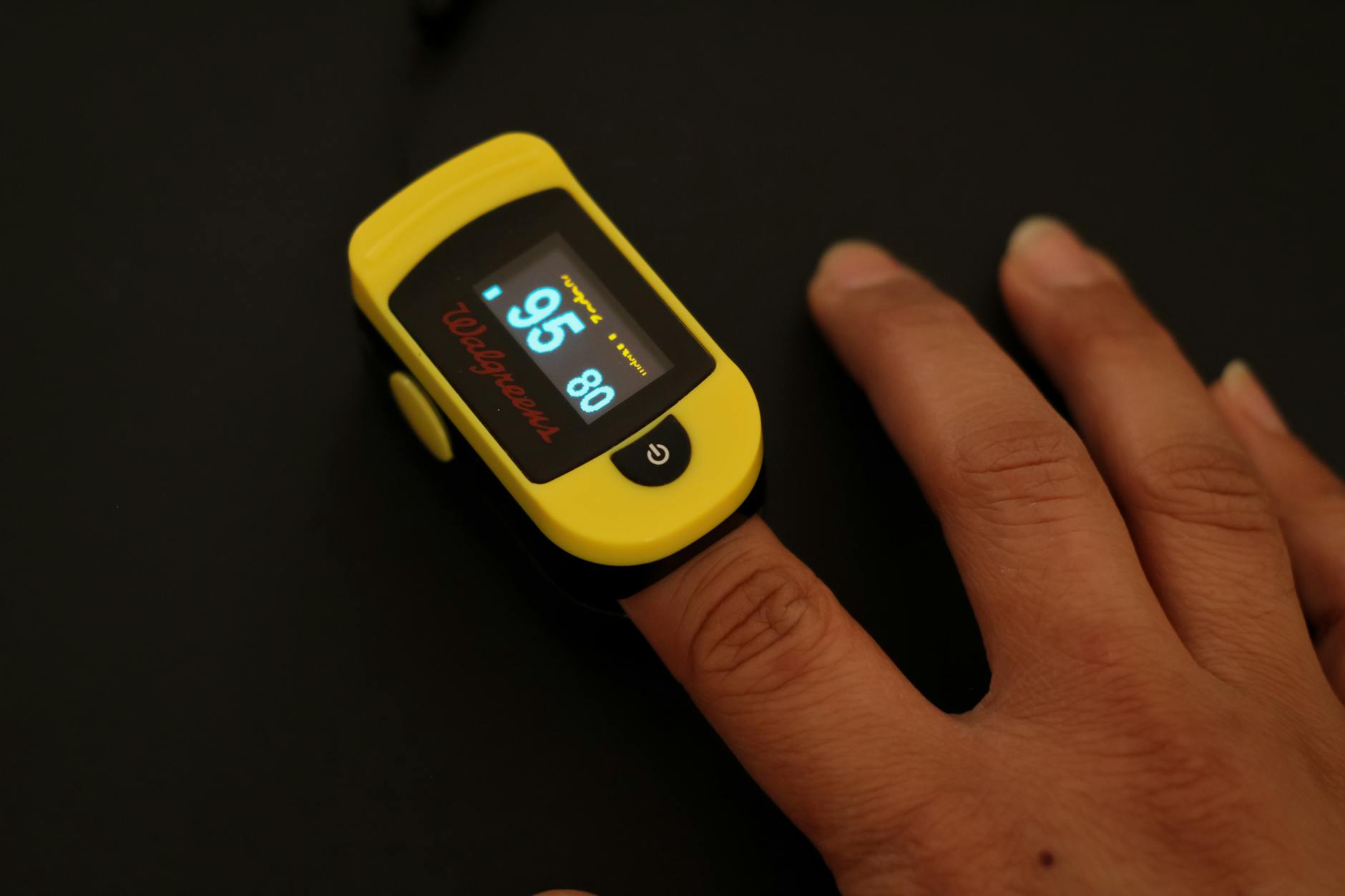
The practical path forward starts with establishing a baseline. Know your resting heart rate right now—measure it first thing in the morning before getting out of bed, or after sitting quietly for at least five minutes. Do this for a few days and get an average. Then, over the next few years, pay attention to whether that number is climbing or stable. This isn’t about obsessing over daily fluctuations but tracking the long-term trend.
If you notice a consistent upward drift of more than 10 beats per minute over a year or two, that’s a conversation to have with your doctor. The CDC guidelines provide a clear target: 150 minutes of moderate-intensity aerobic activity weekly, like brisk walking or swimming, combined with muscle-strengthening activities at least twice weekly. This isn’t extreme. A person exercising at this level will have an elevated heart rate during the workout and for a short time afterward, but the adaptation should be a *lowered* resting heart rate over weeks and months. Compare this to someone who’s sedentary—their resting heart rate may creep upward without any deliberate action. The tradeoff is straightforward: investing time in movement now protects you from the compounding effects of dysregulation that show up in the cardiovascular numbers a decade later.
What Causes Resting Heart Rate to Increase After 60, and When Should You Worry?
Some increase in resting heart rate comes naturally with aging, but the research suggests this shouldn’t be dramatic or unidirectional. A slow drift from 60 to 65 beats per minute over 10 years is different from a jump from 60 to 75 in two years. The latter pattern warrants medical evaluation. Possible causes include deconditioning (losing fitness), thyroid dysfunction, anemia, infection, heart disease, or undiagnosed arrhythmias. Stress and poor sleep quality can also drive it higher. A warning: if your resting heart rate jumps suddenly by more than 10-15 beats per minute and stays there, or if it’s accompanied by shortness of breath, chest pain, or dizziness, contact your doctor.
These could signal acute cardiac issues. The limitation of self-monitoring is that you’re catching the symptom, not the underlying cause. An elevated resting heart rate is useful as a red flag to investigate, but it’s not a diagnosis. Your doctor may order an EKG, thyroid tests, or other evaluations to understand why it’s elevated. In some cases, it’s reversible—improving fitness, managing stress, and treating underlying conditions like thyroid disease can bring it back down. In other cases, it reflects genuine cardiac changes that need medical management.

Which Lifestyle Factors Most Impact Your Resting Heart Rate After 60?
Fitness level is the dominant factor. People who maintain aerobic fitness throughout their 50s and 60s tend to have stable or declining resting heart rates. People who become sedentary see it rise. Stress and sleep are the second tier—chronic stress keeps your sympathetic nervous system activated, and poor sleep prevents recovery. Someone with significant life stress and six hours of interrupted sleep nightly will likely have a higher resting heart rate than their baseline.
An example: a retired person who takes up regular walking might see their resting heart rate drop by 5-10 beats per minute within a few months as cardiovascular efficiency improves, whereas a colleague who leaves the workforce but becomes more sedentary might watch theirs climb. Other modifiable factors include caffeine and alcohol consumption. High caffeine intake can elevate resting heart rate, as can excess alcohol. Weight also matters—obesity increases resting heart rate, while running-to-lose-weight/”>weight loss generally lowers it. These factors are interactive: someone addressing stress, improving sleep, increasing exercise, and moderating caffeine will likely see the most meaningful improvement in resting heart rate.
What Should You Monitor Going Forward?
Moving forward, think of resting heart rate as one vital sign among several that reflect your cardiovascular health trajectory. Along with blood pressure, cholesterol, and blood glucose, resting heart rate tells a story about how your body is adapting to the choices you’re making. The encouraging finding is that this isn’t entirely determined by your genes—the research shows that people who exercise have better outcomes than sedentary people, regardless of starting point. Your resting heart rate is partly a reflection of fitness investment, and that’s within your control.
The long-term outlook depends on intervention. Someone at 65 whose resting heart rate is rising and who makes no changes will likely continue on a concerning trajectory. Someone who recognizes the pattern and responds—increasing aerobic activity, managing stress, improving sleep, losing weight if needed—can stabilize or even improve their resting heart rate over the next few years. The research from the American Heart Association emphasizes that this isn’t a one-time measurement but a pattern over decades. Catching the upward trend and responding in your 60s or 70s can prevent the cardiovascular deterioration that manifests as heart failure or premature mortality in the 80s.
Conclusion
When your resting heart rate climbs consistently after 60, you’re seeing a measurable shift in how your cardiovascular system functions at baseline. The research is clear: this pattern predicts heart failure risk and increased mortality. But this knowledge is empowering rather than frightening because resting heart rate is partly modifiable through deliberate action—regular exercise, stress management, better sleep, and weight management can all lower it. The protection comes from moving your body hard enough to temporarily elevate your heart rate, which creates the adaptation that lowers your resting baseline over time.
Start by knowing your baseline resting heart rate now. Track it over time for the upward trend rather than daily fluctuations. If it’s rising, don’t wait—invest in the 150 minutes of weekly moderate aerobic activity that the CDC recommends for adults 65 and older, add strength training, and address stress and sleep. The goal isn’t to chase a perfect resting heart rate number but to signal to your body that you’re still making cardiovascular demands on it, which keeps it strong and efficient. Your resting heart rate in a decade will largely reflect the fitness choices you make in the next few months.