The best cardio for a comeback is the one that builds your aerobic base without reinjuring you—which, for most runners returning from injury or extended time off, means low-impact activities like cycling, swimming, or elliptical work combined with a gradual return to running. Your cardiovascular system bounces back faster than your musculoskeletal system does, so the mistake most runners make is returning to running too aggressively because they feel ready aerobically. A runner who took three months off due to a hamstring injury might feel capable of a seven-mile run after two weeks of cross-training, but those muscles, tendons, and connective tissues need significantly more time to adapt.
The comeback matters because how you return shapes whether you get injured again. A study of recreational runners who had time off found that those who relied solely on easy running came back faster, with fewer reinjuries, than those who mixed in tempo work or speed early. The real goal isn’t to match your old fitness—it’s to build a resilient foundation that can actually handle the mileage you want to run.
Table of Contents
- What Type of Cardio Gets You Back Fastest Without Risking Reinjury?
- Timing the Transition from Cross-Training Back to Running
- The Role of Running-Specific Movements During Recovery
- Choosing Your Primary Cross-Training Sport Based on Your Injury
- Avoiding the Common Comeback Trap of Intensity
- The Week-by-Week Comeback Schedule That Works
- The Mental Shift from Comeback to Building a Better Base
- Conclusion
- Frequently Asked Questions
What Type of Cardio Gets You Back Fastest Without Risking Reinjury?
The hierarchy of come-back cardio moves from lowest impact to highest impact: pool running and swimming sit at the bottom, cycling and elliptical training in the middle, and easy jogging at the top. Each one carries your cardiovascular fitness forward without the pounding. If you’re returning from a lower-body injury—and most comebacks are—pool running is exceptional because it replicates running mechanics without any impact force. Your legs move in a running motion against water resistance that’s forgiving and adjustable.
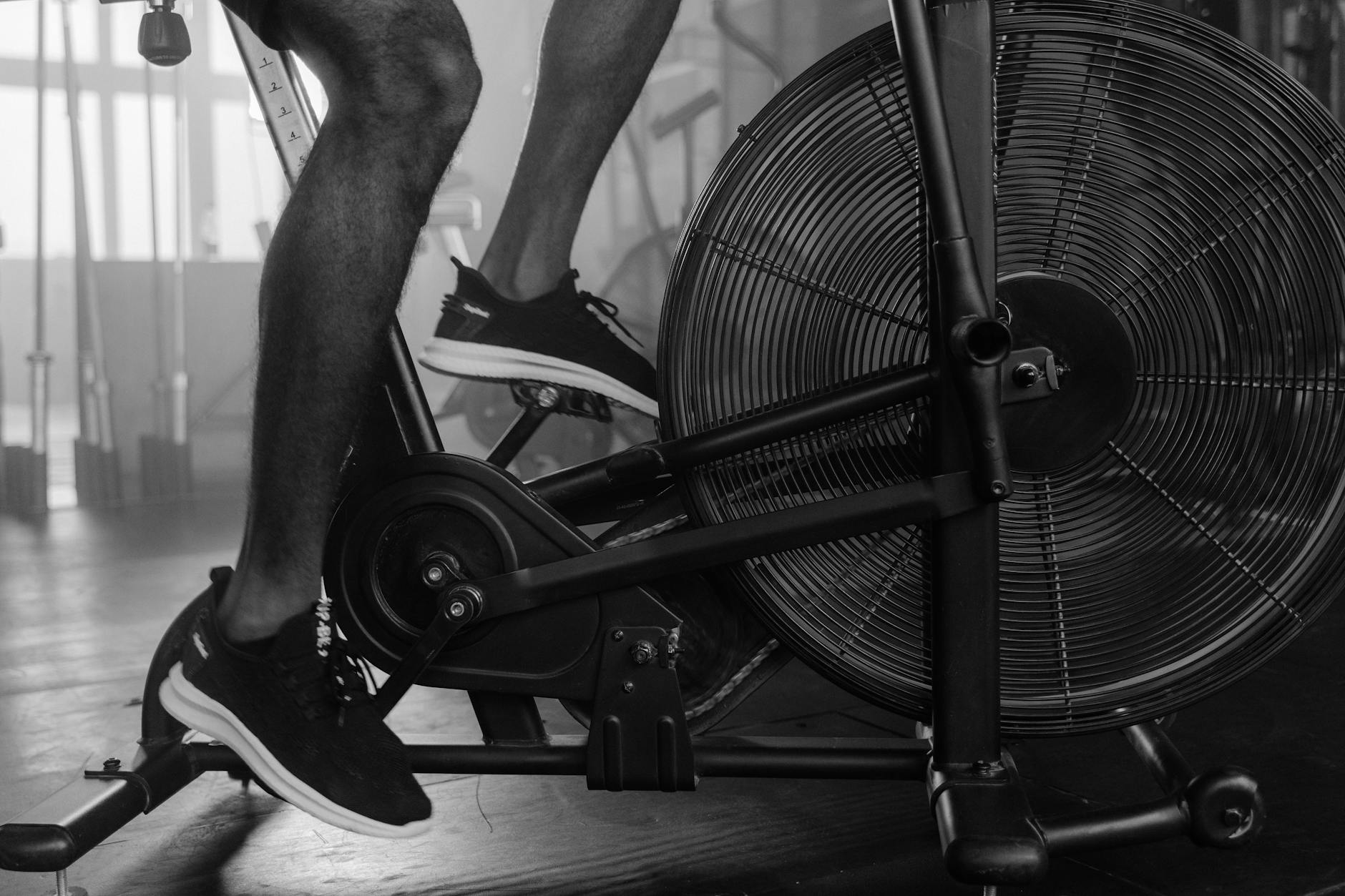
A runner with a stress fracture in the metatarsal can maintain aerobic fitness in the pool for weeks, then transition to cycling before ever touching ground running again. Cycling is valuable because it builds strength in the quads and hip extensors without demanding the single-leg stability that running requires. The downside is that it doesn’t train your feet, ankles, or calves for the specific impact they’ll face when you run. A cyclist might feel aerobically ready but discover calf soreness after a short jog because that tissue was never stressed during the comeback phase. Swimming works your upper body too but doesn’t train the lower-body neuromuscular patterns at all, so it’s best combined with walking or easy jogging, not used alone.
Timing the Transition from Cross-Training Back to Running
The mistake most runners make is moving too fast through phases. A reasonable timeline looks like this: if you had a minor injury or four weeks off, spend at least two weeks doing mostly cross-training with small amounts of easy running—perhaps walk-jog intervals twice a week. If you had a significant injury or injury-related downtime lasting two months or more, spend four to six weeks on cross-training before returning to pure running, and make running a once- or twice-weekly addition to cross-training, not the focus. The warning here is that you’ll feel ready long before your tissues are ready. At week three of cross-training, your cardiovascular fitness might feel normal; your hormones, energy, and mental state will push you to run more than is safe. This is where structure matters.
Write down your plan—how many days per week of each activity, what intensity—and stick to it even when it feels too easy. Runners who ignore this phase boundary often experience a re-injury or new injury within four to six weeks of resuming normal training. One limitation of extended cross-training is that it can change your running form or stride slightly. Your body adapts to cycling by altering hip and knee angles; it adapts to pool running by removing the eccentric loading that happens in normal running. When you finally return to regular running, your neuromuscular system has to relearn the specific demands. This usually takes two to three weeks of easy running to work out, but it’s worth knowing so you don’t panic when your running feels clunky initially.
The Role of Running-Specific Movements During Recovery
While cross-training maintains aerobic fitness, it doesn’t train running-specific mechanics. That’s why short, easy running intervals mixed into cross-training during the comeback phase actually accelerates return to normal training. A runner might do 30 minutes on the bike, then finish with six times two minutes of easy jogging with walk breaks between. This teaches the body to run again without the volume that could trigger reinjury.
strength training deserves equal emphasis during this phase. If your injury was to the knee, hip, or ankle, the muscles around that area were weakened—either from the original injury or from months of compensation patterns. A four-week comeback plan should include three days of strength work targeting the injured area plus surrounding muscles. A runner returning from ankle surgery needs single-leg balance work, calf raises, and resistance band work for hip abduction; doing this three times a week makes the difference between a stable return and a wobbly, painful one.

Choosing Your Primary Cross-Training Sport Based on Your Injury
Different injuries call for different cross-training approaches. If you’re recovering from a running-related overuse injury—shin splints, IT band syndrome, plantar fasciitis—cycling or pool running work equally well, but pool running has a slight edge because it maintains your running form. If you’re returning from an acute injury like an ankle sprain or stress fracture, cycling is often better because it removes the balance demands that ankle injuries require, but pool running can start sooner in the recovery process because impact isn’t a factor.
Swimming is most useful for runners returning from hip or glute injuries because it doesn’t load those areas heavily, allowing them to heal while you maintain fitness. The tradeoff is that swimming doesn’t prepare your lower body for the specific forces of running. An elliptical machine is a middle ground—it’s lower impact than running but higher impact than cycling or pool work, so it’s useful when you’re transitioning from low-impact work back to running but not ready for full running yet.
Avoiding the Common Comeback Trap of Intensity
The most common mistake during comebacks isn’t high volume—it’s intensity. A returning runner might do three days of cross-training and think, “I’ll do one tempo run to maintain fitness.” Tempo runs are exactly what you should avoid during a comeback. Your cardiovascular system can handle the intensity, but your muscles, tendons, and joints cannot. The injury that sidelined you in the first place thrives in that exact scenario: good aerobic fitness, compromised structural integrity, and intensity applied before the foundation is solid. For the first four to eight weeks of your comeback, every run should feel easy. If you can’t complete it while holding a conversation, you’re running too hard. This is counterintuitive because easy running feels ineffective—but during a comeback, it’s the only effective pace.
A runner who follows this rule and builds from 15 minutes of easy running twice a week to 30 minutes three times a week over eight weeks will have a durable return. A runner who adds intensity too early will likely experience a setback. One specific warning: don’t use heart rate zones or pace-based training during the first month back. These tools make it too easy to rationalize intensity. A runner might say, “I’m still in zone two,” but zone two can include movement quality that’s compromised by weakness. Trust effort and conversation instead. If your legs feel heavy or your stride feels asymmetrical, dial back, even if the intensity metrics say you’re fine.

The Week-by-Week Comeback Schedule That Works
A concrete example: you’ve been out for eight weeks with a hip injury. Week one of return: three days of cycling (30 minutes each) and two days of strength training (glute activation, single-leg balance work, hip abduction resistance). Week two: same but add walk-jog intervals once—five times two minutes of easy jogging with two-minute walks. Week three: add another run day—two days of walk-jog, same volume.
Week four: move to continuous easy running twice a week at 15 minutes each, keep cycling and strength. Week five through eight: add five minutes each week to your easy run, now doing it three times a week. By week eight, you’re at 30 easy minutes three times a week, no injuries, no setbacks, and actually ready to think about progression. This schedule assumes no setbacks. If pain appears—sharp pain, not soreness—pause progression for a week and assess.
The Mental Shift from Comeback to Building a Better Base
Many runners view the comeback phase as wasted time, a period of reduced capacity before they get back to real training. Reframe it: this is the period where you build resilience. The tissues that had time to adapt to stress, that were strengthened around the area that injured, and that developed proprioceptive capacity through strength work won’t break as easily in future training. A runner who takes eight weeks to methodically return to running will likely have fewer injuries over the next two years than a runner who rushed back in four weeks.
The forward-looking insight is that comeback training teaches you something valuable: how to build fitness sustainably. You can’t speed this phase, so you learn to be patient. That patience, applied during normal training blocks, prevents injuries before they happen. Your comeback is the template for how to train for the rest of your running life.
Conclusion
The best cardio for a comeback is low-impact cross-training—pool running, cycling, or elliptical work—combined with gradual, easy running intervals, all supported by targeted strength training for the injured area. The timeline depends on your injury severity, but most comebacks benefit from four to eight weeks of mixed-modal training before returning to running-dominant training. The key to a successful comeback isn’t speed; it’s patience and adherence to a progressive plan that respects how slowly musculoskeletal tissues actually adapt.
Start your comeback today by assessing what type of injury or time off you’re returning from, picking the lowest-impact activity that doesn’t cause pain, and committing to eight weeks of patience. Write out the plan week by week, include strength work, and ignore the temptation to add intensity. The runner you’ll be in ten weeks will thank you for it.
Frequently Asked Questions
How long should I wait after an injury before doing any running at all?
That depends on the injury type. General guidance: if you have acute pain, wait until pain-free activity is possible (usually one to two weeks for mild injuries, up to six weeks for stress fractures or significant sprains). Once you’re pain-free at rest, pain-free while cross-training, and cleared by a medical professional, you can start walk-jog intervals. Don’t use time as the only metric—tissue adaptation is the goal.
Is pool running as good as regular running for fitness?
Pool running maintains aerobic fitness very well and is arguably superior during a comeback because it removes impact stress. However, it doesn’t train the specific neuromuscular patterns of running—the eccentric loading, the single-leg stability, the calf activation. It’s an excellent tool during recovery but should eventually transition to regular running as you progress.
Can I do speed work during a comeback?
No, not for the first four to eight weeks. Your cardiovascular system adapts faster than your musculoskeletal system, so speed work before tissue healing is complete is a common cause of reinjury. Once you can run 30 minutes easy three times a week without pain or setback, you can carefully introduce very short intervals (like six times 30 seconds), but intensity should wait.
How do I know if I’m progressing too fast?
Watch for increasing soreness that doesn’t resolve within a day, sharp pain during or after running, limping, or needing more recovery days than your plan allows. These are signs to dial back. Mild muscle soreness that resolves by the next day is normal; pain that lingers or worsens is not.
What’s the fastest way to get back to normal training?
The fastest way is methodical: follow a structured plan with cross-training, strength work, and gradual running progression. Trying to speed up this phase—by adding volume, intensity, or frequency too early—always results in setbacks that delay return much longer. Eight weeks of patience beats six weeks of rushing followed by eight weeks of reinjury.