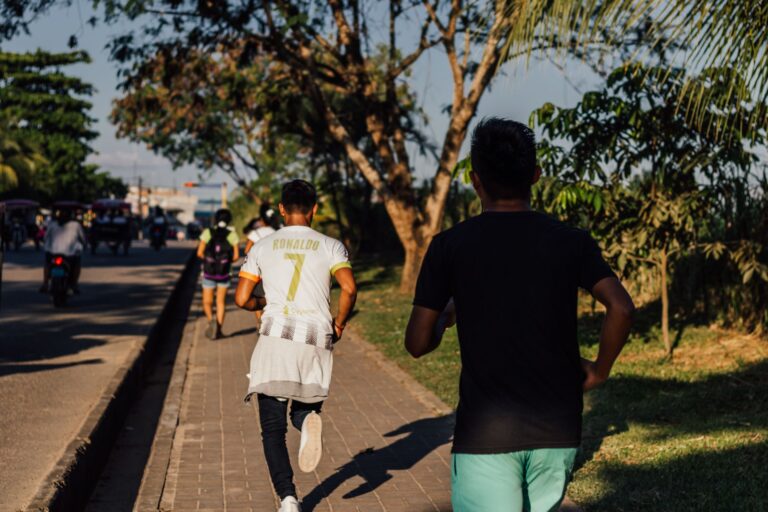
Whether Couch to 5K is right for you depends on your current fitness level, injury history, and capacity to commit to a structured nine-week program. If you’re sedentary or returning to exercise after time off, C25K offers a proven, gradual progression that many people find manageable. However, if you already run regularly or have certain joint issues, you may need a different approach. Couch to 5K works by alternating walking and running intervals, progressively extending the running portions while reducing walking breaks. The program assumes no prior running experience and requires three workouts per week for about nine weeks.
A typical Week 1 session has you running for 60 seconds, then walking for 90 seconds, repeating that cycle eight times. By Week 9, you’re running 28-30 minutes continuously without walking breaks. What makes C25K appealing is its predictability and accessibility. You don’t need a gym membership, expensive equipment, or coaching fees. A pair of decent running shoes and a free app like Strava or Couch to 5K are all you need. The program’s structure removes guesswork—you know exactly what you’re doing on Monday, Wednesday, and Friday.
Table of Contents
- Who Should Actually Try Couch to 5K?
- Common Obstacles That Derail Progress
- Injury Risk and Progression
- Should You Modify the Program?
- Mental and Motivation Challenges
- Nutrition and Recovery Basics
- What Comes After Week 9?
- Conclusion
- Frequently Asked Questions
Who Should Actually Try Couch to 5K?
couch to 5K works best for people who haven’t run in years or ever. If you spend most hours sitting, your cardiovascular system and leg muscles need a gradual introduction to impact. The walk-run format lets your aerobic system adapt while keeping injury risk low. Someone like a 35-year-old office worker who decides New Year’s morning to “just go run a 5K” will likely injure themselves. That same person following C25K has a reasonable shot at success. The program also suits people who want structure and clear progress markers.
Each week builds on the last, and completing each session feels like an achievement. If you’re someone who benefits from seeing progress—checking off completed workouts, watching your running intervals grow—C25K provides that psychological scaffolding. However, C25K is not ideal if you’ve been running for more than a few months or training for sports. It moves too slowly for trained runners. Similarly, if you have a history of shin splints, plantar fasciitis, or knee pain, the impact of running (even alternated with walking) might aggravate your issues. Starting slower than C25K isn’t a failure; it’s being realistic about your body.

Common Obstacles That Derail Progress
Many people start C25K with enthusiasm but hit a wall around Week 4 or 5, when the running intervals extend to 5-10 minutes continuously. At this point, the novelty wears off, and the real work begins. your legs feel tired, you’re breathing hard, and the mental game gets tougher. This is also when niggles can turn into injury if you push through pain rather than listening to your body. Weather and schedule changes also sabotage C25K streaks. You commit to Monday, Wednesday, Friday, but a work deadline consumes Wednesday.
A cold snap makes Tuesday morning miserable. You miss one session, then another, and suddenly you’re restarting Week 3 a month later. Unlike gym classes with scheduled times and social commitment, C25K is easy to postpone. Another limitation: C25K doesn’t guarantee you’ll enjoy running once you finish. Some people discover they hate the monotony or the physical sensation of running, even after completing the program. Nine weeks of disciplined effort can lead to the realization that running just isn’t for you, and that’s okay. But it’s also nine weeks you might have spent exploring different activities.
Injury Risk and Progression
The C25K schedule is conservative about impact, but it’s not injury-proof. Running impact is thousands of pounds of force through your joints and tissues, even at slow speeds. If you increase volume or intensity too quickly, tissues break down faster than they adapt. Shin splints—pain along the bone in your lower leg—are the most common C25K casualty. Preventing injury requires attention to shoes, running surface, and recovery. Wearing old or cushioned shoes designed for walking, not running, increases injury risk.
Running on concrete every day (versus a mix of asphalt and trails) concentrates impact stress. Skipping rest days or running hard on rest days prevents adaptation. A common mistake: you finish a tough Week 5 workout and feel strong, so you add an extra session that week. Your body hasn’t actually adapted yet; you’re just accumulating fatigue. The good news is that C25K’s format naturally enforces recovery. Three days a week leaves four recovery days. As long as you don’t add extra sessions and you truly rest on non-running days—meaning light walking is fine, but running, CrossFit, or intense cycling isn’t—most people avoid major injury.

Should You Modify the Program?
C25K as written works for many people, but not everyone. If you’re overweight, very deconditioned, or have joint concerns, repeating weeks makes sense. There’s no prize for finishing in nine weeks. Spending 12 or even 16 weeks on C25K with repeated weeks is slower but safer and often builds more sustainable running habits. Conversely, some people progress faster than the program. If Week 2 feels too easy, you might jump to Week 3 early.
This carries risk—you might be running further but your tendons and bones aren’t ready—but it’s possible to customize. The safer approach: stick to the progression but run faster (if you’re following the typical 5 mph pace) or run easier if you’re struggling. Some runners successfully modify rest days. Three sessions per week is standard, but some people prefer four shorter runs. Others do better with an extra recovery week every third week. The underlying principle is: easier than you think you can handle, progressing slowly, with real recovery in between. How you structure that within those constraints is negotiable.
Mental and Motivation Challenges
The mental game in C25K often surprises beginners. The first week feels manageable, almost playful. By Week 3 or 4, when you’re running longer intervals, your brain starts to resist. You might notice your pace dropping, or you find reasons to skip workouts. This is normal—your cardiovascular system is adapting faster than your mental resilience. You’re not weak; you’re just discovering that running harder requires mental toughness.
One underrated factor: boredom. Running the same route three times a week gets old. The running itself is monotonous; there’s no opponent, no ball, no finish line in sight until Week 9. Podcasts, music, or changing routes help, but some people find running’s repetitiveness incompatible with how they engage with exercise. Someone who loves group fitness or sports might struggle with running’s solitude and lack of immediate external feedback. A practical note on expectations: finishing C25K doesn’t mean you’re a “runner.” You can run 5K without enjoying it, without being particularly fast, and without wanting to run again. Completing the program is a fitness achievement, but it doesn’t obligate you to make running a permanent hobby.

Nutrition and Recovery Basics
What you eat and how you recover matters more than most beginners realize. You don’t need special running nutrition—basic, consistent eating is enough. But timing helps: eat a light snack an hour or two before running (banana, toast, small bowl of oatmeal) and eat something with carbs and protein within an hour after a harder session. Skipping post-run nutrition slows recovery.
Sleep is where the actual adaptation happens. Your body doesn’t get faster during runs; it gets faster while resting. If you’re C25K training while only getting five hours of sleep, you’re fighting a losing battle. Aim for consistent sleep around seven hours nightly. Hydration seems obvious, but drinking water before, during (if longer than 30 minutes), and after workouts is non-negotiable for performance and recovery.
What Comes After Week 9?
Finishing C25K is an achievement, but it’s also a fork in the road. Some people want to keep running and ask, “What’s next?” Others are satisfied with the fitness improvement and return to previous activities. Both choices are valid. If you want to continue, consider a 10K program, which adds distance and begins teaching you about pace variation, speed work, and longer runs.
If running isn’t your passion, you’ve built cardiovascular fitness that transfers to other activities. The program’s real value might be proving something to yourself: that you can commit to a structured goal, push through discomfort, and complete it. That mental framework—not the running itself—is often the biggest takeaway. Some C25K graduates never run again but carry that confidence into other areas.
Conclusion
Couch to 5K is right for you if you’re starting from a sedentary baseline, want a simple structure to follow, and have the discipline to stick with three weekly sessions over nine weeks. It’s a low-cost, low-barrier entry to running with proven results. However, it’s not a universal solution. If you have joint injuries, are already training regularly, or suspect running isn’t for you, you might waste nine weeks. Be honest about your injury history, your ability to commit consistently, and whether you actually like running before you start.
The best way to know is to try the first week. If Week 1 feels manageable and you enjoy having a plan, continue. If it feels miserable or causes pain, stop and explore a different approach. C25K works because it’s honest about progression and doesn’t oversell the experience. It’s neither magic nor a scam—just a reasonable framework for becoming able to run 5K from no baseline. Whether that’s worth it depends entirely on you.
Frequently Asked Questions
Can I do Couch to 5K if I have bad knees?
It depends on your specific issue. If a doctor has diagnosed you with arthritis or structural damage, running impact may aggravate it. If you have occasional knee soreness from inactivity, C25K’s gradual progression might help. Consult a physical therapist or doctor before starting. Lower-impact alternatives like cycling, swimming, or elliptical training might be safer first steps.
How fast should I be running during C25K?
Speed doesn’t matter. If you’re running the intervals at a pace where you can’t speak full sentences, you’re too fast. Aim for conversational pace—you should be able to speak short sentences with effort. Most C25K runners move at 5.0-5.5 mph, slower than casual walking pace on an incline. Patience with pace is key.
What if I miss a week of training?
Repeat the week you last completed. If you miss a full week, repeat the previous week and rebuild from there. Missing three or more weeks means repeating the last two weeks. Your fitness doesn’t disappear instantly, but your body needs a gentle reminder of the effort involved.
Do I need expensive running shoes to succeed?
Not necessarily. You need shoes that fit well and offer basic cushioning. A $100-150 pair from a reputable running brand is adequate. Many people blame expensive shoes for preventing injury when the real factors are progression speed, recovery, and listening to your body.
Can I do Couch to 5K on a treadmill?
Yes, though outdoor running is generally preferred because it engages stabilizer muscles that treadmills don’t. Treadmills are fine for bad weather or schedule constraints, but they may feel different when you eventually run outside. Be aware that treadmill paces feel easier than equivalent outdoor speeds.
What if Week 5 feels impossible?
Repeat Week 4 or Week 5 for additional weeks until it feels sustainable. Some bodies need more time to adapt to longer running intervals. There’s no shame in a 12- or 14-week program instead of nine.