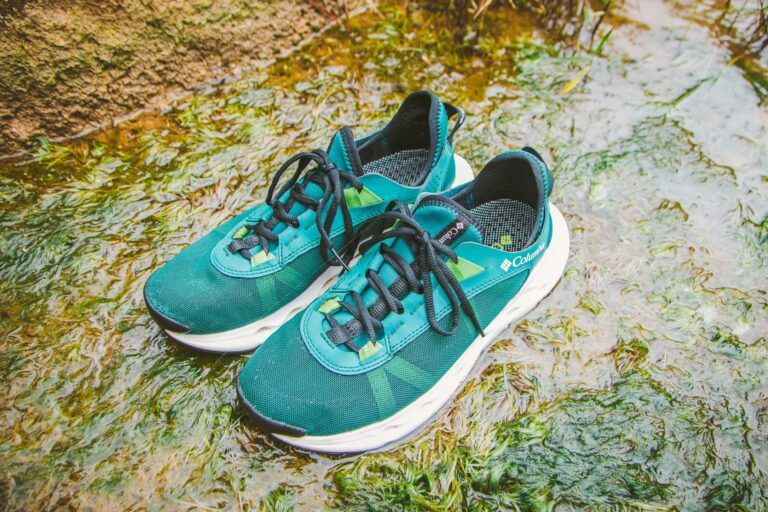
Wide-fit running shoes have evolved dramatically, and today’s best options deliver the same performance features as their standard-width counterparts without forcing runners to size up or suffer through break-in periods. Brands like New Balance, Brooks, and ASICS now engineer dedicated wide lasts rather than simply stretching existing molds, meaning runners with wider feet can access responsive midsoles, secure heel lockdown, and proper toe splay without compromise. A runner wearing the New Balance Fresh Foam 1080 in 2E width, for example, gets identical ZoomX-rivaling energy return to the standard version, just with 4-6 millimeters more room in the forefoot.
The key to finding performance-oriented wide-fit shoes lies in understanding that “wide” means different things across brands and recognizing which shoe technologies translate well to wider builds. Some racing flats lose their snappy feel when widened, while stability shoes often perform better with extra room. This article covers how to identify genuinely performance-focused wide options, which brands offer the most reliable wide fits, how to match shoe type to your running goals, and what red flags indicate a shoe has been poorly adapted for wider feet. We’ll also address the specific challenges of finding wide trail runners and racing shoes, two categories where options remain more limited.
Table of Contents
- Why Do Wide-Fit Running Shoes Often Sacrifice Speed and Responsiveness?
- Which Brands Offer the Most Reliable Wide-Fit Performance Options?
- How Does Foot Volume Affect Wide-Fit Shoe Selection?
- What Makes Wide Trail Running Shoes Harder to Find?
- When Should You Size Up Instead of Choosing Wide?
- Racing in Wide-Fit Shoes: Current Options and Limitations
- How to Prepare
- How to Apply This
- Expert Tips
- Conclusion
- Frequently Asked Questions
Why Do Wide-Fit Running Shoes Often Sacrifice Speed and Responsiveness?
The traditional approach to creating wide-fit shoes involved taking a standard last and mechanically widening it, which diluted the carefully engineered geometry of the original design. When you stretch a midsole laterally, you change the lever arms that affect toe-off mechanics and alter the compression characteristics of the foam. This is why many wide shoes from the early 2000s felt sluggish compared to their standard siblings. The platform became less efficient at returning energy because the foam density and thickness ratios were no longer optimized for the widened shape. Modern performance wide-fits solve this by designing the wide version from scratch using a dedicated last. Brooks uses what they call “anatomical last engineering” for their 2E and 4E widths, which means the midsole geometry is recalculated rather than stretched.
The result is a wide Glycerin 21 that maintains the same 10mm drop and nitrogen-infused DNA LOFT cushioning performance as the D width. However, not all brands take this approach. Budget-oriented wide shoes still often use the stretch method, which is why a $60 wide trainer might feel noticeably less responsive than a $150 option even when foam technology appears similar on paper. The other factor is upper construction. Performance uppers use precisely placed overlays and engineered mesh zones to lock the midfoot and heel while allowing forefoot flexibility. When these uppers are simply cut wider, the tension ratios change, often resulting in heel slippage or a sloppy midfoot feel. Better wide-fit options redesign the upper pattern entirely, using wider heel counters and adjusted overlay angles to maintain secure fit throughout the gait cycle.
Which Brands Offer the Most Reliable Wide-Fit Performance Options?
New Balance stands out as the most comprehensive option for wide-fit runners seeking performance shoes. They offer nearly every shoe in their lineup from the entry-level 680 through the elite-level SC Elite in widths ranging from B through 6E. Their Fresh Foam X and FuelCell technologies were developed with wide feet in mind from the beginning, meaning performance consistency across widths is exceptional. A runner in a 4E width Fresh Foam More v4 loses nothing in terms of cushioning quality or ride characteristics compared to the D width. Brooks and ASICS occupy the second tier, offering most of their mainline trainers in 2E and select models in 4E. Brooks is particularly strong in the stability category, where the Adrenaline GTS and Beast lines deliver reliable wide options.
ASICS brings wide versions of the Gel-Kayano and Gel-Nimbus, though their racing-oriented shoes like the Metaspeed series remain limited to standard widths. This represents a legitimate gap for competitive runners with wide feet. If your goal is running fast 5Ks or marathons in super shoes, your options narrow considerably. The New Balance SC Elite and Saucony Endorphin Pro in 2E exist, but 4E racing flats remain essentially nonexistent in 2024. Saucony has expanded their wide offerings recently, with the Triumph and Guide lines now available in wide. However, their width sizing runs narrower than New Balance, so a Saucony 2E often fits more like a New Balance D or D-to-2E. This inconsistency across brands makes in-store fitting valuable for serious runners considering a brand switch.
How Does Foot Volume Affect Wide-Fit Shoe Selection?
Width measurements only tell part of the story. Foot volume, the three-dimensional space your foot occupies, matters equally for performance fit. A runner might have a 2E forefoot but normal-volume midfoot and heel, requiring a shoe with a wide toe box but standard heel cup. This combination is actually common among runners whose feet have widened over years of high mileage. Another runner might have uniformly high volume throughout, needing a shoe with more overall interior space. Altra’s foot-shaped toe boxes address one aspect of this by allowing natural toe splay without necessarily increasing overall shoe width.
Their zero-drop platforms and roomy forefeet work well for runners with wide forefeet but don’t help those with high-volume heels or midfoot. Similarly, Topo Athletic’s designs split the difference between conventional and foot-shaped with wider toe boxes but more structured heel cups. For runners with wide heels specifically, Hoka’s bucket-style heel geometry in shoes like the Bondi tends to accommodate more volume than traditionally built heels. The practical implication is that “wide” shoe shopping should start with understanding where your foot needs more room. A runner with only forefoot width concerns might find perfect fit in a standard-width Altra without needing to explore dedicated wide models from other brands. Conversely, a runner with uniformly wide feet from heel to toe will likely find Altra’s heel too loose and should focus on brands offering true wide lasts throughout.

What Makes Wide Trail Running Shoes Harder to Find?
Trail running shoe design creates specific challenges for wide-fit versions that don’t exist in road shoes. The lateral stability requirements of technical terrain demand snug fits that prevent foot shift during side-hill running and scrambling. When trail shoes are widened, maintaining this lateral security becomes difficult without adding weight through reinforced sidewalls or stiffer midsoles. This is why many trail-specific brands like La Sportiva and Inov-8 offer limited or no wide options. Altra dominates the wide-fit trail market largely because their foot-shaped design philosophy began with trail running.
The Lone Peak and Olympus lines offer the most accommodating forefoot volumes in the trail category while maintaining competitive weight and capable outsoles. Topo Athletic’s Ultraventure and MTN Racer provide alternatives with slightly more structured fits. Brooks offers the Cascadia in 2E width, though the upper runs more snug than their road wide fits, making it suitable only for moderately wide feet. For runners with genuinely wide feet needing technical trail capability, the honest reality is that some compromise exists. You might need to accept a slightly heavier shoe with added lateral structure, or you might find that a road-trail crossover shoe like the New Balance Fresh Foam Hierro in 2E or 4E serves better than a pure trail option. The Hierro won’t match a dedicated trail shoe on severely technical terrain, but its wide-fit performance is superior to forcing a too-narrow trail shoe.
When Should You Size Up Instead of Choosing Wide?
Sizing up rather than switching to wide width sometimes makes sense, but the situations are specific. If your width issue is purely in the toe box and you have a standard-volume midfoot and heel, a half-size increase might provide adequate forefoot room while maintaining heel lock. This approach works better for neutral shoes than stability models because the stability posts become misaligned with your foot mechanics when you size up significantly. The warning here is substantial: sizing up more than a half size to accommodate width creates performance problems that wide shoes are specifically designed to avoid. A full size up means your foot sits incorrectly relative to the shoe’s flex points, the heel counter no longer cups your heel properly, and the midsole geometry doesn’t match your gait.
These issues cause blisters, inefficient energy transfer, and increased injury risk. If you need more than a half-size increase for width, you genuinely need a wide shoe, not a longer standard one. The exception is ultramarathon and long-distance running, where foot swelling across many hours of activity means many runners deliberately size up regardless of their normal width. Even here, though, a wide-fit shoe in your true length will outperform a sized-up standard shoe. The swelling accommodation comes with maintained structural alignment.
Racing in Wide-Fit Shoes: Current Options and Limitations
The super shoe revolution has been slower to reach wide-footed runners, but options are expanding. The New Balance SC Elite v3 in 2E offers full carbon-plate performance with adequate width for moderately wide feet. Saucony’s Endorphin Pro 3 in wide provides another legitimate racing option, though again, these top out at 2E. Runners needing 4E racing shoes face significant limitations, with the New Balance FuelCell RC Elite being one of few options, and even that is being phased out in favor of narrower successors.
For many wide-footed runners, the practical solution is racing in performance trainers rather than dedicated racing flats. The New Balance FuelCell Rebel v3 in 4E offers propulsive performance that, while not matching true super shoes, provides a responsive race-day option. The weight penalty compared to a carbon-plated racer is real, typically 30-50 grams per shoe, but the benefit of proper fit outweighs the weight disadvantage for most recreational competitors. An ill-fitting racing flat that causes midfoot slippage or toe cramping costs more time than the extra ounces.
How to Prepare
- **Measure both feet late in the day** using a Brannock device if possible, recording both length and width. Most running stores have these devices available. Note that your feet may differ in size; you’ll fit to the larger foot.
- **Identify where your width needs exist** by examining wear patterns on old shoes and noting where you feel pressure during runs. Forefoot-only width concerns open different options than heel-to-toe width needs.
- **Research brand width equivalencies** because a 2E in New Balance provides more room than a 2E in Saucony. Online fit databases and running forums provide comparative information that prevents wasted trial-and-error.
- **Bring your running socks and orthotics** to any fitting session. Custom orthotics especially affect available interior volume and can push a 2E fit into 4E territory or make a 4E feel adequate when it wouldn’t otherwise.
- **Test candidate shoes with actual running**, not just walking around the store. Many specialty running stores allow treadmill testing or even outdoor runs. The dynamic fit during running reveals issues that standing or walking won’t expose. A common mistake is choosing a shoe that feels roomy standing but becomes loose during toe-off, causing heel lift and blisters.
How to Apply This
- **Start with your primary running goal** and identify shoes in that category first, then check wide availability. If you’re training for a marathon, look at marathon trainers in wide; don’t start with width availability and work backward.
- **Order multiple width options** if buying online, planning to return what doesn’t work. The fit difference between D, 2E, and 4E is significant enough that the correct width is rarely guessable without trying.
- **Test under realistic conditions** by running at least 3-5 miles in candidate shoes before committing. Many retailers offer 30-day return windows even for used shoes specifically because accurate fit assessment requires actual running.
- **Evaluate performance directly** by comparing how the wide shoe feels on tempo runs or intervals versus your current option. Mushiness, heel slip, or foot shift under speed indicates a poor wide adaptation regardless of brand claims.
Expert Tips
- Don’t assume your current width is permanent. Foot width can increase over years of running, meaning reassessment every few years prevents gradual fit degradation you might not notice happening incrementally.
- Avoid wide-fit shoes with overly flexible heel counters, as these often indicate cost-cutting rather than intentional design and will lead to heel slippage during speedwork.
- Check the midsole sidewalls on wide versions. Quality wide shoes have uniform foam density; inferior versions show visible stretching or thinning on the sides where foam was spread rather than redesigned.
- Don’t buy wide shoes that require breaking in. Performance running shoes should fit correctly immediately; a “break-in period” for width means the shoe is wrong for your foot, not that it will adapt.
- Consider rotating between two wide shoe brands to accommodate natural foot width fluctuations. Humidity, monthly cycles, and training load all affect foot volume, and having both a 2E and 4E option available prevents forced runs in suboptimal fit.
Conclusion
Wide-fit running shoes have matured beyond accommodation products into genuine performance tools, but finding the right option requires understanding the engineering differences between brands and models. The best wide-fit shoes are designed on dedicated lasts with geometry calculated for wider feet, not simply stretched versions of standard models. New Balance offers the most comprehensive range, followed by Brooks and ASICS for trainers, while trail and racing categories present more limited but improving options.
Your next steps should include measuring your feet properly, identifying where exactly your width needs exist, and testing candidate shoes under actual running conditions before committing. The performance gap between well-designed wide shoes and standard-width versions has essentially closed for daily trainers and long-run shoes. For racing, some compromise may still exist for those needing 4E widths, but the recreational runner with wide feet can now access cushioning, responsiveness, and stability equal to any standard-width option. The key is investing time in finding the right specific shoe rather than settling for whatever wide option is most accessible.
Frequently Asked Questions
How long does it typically take to see results?
Results vary depending on individual circumstances, but most people begin to see meaningful progress within 4-8 weeks of consistent effort. Patience and persistence are key factors in achieving lasting outcomes.
Is this approach suitable for beginners?
Yes, this approach works well for beginners when implemented gradually. Starting with the fundamentals and building up over time leads to better long-term results than trying to do everything at once.
What are the most common mistakes to avoid?
The most common mistakes include rushing the process, skipping foundational steps, and failing to track progress. Taking a methodical approach and learning from both successes and setbacks leads to better outcomes.
How can I measure my progress effectively?
Set specific, measurable goals at the outset and track relevant metrics regularly. Keep a journal or log to document your journey, and periodically review your progress against your initial objectives.
When should I seek professional help?
Consider consulting a professional if you encounter persistent challenges, need specialized expertise, or want to accelerate your progress. Professional guidance can provide valuable insights and help you avoid costly mistakes.
What resources do you recommend for further learning?
Look for reputable sources in the field, including industry publications, expert blogs, and educational courses. Joining communities of practitioners can also provide valuable peer support and knowledge sharing.