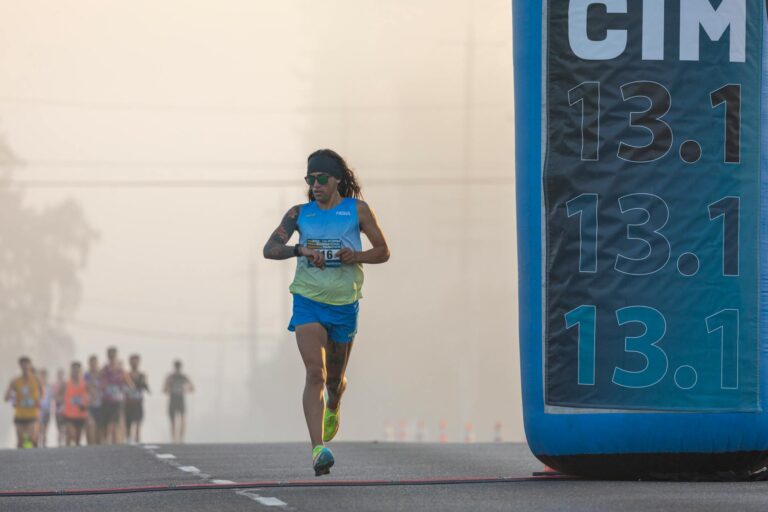
Recovery matters more for 7 mile runs after age 60 because the aging body requires significantly longer periods to repair muscle tissue, replenish glycogen stores, and reduce inflammation compared to younger runners. While a 35-year-old might bounce back from a moderate-distance run within 24 to 48 hours, runners over 60 often need 72 hours or more to achieve the same level of cellular repair and adaptation. This extended recovery window is not a sign of weakness but rather a physiological reality rooted in declining hormone levels, reduced blood flow to muscles, and slower protein synthesis rates that accompany aging. Consider the example of a 63-year-old runner who completes 7 miles on Monday and attempts the same distance on Wednesday.
Without adequate recovery, she may experience cumulative fatigue, joint stiffness, and diminished performance that a younger runner would not encounter with the same schedule. The compounding effect of insufficient recovery can transform what should be a health-promoting activity into an injury risk. Research from the American College of Sports Medicine indicates that masters athletes over 60 experience muscle damage markers that remain elevated 20 to 30 percent longer than those in athletes under 40. This article explores the specific physiological changes that make recovery increasingly important with age, examines practical strategies for optimizing rest between runs, and addresses common mistakes that older runners make when planning their training schedules. You will find actionable guidance on sleep, nutrition, active recovery, and recognizing warning signs that indicate your body needs more time between efforts.
Table of Contents
- What Physiological Changes Make Recovery Critical for Runners Over 60?
- How Inflammation and Joint Health Affect Post-Run Recovery
- The Role of Sleep in Recovery for Masters Runners
- Nutrition Timing and Protein Needs for Faster Recovery
- Recognizing Overtraining Syndrome in Older Distance Runners
- Active Recovery Strategies That Work for 7-Mile Training
- How to Prepare
- How to Apply This
- Expert Tips
- Conclusion
- Frequently Asked Questions
What Physiological Changes Make Recovery Critical for Runners Over 60?
The human body undergoes measurable changes in its repair mechanisms beginning around age 40, with acceleration occurring after 60. Satellite cells, which are responsible for muscle regeneration, decrease in both number and activity. A study published in the Journal of Applied Physiology found that adults over 60 showed a 50 percent reduction in satellite cell activation compared to adults in their twenties following identical exercise protocols. This means the raw materials for muscle repair are simply less available. Hormonal shifts compound this challenge significantly. Testosterone and growth hormone, both essential for tissue repair and muscle protein synthesis, decline steadily with age.
Men over 60 typically have testosterone levels 30 to 50 percent lower than men in their thirties, while growth hormone output may decrease by as much as 75 percent. These hormones do not just affect muscle size but directly influence how quickly connective tissues, tendons, and ligaments recover from the repetitive impact of running seven miles. Compared to a 5K, which typically produces moderate muscle stress, the 7-mile distance creates substantially more mechanical loading and glycogen depletion. The difference is not merely proportional. Running beyond 45 to 60 minutes depletes glycogen reserves to levels requiring 48 hours or more for full replenishment in older adults, whereas shorter distances may only require overnight recovery. This is why many runners over 60 can handle frequent short runs but struggle when extending to distances that cross the one-hour threshold.

How Inflammation and Joint Health Affect Post-Run Recovery
Chronic low-grade inflammation, sometimes called inflammaging, is a documented feature of aging that directly impacts recovery from endurance exercise. While acute inflammation is a necessary part of the healing process, elevated baseline inflammation in older adults means the body starts each recovery period from a compromised position. C-reactive protein levels, a common inflammation marker, tend to be 20 to 40 percent higher in adults over 60 compared to younger populations, even in those who are otherwise healthy. The joints bear particular scrutiny for 7-mile runners. Cartilage loses water content and elasticity with age, reducing its shock-absorbing capacity.
The synovial fluid that lubricates joints also decreases in both quantity and quality. After a 7-mile run, an older runner may experience joint stiffness and discomfort that persists for days, signaling that the cartilage and surrounding tissues need extended time to return to baseline function. However, if you are an older runner with a long training history, your joints may actually tolerate distance running better than a sedentary person of the same age who recently started running. Decades of consistent training can preserve cartilage health and joint function through a process called chondroprotection. The limitation here is that this protective effect applies to those who have run consistently for years, not to those returning to running after extended breaks. Runners resuming activity after a hiatus of five or more years should treat their recovery needs as if they were new to the sport.
The Role of Sleep in Recovery for Masters Runners
Sleep quality and duration directly determine recovery outcomes, yet sleep architecture changes unfavorably with age. Deep sleep stages, during which the majority of physical repair occurs, decrease from approximately 20 percent of total sleep time in young adults to as little as 5 percent in those over 60. This reduction means that even eight hours of sleep may not deliver the same restorative benefit for an older runner as six hours does for someone younger. Growth hormone release during sleep illustrates this challenge clearly. Approximately 75 percent of daily growth hormone secretion occurs during deep sleep.
When deep sleep diminishes, so does this critical recovery hormone. A 62-year-old runner completing 7 miles in the evening may find that poor sleep quality that night creates a recovery deficit that lasts well into the week. Practical example: A masters runner in Colorado documented his recovery by tracking heart rate variability after runs. He discovered that following nights with less than 90 minutes of deep sleep, his HRV remained suppressed for an additional 24 to 36 hours compared to nights with adequate deep sleep. By prioritizing sleep hygiene, including consistent bedtimes, cool room temperatures, and avoiding alcohol within four hours of bed, he reduced his necessary recovery time between 7-mile runs from four days to three.

Nutrition Timing and Protein Needs for Faster Recovery
Older runners face a documented phenomenon called anabolic resistance, meaning their muscles require more protein and more precise timing to achieve the same repair response as younger athletes. Research indicates that adults over 60 need approximately 40 grams of protein per meal to maximize muscle protein synthesis, compared to 20 to 25 grams for younger adults. This near-doubling of protein requirements is often overlooked in standard nutrition advice. The window immediately following a 7-mile run represents a critical opportunity that diminishes more rapidly with age. While the traditional two-hour post-exercise window applies to younger athletes, older runners benefit from consuming protein and carbohydrates within 30 to 45 minutes of finishing.
Waiting even two hours can reduce the recovery response by 25 percent or more in this population. The tradeoff between protein sources matters here. Whey protein absorbs quickly and contains high leucine content, making it ideal immediately post-run. However, casein or whole food protein sources digest more slowly and may better serve the extended overnight recovery period. Many masters runners find that combining a whey shake immediately after running with a whole food protein meal two hours later optimizes both the immediate and extended recovery windows. The limitation is that runners with kidney concerns should consult a physician before substantially increasing protein intake.
Recognizing Overtraining Syndrome in Older Distance Runners
Overtraining syndrome develops more quickly and resolves more slowly in runners over 60, making early recognition essential. The cumulative nature of inadequate recovery means that small daily deficits compound into significant problems within weeks rather than months. Warning signs include elevated resting heart rate, persistent fatigue despite adequate sleep, mood disturbances, and declining performance on familiar routes. A particularly insidious aspect of overtraining in older runners is that motivation often remains high even as the body sends clear signals to rest. The discipline that makes someone a consistent runner can become a liability when it overrides physical feedback.
Heart rate variability monitoring offers one objective measure, with consistently low readings indicating accumulated stress that subjective feelings might mask. The limitation to standard overtraining advice is that some symptoms overlap with other age-related health concerns. Persistent fatigue, for example, could indicate overtraining, anemia, thyroid dysfunction, or cardiovascular issues. Runners over 60 who experience overtraining symptoms that do not resolve within two weeks of rest should seek medical evaluation rather than assuming the cause is purely training-related. This is especially true for those with existing health conditions or recent changes in medication.

Active Recovery Strategies That Work for 7-Mile Training
Active recovery between longer runs supports the repair process better than complete rest for most older athletes. Low-intensity movement promotes blood flow that delivers nutrients to damaged tissues and removes metabolic waste products without adding training stress. The key is keeping intensity genuinely low, typically below 60 percent of maximum heart rate. Walking, swimming, and cycling represent effective active recovery options, each with distinct advantages.
Walking maintains running-specific movement patterns but eliminates impact. Swimming provides resistance without any joint loading. Cycling allows controlled intensity while sitting, which some runners with hip or back issues prefer. A 65-year-old runner might walk 30 minutes the day after a 7-mile run, swim easily for 20 minutes two days later, and resume running at day three or four. The principle is maintaining movement while avoiding activities that further stress the systems already working to repair.
How to Prepare
- **Hydrate adequately in the 24 hours before running.** Pre-run hydration status directly affects how quickly you recover. Aim for pale yellow urine color as a simple indicator. Dehydration going into a run extends recovery by stressing kidneys and reducing blood volume available for tissue repair.
- **Consume a balanced meal containing protein and complex carbohydrates 2 to 3 hours before running.** This meal provides fuel for the run and begins the repair process with amino acids already circulating in your bloodstream.
- **Perform a dynamic warmup of at least 10 minutes.** Older runners benefit substantially from extended warmups that increase synovial fluid production and muscle temperature before running intensity. Cold muscles sustain more microdamage that extends recovery.
- **Check your resting heart rate before heading out.** If your morning resting heart rate is elevated more than 5 beats per minute above baseline, consider a shorter or easier run. An elevated heart rate indicates incomplete recovery from previous stress.
- **Ensure your running shoes have adequate cushioning and are not past their effective lifespan.** Worn shoes transfer more impact to joints, increasing recovery demands. Most running shoes lose significant cushioning between 300 and 500 miles.
How to Apply This
- **Begin refueling within 30 minutes of finishing.** Consume 30 to 40 grams of protein along with 60 to 80 grams of carbohydrates. A smoothie with whey protein, banana, and oats meets these requirements conveniently. Do not wait until you feel hungry, as appetite suppression after running is common but does not reflect your body’s actual needs.
- **Elevate your legs for 10 to 15 minutes within the first hour.** This simple practice uses gravity to assist blood return and reduce lower extremity swelling. Lying on your back with legs against a wall works well.
- **Schedule your next 7-mile run based on your actual recovery, not a predetermined calendar.** Use heart rate variability, subjective energy levels, and absence of lingering muscle soreness as guides. For most runners over 60, this means at least 72 hours between 7-mile efforts.
- **Log your recovery observations along with your running data.** Note sleep quality, energy levels, appetite, and any joint discomfort. Patterns in this data reveal your individual recovery needs better than generic guidelines.
Expert Tips
- Prioritize sleep quality over sleep quantity. Seven hours of uninterrupted sleep with adequate deep sleep phases produces better recovery than nine fragmented hours.
- Do not stretch aggressively when muscles are sore, as this can worsen microtears and extend recovery time. Gentle movement and foam rolling at light pressure serve better.
- Consider scheduling your longest runs on days when you can nap. A 20 to 30 minute post-run nap significantly enhances recovery hormone release in older adults.
- Reduce alcohol consumption around training days. Even moderate alcohol intake interferes with sleep quality, protein synthesis, and inflammation regulation, extending recovery time by 20 to 30 percent.
- Avoid anti-inflammatory medications immediately after running unless medically necessary. NSAIDs blunt the body’s natural repair signaling and may actually slow long-term adaptation. Use them only when inflammation is excessive or painful.
Conclusion
Recovery is not merely important for runners over 60 completing 7-mile distances; it is the limiting factor that determines whether training produces positive adaptation or accumulated damage. The physiological realities of aging, including slower muscle repair, reduced hormone levels, increased baseline inflammation, and diminished sleep quality, all converge to extend the time required between demanding efforts. Ignoring these changes does not demonstrate toughness; it leads to injury, illness, and declining performance.
The practical path forward involves accepting longer recovery periods, optimizing nutrition and sleep, using active recovery strategically, and monitoring your body’s actual readiness rather than following schedules designed for younger athletes. Runners who make these adjustments often find they can maintain their 7-mile capacity for decades, while those who resist the reality of recovery needs frequently find themselves sidelined. Your running longevity depends on respecting what your body requires to repair and strengthen.
Frequently Asked Questions
How long does it typically take to see results?
Results vary depending on individual circumstances, but most people begin to see meaningful progress within 4-8 weeks of consistent effort. Patience and persistence are key factors in achieving lasting outcomes.
Is this approach suitable for beginners?
Yes, this approach works well for beginners when implemented gradually. Starting with the fundamentals and building up over time leads to better long-term results than trying to do everything at once.
What are the most common mistakes to avoid?
The most common mistakes include rushing the process, skipping foundational steps, and failing to track progress. Taking a methodical approach and learning from both successes and setbacks leads to better outcomes.
How can I measure my progress effectively?
Set specific, measurable goals at the outset and track relevant metrics regularly. Keep a journal or log to document your journey, and periodically review your progress against your initial objectives.
When should I seek professional help?
Consider consulting a professional if you encounter persistent challenges, need specialized expertise, or want to accelerate your progress. Professional guidance can provide valuable insights and help you avoid costly mistakes.
What resources do you recommend for further learning?
Look for reputable sources in the field, including industry publications, expert blogs, and educational courses. Joining communities of practitioners can also provide valuable peer support and knowledge sharing.