Your heart rate recovery—how quickly your pulse drops in the minutes following exercise—is one of the most direct windows into your true cardiovascular age, regardless of how many years you’ve actually lived. When you finish a run or workout and your heart rate drops by 18 or more beats per minute within the first minute, research shows you likely have the cardiovascular fitness of someone younger than your chronological age. Conversely, a slower recovery can signal that your actual cardiovascular system is aging faster than expected, even if you’re still in your 40s or 50s.
A 55-year-old runner with a heart rate recovery of 25 beats per minute in that critical first minute post-exercise is essentially telling you they have the cardiovascular resilience of an elite athlete, while someone with the same age but a recovery of only 10 beats per minute is showing signs of accelerated vascular aging. This isn’t just theoretical—studies show that slower heart rate recovery is linked to increased risk of heart disease, diabetes, and early mortality. Your heart’s ability to decelerate after stress reveals something profound about the health and elasticity of your arteries, the efficiency of your parasympathetic nervous system, and your overall aerobic conditioning. Unlike resting heart rate alone, which is influenced by genetics, medications, and daily stress, heart rate recovery is something you can actively improve through training.
Table of Contents
- How Heart Rate Recovery Reveals Your True Cardiovascular Age
- The Physiological Mechanisms Behind Heart Rate Recovery
- Age-Adjusted Standards and What They Mean for You
- How to Improve Your Heart Rate Recovery in Practical Terms
- Measurement Challenges and Why Your Numbers Might Be Misleading
- Heart Rate Recovery as an Early Warning System
- The Future of Heart Rate Recovery Monitoring and Cardiovascular Age Prediction
- Conclusion
How Heart Rate Recovery Reveals Your True Cardiovascular Age
heart rate recovery works as a fitness marker because it measures how efficiently your cardiovascular system transitions from sympathetic (fight-or-flight) activation back to parasympathetic (rest-and-digest) dominance. When you exercise intensely, your heart rate spikes because your sympathetic nervous system takes over, flooding your body with adrenaline. The speed at which your parasympathetic system can regain control—dampening that stress response and allowing your heart to slow—directly reflects how well your vascular system and nervous system communicate. The numbers paint a clear picture. A New England Journal of Medicine study found that the median heart rate recovery for adults averaged 57 years old was 17 beats per minute. When researchers looked at elite male athletes, that number jumped to 29.5 beats per minute.
Meanwhile, the average person using an Apple Watch sees a recovery of 26 beats per minute. This is where the distinction matters: if you’re 58 years old and achieving a 26-beat recovery, you’re outperforming the average person your age by nearly 50 percent, effectively lowering your cardiovascular age by years. If you’re 40 and recovering at only 12 beats per minute, your cardiovascular system is aging prematurely. Age-adjusted benchmarks give you context for where you stand. For people in their 30s, a median recovery of 20 beats per minute is typical; by your 50s, that drops to 18; by your 60s, to 15; and by your 70s, to 11 beats per minute. These aren’t limits—they’re just averages. The fact that elite athletes in their 50s can achieve 25-plus beat recoveries shows these benchmarks are descriptions of the population, not prescriptions for what’s possible.
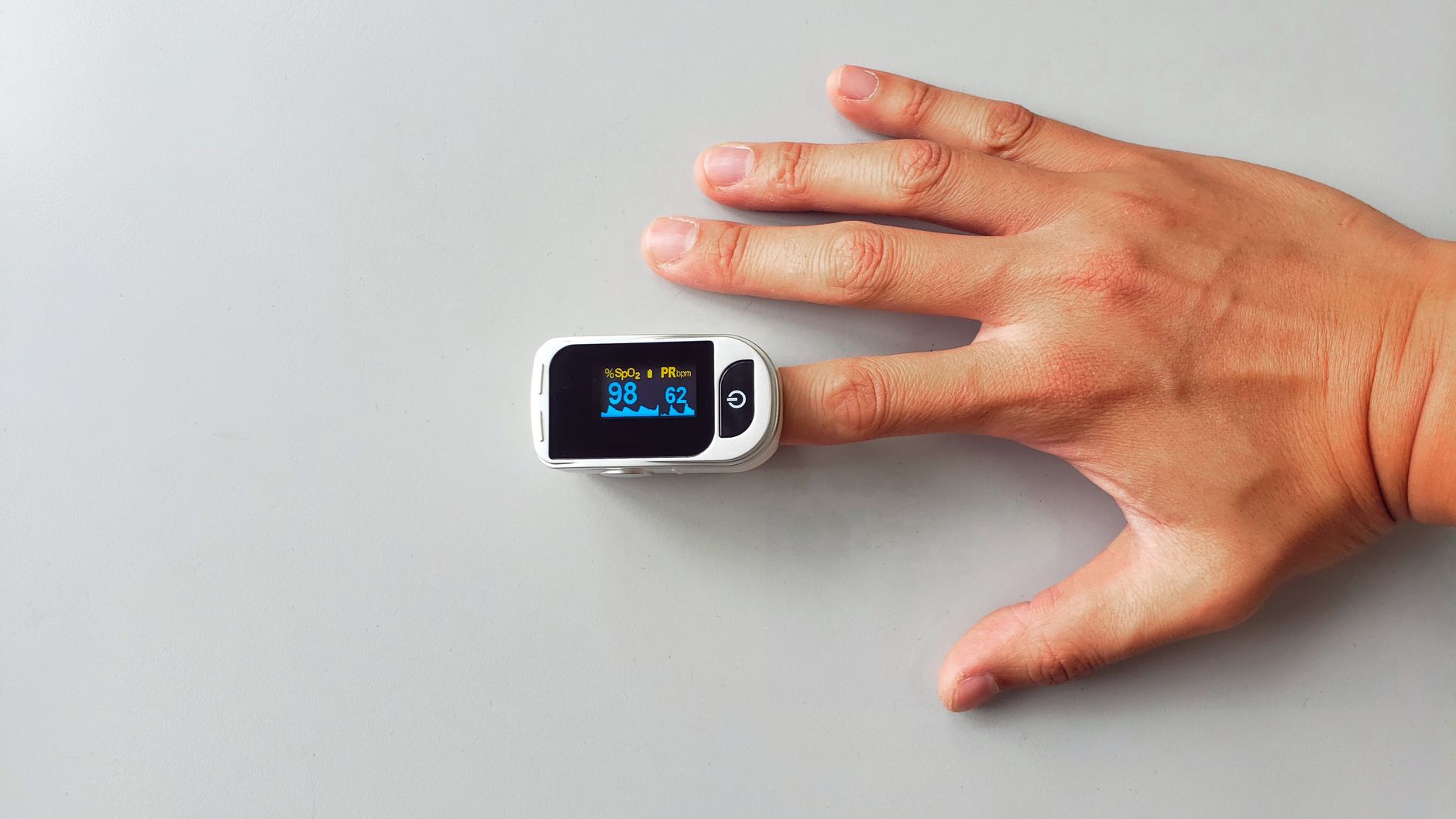
The Physiological Mechanisms Behind Heart Rate Recovery
The underlying reason heart rate recovery predicts cardiovascular age involves the health of your endothelial cells—the thin layer of cells lining your arteries. When endothelial function is compromised by years of poor diet, inactivity, or chronic inflammation, your arteries lose elasticity and their ability to dilate and constrict smoothly. This stiffness in your vascular system forces your heart to work harder and recover more slowly, much like a rubber band that’s lost its stretch. There’s an important limitation to understand: heart rate recovery is influenced by factors beyond just cardiovascular fitness. Medications like beta-blockers artificially slow heart rate and can blunt recovery numbers.
Caffeine, dehydration, heat, and even anxiety can suppress your parasympathetic response and make your recovery look worse than it actually is. Someone on beta-blockers for blood pressure control might show a recovery of only 8 beats per minute despite being reasonably fit—the medication, not their cardiovascular age, is the limiting factor. This is why context matters when interpreting your numbers. Recent research from 2024 and 2025 has specifically examined heart rate recovery index as a predictor of maximum oxygen uptake in people aged 30 to 60, confirming that the metric is a legitimate stand-in for aerobic capacity. A 2025 study in the European Journal of Cardiovascular Medicine tracked 150 healthy male students aged 18 to 25 and found that recovery heart rate reliably separated physically active from inactive populations. The research is clear: heart rate recovery measures something real about your cardiovascular system, not just your fitness level on any given day.
Age-Adjusted Standards and What They Mean for You
The age-adjusted benchmarks create a personalized way to assess your cardiovascular age without needing to compare yourself to 25-year-old ultramarathoners. A 65-year-old with a heart rate recovery of 15 beats per minute is at the median for their age group—nothing to celebrate, but nothing alarming either. But if that same 65-year-old achieves 22 beats per minute, they’ve effectively reduced their cardiovascular age by a decade or more. The progression across age groups tells a story about how your cardiovascular system ages if you remain sedentary. Most people see roughly a 1-beat-per-minute decline in heart rate recovery for every 10 years of aging.
This isn’t inevitable—it’s what happens when training volume and intensity decline with age. The people who maintain or improve their recovery numbers as they age are almost always those who continue structured aerobic training. There’s a flip side worth noting: resting heart rate doesn’t follow the same pattern. According to the Apple Heart & Movement Study examining trends from 2026, men in their 80s actually have a lower average resting heart rate (57.8 bpm) than men in their late teens (65.5 bpm). This counterintuitive finding reminds us that resting heart rate alone is a poor predictor of age. Your heart might beat slower at rest because you’re fit—or because your cardiovascular system is so deconditioned that it simply can’t generate the stress response it once did.

How to Improve Your Heart Rate Recovery in Practical Terms
Improving heart rate recovery requires aerobic training, not just any exercise. Easy runs and walks do almost nothing to improve recovery. What works is sustained aerobic training at moderate to high intensities—the kind of workouts that leave you breathing hard but still able to hold a conversation. A runner who goes out at a comfortable pace three times a week probably won’t see meaningful improvement in their recovery numbers. Someone who does one harder tempo run, one long run, and one interval session per week will see measurable gains within 6 to 8 weeks. The tradeoff is that you need consistency, not just intensity.
A single hard workout will temporarily elevate your heart rate recovery for a few days, but the adaptation—the actual improvement in your parasympathetic tone and vascular elasticity—only comes from weeks of repeated training stress followed by adequate recovery. This is why athletes who train hard but inconsistently often have surprisingly mediocre recovery numbers: their cardiovascular system hasn’t adapted yet. An accessible way to start tracking and improving your recovery is through regular testing. Measure your heart rate recovery the same way each time—after 10 minutes of steady running at moderate effort, stop and count how many beats per minute your heart drops in the first 60 seconds. Do this monthly. Over 8 to 12 weeks of consistent aerobic training, most people see improvements of 2 to 5 beats per minute. A runner who starts at 16 beats per minute and improves to 20 or 21 has essentially knocked 5 to 10 years off their cardiovascular age.
Measurement Challenges and Why Your Numbers Might Be Misleading
One of the most common mistakes people make when measuring heart rate recovery is doing it under inconsistent conditions. Testing after a 20-minute tempo run in hot weather at 5 PM when you’re caffeinated and stressed will give you a worse result than testing after a steady-paced run in cool weather in the morning when you’re calm. The difference isn’t your cardiovascular age—it’s the noise in the measurement. Your watch or fitness tracker can also introduce error, especially the optical heart rate sensors that rely on light reflecting off your wrist. After intense exercise, blood is still pooled in your muscles, your skin is sweaty, and your arm is moving—all conditions that degrade sensor accuracy. Some devices underestimate heart rate recovery by 3 to 5 beats per minute compared to a chest strap.
If you’re serious about tracking this metric, a chest strap during testing gives more reliable numbers. The warning here is simple: if you’re basing decisions about your cardiovascular health on data from a wrist device, recognize that the precision is probably plus-or-minus 3 to 5 beats per minute. Confounding factors also matter more than most people realize. If you’re dehydrated, your heart rate won’t recover as quickly because your blood volume is reduced. If you’ve had poor sleep, your parasympathetic tone will be suppressed. If you’re fighting off a cold or under unusual stress, your recovery will look worse. Measuring your recovery when you’re well-rested, properly hydrated, and at least a few days removed from any illness gives you a true baseline.

Heart Rate Recovery as an Early Warning System
One underappreciated aspect of heart rate recovery is its role as an early warning system for cardiovascular problems. Prolonged heart rate recovery after a simple 6-minute walk test is an independent risk factor for cardiac events in people with heart failure. This means your heart rate recovery can flag problems years before symptoms appear—long before chest pain or shortness of breath makes you see a doctor.
People with metabolic syndrome, uncontrolled diabetes, or arterial stiffness from years of hypertension often show abnormally slow recovery. If you’re 45 years old and notice your recovery has suddenly dropped from 18 to 12 beats per minute over the course of a year with no change in your training, that’s a sign worth investigating. It could be medication changes, developing diabetes, or other metabolic shifts. This metric gives you a quantifiable way to notice when something is changing inside your body.
The Future of Heart Rate Recovery Monitoring and Cardiovascular Age Prediction
As wearable technology improves and more people track their recovery regularly, the potential for early intervention grows. Future smartwatches and fitness devices will likely incorporate more sophisticated algorithms that account for individual factors like age, training load, sleep, and stress when interpreting heart rate recovery. Instead of just showing you a number, they might indicate whether your recovery is improving or declining relative to your own baseline and your age group.
What’s becoming clearer from recent research is that heart rate recovery is a marker worth monitoring not just for fitness improvement, but for actual health. The link between slower recovery and early mortality has been established in multiple studies; what’s needed now is wider adoption of recovery testing as a routine part of health screening, especially for people with risk factors. If you’re already running, measuring your heart rate recovery takes nothing more than a stopwatch—a simple practice that gives you genuine insight into whether you’re becoming younger or older, physiologically speaking, with each passing year.
Conclusion
Your cardiovascular age isn’t determined by your birth certificate. It’s determined by how efficiently your heart recovers from stress, and heart rate recovery gives you a concrete number to track that process. Whether you’re 35 or 65, your recovery tells you something truthful: a decline of 18 or more beats per minute in the first minute after exercise puts you in good standing for your age, while numbers below that suggest your cardiovascular system is aging faster than it should. The encouraging truth is that this isn’t fixed.
Eight to twelve weeks of consistent aerobic training can shift your cardiovascular age by years, something you can measure and verify yourself with nothing more than a timer and a bit of attention. Start paying attention to your recovery. Track it under consistent conditions, understand what the benchmarks are for your age, and use it as both a motivation for training and an early warning system for health changes. Your heart rate recovery is one of the few metrics you control that directly reflects whether the years are making you older or younger from the inside out.