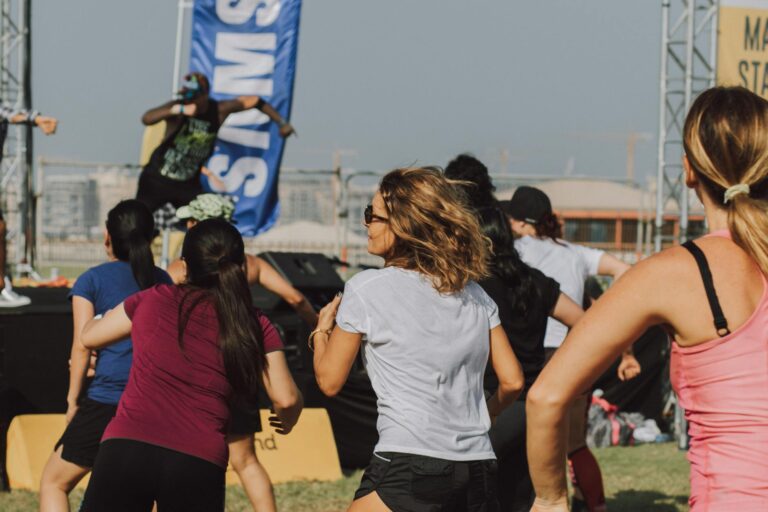
What Trump’s exercise habits reveal about American fitness culture extends far beyond partisan politics into fundamental questions about how the nation approaches physical health, aging, and the relationship between success and fitness. The former president has been remarkably candid about his unconventional views on exercise, famously subscribing to what some have called the “battery theory” of human energy””the belief that the body contains a finite amount of energy that exercise depletes rather than replenishes. This perspective, while scientifically unfounded, resonates with a significant portion of Americans who view traditional exercise with skepticism or find themselves unable to prioritize physical activity in their daily lives. The conversation around presidential fitness has historically reflected broader cultural attitudes toward health and vitality. From Theodore Roosevelt’s rugged outdoor pursuits to Barack Obama’s basketball games and George W.
Bush’s dedicated running regimen, American leaders have often symbolized the nation’s relationship with physical activity. Trump’s approach””preferring golf cart rides to walking the course, dismissing cardiovascular exercise, and reportedly considering activities like gesturing during speeches as sufficient physical exertion””represents a departure that mirrors trends seen across American society. His habits provide a lens through which to examine why the United States continues to struggle with physical inactivity despite unprecedented access to fitness information, facilities, and technology. By exploring the intersection of high-profile lifestyle choices and national fitness trends, readers will gain insight into the psychological, cultural, and structural barriers that prevent many Americans from embracing regular cardiovascular exercise. This examination goes beyond criticism or endorsement of any individual’s choices to address the deeper question of why a nation with so much fitness infrastructure produces such inconsistent health outcomes. Understanding these dynamics can help anyone””regardless of political affiliation””recognize the cultural narratives that shape their own relationship with exercise and potentially chart a different course.
Table of Contents
- Why Do Trump’s Exercise Beliefs Reflect Common American Attitudes Toward Fitness?
- How American Fitness Culture Diverges Between Elite Athletes and Average Citizens
- The Golf Course as America’s Fitness Compromise
- Building Cardiovascular Fitness Habits That Counter Cultural Resistance
- Why Age-Related Exercise Decline Accelerates in American Culture
- The Relationship Between Wealth, Power, and Physical Fitness Choices
- How to Prepare
- How to Apply This
- Expert Tips
- Conclusion
- Frequently Asked Questions
Why Do Trump’s Exercise Beliefs Reflect Common American Attitudes Toward Fitness?
The “battery theory” that trump has articulated””suggesting humans are born with a limited reservoir of energy that exercise depletes””finds surprising resonance in American culture despite being thoroughly debunked by exercise science. Research consistently demonstrates that regular physical activity increases energy levels, improves mitochondrial function, and enhances the body’s capacity for sustained effort. Yet surveys indicate that nearly 80 percent of American adults fail to meet basic physical activity guidelines, suggesting that many share an implicit skepticism about exercise’s benefits even if they wouldn’t articulate it in such stark terms.
This disconnect between scientific knowledge and behavioral patterns reveals something profound about American fitness culture. The nation has simultaneously produced world-class athletes, a multi-billion-dollar fitness industry, and one of the highest rates of sedentary behavior among developed countries. Trump’s exercise philosophy, viewed through this lens, represents not an aberration but an extreme expression of attitudes that permeate American society. The belief that rest equals recovery, that energy must be conserved rather than cultivated, and that success can be achieved without physical discipline reflects messaging that competes with fitness advocacy at every level of culture.
- The “finite energy” belief contradicts established exercise physiology but aligns with how many Americans experience fatigue in their daily lives
- Success-focused narratives in American culture often emphasize mental prowess and deal-making over physical capability
- The prioritization of productivity over health creates implicit permission structures for avoiding exercise
- Golf, Trump’s preferred activity, represents a uniquely American compromise between sport and business networking
How American Fitness Culture Diverges Between Elite Athletes and Average Citizens
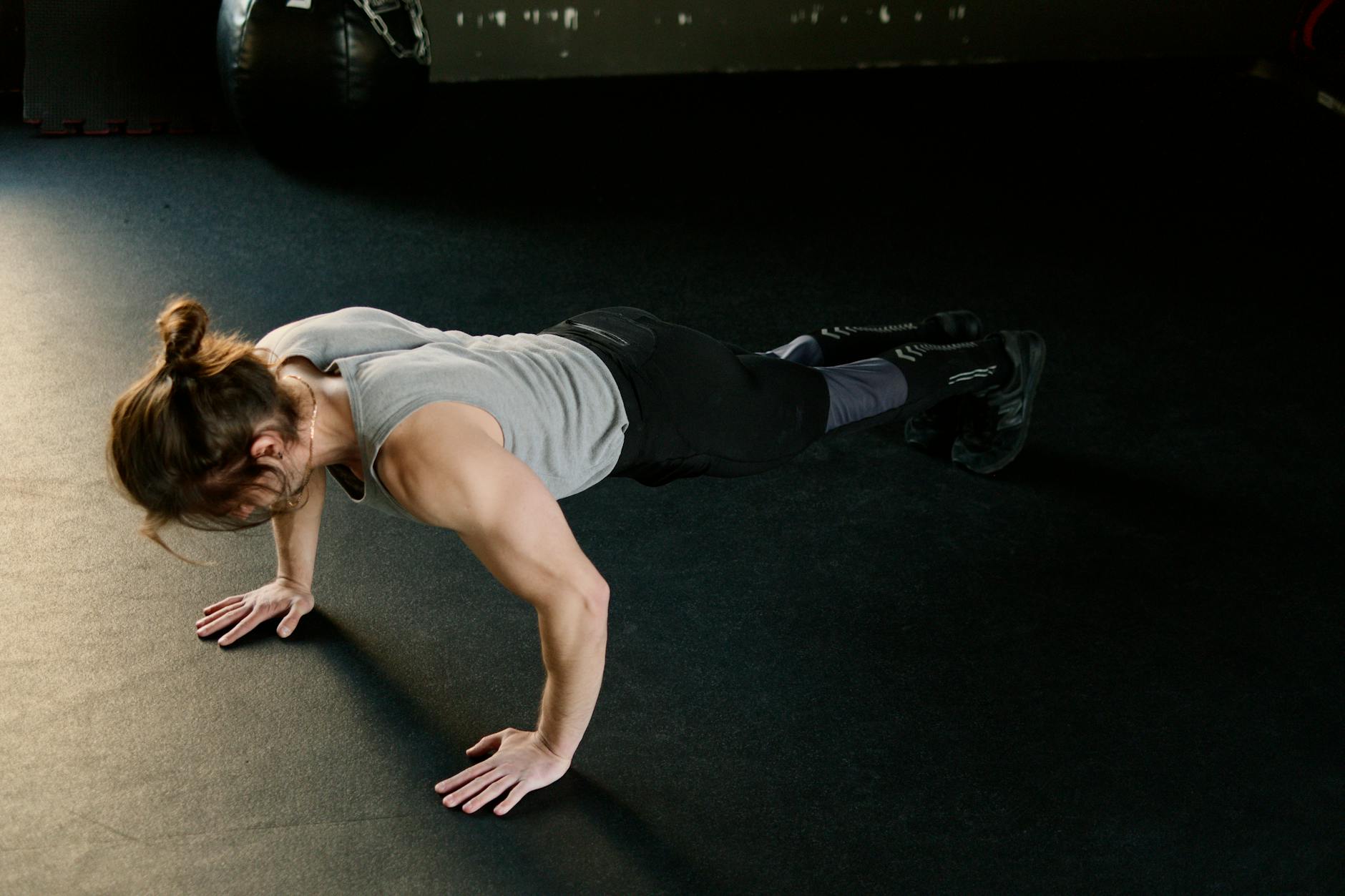
The United States presents a paradox in global fitness statistics: it produces more Olympic medals, professional athletes, and fitness innovations than virtually any other nation while simultaneously ranking among the most sedentary populations in the developed world. This bifurcation reflects a fitness culture that celebrates exceptional achievement while normalizing physical inactivity for the majority. Trump’s approach to exercise“”minimal cardiovascular activity combined with a lifestyle that many would consider privileged””mirrors this split between aspirational fitness imagery and practical daily choices.
American fitness culture has evolved to treat exercise as an optional lifestyle enhancement rather than a fundamental component of human health. The commercialization of fitness, while creating unprecedented access to gyms, classes, and equipment, has also framed physical activity as a consumer choice rather than a biological necessity. This framing allows individuals across the socioeconomic spectrum to opt out without facing significant social consequences. When a billionaire president openly dismisses exercise, it reinforces the notion that physical fitness is unnecessary for success and that alternative paths to health and longevity exist.
- Elite fitness culture in America emphasizes extreme achievement, creating an intimidating barrier for beginners
- The average American walks fewer than 5,000 steps daily, well below the recommended 7,000-10,000 for health benefits
- Gym membership rates exceed 60 million Americans, yet regular attendance remains inconsistent for most members
- The cultural narrative of “earning” rest through work rather than through physical exertion shapes daily choices
The Golf Course as America’s Fitness Compromise
Golf occupies a unique position in American fitness culture, particularly among business executives, retirees, and political figures. Trump’s well-documented passion for golf””he has reportedly played thousands of rounds and owns multiple courses””represents the activity that comes closest to exercise in his lifestyle. The sport exemplifies a distinctly American approach to physical activity: one that combines minimal cardiovascular demand with social networking, competitive elements, and outdoor time. For many Americans, golf represents the ceiling of their fitness ambitions rather than a foundation for more vigorous activity.
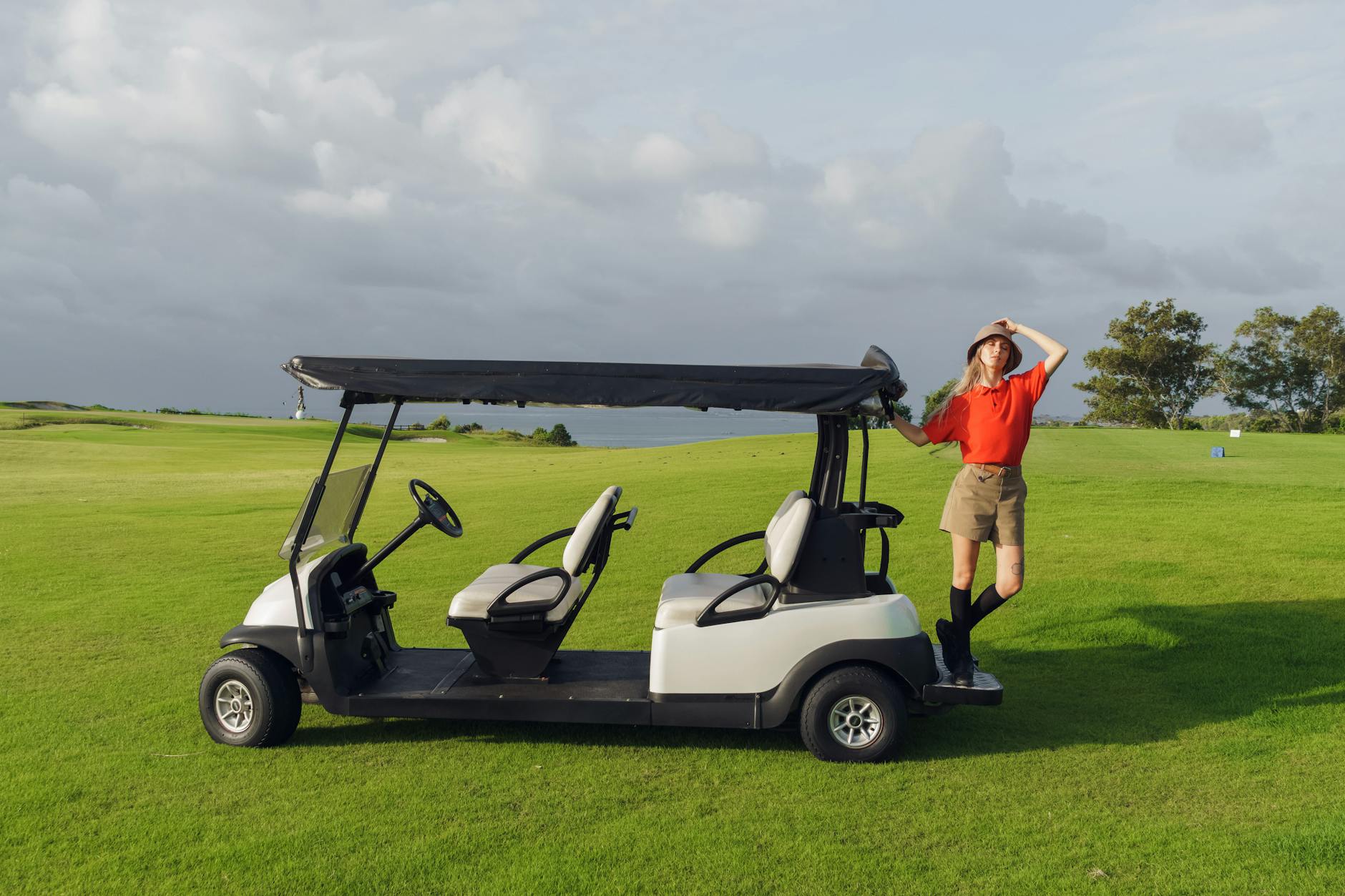
The health benefits of golf depend significantly on how the game is played. Walking an 18-hole course covers approximately four to five miles and can burn 1,200 to 1,500 calories while providing meaningful cardiovascular benefits. However, the widespread use of golf carts””Trump’s preferred method of course navigation””reduces these benefits substantially. Studies indicate that riding a cart decreases caloric expenditure by more than half and eliminates most cardiovascular advantages. This mechanized approach to a walking sport reflects broader American tendencies to engineer physical effort out of activities that once required it.
- Golf cart usage has increased from 40 percent of rounds in the 1990s to over 70 percent today
- Walking golfers show improved cardiovascular markers compared to cart riders in longitudinal studies
- The average golfer who walks burns approximately 2,000 calories during 18 holes including the physical demands of swinging
- Golf courses have increasingly been designed for cart access, reducing walkability
Building Cardiovascular Fitness Habits That Counter Cultural Resistance
Recognizing the cultural headwinds against regular cardiovascular exercise provides the first step toward overcoming them. American fitness culture’s emphasis on extreme achievement, the normalization of sedentary success, and the commercial framing of exercise as optional all create psychological barriers that must be actively addressed. Building sustainable cardiovascular habits requires both practical strategies and a reframing of what exercise means and accomplishes in daily life.
The science of habit formation suggests that consistency matters more than intensity, particularly when establishing new behavioral patterns. For individuals influenced by cultural narratives that minimize exercise’s importance, starting with modest goals proves more effective than ambitious programs that quickly become unsustainable. Walking, the most fundamental form of cardiovascular exercise, faces no legitimate barriers””it requires no equipment, no gym membership, no special clothing, and no athletic ability. Yet American adults average fewer than 5,000 steps daily, suggesting that even this basic activity has been engineered out of modern life.
- Parking farther from destinations adds 500-1,000 steps daily with minimal time investment
- Taking phone calls while walking transforms sedentary time into active minutes
- Using stairs instead of elevators provides brief cardiovascular challenges throughout the day
- Setting hourly movement reminders counteracts the sedentary nature of desk work
Why Age-Related Exercise Decline Accelerates in American Culture
Trump’s age during his presidency””he was the oldest person inaugurated until Biden’s term””brings attention to how Americans approach fitness as they age. The cultural permission to reduce physical activity with advancing years proves particularly strong in the United States, where retirement often signals an end to regular movement rather than an opportunity to prioritize health. Research indicates that maintaining cardiovascular fitness becomes more important with age, not less, as the protective effects against cognitive decline, cardiovascular disease, and mobility loss become increasingly relevant.
The fitness industry’s youth-centric marketing inadvertently reinforces the notion that exercise belongs to the young and athletic. Older Americans frequently report feeling unwelcome or out of place in gym environments, leading to avoidance behaviors that accelerate physical decline. Public figures who remain visibly active into their 70s, 80s, and beyond provide counter-narratives to this cultural default, demonstrating that cardiovascular fitness represents a lifelong pursuit rather than a youthful phase. The choice to prioritize golf carts over walking, to dismiss cardiovascular exercise as energy-depleting, reflects and reinforces age-related fitness decline that is cultural rather than biological in origin.
- Cardiovascular capacity decreases approximately 10 percent per decade after age 30 without intervention
- Regular aerobic exercise can reduce this decline by half, preserving function into advanced age
- Strength training combined with cardiovascular work provides the most robust protection against age-related decline
- Social fitness activities show higher adherence rates among older adults than solitary exercise
The Relationship Between Wealth, Power, and Physical Fitness Choices
Socioeconomic status creates complex relationships with physical fitness that defy simple assumptions. While wealth provides access to personal trainers, premium gym facilities, and time flexibility, it also enables lifestyles that minimize physical necessity. The ultra-wealthy can structure their environments to eliminate walking, standing, and manual effort””the incidental physical activity that historically kept human bodies functional.
Trump’s lifestyle, with its chauffeurs, golf carts, private jets, and extensive staff, represents the apex of this engineered sedentariness. Research on fitness patterns among high-income Americans reveals bifurcated behaviors: some leverage their resources to optimize health through personal training, nutritional guidance, and protected exercise time, while others use wealth to insulate themselves from any physical demand. The choice between these paths often reflects underlying beliefs about exercise’s value””beliefs shaped by the same cultural forces that affect all Americans regardless of income. When prominent wealthy individuals publicly dismiss fitness, it signals that success can be achieved and maintained without physical discipline, influencing aspirational Americans who look to such figures as role models.
How to Prepare
- **Audit your current activity levels honestly** by tracking steps and movement for one week without attempting changes. Most Americans significantly overestimate their activity levels, and accurate baseline data prevents the discouragement of discovering less progress than expected. Use a smartphone’s built-in health app or an inexpensive pedometer to gather objective information about your starting point.
- **Identify your personal “battery theory” beliefs** by examining the excuses that arise when considering exercise. Common variants include believing you’re too tired, too busy, too old, or that exercise will leave you depleted for more important tasks. Writing these beliefs down and examining their origins helps separate cultural programming from personal experience.
- **Design your environment for incidental movement** by making active choices easier and sedentary choices harder. This might mean keeping walking shoes by the door, positioning your workspace to require standing or walking, or choosing parking spots and transit options that add steps to your day. Environmental design proves more sustainable than willpower alone.
- **Build social accountability structures** that make fitness visible to others whose opinions matter to you. This could involve joining a walking group, committing to regular activity with a friend, or publicly tracking your progress. Social species respond to social pressure, and leveraging this tendency supports habit formation.
- **Start with walking as your cardiovascular foundation** regardless of your ultimate fitness goals. Walking requires no learning curve, produces immediate benefits, and scales easily from brief walks to extended sessions. Establishing a daily walking habit creates the behavioral infrastructure for adding more demanding exercise later.
How to Apply This
- **Begin each day with a 10-minute walk** before checking email, news, or social media. This morning movement establishes a pattern that proves easier to maintain than evening exercise, which competes with fatigue, social obligations, and the day’s accumulated stress. The specific duration matters less than the consistency of the practice.
- **Replace one daily sedentary activity with movement** by taking phone calls while walking, holding walking meetings, or listening to podcasts and audiobooks only during active time. This approach doesn’t add time to your schedule but transforms existing time from sedentary to active.
- **Use the two-minute rule for overcoming resistance** by committing only to put on exercise clothing and move for two minutes when motivation flags. The psychological barrier to starting exceeds the difficulty of continuing, and most two-minute starts extend into longer sessions naturally.
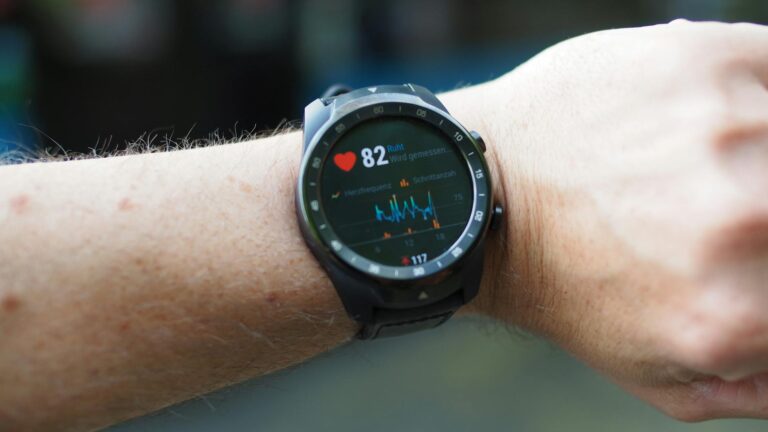
- **Track cardiovascular metrics that motivate rather than discourage** by focusing on resting heart rate improvements, distance covered over time, or consistency streaks rather than weight loss or appearance changes. Cardiovascular fitness produces measurable improvements within weeks that can reinforce the habit even when scale changes lag.
Expert Tips
- **Reject the all-or-nothing mentality** that dominates American fitness culture. A 10-minute walk provides genuine health benefits, and consistency with modest efforts outperforms sporadic intense sessions. The perfect workout you skip helps less than the mediocre workout you complete.
- **Reframe exercise as energy creation rather than energy expenditure** by paying attention to how you feel after cardiovascular activity rather than during it. The post-exercise clarity, improved mood, and enhanced energy that follow aerobic activity directly contradict the “battery theory” through personal experience.
- **Leverage the compound interest of fitness** by understanding that cardiovascular improvements build on themselves. Early efforts feel disproportionately difficult because you’re starting from a lower baseline; the same effort produces better results as fitness improves.
- **Choose activities that provide secondary benefits** beyond cardiovascular fitness. Walking in nature reduces stress hormones, exercising with others builds relationships, and active commuting saves money and time. Multiple motivations increase adherence when any single motivation weakens.
- **Prepare for cultural pushback** from colleagues, family members, or social circles who may consciously or unconsciously discourage your fitness efforts. Changing behavior often threatens those comfortable with the status quo, and recognizing this dynamic prevents others’ discomfort from derailing your progress.
Conclusion
The examination of what Trump’s exercise habits reveal about American fitness culture exposes tensions that affect millions of people regardless of their political views or personal opinions about any public figure. The normalization of sedentary behavior, the framing of exercise as optional, the belief that success can be achieved without physical discipline, and the engineering of movement out of modern life all create headwinds against cardiovascular fitness that require conscious effort to overcome. Understanding these cultural forces doesn’t excuse inactivity but rather provides the awareness necessary to chart a different course.
Cardiovascular fitness remains one of the most powerful interventions available for improving quality of life, extending healthy years, and maintaining cognitive function into advanced age. The scientific evidence for these benefits is overwhelming and continues to strengthen with ongoing research. Each individual must ultimately decide whether to accept cultural defaults that lead toward sedentariness or to actively build habits that support long-term health. The tools, knowledge, and opportunities for cardiovascular fitness have never been more accessible; what remains is the choice to use them, one walk, one workout, one day at a time.
Frequently Asked Questions
How long does it typically take to see results?
Results vary depending on individual circumstances, but most people begin to see meaningful progress within 4-8 weeks of consistent effort. Patience and persistence are key factors in achieving lasting outcomes.
Is this approach suitable for beginners?
Yes, this approach works well for beginners when implemented gradually. Starting with the fundamentals and building up over time leads to better long-term results than trying to do everything at once.
What are the most common mistakes to avoid?
The most common mistakes include rushing the process, skipping foundational steps, and failing to track progress. Taking a methodical approach and learning from both successes and setbacks leads to better outcomes.
How can I measure my progress effectively?
Set specific, measurable goals at the outset and track relevant metrics regularly. Keep a journal or log to document your journey, and periodically review your progress against your initial objectives.
When should I seek professional help?
Consider consulting a professional if you encounter persistent challenges, need specialized expertise, or want to accelerate your progress. Professional guidance can provide valuable insights and help you avoid costly mistakes.
What resources do you recommend for further learning?
Look for reputable sources in the field, including industry publications, expert blogs, and educational courses. Joining communities of practitioners can also provide valuable peer support and knowledge sharing.