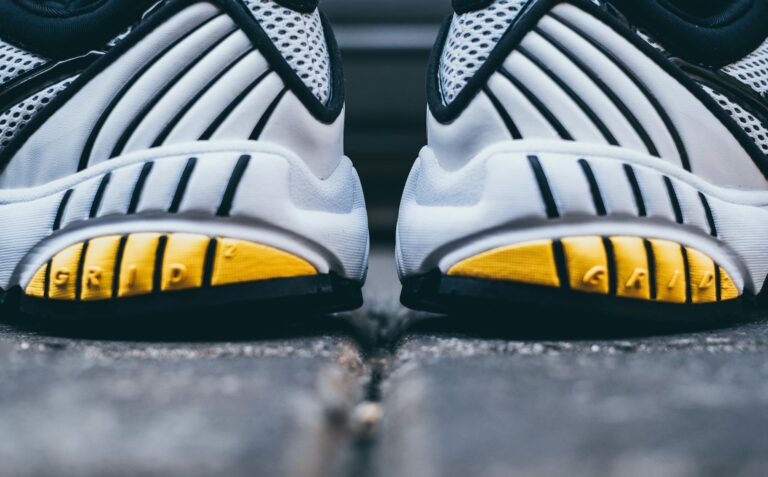
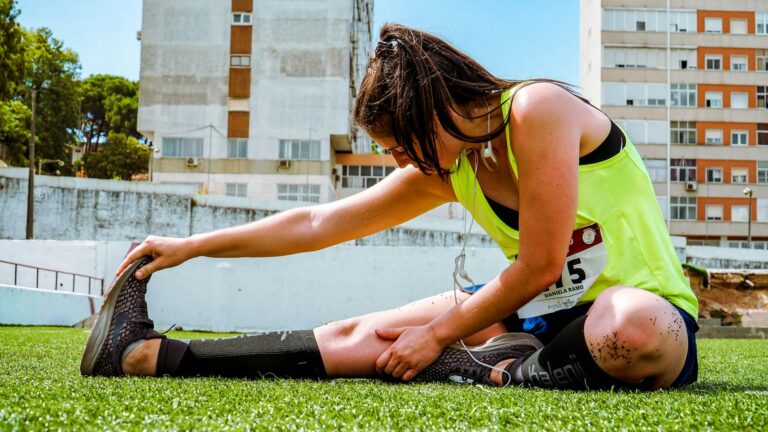
When choosing your first running shoes, focus on three essential factors: proper fit, appropriate cushioning for your intended mileage, and a shoe category that matches your foot mechanics. The right shoe should feel comfortable immediately, with about a thumb’s width of space between your longest toe and the front of the shoe, a secure heel that doesn’t slip, and enough room in the toe box to wiggle your toes freely. For most beginning runners, a neutral cushioned shoe provides the best starting point unless a gait analysis reveals significant overpronation that requires stability features. Consider a new runner named Sarah who visited a specialty running store, tried on five different shoes, and ended up choosing a model that felt unremarkable on the shelf but transformed during a test jog on the store’s treadmill.
That experience illustrates a critical truth: running shoes cannot be properly evaluated while standing still. The shoe that looks most impressive or carries the highest price tag often isn’t the right choice for your particular feet and running style. This article covers the specific elements you should evaluate when shopping, including how to understand your foot type, why cushioning levels matter more than brand names, when stability shoes make sense versus when they’re unnecessary, and how to avoid the common mistakes that lead first-time buyers to abandon running before they’ve truly started. You’ll also learn practical steps for testing shoes in-store and what questions to ask salespeople who may be more focused on clearing inventory than finding your ideal match.
Table of Contents
- What Should First-Time Runners Look for When Choosing Running Shoes?
- Understanding Cushioning Levels and Stack Heights
- Stability Shoes Versus Neutral Shoes: Making the Right Choice
- Common Fitting Mistakes That Lead to Injury and Frustration
- Breaking In New Running Shoes: What to Expect
- How to Prepare
- How to Apply This
- Expert Tips
- Conclusion
- Frequently Asked Questions
What Should First-Time Runners Look for When Choosing Running Shoes?
The most reliable approach for first-time runners is to prioritize comfort over technology, marketing claims, or price point. Research published in the British Journal of Sports Medicine found that runners who selected shoes based primarily on comfort experienced fewer injuries than those who chose based on prescribed motion control features. This finding upends decades of conventional wisdom that suggested matching specific shoe types to specific foot mechanics was essential for injury prevention. Your foot shape determines which shoes will even be candidates for consideration. Feet generally fall into three width categories””narrow, standard, and wide””and three arch profiles””low, neutral, and high. A runner with wide feet and low arches faces an entirely different selection process than someone with narrow feet and high arches.
Brands vary significantly in their fit profiles: Brooks and New Balance tend to accommodate wider feet, while Nike and Saucony often run narrower. Trying shoes from multiple manufacturers reveals these differences quickly. The surface you plan to run on also influences your choice. Road running shoes feature flatter, smoother outsoles designed for pavement and sidewalks, while trail shoes incorporate aggressive lugs for traction on dirt, rocks, and roots. Beginning runners who plan to stick primarily to neighborhood streets or park paths should start with road shoes, which offer more versatility and typically lighter weight. Hybrid options exist for those who split time between surfaces, though they compromise slightly in both environments.

Understanding Cushioning Levels and Stack Heights
Cushioning refers to the foam material between your foot and the ground, and it ranges from minimal to maximal. Minimal shoes provide little barrier between foot and surface, promoting a more natural foot strike but offering less protection from impact forces. Maximal cushioning shoes, popularized by brands like Hoka, feature thick midsoles that absorb significant shock but may reduce ground feel and proprioception. Most beginning runners find moderate cushioning provides the best balance of protection and responsiveness. Stack height””the measurement of foam thickness under your heel and forefoot””directly affects how a shoe feels during foot strike.
A shoe with 30mm of heel stack and 22mm of forefoot stack has an 8mm “drop,” meaning your heel sits 8mm higher than your toes. Traditional running shoes feature drops between 10-12mm, while more modern designs often use 4-8mm drops. Lower drops encourage midfoot striking patterns but require adaptation time for runners accustomed to heel striking. However, if you’re carrying significant extra weight or have a history of joint issues, maximum cushioning may serve you better despite the reduced ground feel. Conversely, runners transitioning from minimalist or barefoot backgrounds should avoid jumping into heavily cushioned shoes, as the foam can actually destabilize ankles accustomed to firm surfaces. The cushioning debate has no universal answer””it depends entirely on your body, your background, and your goals.
Stability Shoes Versus Neutral Shoes: Making the Right Choice
Stability shoes contain firmer foam sections or plastic components designed to limit inward rolling of the foot during the gait cycle””a movement called pronation. For decades, running stores used wet footprint tests and visual gait analysis to prescribe stability shoes for runners whose feet appeared to pronate excessively. This approach assumed that controlling pronation prevented injuries, a premise that subsequent research has largely failed to support. Current evidence suggests that mild to moderate overpronation is a normal biomechanical variation that doesn’t require correction for most runners. A 2016 study of over 900 novice runners found that pronators randomly assigned neutral shoes experienced no more injuries than those given stability shoes matched to their foot type. This doesn’t mean stability shoes serve no purpose””runners with severe overpronation, chronic ankle instability, or specific injury histories may genuinely benefit from motion control features. The practical takeaway for first-time buyers is this: unless you’ve experienced repeated ankle injuries or a medical professional has recommended stability shoes, start with a neutral model. If problems develop during your first few months of running, reassess. Many runners waste money on stability shoes they don’t need because a salesperson observed slight pronation during a 30-second treadmill jog””a test duration far too short to reveal how your feet actually behave over miles of running.
## How to Get Properly Fitted at a Running Store Specialty running stores offer services that general sporting goods retailers cannot match, including gait analysis, extensive test runs, and staff with actual running experience. A proper fitting begins with questions about your running goals, injury history, and current activity level. Salespeople should measure both feet””most people have slight size differences””and observe your bare feet while standing and walking before recommending any shoes. For example, Fleet Feet locations use a 3D scanning system that captures foot dimensions, arch height, and pressure distribution in seconds, generating a printout that guides shoe selection. While this technology helps narrow options, it shouldn’t replace human judgment and your own feedback. After trying on recommended shoes, you should walk around the store extensively and, critically, run on a treadmill or around the block if the store permits outdoor testing. A shoe that feels perfect while walking may reveal problems at running pace. The tradeoff with specialty stores involves price””they rarely discount current models and may cost 15-20% more than online retailers for identical shoes. However, the fitting expertise often justifies the premium for first-time buyers who have no baseline for comparison. Many runners purchase their initial pair at a specialty store, identify their preferred model, and then buy subsequent pairs online at discounted prices once they know exactly what works.
Common Fitting Mistakes That Lead to Injury and Frustration
Buying shoes that are too small ranks as the most frequent error among beginning runners. Your feet swell during running, sometimes by half a size or more over the course of a long run. Shoes that feel appropriately snug while standing in a store may cause blackened toenails, blisters, and numbness after just a few miles of actual running. Always size up from your casual shoe size””running shoes should fit with noticeable room in the toe box without any heel slippage. Another common mistake involves shopping at the wrong time of day. Feet naturally expand throughout the day due to gravity and activity, reaching their largest size by late afternoon or evening.
Trying on shoes in the morning when your feet are at their smallest leads to undersized purchases. Similarly, wearing thin dress socks or no socks during fitting misrepresents how the shoe will feel with actual running socks, which tend to be thicker and may alter fit slightly. A warning worth heeding: don’t let sunk cost fallacy keep you in wrong shoes. If you buy a pair, run in them three times, and consistently experience discomfort, return or exchange them. Most specialty running stores accept returns on lightly worn shoes within 30-60 days specifically because fit problems often don’t appear until real running conditions. Continuing to run in painful shoes virtually guarantees either injury or abandonment of running altogether.
Breaking In New Running Shoes: What to Expect
Modern running shoe construction requires minimal break-in time compared to leather athletic shoes of previous generations. Most foam-based shoes feel comfortable immediately and shouldn’t cause blisters or hot spots on early runs. If a new shoe hurts from the first step, it’s likely the wrong shoe rather than one that needs breaking in. The break-in myth leads runners to tolerate poor-fitting shoes for weeks, hoping discomfort will resolve when it rarely does.
That said, transitioning between significantly different shoe types requires gradual adaptation. A runner switching from a traditional 12mm drop shoe to a 4mm drop minimalist model should expect calf soreness and potential Achilles strain if the transition happens too quickly. Sports medicine professionals recommend reducing weekly mileage by 25-50% when making dramatic shoe changes and building back gradually over 4-6 weeks. For example, a runner logging 20 miles weekly in traditional shoes should drop to 10-15 miles when introducing a new minimalist pair, adding mileage slowly as the body adapts.
How to Prepare
- **Assess your current activity level and running goals.** A complete beginner planning to walk-run three times weekly has different needs than a former athlete returning to running with marathon ambitions. Be honest about your starting point””salespeople can recommend appropriate cushioning and durability based on realistic expectations.
- **Document any previous foot, ankle, knee, or hip injuries.** Past injuries often influence which shoe features will serve you best. Bring this information to your fitting appointment rather than trying to recall details on the spot.
- **Bring your current running socks or purchase appropriate ones first.** The socks you’ll actually run in affect fit assessment. Thin cotton socks from your dresser drawer don’t replicate the thickness and moisture-wicking properties of proper running socks.
- **Research return policies before you buy.** Know whether the store allows returns after outdoor use, how long the return window lasts, and whether you’ll receive a refund or only store credit. This information matters if your shoes reveal problems during actual training.
- **Set a budget range but remain flexible.** Quality running shoes typically cost between $120-180, though previous-year models often drop to $80-100 and perform identically. However, don’t force your feet into a poorly-fitting shoe just because it’s on sale””the injury risk outweighs the savings.
How to Apply This
- **Communicate clearly with the salesperson about your experience level, goals, and any constraints.** Mention that you’re a first-time running shoe buyer so they understand you need more guidance than an experienced runner replacing a familiar model.
- **Try on at least three different shoes from different brands before making any decision.** Even if the first pair feels great, you lack the comparison baseline to know whether something else might feel better. Each shoe reveals something about your preferences.
- **Spend at least five minutes in each serious contender, including walking and running if possible.** Stand on one foot, rise onto your toes, and simulate running motion. Any pinching, rubbing, or instability during these tests will worsen during actual runs.
- **Trust your immediate comfort impression over technical specifications or salesperson enthusiasm.** If a shoe feels wrong despite supposedly matching your foot type perfectly, it’s wrong for you. No biomechanical analysis overrides the simple feedback of discomfort.
Expert Tips
- Purchase running shoes in the late afternoon or evening when your feet have expanded to their largest size, ensuring adequate room during actual runs when swelling occurs.
- Do not buy shoes based on color, style, or brand loyalty””these factors have zero correlation with injury prevention or performance, yet they drive more purchasing decisions than any functional consideration.
- Replace running shoes every 300-500 miles regardless of visible wear, as midsole cushioning degrades before outsoles show obvious damage.
- Keep your old running shoes when buying new ones and rotate between pairs if possible””foam recovers some resilience when given 24-48 hours between runs.
- Ignore claims about shoes “correcting” your running form; footwear cannot fundamentally change biomechanics developed over decades of walking and moving.
Conclusion
Selecting your first running shoes requires attention to fit, appropriate cushioning, and honest assessment of your foot mechanics””but comfort should remain the primary criterion guiding your final decision. The technical features marketed by shoe companies matter far less than how the shoe actually feels on your foot during movement. A properly fitted neutral shoe serves most beginning runners well, with stability features reserved for those with documented overpronation issues or specific medical recommendations.
Your first pair of running shoes represents an investment in a new pursuit, but it needn’t be an intimidating purchase. Visit a specialty running store, communicate honestly about your goals and limitations, try multiple options, and trust your body’s feedback. The shoes that feel right usually are right, regardless of what the technology labels promise. With appropriate footwear supporting your efforts, you can focus on the actual challenge of building a running habit rather than fighting equipment problems that should have been solved in the store.
Frequently Asked Questions
How long does it typically take to see results?
Results vary depending on individual circumstances, but most people begin to see meaningful progress within 4-8 weeks of consistent effort. Patience and persistence are key factors in achieving lasting outcomes.
Is this approach suitable for beginners?
Yes, this approach works well for beginners when implemented gradually. Starting with the fundamentals and building up over time leads to better long-term results than trying to do everything at once.
What are the most common mistakes to avoid?
The most common mistakes include rushing the process, skipping foundational steps, and failing to track progress. Taking a methodical approach and learning from both successes and setbacks leads to better outcomes.
How can I measure my progress effectively?
Set specific, measurable goals at the outset and track relevant metrics regularly. Keep a journal or log to document your journey, and periodically review your progress against your initial objectives.
When should I seek professional help?
Consider consulting a professional if you encounter persistent challenges, need specialized expertise, or want to accelerate your progress. Professional guidance can provide valuable insights and help you avoid costly mistakes.
What resources do you recommend for further learning?
Look for reputable sources in the field, including industry publications, expert blogs, and educational courses. Joining communities of practitioners can also provide valuable peer support and knowledge sharing.