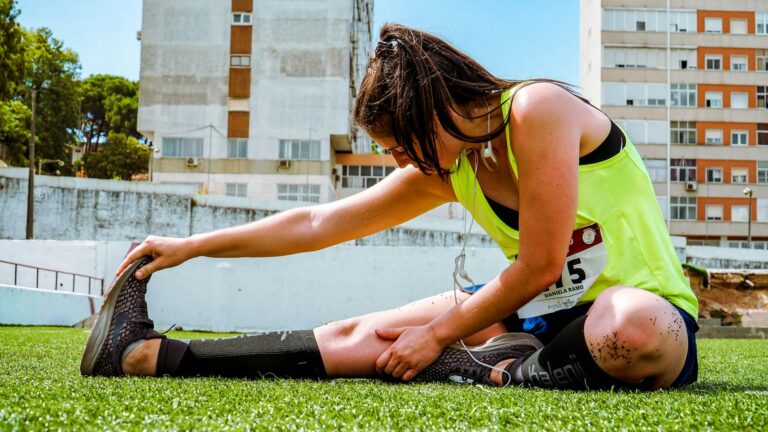
When you run 7 miles after age 60, your body undergoes a remarkable cascade of physiological responses that differ significantly from younger runners””your heart works harder to maintain the same pace, your muscles require longer recovery periods, and your joints experience greater cumulative stress, yet your cardiovascular system, bone density, and cognitive function all receive substantial protective benefits that can add years to your life. A 63-year-old runner completing regular 7-mile runs will typically see resting heart rate improvements of 10-15 beats per minute, enhanced insulin sensitivity, and measurable increases in hippocampal volume that protect against age-related cognitive decline. The distance of 7 miles represents a meaningful threshold for older runners””long enough to trigger significant aerobic adaptations but short enough to allow recovery within 48-72 hours for most conditioned athletes over 60.
Unlike shorter runs that primarily stress fast-twitch muscle fibers, a 7-mile effort depletes glycogen stores, stimulates mitochondrial biogenesis, and produces the sustained cardiovascular demand necessary for genuine fitness improvements. Consider Roger, a 67-year-old former desk worker who began running at 61: after two years of building to 7-mile long runs, his VO2 max increased from 28 to 36 ml/kg/min””essentially reversing a decade of cardiovascular aging. This article examines exactly what happens inside an aging body during and after a 7-mile run, covering cardiovascular responses, musculoskeletal adaptations, hormonal changes, recovery requirements, common injury patterns, and the mental health benefits unique to older endurance athletes. Understanding these processes helps runners over 60 train smarter, recover better, and continue enjoying long-distance running for decades.
Table of Contents
- How Does Running 7 Miles Affect Your Heart and Cardiovascular System After 60?
- Muscle Adaptation and Recovery Challenges in Runners Over 60
- Joint and Bone Changes During 7-Mile Runs After 60
- How Long Should Runners Over 60 Rest After a 7-Mile Run?
- Common Injuries and Warning Signs for Older Distance Runners
- Mental Health and Cognitive Benefits of Long-Distance Running After 60
- How to Prepare
- How to Apply This
- Expert Tips
- Conclusion
- Frequently Asked Questions
How Does Running 7 Miles Affect Your Heart and Cardiovascular System After 60?
The cardiovascular demands of a 7-mile run on a 60-plus body are substantial but largely beneficial. During the effort, cardiac output increases to 15-20 liters per minute (compared to 5 liters at rest), and the heart rate typically reaches 75-85% of age-predicted maximum for a moderate-effort run. For a 65-year-old, this means sustaining 120-135 beats per minute for 70-90 minutes. The aging heart responds by strengthening its left ventricle, improving stroke volume, and enhancing the efficiency of oxygen extraction at the muscle level. Regular 7-mile runs produce measurable improvements in arterial compliance””the flexibility of blood vessel walls that naturally decreases with age.
A 2019 study in the Journal of the American College of Cardiology found that masters runners over 60 who maintained weekly long runs had arterial stiffness profiles matching sedentary individuals 20 years younger. This translates directly to lower blood pressure, reduced stroke risk, and decreased likelihood of heart failure. The comparison is stark: sedentary 65-year-olds lose approximately 1% of their VO2 max annually, while those maintaining regular distance running lose only 0.5% or less. However, runners with undiagnosed cardiac conditions face elevated risks during sustained efforts. The 7-mile distance places significant stress on coronary arteries, and runners over 60 should obtain cardiac clearance, particularly if they experience unusual breathlessness, chest discomfort, or have family histories of heart disease. Electrocardiogram screening and stress testing provide baseline data that can identify potential problems before they become dangerous.

Muscle Adaptation and Recovery Challenges in Runners Over 60
The muscular response to a 7-mile run changes fundamentally after 60 due to sarcopenia””the natural loss of muscle mass and function that accelerates in the sixth decade. During the run, type I slow-twitch muscle fibers handle most of the workload, but they fatigue more quickly in aging muscles, requiring earlier recruitment of type II fast-twitch fibers that are less suited for endurance work. This explains why older runners often feel strong in the first few miles but experience disproportionate fatigue in the final third of longer efforts. Protein synthesis rates decline by approximately 30% after age 60, meaning muscle repair takes significantly longer than in younger runners. While a 30-year-old might feel fully recovered from a 7-mile run within 24-48 hours, most runners over 60 require 48-72 hours for complete muscular recovery.
This extended timeline isn’t a sign of weakness””it’s a fundamental biological reality that must inform training schedules. Attempting to run 7 miles again before adequate recovery leads to cumulative damage, chronic fatigue, and elevated injury risk. Interestingly, the training adaptations remain robust despite slower recovery. Masters runners who consistently perform 7-mile runs develop enhanced capillary density around muscle fibers, improved mitochondrial function, and better glycogen storage capacity. A limitation exists for those with pre-existing muscle conditions: runners with diagnosed myopathies or those taking statin medications (which can cause muscle damage) may experience exaggerated muscle breakdown and should monitor creatine kinase levels if undertaking regular long-distance efforts.
Joint and Bone Changes During 7-Mile Runs After 60
Contrary to popular belief, regular running does not accelerate joint degeneration in healthy older adults””instead, the rhythmic loading of 7-mile runs stimulates cartilage metabolism and maintains synovial fluid production that keeps joints lubricated. Each footstrike generates forces of 2-3 times body weight, which in well-adapted runners triggers beneficial remodeling responses rather than damage. Stanford research tracking runners over 20 years found that consistent long-distance runners developed knee osteoarthritis at lower rates than sedentary controls, challenging the assumption that running “wears out” joints. Bone density responds particularly well to the impact loading of distance running. The mechanical stress signals osteoblasts to increase bone formation, counteracting the 1-2% annual bone loss typical in sedentary post-menopausal women and older men.
A 7-mile run generates thousands of loading cycles through the hip, spine, and lower extremities””sufficient stimulus to maintain or even increase bone mineral density when combined with adequate calcium and vitamin D intake. The specific example of Ellen, a 68-year-old runner from Vermont, illustrates this benefit. After menopause, her DEXA scan showed osteopenia in her lumbar spine. Rather than abandoning running, she gradually increased her long run distance to 7 miles while adding strength training. Two years later, her bone density had improved by 4%, moving out of the osteopenic range. However, runners with existing stress fractures or severe osteoporosis should approach this distance cautiously, as compromised bone may not tolerate the cumulative loading without additional support from medical professionals.

How Long Should Runners Over 60 Rest After a 7-Mile Run?
Recovery protocols for older distance runners must balance the desire to maintain fitness with the biological reality of slower tissue repair. The minimum recovery period between 7-mile runs for most runners over 60 is 72 hours, though many athletes thrive with a full week between long efforts. During this recovery window, active rest””walking, swimming, or easy cycling””accelerates healing without adding running-specific stress to muscles and connective tissues. Sleep becomes disproportionately important for older runners. During deep sleep stages, human growth hormone release peaks, facilitating muscle repair and glycogen replenishment. Unfortunately, sleep architecture changes after 60, with less time spent in restorative deep sleep phases.
Runners over 60 who maintain 7-mile training should prioritize sleep hygiene, aiming for 7-8 hours nightly with consistent bed and wake times. Those who sleep fewer than 6 hours consistently will experience compromised recovery regardless of other interventions. The tradeoff between frequency and recovery quality presents a genuine dilemma. Running 7 miles weekly provides robust cardiovascular maintenance but may not be sufficient for competitive goals. Running this distance twice weekly accelerates fitness gains but increases injury risk substantially for most older runners. The comparison suggests that one quality 7-mile run per week, supplemented by shorter efforts of 3-4 miles on recovery days, represents the optimal balance for runners over 60 seeking longevity in the sport rather than peak short-term performance.
Common Injuries and Warning Signs for Older Distance Runners
The injury landscape shifts dramatically after 60, with certain conditions becoming far more prevalent during 7-mile training. Achilles tendinopathy leads the list, as the tendon loses elasticity and water content with age, making it vulnerable to the repetitive loading of longer runs. Plantar fasciitis, stress reactions in the metatarsals, and iliotibial band syndrome round out the most common complaints. These conditions share a pattern: they typically emerge not from single traumatic events but from accumulated microtrauma when recovery is insufficient. Warning signs that demand immediate attention include pain that worsens during a run rather than improving after warmup, sharp localized discomfort that persists at rest, and swelling that doesn’t resolve within 24 hours.
Night pain is particularly concerning, often indicating stress reactions approaching fracture status. Runners over 60 must abandon the “push through” mentality that may have served them in younger decades””a stress reaction caught early requires 3-4 weeks of modified activity, while an actual stress fracture demands 6-12 weeks of no running. A critical limitation applies to runners returning from injury: the 7-mile distance should never be the first long run after a layoff. Connective tissues decondition faster than cardiovascular fitness in older adults, creating a dangerous mismatch where the heart and lungs feel ready for distances that tendons and ligaments cannot yet support. A conservative rebuilding protocol adds no more than half a mile to the long run each week, regardless of how fit the runner feels.

Mental Health and Cognitive Benefits of Long-Distance Running After 60
The brain benefits of 7-mile runs extend well beyond the commonly cited “runner’s high.” Sustained aerobic exercise at this distance triggers brain-derived neurotrophic factor (BDNF) release, a protein essential for the growth and maintenance of neurons. In older adults, higher BDNF levels correlate with preserved hippocampal volume, better memory function, and reduced rates of dementia. The practical effect is measurable: a 2022 University of British Columbia study found that older adults who maintained regular distance running showed cognitive function equivalent to sedentary individuals 7-10 years younger.
Depression and anxiety rates drop significantly in older runners, with the 7-mile distance providing a long enough effort to generate substantial mood-elevating effects. The combination of endorphin release, accomplishment satisfaction, and time spent outdoors creates a powerful antidepressant effect that rivals pharmaceutical interventions for mild to moderate depression. James, a 64-year-old retired teacher, describes his weekly 7-mile run as “cheaper and more effective than any therapy I’ve tried.”.
How to Prepare
- **Obtain medical clearance with cardiac screening.** Before commencing any 7-mile training program, runners over 60 should complete a stress test and basic cardiac evaluation. This is non-negotiable for anyone with risk factors including high blood pressure, diabetes, smoking history, or family cardiac history. The screening establishes your safe heart rate zones and identifies any limitations.
- **Build a base of consistent shorter running.** Spend 8-12 weeks running 3-4 miles three times weekly before attempting anything approaching 7 miles. This phase allows connective tissues to adapt to running-specific stress while building aerobic foundation.
- **Increase long run distance by no more than 10% weekly.** If your current long run is 4 miles, add half a mile the following week, then wait another week before adding more. This patience prevents the overuse injuries that sideline impatient older runners.
- **Incorporate strength training twice weekly.** Focus on single-leg exercises (lunges, step-ups), hip stability work (clamshells, lateral band walks), and calf raises. Strong muscles absorb forces that would otherwise stress joints and tendons.
- **Practice race-day nutrition during training.** A 7-mile run at moderate pace depletes glycogen stores sufficiently that fueling becomes relevant. Experiment with pre-run meals and, for runs exceeding 75 minutes, mid-run carbohydrate sources like gels or chews.
How to Apply This
- **Position your 7-mile run on a day following a rest or easy cross-training day.** This ensures glycogen stores are replenished and muscles are recovered. Most runners find weekend mornings optimal for logistical reasons, but any day works if preceded by adequate recovery.
- **Follow the long run with a full rest day or very easy 20-30 minute walk.** The 24 hours following a 7-mile effort are when most muscle repair occurs; challenging this process with another hard effort compromises adaptation.
- **Space your week’s running across non-consecutive days when possible.** A typical effective schedule includes: Sunday (7 miles long run), Tuesday (3 miles easy), Thursday (4 miles with tempo intervals), with walking or cycling on the remaining days.
- **Reduce volume by 25-30% every fourth week.** This deload week allows accumulated fatigue to dissipate and reduces the risk of overtraining syndrome, which can take months to resolve in older athletes.
Expert Tips
- Run your 7-mile efforts at a conversational pace””if you cannot speak in complete sentences, slow down, as excessive intensity compromises recovery without improving aerobic benefit.
- Do not run 7 miles in new shoes; break in footwear during shorter runs to identify fit issues before committing to the full distance.
- Consume 20-30 grams of protein within 30 minutes of finishing your run to maximize muscle protein synthesis during the critical recovery window.
- Monitor morning resting heart rate; an elevation of more than 5 beats per minute above your baseline suggests incomplete recovery, and you should postpone hard efforts.
- Consider running on softer surfaces like trails or tracks for your 7-mile runs; the reduced impact forces benefit aging joints without compromising training effect.
Conclusion
Running 7 miles after 60 triggers profound physiological responses throughout the body””from strengthening cardiac muscle and maintaining bone density to preserving cognitive function and enhancing mental health. The key distinctions for older runners involve recovery requirements, injury prevention strategies, and the wisdom to progress gradually rather than forcing adaptation on an aging body’s timeline.
The evidence overwhelmingly supports continuing or beginning distance running in your 60s, 70s, and beyond, provided you approach training with appropriate patience and medical oversight. Start with a thorough cardiac evaluation, build your base conservatively, prioritize recovery as much as training, and listen to warning signs from your body. The 7-mile run can remain an achievable and beneficial goal for decades, offering physical health benefits that no medication can match and mental clarity that improves quality of life immeasurably.
Frequently Asked Questions
How long does it typically take to see results?
Results vary depending on individual circumstances, but most people begin to see meaningful progress within 4-8 weeks of consistent effort. Patience and persistence are key factors in achieving lasting outcomes.
Is this approach suitable for beginners?
Yes, this approach works well for beginners when implemented gradually. Starting with the fundamentals and building up over time leads to better long-term results than trying to do everything at once.
What are the most common mistakes to avoid?
The most common mistakes include rushing the process, skipping foundational steps, and failing to track progress. Taking a methodical approach and learning from both successes and setbacks leads to better outcomes.
How can I measure my progress effectively?
Set specific, measurable goals at the outset and track relevant metrics regularly. Keep a journal or log to document your journey, and periodically review your progress against your initial objectives.
When should I seek professional help?
Consider consulting a professional if you encounter persistent challenges, need specialized expertise, or want to accelerate your progress. Professional guidance can provide valuable insights and help you avoid costly mistakes.
What resources do you recommend for further learning?
Look for reputable sources in the field, including industry publications, expert blogs, and educational courses. Joining communities of practitioners can also provide valuable peer support and knowledge sharing.