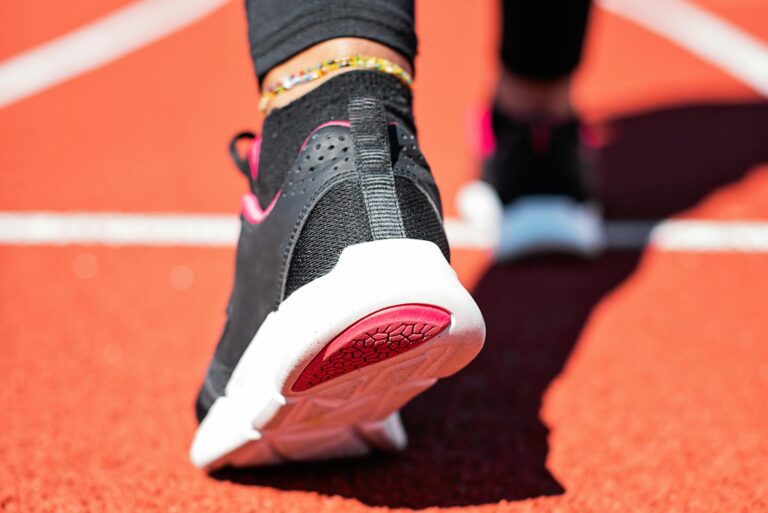
When rain threatens your training schedule, the most practical weather-resistant options include waterproof running shoes with sealed membranes, moisture-wicking base layers topped with a breathable rain jacket, and a brimmed hat to keep water out of your eyes. For those who prefer staying dry entirely, treadmill running, indoor track facilities, and covered parking structures offer reliable alternatives that don’t require modifying your workout intensity or duration. A runner in Seattle, for example, might invest in Gore-Tex trail shoes and a lightweight shell jacket for daily use, while someone in Arizona who encounters rain only occasionally might simply shift to an indoor gym on those rare wet days.
This article covers the full spectrum of rainy-day training solutions, from gear choices that let you embrace the elements to indoor alternatives that keep your cardiovascular fitness on track. You’ll learn how different waterproof technologies compare, which clothing combinations actually work versus those that leave you drenched in sweat, and how to protect your electronics and prevent common injuries on wet surfaces. Whether you’re training for a marathon that might happen in a downpour or simply refuse to let weather derail your routine, these options will keep you running through every forecast.
Table of Contents
- What Are the Best Weather-Resistant Gear Options for Rainy Training Days?
- Comparing Waterproof Versus Water-Resistant Running Apparel
- Indoor Training Alternatives During Severe Weather
- Preventing Injuries and Safety Risks on Wet Surfaces
- Maintaining Motivation and Routine Consistency in Rainy Seasons
- How to Prepare
- How to Apply This
- Expert Tips
- Conclusion
- Frequently Asked Questions
What Are the Best Weather-Resistant Gear Options for Rainy Training Days?
Waterproof running shoes represent the first line of defense, though the term “waterproof” comes with important caveats. Shoes featuring Gore-Tex or similar membranes keep water out during light rain and shallow puddles, but once water enters from above the ankle, that same membrane traps moisture inside, leaving your feet wetter than standard mesh shoes would. Brands like Salomon, Brooks, and Altra offer waterproof versions of popular models, typically adding thirty to fifty dollars to the retail price and roughly half an ounce of weight per shoe. Rain jackets designed specifically for running differ substantially from hiking or casual waterproof shells. Running jackets prioritize breathability ratings measured in grams per square meter per day, with quality options offering at least ten thousand grams of moisture vapor transfer.
The Arc’teryx Norvan and Patagonia Storm Racer exemplify this category, using lightweight fabrics under seven ounces that pack into their own pockets. However, no jacket eliminates sweat entirely during hard efforts, so runners often choose water-resistant softshells over fully waterproof options for workouts lasting under an hour in light rain. Accessories complete the weather-resistant setup. A brimmed running cap keeps rain off your face and out of your eyes more effectively than any hood, which tends to obstruct peripheral vision and blow off in wind. Waterproof running gloves prevent the miserable combination of wet and cold hands, though they sacrifice some dexterity. Many runners skip waterproof socks, finding that they simply delay the inevitable while creating uncomfortable seams.

Comparing Waterproof Versus Water-Resistant Running Apparel
The distinction between waterproof and water-resistant determines how a garment performs and when it becomes a liability. Waterproof fabrics use sealed membranes and taped seams to prevent water penetration, achieving ratings above ten thousand millimeters on the hydrostatic head test. Water-resistant fabrics receive a durable water repellent coating that causes water to bead and roll off, but eventually saturate in sustained rain. A water-resistant jacket works well for a forty-minute tempo run in drizzle, while a waterproof shell becomes necessary for two-hour long runs in steady precipitation. However, if you’re running at high intensity or in warm conditions, a fully waterproof jacket may create more moisture inside from sweat than a water-resistant layer would allow in from rain.
The practical test involves considering your effort level and duration: zone two easy runs generate less heat and pair well with waterproof layers, while threshold workouts and interval sessions often demand maximum breathability regardless of weather. Some experienced runners carry both options, switching based on workout demands rather than forecast intensity. Cost and durability factor into this decision significantly. Waterproof membranes eventually degrade, typically after two to three years of regular use, and cannot be restored. DWR coatings can be refreshed through washing and heat application or spray-on treatments, extending the useful life of water-resistant garments. A two-hundred-dollar waterproof jacket that lasts three years costs roughly the same per year as an eighty-dollar water-resistant option replaced annually, but the latter offers more flexibility across conditions.
Indoor Training Alternatives During Severe Weather
Treadmill running provides the most accessible indoor option, available at commercial gyms, home setups, and even some offices. Modern treadmills with cushioned decks reduce impact forces compared to concrete, making them useful for runners managing injury concerns. Setting the incline to one percent roughly approximates the energy cost of outdoor running by compensating for the lack of wind resistance and the belt’s assistance to leg turnover. A runner training for the Boston Marathon might use treadmill sessions to simulate Heartbreak Hill by programming specific incline intervals. Indoor tracks at recreation centers and universities offer a middle ground between outdoor running and treadmill monotony. Most indoor tracks require twelve to twenty laps per mile due to their tight dimensions, which places asymmetric stress on the body from constant turning. Runners should alternate directions every few laps and limit indoor track sessions to moderate distances. Many facilities restrict sprint workouts or require specific lane usage during busy periods, so checking policies before arriving prevents wasted trips. Pool running, while often overlooked, provides an excellent cardiovascular stimulus without any impact forces. Deep water running with a flotation belt maintains running-specific muscle activation while allowing recovery from minor injuries.
Research indicates that pool running at similar perceived effort levels produces heart rate responses within five to ten beats per minute of land running, making it suitable for maintaining fitness during extended rainy periods or when combining weather avoidance with injury prevention. ## How to Protect Electronics and Valuables in Wet Conditions Running watches from Garmin, Polar, and Coros carry water resistance ratings sufficient for rain, but phone protection requires more consideration. Waterproof phone pouches designed for running allow touchscreen access through clear plastic windows while sealing against moisture. The Aquapac and OverBoard brands offer options that accommodate various phone sizes and arm-mounted or waist-mounted carrying systems. Testing any pouch in a sink before trusting it with an expensive phone takes only a minute and prevents costly damage. Wireless earbuds vary dramatically in their water resistance, with IPX ratings indicating specific protection levels. An IPX4 rating handles sweat and light rain, while IPX7 means the device can survive temporary submersion. Jaybird and certain Beats models specifically target runners with higher ratings, though no wireless earbuds should be deliberately submerged. The charging cases for these devices rarely share the same water resistance, so keeping the case in a sealed pocket or leaving it at home prevents a common failure point. Backup plans for electronic failure deserve consideration. Knowing your planned route well enough to complete it without GPS guidance, carrying a few dollars in cash inside a ziplock bag, and memorizing key phone numbers rather than relying entirely on your device contacts all reduce the consequences of electronics succumbing to wet conditions.

Preventing Injuries and Safety Risks on Wet Surfaces
Wet pavement reduces traction significantly, particularly on painted lines, metal surfaces, and leaves. Adjusting running form for these conditions means shortening stride length, landing with feet closer to beneath the center of mass, and avoiding sharp directional changes. Trail shoes with aggressive lugs outperform road shoes on muddy paths, but those same lugs can feel unstable on wet concrete or asphalt. A runner who normally uses Nike Pegasus shoes might switch to a trail model only for routes with extended unpaved sections rather than for general rainy-day road running. Visibility drops in rain for both runners and drivers, making early morning or evening runs particularly hazardous. Reflective gear that works in dry conditions may become less effective when wet, as water droplets scatter light differently.
Wearing an LED safety light or headlamp, even during daytime rain, significantly improves visibility to motorists. Some runners choose to modify their routes on rainy days, selecting paths with wider shoulders, less traffic, or better lighting regardless of their normal preferences. Hypothermia risk exists even at surprisingly moderate temperatures when rain is involved. A fifty-degree day with rain and wind creates greater heat loss than a thirty-degree dry day due to water’s thermal conductivity being roughly twenty-five times that of air. Warning signs include uncontrollable shivering, slurred speech, and impaired coordination. Carrying a phone or staying on routes where you can reach shelter within fifteen minutes adds a safety margin during transitional weather when rain might intensify unexpectedly.
Maintaining Motivation and Routine Consistency in Rainy Seasons
Pacific Northwest runners often develop what locals call an “embrace the wet” mentality, treating rainy runs as badges of dedication rather than obstacles. This psychological shift begins with proper gear that eliminates the misery of being cold and soaked, then builds through accumulated positive experiences running in conditions others avoid. A running group in Portland might schedule their social runs specifically on rainy mornings to normalize the experience and provide accountability.
Structured plans that include indoor backup workouts prevent all-or-nothing thinking that leads to skipped sessions. Writing “treadmill intervals” as an alternative directly into a training calendar removes the decision fatigue that strikes when rain appears on the forecast. Some coaches recommend completing easy runs outdoors regardless of weather while reserving quality workouts for controlled conditions, ensuring key training stimuli aren’t compromised by environmental factors.

How to Prepare
- Check hourly forecasts rather than daily summaries, identifying windows of lighter precipitation for scheduling flexibility. Many apps now show precipitation intensity maps that reveal exactly when the heaviest rain will pass through your area.
- Lay out complete rain-ready gear the night before, including waterproof jacket, cap, appropriate shoes, and visibility accessories. Having everything prepared eliminates morning hesitation when the sound of rain against windows tempts you back to bed.
- Apply anti-chafe products more liberally than usual, focusing on areas where wet fabric will repeatedly contact skin. Body Glide, Squirrel’s Nut Butter, and petroleum jelly all create barriers that prevent painful hot spots from developing.
- Plan a shortened warm-up route with a bailout option for the first ten minutes, allowing you to assess actual conditions before committing to a longer workout. Sometimes forecasts are wrong in your favor.
- Prepare dry clothes and a warm beverage for immediately after your run, making the post-workout experience rewarding enough to reinforce the behavior. The mistake many runners make is finishing their rainy run and then standing around in wet clothes while dealing with other tasks, which transforms a manageable experience into a miserable one.
How to Apply This
- Audit your current gear against actual rain performance by wearing it during a short, low-stakes run before trusting it for important workouts. A twenty-minute shakeout run in light rain reveals leaky seams and ineffective water resistance before you’re committed to a ninety-minute long run.
- Map three to five route alternatives with varying surfaces and shelter availability, designating which conditions match which routes. A paved bike path with frequent underpasses serves stormy days better than a scenic trail that becomes treacherous when wet.
- Build relationships with local indoor facilities before you need them urgently, understanding their hours, costs, and peak usage times. Showing up at a university recreation center expecting to use their track without knowing guest policies wastes time you could spend training.
- Create a personal decision matrix that matches specific weather conditions to predetermined responses, removing in-the-moment judgment that often defaults to skipping workouts. If rain is under one-quarter inch per hour and temperature is above forty-five degrees, you run outside; if either threshold is crossed, you shift indoors.
Expert Tips
- Layer moisture-wicking fabrics against your skin rather than cotton, which absorbs water and holds it against your body, dramatically increasing heat loss and chafing risk.
- Remove insoles from wet shoes and stuff newspaper inside to absorb moisture, replacing the paper every few hours; avoid direct heat sources like radiators or dryers, which damage the foam and adhesives.
- Do not wear a rain jacket for short runs under thirty minutes in light rain if temperatures are above fifty-five degrees, as you’ll likely generate more internal moisture than the rain would contribute.
- Schedule your longest weekly run based on the multi-day forecast rather than fixed calendar days, giving yourself flexibility to shift by a day or two for better conditions.
- Apply a thin layer of petroleum jelly to your eyebrows to create a natural watershed that directs rain away from your eyes, an old ultramarathon trick that works better than it sounds.
Conclusion
Weather-resistant training ultimately depends on matching your response to the specific conditions you face, ranging from embracing light rain with appropriate gear to strategically retreating indoors during dangerous storms. The runners who maintain consistency through rainy seasons invest in quality waterproof shells and shoes, develop backup indoor workout options, and cultivate a mindset that views wet runs as opportunities rather than obstacles. Proper preparation, from anti-chafe application to post-run warm clothes, transforms potentially miserable experiences into manageable ones.
Moving forward, evaluate your current gear against the criteria discussed, identify the indoor facilities available in your area, and establish clear decision rules for when you’ll run outside versus shifting indoors. A single investment in a quality rain jacket and waterproof shoes pays dividends across multiple seasons, while the habit of checking hourly rather than daily forecasts opens windows of opportunity that might otherwise go unnoticed. Rain will always be part of running in most climates, and the runners who thrive are those who prepare for it rather than hoping it will pass.
Frequently Asked Questions
How long does it typically take to see results?
Results vary depending on individual circumstances, but most people begin to see meaningful progress within 4-8 weeks of consistent effort. Patience and persistence are key factors in achieving lasting outcomes.
Is this approach suitable for beginners?
Yes, this approach works well for beginners when implemented gradually. Starting with the fundamentals and building up over time leads to better long-term results than trying to do everything at once.
What are the most common mistakes to avoid?
The most common mistakes include rushing the process, skipping foundational steps, and failing to track progress. Taking a methodical approach and learning from both successes and setbacks leads to better outcomes.
How can I measure my progress effectively?
Set specific, measurable goals at the outset and track relevant metrics regularly. Keep a journal or log to document your journey, and periodically review your progress against your initial objectives.
When should I seek professional help?
Consider consulting a professional if you encounter persistent challenges, need specialized expertise, or want to accelerate your progress. Professional guidance can provide valuable insights and help you avoid costly mistakes.
What resources do you recommend for further learning?
Look for reputable sources in the field, including industry publications, expert blogs, and educational courses. Joining communities of practitioners can also provide valuable peer support and knowledge sharing.