The best waterproof walking shoes for rainy weather combine a sealed Gore-Tex or equivalent membrane with rubber outsoles built for wet traction — and in 2026, the standout options include the Brooks Ghost 17 GTX for its podiatrist-recommended cushioning, the Vessi Stormburst for its fully waterproof knit upper, and the Merrell Moab 3 Low GTX as the most reliable budget pick. These are not simply water-resistant shoes with a spray coating. They use engineered membrane technology that blocks rain from getting in while still allowing some degree of moisture vapor to escape, which matters tremendously when you are walking for exercise and generating body heat. If you have ever tried to push through a four-mile walk in standard mesh running shoes during a downpour, you already know the problem.
Within minutes, your socks are soaked, your feet start sliding inside the shoe, and blister risk goes through the roof. A properly waterproof walking shoe eliminates that scenario entirely. The difference between a ruined walk and a comfortable one often comes down to whether your shoe has a sealed membrane or just a marketing claim. This article covers the leading waterproof walking shoe models for 2026, explains the technology behind Gore-Tex and competing waterproof systems, breaks down what to expect across different price ranges from around $100 to $250, and addresses the real tradeoffs — including breathability — that come with choosing waterproof footwear for regular cardio walking.
Table of Contents
- What Makes a Walking Shoe Truly Waterproof for Rainy Weather?
- Top Waterproof Walking Shoes Ranked for Rainy-Day Cardio
- How Waterproof Shoe Pricing Breaks Down in 2026
- Choosing Between Cushioned and Stable Waterproof Walking Shoes
- The Breathability Problem With Waterproof Walking Shoes
- Wet-Surface Traction and Why Outsole Design Matters as Much as Waterproofing
- What to Expect From Waterproof Walking Shoes Going Forward
- Conclusion
What Makes a Walking Shoe Truly Waterproof for Rainy Weather?
The critical distinction is between “waterproof” and “water-resistant,” and the footwear industry is not always transparent about the difference. A truly waterproof walking shoe uses a sealed membrane — most commonly Gore-Tex — that is durably waterproof, windproof, and breathable. This membrane sits between the shoe’s outer material and its interior lining, creating a barrier that physically prevents water molecules from passing through while allowing smaller sweat vapor molecules to escape. Water-resistant shoes, by contrast, typically rely on a DWR (durable water repellent) coating applied to the exterior fabric. That coating causes water to bead up and roll off initially, but it degrades over time, especially with regular use and washing. In steady rain or when stepping through puddles, a DWR-coated shoe will eventually soak through. Gore-Tex remains the industry-leading waterproof membrane technology and appears in most of the top-rated walking shoes on the market. However, it is not the only option.
Vessi uses a proprietary system called Dyma-tex, which is a knit-based waterproof technology that achieves 100% waterproofing without a traditional membrane layer. The practical difference for the walker is that Dyma-tex shoes like the Vessi Stormburst tend to feel lighter and more flexible out of the box, while Gore-Tex models offer a longer track record of proven durability across thousands of miles. If you are walking primarily on pavement in urban rain, either technology works. If you are logging serious mileage on mixed terrain in sustained wet conditions, Gore-Tex has the deeper body of long-term performance data. One comparison worth noting: the Brooks Ghost 17 GTX uses a specific variant called Gore-Tex Invisible Fit, which bonds the waterproof membrane directly to the shoe’s upper material rather than inserting it as a separate liner. Traditional Gore-Tex liners can create a slightly stiff, “bag-like” feel inside the shoe. The Invisible Fit approach eliminates that sensation and produces a fit much closer to what you would expect from the non-waterproof version of the same shoe. For walkers who have tried waterproof shoes in the past and found them uncomfortably rigid, this technology specifically addresses that complaint.
Top Waterproof Walking Shoes Ranked for Rainy-Day Cardio
The 2026 market offers a genuinely strong lineup of waterproof walking shoes across different priorities. The Hoka Clifton 9 GTX stands out for walkers who want maximum cushioning with minimal weight. It features an updated Gore-Tex membrane with closed mesh construction and traction designed for all wet conditions. Reviewers consistently praise its lightweight feel, which is notable because waterproof shoes historically carried a weight penalty that made them feel sluggish on longer walks. The Clifton 9 GTX largely solves that problem. For all-around durability, the Salomon X Ultra 5 GTX has earned a reputation as the most resilient option.
It is top-rated for stability, durability, and waterproofness, with reviewers reporting 500-plus miles of use with continued waterproof performance — a threshold where many competitors start showing membrane degradation around the flex points. However, the Salomon is built with a more trail-oriented last and firmer midsole, so if your rainy-day walking is exclusively on sidewalks and paved paths, you may find it stiffer than necessary. The Hoka Anacapa 2 Low GTX fills the gap for walkers who want superior underfoot cushioning without sacrificing waterproof protection, and it has been rated as one of the best waterproof walking shoes specifically for comfort on hard surfaces. The On Cloudhorizon deserves mention as the most versatile option in the lineup, transitioning well from trails to city settings without looking like a hiking shoe. For urban commuters who walk to work in the rain and then spend the day in an office, the Hoka Transport GTX was designed specifically for that use case. It features a sugarcane-based EVA midsole, quick-toggle laces for fast on-and-off, and a Gore-Tex membrane. The toggle laces are a small detail that matters more than you might expect when you are rushing out the door on a wet morning.
How Waterproof Shoe Pricing Breaks Down in 2026
Waterproof walking shoes span a wide range from roughly $100 to $250, and the price differences reflect real differences in materials and construction — not just branding. At the budget end, the Nike Motiva Gore-Tex comes in at approximately $99.97, making it one of the most accessible entry points into genuine Gore-Tex waterproofing. The Merrell Moab 3 Low GTX, widely regarded as the best budget pick overall, is comfortable right out of the box with reliable waterproofing and enough breathability for summer use. It is lightweight enough for all-day wear without the foot fatigue that plagues some cheaper waterproof options. The mid-range tier from $120 to $200 is where most walkers will find the best balance of performance and value. Adidas Terrex models fall in the $120 to $160 range, while the majority of Gore-Tex walking shoes from brands like Hoka, Brooks, and Salomon cluster between $170 and $200.
This is the sweet spot for regular walkers who need dependable waterproofing and good cushioning but do not require the most premium materials available. The Brooks Ghost 17 GTX and Hoka Clifton 9 GTX both sit in this range and represent excellent value for the technology they include. At the premium end, The North Face models reach approximately $210, and the ECCO Track 25 tops out at $249.95. The higher price at this tier typically buys you premium leather uppers, more sophisticated outsole compounds, or brand-specific comfort technologies. For a dedicated cardio walker putting in 15 to 25 miles per week in wet conditions, the mid-range tier is usually the right call. The premium tier makes more sense for walkers who also need their shoes to function in light hiking or professional settings where appearance matters.

Choosing Between Cushioned and Stable Waterproof Walking Shoes
The most important decision after committing to a waterproof shoe is whether to prioritize cushioning or stability, because waterproof models tend to amplify the characteristics of their non-waterproof counterparts. The Hoka Clifton 9 GTX and Hoka Anacapa 2 Low GTX sit firmly on the cushioning side of the spectrum. They use thick, soft midsole foam that absorbs impact on hard surfaces and reduces joint stress over long walks. This makes them excellent for walkers recovering from injuries or anyone logging high weekly mileage on concrete and asphalt. The tradeoff is that maximum cushioning can feel less precise underfoot, and some walkers report a slightly unstable sensation on uneven wet surfaces where a softer platform compresses unpredictably. The Salomon X Ultra 5 GTX represents the stability end of the spectrum.
Its firmer midsole and more structured upper provide a locked-in feel that inspires confidence on wet, uneven terrain. It excels on gravel paths, wet grass, and mixed surfaces where foot placement matters. The Brooks Ghost 17 GTX occupies a middle ground that many walkers find ideal — its DNA Loft v3 nitrogen-infused cushioning provides meaningful shock absorption without the marshmallow-soft feel of the Hoka models, and its podiatrist-recommended design suggests a well-balanced platform. If you are unsure which direction to lean, the Ghost 17 GTX is a safe starting point, particularly with the Invisible Fit Gore-Tex construction that avoids adding stiffness to the upper. For walkers who split time between paved surfaces and light trails, the On Cloudhorizon offers the most natural transition between environments. Its outsole pattern handles both wet pavement and packed dirt without the aggressive lugging that makes trail-specific shoes feel clunky on sidewalks. This versatility comes at the cost of specialization — it will not match the Salomon’s grip on truly muddy trails or the Hoka’s plushness on concrete — but for mixed-use walkers, that compromise is often the right one.
The Breathability Problem With Waterproof Walking Shoes
Every waterproof walking shoe involves a fundamental tradeoff that manufacturers downplay and buyers need to understand: waterproof membranes reduce breathability compared to non-waterproof versions of the same shoe. Gore-Tex is breathable relative to a solid rubber boot, but it is measurably less breathable than an open-mesh running shoe. This matters for cardio walkers because your feet generate significant heat and moisture during sustained aerobic activity. In warm or humid climates, a waterproof shoe can trap enough internal moisture to leave your socks damp from sweat even though no external water got in. This is not a reason to avoid waterproof shoes, but it is a reason to be strategic about when you wear them. If you live in the Pacific Northwest and walk through drizzle four days a week from October to April, a waterproof shoe is a clear win — the membrane keeps rain out, and temperatures are cool enough that internal moisture buildup stays manageable.
If you live in Houston and get caught in a warm summer thunderstorm once a week, you might actually be more comfortable in a quick-drying mesh shoe that soaks through and then dries out within an hour. The worst-case scenario for a waterproof shoe is sustained walking in warm rain, where the membrane traps heat and sweat while external humidity prevents efficient vapor transfer through the membrane. The Vessi Stormburst partially addresses this concern with its Dyma-tex knit construction, which is thinner and more flexible than a traditional Gore-Tex laminate. It also features a wide toe box, protective toe caps, and reflective accents for low-light walking in rain. Still, no waterproof technology fully matches the ventilation of a non-waterproof mesh shoe. If breathability is your top concern, look for models specifically noted for warm-weather performance, like the Merrell Moab 3 Low GTX, which reviewers have called breathable enough for summer use — a distinction that does not apply to all Gore-Tex shoes equally.
Wet-Surface Traction and Why Outsole Design Matters as Much as Waterproofing
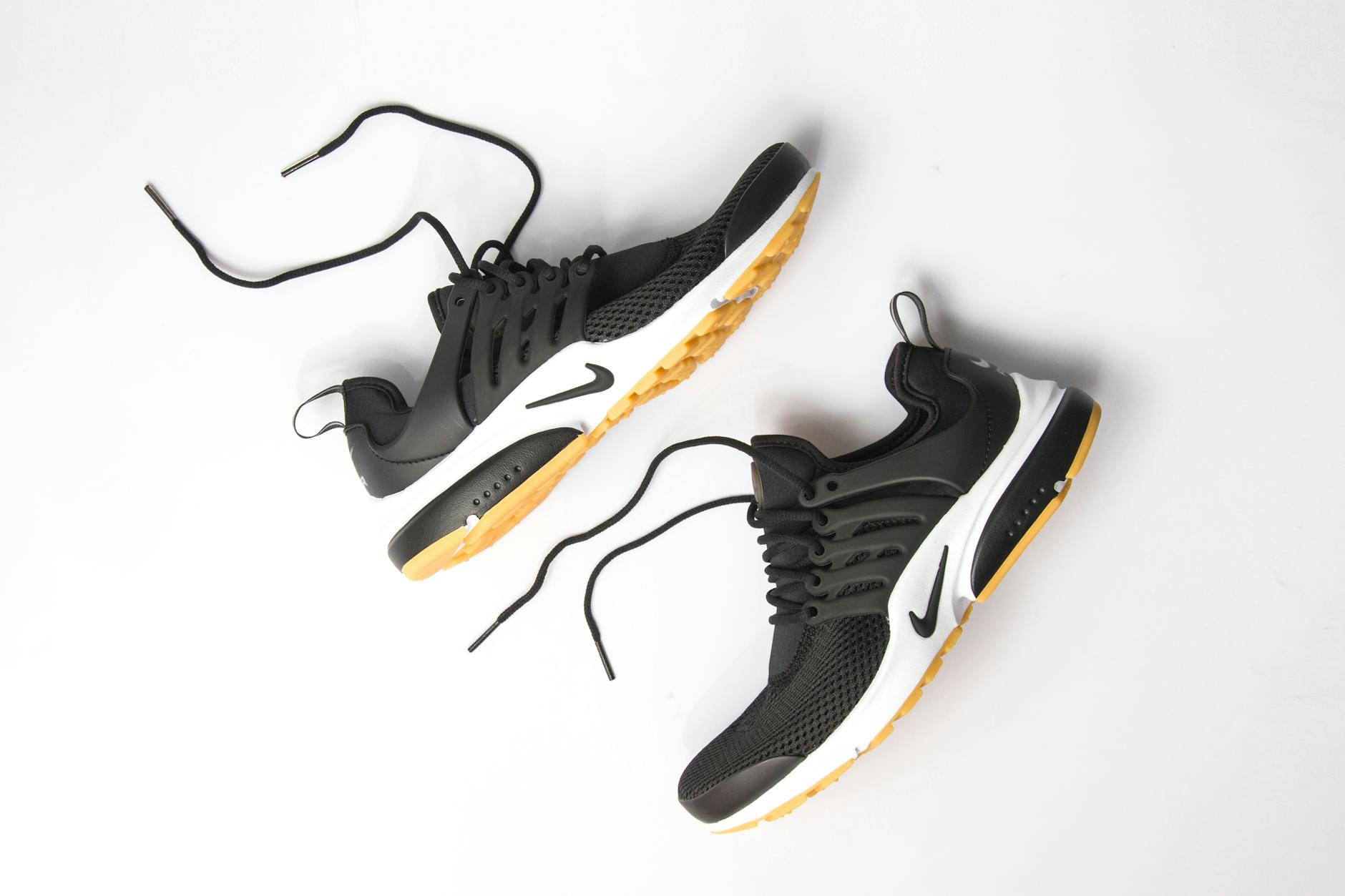
A waterproof upper keeps your feet dry, but it does nothing to prevent you from slipping on wet pavement, metal grates, or leaf-covered sidewalks. Look for shoes with full rubber outsoles and aggressive tread patterns specifically designed for wet-surface grip. The Vessi Stormburst addresses this with a full rubber outsole paired with its waterproof upper, and the Salomon X Ultra 5 GTX uses a Contagrip compound that has become an industry benchmark for wet traction. The Hoka Clifton 9 GTX has been praised for traction suitable for all wet conditions, though its softer rubber compound may wear faster than the Salomon’s on abrasive surfaces.
A common mistake is buying a shoe with excellent waterproofing but a hard, shallow-lugged outsole that turns into a skating surface on wet tile or polished concrete. If your walking route includes any indoor sections — entering a grocery store, crossing a lobby — test the shoe on smooth wet surfaces, not just wet asphalt. Trail-oriented outsoles with deep lugs grip well on dirt and gravel but can feel oddly slippery on smooth, wet indoor floors because less rubber contacts the surface. The On Cloudhorizon and Hoka Transport GTX, both designed with urban use in mind, tend to handle this transition between outdoor and indoor wet surfaces better than trail-focused models.
What to Expect From Waterproof Walking Shoes Going Forward
The waterproof footwear market is moving in two clear directions. First, membrane technology continues to get thinner and more breathable without sacrificing water protection. The evolution from standard Gore-Tex to Gore-Tex Invisible Fit is a good example — each generation reduces the performance gap between waterproof and non-waterproof versions of the same shoe.
Second, proprietary alternatives like Vessi’s Dyma-tex suggest that the Gore-Tex monopoly on premium waterproofing is weakening, which should drive both innovation and more competitive pricing over time. For cardio walkers, the practical takeaway is that the current generation of waterproof shoes is the best it has ever been, and the remaining compromises — slightly reduced breathability, modest weight penalties, higher price points — are shrinking with each product cycle. If you tried waterproof walking shoes five years ago and found them stiff, heavy, or uncomfortable, the 2026 options are worth revisiting. The gap between a waterproof and non-waterproof walking shoe has never been narrower.
Conclusion
Waterproof walking shoes for rainy weather have matured into a category where you no longer have to accept major compromises in comfort, weight, or feel. The Brooks Ghost 17 GTX offers the best blend of cushioning and natural fit thanks to its Invisible Fit Gore-Tex membrane. The Salomon X Ultra 5 GTX leads on durability with proven performance past 500 miles. The Merrell Moab 3 Low GTX delivers reliable waterproofing at the most accessible price point.
And the Vessi Stormburst represents a compelling alternative to Gore-Tex with its 100% waterproof knit technology. The most important decisions come down to your climate, your walking surface, and your tolerance for the breathability tradeoff that every waterproof shoe carries. Match the shoe to your actual conditions rather than buying the most waterproof option available, and pay at least as much attention to outsole traction as you do to the waterproof membrane. Your feet staying dry matters, but your feet staying under you matters more.