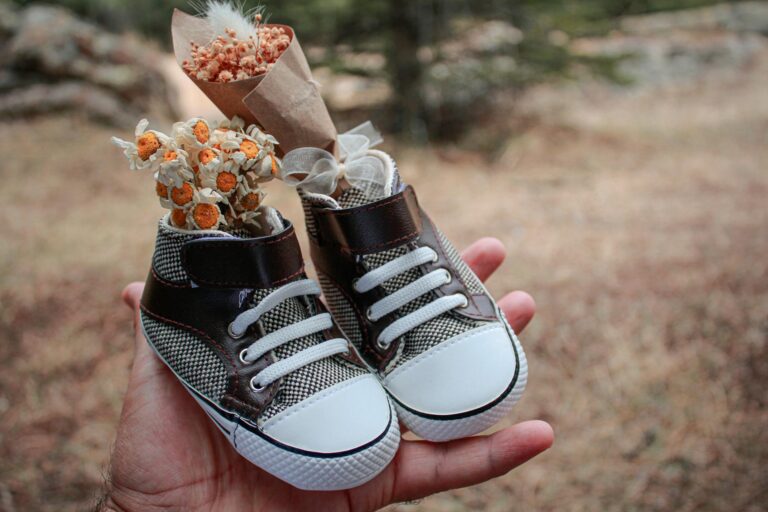
The right pair of walking shoes can cut foot pain by as much as 40 percent, yet the vast majority of people suffering from conditions like plantar fasciitis never wear them. According to a study published in PMC/PubMed in 2022, only 16.8 percent of people with plantar fasciitis wear recommended shoes — those with a heel height between 0.5 and 4 centimeters, thick soles, and arched or cushioned insoles. That gap between what works and what people actually put on their feet each morning is where most foot pain lives. Walking shoes designed to prevent foot pain share a common anatomy: deep heel cups, structured arch support, firm heel counters, and forefoot flex grooves positioned at the metatarsal heads. Models like the HOKA Bondi 9, KURU Atom 2, and Orthofeet lines have been built around these principles, and podiatrists now recommend them by name. Foot pain is not a niche complaint.
One in four older adults worldwide is affected by it, according to the KURU Footwear 2025 Foot Pain Trends Report, and the problem is growing. Remote work has introduced a new risk factor — millions of people now spend hours walking barefoot or in slippers on hard floors, accumulating stress on the plantar fascia that office carpet and supportive shoes once absorbed. Thirty-eight percent of respondents in that same 2025 survey described themselves as overweight, another variable that compounds the load on feet with every step. The orthopedic footwear market reflects the scale of this problem: it was valued at over $5.11 billion in 2025 and is projected to exceed $13.5 billion by 2035. This article breaks down the specific shoe features proven to reduce pain, compares the top podiatrist-recommended models for 2026, explains what to avoid, and covers how to match the right shoe to your particular foot condition. Whether you walk two miles a day or spend eight hours on a hospital floor, the information here is grounded in clinical evidence and expert recommendations — not marketing copy.
Table of Contents
- What Makes a Walking Shoe Effective at Preventing Foot Pain?
- Top Podiatrist-Recommended Walking Shoes for 2026
- Why Remote Work Is Driving a Surge in Foot Pain
- How to Match the Right Shoe to Your Specific Foot Condition
- What Footwear to Avoid If You Are Prone to Foot Pain
- The Growing Market for Orthopedic and Supportive Footwear
- What the Future of Pain-Preventive Walking Shoes Looks Like
- Conclusion
What Makes a Walking Shoe Effective at Preventing Foot Pain?
Not all cushioning is created equal, and not every shoe labeled “comfort” actually delivers it. Podiatrists point to five structural features that separate a genuinely pain-preventive walking shoe from one that just feels soft in the store: a structured heel counter that locks the rearfoot in place, torsional rigidity through the midfoot so the shoe does not twist like a wet rag, forefoot flex grooves positioned at the metatarsal heads to allow natural toe-off, a removable insole that accommodates custom orthotics, and adequate heel cushioning. Research shows that deep heel cups alone can decrease pain by up to 30 percent for plantar fasciitis sufferers, and proper arch support improves symptoms in approximately 70 percent of those patients. These are not marginal gains — they represent the difference between a morning walk that feels tolerable and one that feels punishing. A useful comparison is to think of a walking shoe like the suspension system on a car. The heel cup and cushioning act as shock absorbers, the arch support works like the springs, and the rigid midfoot functions as the chassis holding everything together.
Remove any one element and the ride deteriorates. This is exactly why a plush sneaker with no arch support can feel great for the first half-mile and then leave your heels throbbing by mile two. The cushioning absorbed the impact, but without structural support, your plantar fascia was doing work the shoe should have handled. One finding worth noting: a 2015 clinical trial found that contoured sandals with built-in arch support performed as well as custom orthotics for plantar heel pain. This suggests that the geometry of the footbed matters more than the price tag. A $60 shoe with proper contouring can outperform a $200 shoe with a flat insole, which is why understanding these features matters more than chasing brands.
Top Podiatrist-Recommended Walking Shoes for 2026
The HOKA Bondi 9 sits at the top of most podiatrist recommendation lists this year, and the numbers explain why. It carries a shock absorption rating of 146 SA with heel cushioning measured at 41.3 millimeters — that is 7.0 millimeters above the category average. Its upgraded rearfoot-focused frames provide dedicated arch and heel support that most maximalist shoes skip in favor of uniform softness. For people who need heavy cushioning without sacrificing stability, the Bondi 9 is the current benchmark. The HOKA Clifton 9, its lighter sibling, is the top recommendation specifically for healthcare workers and anyone on their feet six or more hours per day, trading a small amount of cushion depth for reduced weight and better responsiveness over long shifts. The KURU Atom 2 takes a different approach with its patented heel-hugging technology, which wraps the heel in a structured cradle rather than simply sitting it on top of foam. This design is particularly effective for people whose pain originates from heel instability rather than pure impact.
Orthofeet, meanwhile, targets a clinical population that other brands often overlook — patients with diabetes, arthritis, neuropathy, or plantar fasciitis. Their mild rocker sole design reduces pressure at the forefoot during toe-off, and their deep cushioned insoles accommodate swelling that fluctuates throughout the day. The Altra Experience Flow 2 rounds out the top tier with a wide toe box paired with a soft, springy midsole, making it a strong choice for walkers whose pain concentrates in the ball of the foot or who have bunions that need room. However, no single shoe works for every foot. If you overpronate significantly, ASICS models designed for flat feet and overpronation control will likely serve you better than the Bondi 9’s neutral platform. If you already wear custom orthotics from a podiatrist, you need a shoe with a removable insole — the Orthofeet line accommodates this, but the KURU Atom 2’s molded footbed does not swap out as easily. New Balance offers some of the best stability and cushioning combinations for heavier walkers, while Brooks excels at arch support paired with shock absorption for people who log serious daily mileage. Vionic builds orthotic technology directly into the shoe, which is ideal if you want support without the hassle of separate inserts but limiting if your orthotic needs change over time.
Why Remote Work Is Driving a Surge in Foot Pain
The shift to working from home introduced a foot pain trigger that most people never saw coming. In an office, you wear shoes. At home, you walk barefoot or in slippers across hardwood, tile, and concrete-slab floors for hours without thinking about it. That sustained, unsupported contact with hard surfaces strains the plantar fascia in ways that even a modest pair of office shoes would have prevented. Podiatrists began reporting a noticeable uptick in plantar fasciitis cases within the first two years of widespread remote work, and the KURU 2025 Foot Pain Trends Report confirmed the trend with survey data linking increased home time to increased foot complaints. The fix does not require wearing full walking shoes inside your house, though that would work. Supportive house shoes or contoured sandals with arch support — the same type that performed as well as custom orthotics in the 2015 clinical trial — can bridge the gap.
Brands like Vionic and Orthofeet make indoor options specifically for this purpose. The key is that the sole needs to be rigid enough to prevent your foot from flattening against the floor and cushioned enough to absorb the repetitive micro-impacts of walking around your kitchen, home office, and living room dozens of times a day. What makes this problem insidious is that the damage accumulates slowly. You do not feel a sharp pain the first week you go barefoot at home. It builds over months, and by the time your heel hurts in the morning — the classic sign of plantar fasciitis — the inflammation is already well established. Prevention is far easier than treatment here. Spending $80 on a pair of supportive house shoes is a better investment than spending $400 on physical therapy and custom orthotics six months later.

How to Match the Right Shoe to Your Specific Foot Condition
Plantar fasciitis, bunions, flat feet, and neuropathy each demand different things from a shoe, and buying the wrong type of “supportive” footwear can actually make certain conditions worse. For plantar fasciitis — the most common complaint — the priority is heel cushioning and arch support. The HOKA Bondi 9 and KURU Atom 2 both excel here, with heel cushioning that can reduce heel pain by up to 40 percent. For bunions, the priority shifts to a wide toe box that does not compress the metatarsal joint. The Altra Experience Flow 2’s foot-shaped toe box gives the big toe room to sit in its natural position rather than being forced inward against the second toe. For flat feet and overpronation, stability features matter more than cushioning depth. ASICS models with medial post technology and Brooks shoes with guide rails prevent the arch from collapsing inward during the gait cycle, which is the root mechanical cause of pain in flat-footed walkers.
A maximally cushioned shoe without stability control, like some neutral HOKA models, can actually allow more pronation by letting the foot sink deeper into soft foam — comfort in the short term, but potentially more knee and ankle pain over months. For diabetic neuropathy, Orthofeet’s combination of deep cushioning, seamless interiors that reduce friction, and mild rocker soles that minimize pressure points is specifically designed to prevent ulceration in feet that cannot feel developing hot spots. The tradeoff across all these categories is between cushioning and ground feel. More cushioning protects joints and absorbs impact but reduces your foot’s ability to sense the terrain, which can increase fall risk in older adults. Less cushioning preserves proprioception but delivers more stress to the plantar fascia and heel pad. There is no universal correct answer — it depends on your condition, your walking surface, and your stability. A 35-year-old with plantar fasciitis walking on sidewalks has different needs than a 70-year-old with neuropathy walking on uneven park trails.
What Footwear to Avoid If You Are Prone to Foot Pain
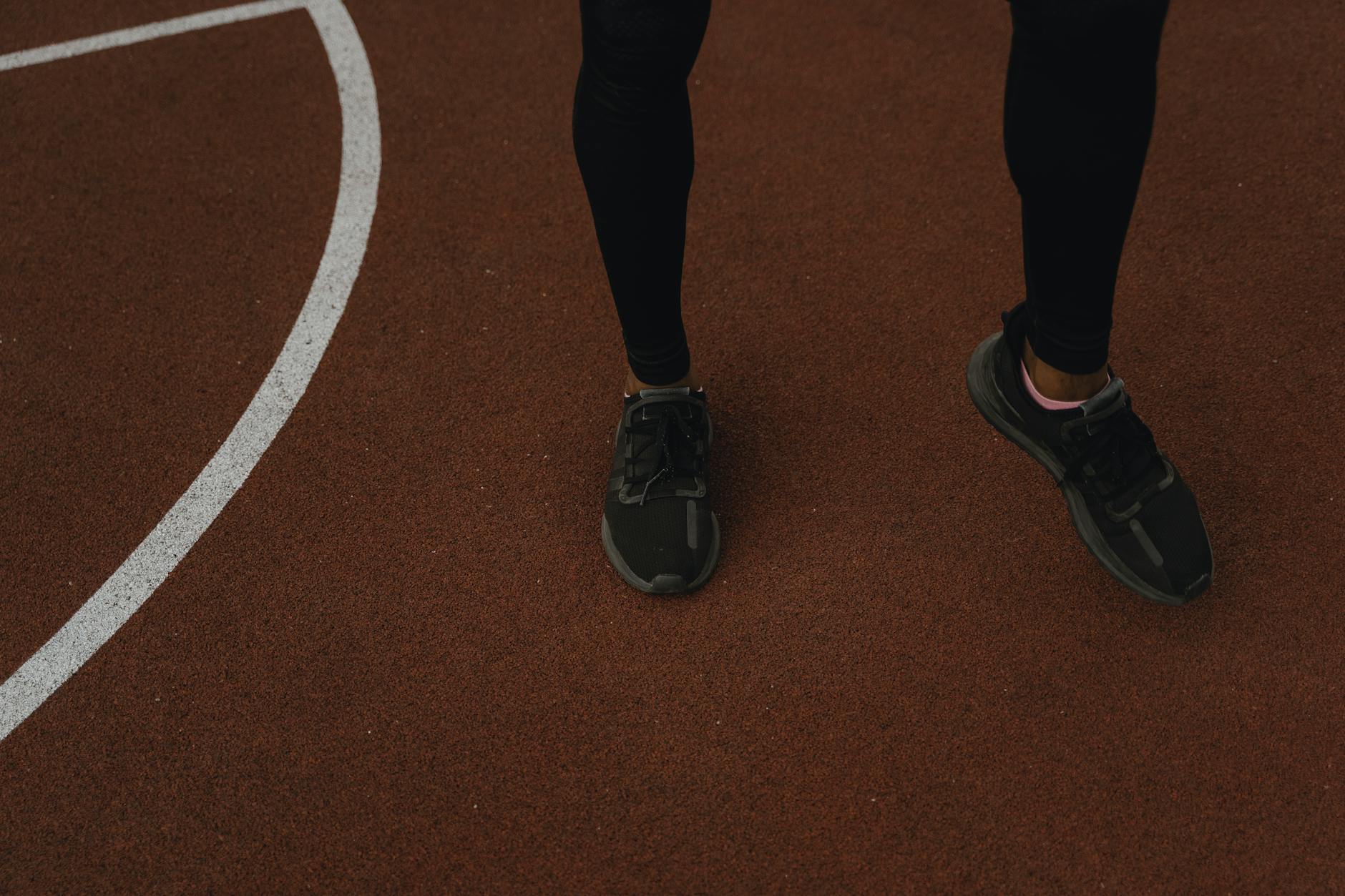
Flat sandals, flip-flops, and high heels top every podiatrist’s list of footwear that causes or worsens foot pain, especially for long-distance walking. Flip-flops force the toes to grip with each step, altering your natural gait and overloading the plantar fascia. High heels shift body weight forward onto the metatarsal heads, compressing nerves and accelerating bunion formation. Even fashionable flats — ballet flats, minimalist sneakers, and canvas slip-ons — provide essentially zero arch support and no heel cushioning, making them functionally equivalent to walking barefoot on concrete. Running shoes without adequate cushioning also pose a risk that surprises many walkers. The assumption that any athletic shoe is good enough for walking is wrong. Walking generates roughly 1.5 times your body weight in impact force per step, while running generates 2.5 to 3 times.
But walkers take far more steps per hour at a sustained pace, and the cumulative load on an unsupported foot adds up. A thin, lightweight racing flat designed for speed provides almost no protection for a walker covering three to five miles on pavement. Running and walking shoes with no cushioning exacerbate plantar fasciitis symptoms rather than relieve them. A less obvious warning: shoes that fit perfectly in the store may not fit correctly during a long walk. Feet swell throughout the day and during exercise, sometimes by as much as half a size. Tight-fitting or fashionable but non-supportive footwear contributes to bunions and hammertoes over time, even if it feels fine during a five-minute try-on. Podiatrists recommend shopping for walking shoes in the afternoon or evening when your feet are at their largest, and choosing a fit that leaves a thumb’s width of space between your longest toe and the front of the shoe.
The Growing Market for Orthopedic and Supportive Footwear
The numbers tell a clear story about where consumer demand is heading. The orthopedic footwear market was valued at over $5.11 billion in 2025 and is projected to exceed $13.5 billion by 2035, growing at a compound annual growth rate of 10.2 percent. For context, the broader U.S. footwear market was $95.1 billion in 2024 and is projected to reach $125.7 billion by 2032 at a 3.7 percent CAGR. Orthopedic footwear is growing nearly three times faster than the overall shoe market, driven by aging populations, rising obesity rates, and greater awareness that cheap shoes have expensive consequences.
This growth has a practical benefit for consumers: competition is producing better shoes at more accessible price points. Five years ago, a podiatrist-recommended walking shoe meant choosing between a handful of clinical-looking options. Today, brands like HOKA, Brooks, and New Balance have brought medical-grade support features into shoes that look and feel like mainstream athletic footwear. KURU and Vionic have built entire brands around the intersection of pain relief and modern design. The days when “orthopedic shoe” meant an ugly beige block are over, and that matters because people will not wear shoes that embarrass them, no matter how good the arch support is.
What the Future of Pain-Preventive Walking Shoes Looks Like
The next generation of walking shoes is moving toward personalization at scale. Several brands are experimenting with 3D-printed midsoles that can be customized to an individual’s foot scan, potentially delivering custom-orthotic-level support in an off-the-shelf shoe. Sensor-embedded insoles that track gait patterns and pressure distribution in real time are already available from companies like Nurvv and Sensoria, giving walkers and their podiatrists data that was previously only available in a gait lab.
The broader trend is that the line between medical device and consumer product is blurring. As the orthopedic footwear market pushes toward $13.5 billion, major athletic brands will continue investing in pain-prevention technology because that is where the growth is. For walkers dealing with foot pain today, the practical takeaway is straightforward: the shoes available right now are significantly better than what existed even three years ago, and they are only getting better. The best time to switch to a supportive walking shoe is before the pain starts — but the second-best time is today.
Conclusion
Walking shoes designed to prevent foot pain work because they address the mechanical causes of that pain — inadequate arch support, insufficient heel cushioning, and poor structural stability. The clinical evidence is clear: deep heel cups reduce plantar fasciitis pain by up to 30 percent, proper arch support improves symptoms in roughly 70 percent of sufferers, and heel cushioning can cut heel pain by up to 40 percent. Models like the HOKA Bondi 9, KURU Atom 2, Orthofeet, and Altra Experience Flow 2 have built these features into shoes that are genuinely comfortable to wear daily, not just medically adequate. The most important step is matching the shoe to your specific condition and being honest about what your feet actually need rather than what looks best on a shelf.
If you have plantar fasciitis, prioritize heel cushioning and arch support. If you have bunions, prioritize a wide toe box. If you have neuropathy, prioritize seamless interiors and deep cushioning. And if you work from home, invest in a pair of supportive house shoes before your plantar fascia reminds you that hard floors and bare feet are not friends. Only 16.8 percent of people with plantar fasciitis wear the right shoes — do not stay in the other 83.2 percent.