The most durable walking shoes in 2026, based on lab and field testing, are the Nike Motiva, On Cloudtilt, HOKA Transport 2, Brooks Ghost Max 3, and Scarpa Rapid XT. These five models consistently outperform the average walking shoe in wear resistance, with some lasting hundreds of miles beyond what most shoes can manage. If you walk three to four miles a day and burn through a pair of shoes every four to six months, choosing one of these options could stretch that timeline considerably and save you real money over the course of a year. Most walking shoes last between 300 and 500 miles before cushioning and support degrade to the point where replacement becomes necessary.
That range is well established across industry sources including REI, Brooks Running, and Fleet Feet. But not all shoes hit the wall at the same point. Lab testing from RunRepeat shows that certain outsole compounds and construction methods can push durability well past that 500-mile mark. This article breaks down the top performers, explains what makes them last, covers the surfaces and habits that shorten shoe life, and offers practical guidance on when to replace your pair before your joints pay the price.
Table of Contents
- Which Walking Shoes Last the Longest for High-Mileage Walkers?
- How Long Do Walking Shoes Actually Last Before They Break Down?
- What Durability Features Separate Long-Lasting Walking Shoes from the Rest?
- How to Choose Between Durability, Comfort, and Price in Walking Shoes
- Common Mistakes That Shorten Walking Shoe Lifespan
- How Walking Surface Affects Shoe Durability
- What Is Next for Walking Shoe Durability
- Conclusion
- Frequently Asked Questions
Which Walking Shoes Last the Longest for High-Mileage Walkers?
The On Cloudtilt stands out as the durability leader in lab testing, showing 57.1 percent less wear than the average walking shoe according to RunRepeat. For someone walking four miles a day on pavement, that difference translates to months of additional life before the outsole wears through. The Nike Motiva is close behind, with an outsole hardness rating of 92.0 on the Shore C scale, which is 17.9 percent harder than average. Harder rubber does not always mean better grip, but in the Motiva’s case, lab tests showed the shoe barely registered any wear after sustained testing and is expected to last hundreds of miles beyond a typical shoe’s lifespan. The HOKA Transport 2 takes a different approach to longevity. Rather than relying solely on outsole hardness, it pairs a Vibram rubber outsole with a Cordura upper that resists abrasion far better than standard mesh.
Field testers from Treeline Review reported no visible signs of wear after several months of use. The midsole is fully covered rather than exposed, which eliminates one of the most common failure points in walking shoes where foam breaks down from direct ground contact. If you are comparing the On Cloudtilt and the HOKA Transport 2 head to head, the Cloudtilt wins on raw outsole wear data, but the Transport 2 may hold up better overall because its upper and midsole are both built for the long haul. The Brooks Ghost Max 3 and Scarpa Rapid XT round out the top tier. The Ghost Max 3 ranked highly in 2026 lab tests from Outdoor Gear Lab for its combination of comfort, stability, and durability, making it a strong all-around pick for daily walkers who do not want to sacrifice cushioning for longevity. The Scarpa Rapid XT, tested extensively by Outdoors Magic, held up very well over many miles with a grippy, durable upper that shrugged off rough terrain. The Scarpa is the best option on this list if your walks regularly take you off pavement and onto gravel or packed dirt trails.
How Long Do Walking Shoes Actually Last Before They Break Down?
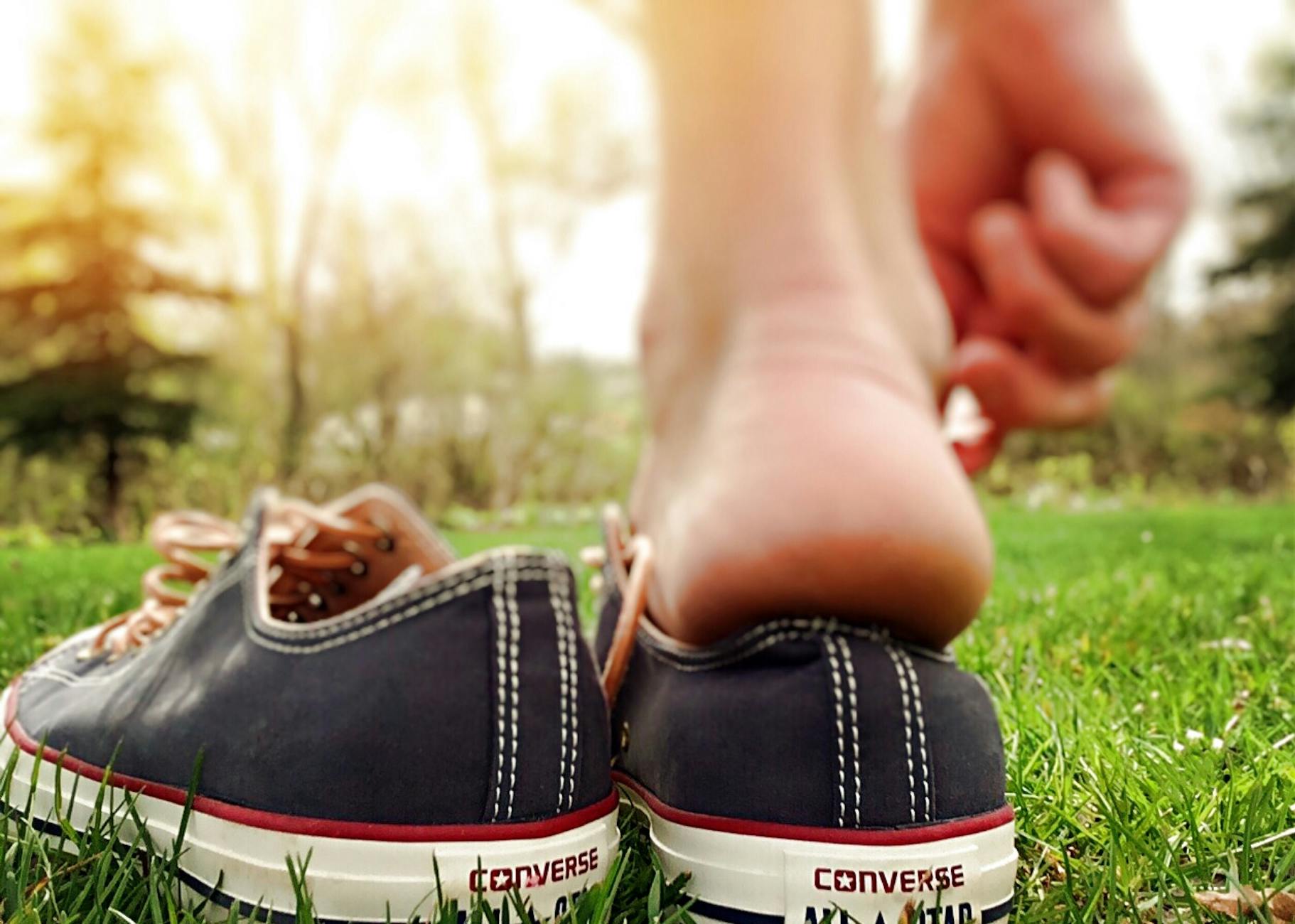
The standard answer from REI, Brooks Running, and Fleet Feet is 300 to 500 miles. That is when cushioning, support, and shock absorption degrade to the point where the shoe is no longer doing its job, even if it still looks fine on the outside. At a pace of three to four miles per day, that means replacing your shoes roughly every four to six months. If you walk 45 minutes at least three times per week, Fleet Feet recommends replacing shoes every three to five months. These are not arbitrary numbers. The midsole foam in most walking shoes compresses permanently over time, and once it loses its ability to rebound, your feet, knees, and hips absorb impact forces that the shoe was designed to handle. However, if you primarily walk on softer surfaces like tracks, grass, or dirt paths, your shoes will last toward the higher end of that range.
REI notes that harder surfaces such as concrete and asphalt accelerate outsole and midsole wear significantly. A shoe that lasts 500 miles on a rubberized track might only make it to 350 miles on city sidewalks. body weight also matters. A 200-pound walker compresses midsole foam faster than a 140-pound walker covering the same distance, though manufacturers rarely publish weight-adjusted lifespan estimates. One limitation worth noting is that the 300 to 500 mile range applies to shoes with standard construction. The durable models listed above can exceed that range, but the midsole will still degrade even if the outsole looks untouched. A shoe that shows no visible tread wear at 600 miles may still have lost a meaningful percentage of its cushioning. This is why tracking your mileage matters more than eyeballing the soles.
What Durability Features Separate Long-Lasting Walking Shoes from the Rest?
Three construction details consistently correlate with longer shoe life. The first is outsole rubber hardness, measured on the Shore C scale. Shoes with ratings above 90 HC, like the Nike Motiva at 92.0 HC, resist abrasion significantly better than softer compounds. Think of it like tire rubber. A harder compound wears slower, though it may sacrifice some grip on wet surfaces. The second feature is full midsole coverage. When foam is exposed on the outsole, as it is on many lightweight walking shoes, it wears down through direct ground contact far faster than rubber does. The HOKA Transport 2 avoids this entirely by wrapping the midsole completely. The third feature is upper material.
Standard engineered mesh is breathable but tears and stretches over time, especially around the toe box and heel counter. Cordura fabric, used on the HOKA Transport 2, is a ballistic-grade nylon originally developed for military applications. It resists scuffing and abrasion at a level that mesh cannot match. The tradeoff is breathability. Cordura uppers tend to run warmer, which is fine for fall and winter walking but can be uncomfortable in summer heat. If you walk year-round in a warm climate, you may prefer the mesh upper of the Nike Motiva or Brooks Ghost Max 3 and accept a shorter upper lifespan in exchange for ventilation. Vibram outsoles deserve a specific mention. Vibram is an Italian rubber compound used across hiking boots, trail runners, and increasingly in walking shoes. It is not a single formula but a family of compounds, and the versions used on the HOKA Transport 2 are specifically engineered for pavement durability. Not all Vibram outsoles are equal, but as a category, they outperform the proprietary rubber blends found on most mid-range walking shoes.

How to Choose Between Durability, Comfort, and Price in Walking Shoes
The Nike Motiva at 110 dollars is the most affordable shoe on this list and arguably the best value for pure durability on pavement. Its outsole hardness rating puts it near the top in lab testing, and for daily walkers who stick to sidewalks and paved paths, it is hard to beat on a cost-per-mile basis. The Brooks Ghost Max 3 costs more but delivers a noticeably plusher ride, which matters if you are walking long distances or dealing with joint pain. Outdoor Gear Lab rated it highly for the combination of comfort, stability, and durability, so you are not sacrificing longevity for cushioning. The HOKA Transport 2 occupies a different niche.
Its Cordura upper and Vibram outsole make it the most rugged option here, built to handle mixed terrain and rough conditions without falling apart. If your walks include unpaved sections or you live somewhere with harsh winters, the Transport 2 is the safest pick. The On Cloudtilt, with its 57.1 percent less wear than average, is the data-driven choice for someone who wants the longest-lasting outsole and does not mind paying a premium for On’s engineering. The Scarpa Rapid XT is the outlier, best suited for walkers who spend significant time on trails and need grip along with durability. The honest tradeoff is this: the most durable shoes are not always the most comfortable out of the box, and the most cushioned shoes tend to compress faster. The Brooks Ghost Max 3 strikes the best balance for most people, while the Nike Motiva wins for budget-conscious walkers who prioritize longevity above all else.
Common Mistakes That Shorten Walking Shoe Lifespan
The most frequent mistake is ignoring mileage. Most walkers do not track how far they have gone in a pair of shoes, and by the time the outsole visibly wears through, the midsole has been compromised for weeks or months. A simple phone app or even a note on your calendar when you start a new pair can prevent this. At three to four miles per day, you are covering roughly 90 to 120 miles per month. At that rate, even a durable shoe like the Nike Motiva or On Cloudtilt should be evaluated carefully once you pass 500 miles. Wearing the same pair for every activity is another lifespan killer. Walking shoes used for yard work, errands, and standing all day accumulate compression time that does not show up as tread wear but steadily degrades the midsole.
Rotating between two pairs extends the life of both, because the foam in each pair has time to decompress between wears. This is not marketing advice from shoe companies. The physics of EVA and polyurethane foam mean they recover better with rest periods between compressions. A warning worth heeding: do not judge shoe condition by appearance alone. A shoe with a pristine outsole can still have a dead midsole. Press your thumb into the midsole foam. If it does not spring back quickly, or if the shoe feels noticeably flatter than when you bought it, the cushioning is gone regardless of what the tread looks like. Walking on degraded cushioning increases impact forces on your knees and hips, which is especially problematic for walkers over 50 or those with existing joint issues.
How Walking Surface Affects Shoe Durability
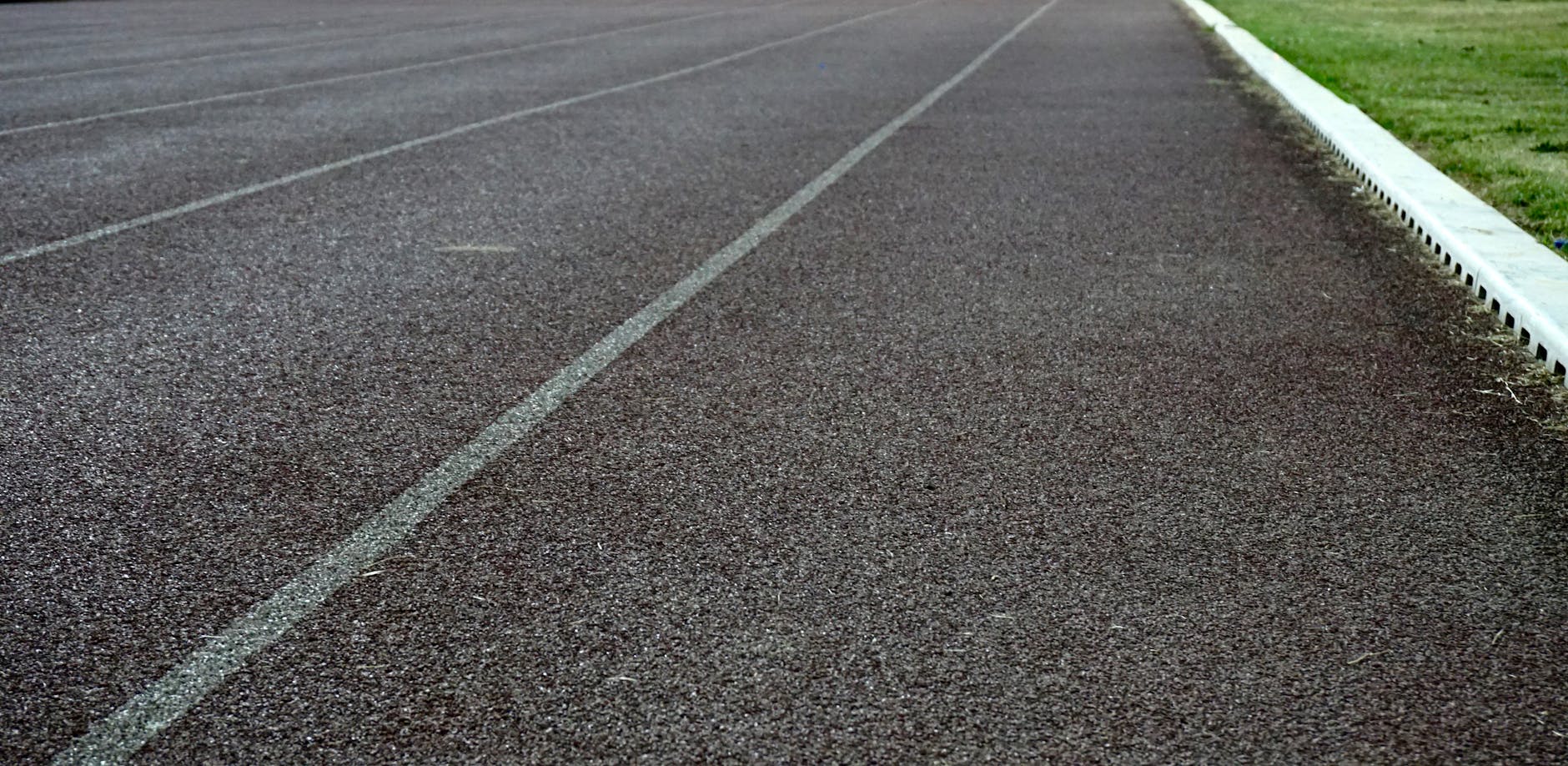
REI’s expert advice confirms what experienced walkers already know: concrete and asphalt are the harshest surfaces for shoe outsoles. The abrasive texture of sidewalks acts like fine sandpaper on rubber, and the unyielding surface compresses midsole foam with every step in a way that softer ground does not. A walker logging four miles daily on city sidewalks can expect to replace shoes 20 to 30 percent sooner than someone covering the same distance on a rubberized track or packed dirt trail.
This is where outsole hardness ratings become practically useful. The Nike Motiva’s 92.0 HC rating means its rubber resists pavement abrasion better than softer-compound shoes, making it a particularly smart choice for urban walkers. If you split your time between pavement and trails, the HOKA Transport 2 with its Vibram outsole handles both surfaces without the accelerated wear you would see from a standard walking shoe on mixed terrain.
What Is Next for Walking Shoe Durability
The trend in 2026 is toward lab-verified durability claims rather than vague marketing language. RunRepeat’s testing protocol, which measures actual outsole wear against a standardized baseline, gives consumers hard numbers to compare. Expect more brands to adopt similar testing or publish Shore C hardness ratings as durability becomes a bigger selling point.
The success of models like the On Cloudtilt and Nike Motiva, which lead with measurable longevity, suggests the industry is moving away from the disposable shoe cycle that has dominated for the past decade. For walkers, this is good news. Better data means better purchasing decisions, and competition around durability should push prices down for long-lasting shoes over the next few years. In the meantime, the five models covered here represent the best current options for anyone tired of replacing shoes every few months.
Conclusion
The most durable walking shoes in 2026 are the On Cloudtilt, Nike Motiva, HOKA Transport 2, Brooks Ghost Max 3, and Scarpa Rapid XT, each excelling in different aspects of longevity. The Cloudtilt leads in lab-tested outsole wear resistance, the Motiva offers the best value at 110 dollars with its 92.0 HC hardness rating, and the Transport 2 provides the most complete package of upper and outsole durability. Standard walking shoes last 300 to 500 miles, but these models can push well beyond that range with proper care.
Your next step is straightforward. Track your current mileage, identify whether you walk primarily on pavement or mixed surfaces, and pick the shoe that matches your conditions. Rotate pairs if possible, and do not wait for visible outsole damage to replace them. The midsole gives out before the tread does, and your joints will feel the difference long before your eyes can see it.
Frequently Asked Questions
How many miles do walking shoes last before they need to be replaced?
Walking shoes typically last 300 to 500 miles before cushioning and support degrade significantly. At three to four miles per day, that means replacing them approximately every four to six months. Shoes used on concrete and asphalt wear faster than those used on softer surfaces like tracks or dirt paths.
What makes the Nike Motiva so durable compared to other walking shoes?
The Nike Motiva has an outsole with a 92.0 Shore C hardness rating, which is 17.9 percent harder than the average walking shoe. Lab testing from RunRepeat showed it barely registered any wear and is expected to last hundreds of miles beyond a typical shoe’s lifespan. At 110 dollars, it also offers strong value.
Is the On Cloudtilt worth the price for everyday walking?
Lab durability testing showed the On Cloudtilt has 57.1 percent less outsole wear than average, making it one of the longest-lasting walking shoes tested. For high-mileage daily walkers, the extended lifespan can offset the higher upfront cost by reducing how often you need to buy new shoes.
What is a Vibram outsole and why does it matter for durability?
Vibram is an Italian rubber compound used in hiking boots and increasingly in walking shoes. It resists abrasion better than most proprietary rubber blends. The HOKA Transport 2 uses a Vibram outsole paired with a fully covered midsole, and field testers reported no visible wear after several months of use.
How do I know when my walking shoes are worn out if the soles still look fine?
Press your thumb into the midsole foam. If it does not spring back quickly or the shoe feels noticeably flatter than when new, the cushioning has degraded. A shoe can have an intact outsole but a dead midsole, which means reduced shock absorption and increased stress on your knees and hips.
Does walking surface really affect how long shoes last?
Yes. Concrete and asphalt are the most abrasive common walking surfaces and can shorten shoe life by 20 to 30 percent compared to softer surfaces like rubberized tracks or packed dirt. Shoes with higher outsole hardness ratings, such as the Nike Motiva at 92.0 HC, resist pavement wear better than softer compounds.