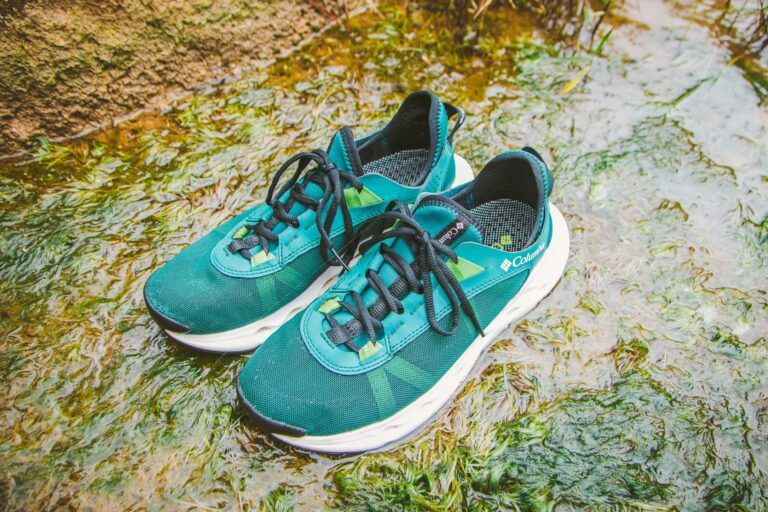
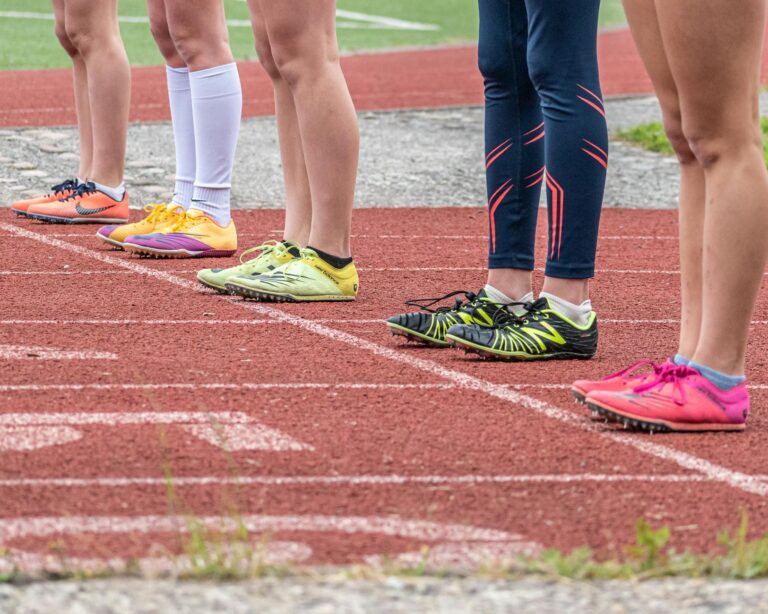
The trail shoes that grip and protect best on rough terrain share three essential features: aggressive lug patterns of at least 4mm depth, reinforced toe caps, and rock plates embedded in the midsole. Shoes like the Salomon Speedcross or La Sportiva Bushido exemplify this combination, offering multi-directional lugs that bite into loose rock and mud while protective elements shield your feet from sharp stones and roots. The difference between standard running shoes and purpose-built trail options becomes painfully clear the moment you encounter a rocky descent or rain-slicked slope””without proper grip and protection, what should be an exhilarating run becomes a cautious shuffle. Understanding what separates adequate trail shoes from excellent ones requires examining the specific components that contribute to traction and foot protection.
A runner tackling Colorado’s rocky fourteeners needs different features than someone navigating Pacific Northwest root networks or Arizona’s sandy washes. The terrain dictates the tool. This article breaks down the key elements that determine how well trail shoes perform on challenging surfaces, from outsole rubber compounds to upper construction. You will learn how to match shoe features to specific terrain types, understand the tradeoffs between protection and ground feel, and discover practical methods for evaluating grip before committing to a purchase.
Table of Contents
- What Trail Shoe Features Provide the Best Grip on Rough Terrain?
- How Rock Plates and Reinforced Construction Protect Feet on Technical Trails
- Matching Outsole Design to Specific Terrain Types
- Evaluating Grip and Protection Before You Buy
- When Aggressive Grip and Protection Become Counterproductive
- How Upper Construction Contributes to Terrain Protection
- How to Prepare
- How to Apply This
- Expert Tips
- Conclusion
- Frequently Asked Questions
What Trail Shoe Features Provide the Best Grip on Rough Terrain?
Lug depth and pattern determine primary traction capability on loose or uneven surfaces. Shallow lugs under 3mm work adequately on packed dirt trails but fail when conditions deteriorate. Deep lugs between 5mm and 6mm””like those found on the Inov-8 X-Talon 260″”excel in mud and soft ground but can feel unstable on hard rock due to the tall rubber flexing underfoot. Most versatile trail shoes settle in the 4mm to 5mm range, providing enough bite for varied conditions without sacrificing stability. Rubber compound softness plays an equally critical role, though it receives less attention from casual buyers.
Softer compounds like Vibram Megagrip or Salomon Contagrip MA conform to rock surfaces and maintain grip in cold temperatures, while harder compounds last longer but sacrifice wet-rock traction. The tradeoff is durability: a soft-compound outsole might provide phenomenal grip but show significant wear after 200 miles of rocky terrain. Lug orientation matters for different movement patterns. Forward-angled lugs improve uphill traction by preventing backward slip, while rearward angles enhance braking during descents. Multi-directional patterns attempt to serve both purposes but may not excel at either extreme. Runners who frequently tackle steep grades in one direction””such as those training on a single mountain approach””might prioritize directional lug patterns over all-around designs.
How Rock Plates and Reinforced Construction Protect Feet on Technical Trails
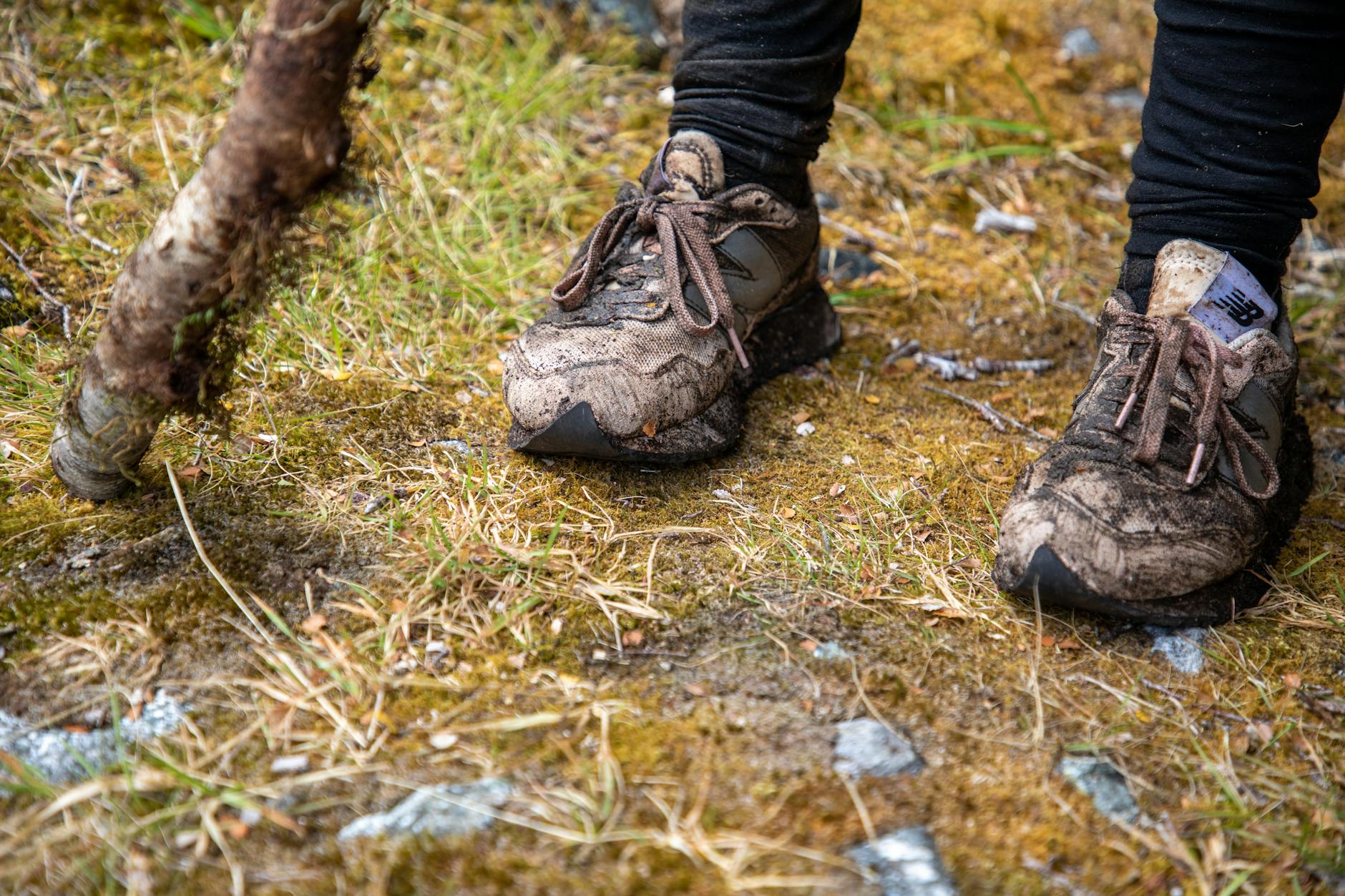
Rock plates are semi-rigid inserts positioned between the outsole and midsole that distribute point pressure from sharp rocks across a wider foot area. A direct strike on a jagged stone that would cause bruising in a road shoe becomes manageable discomfort with a proper rock plate. Materials range from TPU plastic to woven synthetics like Altra’s StoneGuard, each offering different balances of protection and flexibility. However, rock plate thickness introduces a significant tradeoff with ground feel and proprioception. Highly protective plates like those in the Hoka Speedgoat create a substantial barrier between foot and ground, reducing the sensory feedback experienced runners rely on for technical footwork.
Minimalist trail runners often prefer thinner plates or none at all, accepting occasional stone bruises in exchange for better terrain reading. If your regular routes involve more runnable single track than boulder fields, you may find aggressive rock plates unnecessary and constraining. Toe cap reinforcement addresses a different hazard: impact with fixed obstacles. Rubber rand extensions wrapping from the outsole up over the toe box protect against root snags and rock stubs. The best designs, like those on the Scarpa Spin Ultra, cover enough surface area to protect during toe-down stumbles while remaining flexible enough not to impede natural foot movement. Stitched toe caps eventually separate; bonded rubber rands tend to outlast them.
Matching Outsole Design to Specific Terrain Types
Different trail surfaces demand different traction approaches, and no single shoe excels everywhere. Rocky terrain with exposed granite or sandstone benefits most from sticky rubber compounds and moderate lug depth””deep lugs actually hinder performance by reducing surface contact. The La Sportiva Mutant, designed for mountain running, uses relatively shallow but exceptionally grippy Frixion rubber for this reason. Muddy trails present the opposite requirement. Deep, widely-spaced lugs prevent mud packing between treads””a problem that renders shallow-lugged shoes effectively smooth.
British fell running shoes like the Walsh PB Extreme feature lugs exceeding 7mm precisely because soggy moorland conditions demand aggressive self-cleaning tread. However, these same shoes perform poorly on dry hardpack where the tall lugs create instability and accelerated wear. Sandy or loose-over-hard surfaces require yet another approach. When a layer of gravel or decomposed granite covers harder substrate, moderate lugs with firm rubber work better than either extreme. The shoe needs to penetrate the loose layer and find purchase on the stable surface beneath. Runners in desert environments like Moab or Sedona often prefer shoes like the Brooks Cascadia that balance these demands without overcommitting to any single surface type.
Evaluating Grip and Protection Before You Buy
Testing trail shoes in store conditions tells you almost nothing about real-world performance. Clean rubber on clean flooring produces excellent traction regardless of outsole design. Effective evaluation requires either purchasing with liberal return policies or finding opportunities to test on actual terrain. Some specialty running stores offer outdoor test areas or loaner programs for trail shoes. REI’s satisfaction guarantee allows extended testing on real trails, making it possible to evaluate grip across different conditions before committing. Smaller local shops may offer similar arrangements if you establish a relationship.
The investment of time pays dividends””a shoe that slips on your regular wet-root descent becomes a liability regardless of how secure it felt in the store. When hands-on testing is impossible, examining lug geometry and rubber specifications provides useful proxies. Look for published durometer ratings on rubber compounds (lower numbers indicate softer, grippier material). Examine whether lugs have secondary siping””small slits within each lug that create additional edges for wet surface grip. Check if the heel features dedicated braking lugs angled for descent control. These details, visible in product photos and specifications, correlate with real-world traction performance.
When Aggressive Grip and Protection Become Counterproductive
Maximum protection and traction carry weight and flexibility penalties that matter on easier terrain or during longer efforts. A heavily lugged, rock-plated shoe like the Hoka Torrent weighs over 10 ounces and features substantial stack height that dulls ground feel. On smooth, groomed trails, this protection becomes dead weight while the aggressive tread creates unnecessary instability. The flexibility sacrifice deserves particular attention. Rock plates stiffen the forefoot, altering natural toe-off mechanics and reducing the foot’s ability to conform to irregular surfaces.
Runners accustomed to minimal shoes often report calf and Achilles strain when switching to heavily protected models, as the stiff sole changes propulsion patterns. The protection enabling comfort on rock gardens may create discomfort through altered biomechanics during the runnable miles between technical sections. Aggressive lugs also accelerate road surface wear. Runners whose routes include pavement connections or hardpack fire roads will see deep lugs wear unevenly, with outer edges breaking down faster than center treads. A shoe designed for technical terrain might offer only half its expected lifespan when regularly used on mixed surfaces. Consider whether your actual running includes enough genuinely rough terrain to justify the compromises.

How Upper Construction Contributes to Terrain Protection
While outsoles receive the most attention, upper materials determine protection against lateral hazards and debris intrusion. Mesh density, overlay placement, and gusseted tongue design all influence how well a shoe handles rough terrain conditions beyond what occurs directly underfoot. Dense, tightly woven mesh resists thorn penetration and small rock intrusion better than open, breathable designs.
However, this protection reduces ventilation significantly. Shoes like the Saucony Peregrine use targeted overlays to reinforce high-abrasion zones while maintaining mesh breathability elsewhere””a compromise that works for most conditions but may still allow fine debris entry or sidewall damage on extremely technical terrain. Runners regularly encountering thorny vegetation or sharp rock walls might prefer fully reinforced uppers despite the heat penalty, while those in open alpine terrain can prioritize breathability.
How to Prepare
- **Perform initial break-in on moderate terrain.** New outsole rubber often has a thin surface layer from manufacturing that offers less grip than the compound beneath. The first 10-15 miles wear through this layer, so avoid committing to technical descents until the outsoles have scuffed into their working state.
- **Check lug condition before every significant run.** Small rocks wedged between lugs reduce traction dramatically. A quick visual inspection and manual clearing takes seconds and prevents the unpleasant surprise of slipping on terrain your shoes should handle.
- **Clean mud from outsoles promptly after runs.** Dried mud packed between lugs effectively smooths your traction surface and requires more aggressive cleaning to remove. Rinsing while mud remains wet preserves the outsole design.
- **Test grip on a known surface after cleaning or extended storage.** Rubber compounds can develop surface oxidation or absorb substances that temporarily reduce traction. A brief test on familiar terrain confirms performance before trusting the shoes on exposed sections.
- **Replace shoes before lugs wear to 50% depth.** Many runners wait until lugs are nearly smooth, but grip degradation begins long before lugs disappear entirely. Once lugs fall below half their original depth, expect noticeably reduced traction in wet or loose conditions. A common mistake is pushing shoes past this point for “one more race” and experiencing a preventable fall.
How to Apply This
- **Catalog your regular routes by surface type.** Record what percentage of typical runs occur on rock, dirt, roots, mud, or pavement. Most runners overestimate technical terrain exposure; the result often favors more moderate shoes than initially assumed.
- **Identify your limiting factor on current shoes.** If you rarely think about your feet on rough terrain, you probably have adequate protection. If you hesitate on descents due to traction concerns, grip is your priority. If you experience stone bruises, rock plates deserve attention.
- **Match shoe aggressiveness to your most demanding regular route.** The shoes should handle your hardest typical run confidently while remaining tolerable on easier days. Do not buy for the single annual race on extreme terrain””rent or borrow specialty shoes for outlier events.
- **Purchase from retailers with genuine trail return policies.** Indoor testing cannot reveal real-world performance. Accept that finding optimal shoes requires trying multiple options on actual terrain, and choose retailers whose policies support this process.
Expert Tips
- Carry your worn-out trail shoes to the store when buying replacements; the wear pattern reveals your actual traction needs and helps salespeople recommend appropriate options.
- Do not assume expensive shoes provide better grip than mid-range options; outsole rubber quality varies by model regardless of price point.
- Rotate between two trail shoe models to extend the lifespan of each and provide options matched to daily conditions.
- Test grip by scuffing the outsole sideways on a wet rock during runs; if the shoe slides easily, expect poor traction on technical descents.
- Avoid applying aftermarket waterproofing sprays to outsoles, as these can create a slick film that reduces rubber grip until it wears away.
Conclusion
Trail shoes that grip and protect on rough terrain combine deep, appropriately spaced lugs with sticky rubber compounds, reinforced toe construction, and rock plates scaled to your protection needs. The best shoe for technical terrain balances these elements against the weight and flexibility penalties they introduce””aggressive protection on gentle trails becomes unnecessary baggage, while inadequate traction on exposed descents creates genuine hazard.
Selecting the right option requires honest assessment of your actual terrain exposure and current limiting factors. Most runners benefit from versatile designs that handle varied conditions adequately rather than specialized shoes that excel in narrow circumstances. Test on real terrain when possible, replace before traction fails, and remember that the goal is confident movement through demanding environments””not maximum possible protection regardless of context.
Frequently Asked Questions
How long does it typically take to see results?
Results vary depending on individual circumstances, but most people begin to see meaningful progress within 4-8 weeks of consistent effort. Patience and persistence are key factors in achieving lasting outcomes.
Is this approach suitable for beginners?
Yes, this approach works well for beginners when implemented gradually. Starting with the fundamentals and building up over time leads to better long-term results than trying to do everything at once.
What are the most common mistakes to avoid?
The most common mistakes include rushing the process, skipping foundational steps, and failing to track progress. Taking a methodical approach and learning from both successes and setbacks leads to better outcomes.
How can I measure my progress effectively?
Set specific, measurable goals at the outset and track relevant metrics regularly. Keep a journal or log to document your journey, and periodically review your progress against your initial objectives.
When should I seek professional help?
Consider consulting a professional if you encounter persistent challenges, need specialized expertise, or want to accelerate your progress. Professional guidance can provide valuable insights and help you avoid costly mistakes.
What resources do you recommend for further learning?
Look for reputable sources in the field, including industry publications, expert blogs, and educational courses. Joining communities of practitioners can also provide valuable peer support and knowledge sharing.