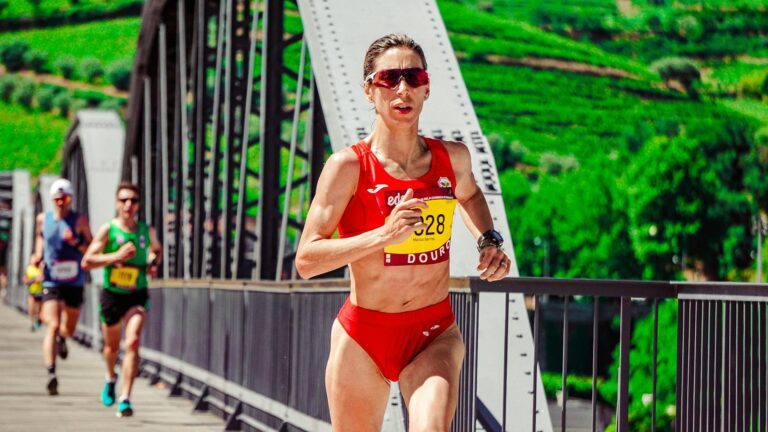
Long runs after age 60 deliver benefits that many runners half that age never experience, including improved bone density, enhanced cognitive function, better metabolic health, and a cardiovascular system that can outperform sedentary individuals decades younger. The real surprise is not that older runners can handle extended distances, but that their bodies often adapt more efficiently to endurance training than expected, with research showing that masters athletes who maintain consistent long-run training retain up to 90 percent of their aerobic capacity compared to their peak years. Consider the case of Ed Whitlock, who at 73 became the first person over 70 to run a marathon in under three hours.
His training consisted almost entirely of long, slow runs through a cemetery near his Ontario home, sometimes logging three hours at a shuffle pace. His example illustrates what exercise physiologists have confirmed: the aging body responds remarkably well to sustained aerobic stress, often better than it responds to high-intensity interval training that younger athletes favor. This article explores the physiological mechanisms behind these benefits, examines how long runs specifically protect brain health and bone integrity, discusses the practical considerations for structuring training after 60, and addresses common concerns about injury risk and recovery. Whether you are returning to running after years away or looking to extend your running career into your seventh decade and beyond, understanding why long runs work differently for mature athletes will help you train smarter.
Table of Contents
- Why Do Long Runs Benefit Runners Over 60 More Than Expected?
- How Long-Distance Running Protects Bone Health in Older Adults
- Cognitive Benefits of Extended Aerobic Exercise After 60
- Structuring Long Runs for Maximum Benefit After 60
- Recovery Demands and Injury Prevention for Older Long-Distance Runners
- Social and Psychological Dimensions of Long-Run Training
- How to Prepare
- How to Apply This
- Expert Tips
- Conclusion
- Frequently Asked Questions
Why Do Long Runs Benefit Runners Over 60 More Than Expected?
The physiological response to long-duration aerobic exercise shifts favorably with age in ways that contradict common assumptions about aging and fitness. While explosive power and top-end speed decline predictably after 40, endurance capacity follows a much gentler curve. Research from Ball State University found that lifelong endurance athletes in their 70s had cardiovascular fitness levels comparable to healthy 40-year-olds, and their muscle tissue showed mitochondrial density similar to active people 30 years younger. Long runs specifically target slow-twitch muscle fibers, which resist age-related atrophy far better than fast-twitch fibers. A 65-year-old runner who emphasizes long, steady efforts essentially plays to their physiological strengths, building a fitness base on the muscle fibers they retain most effectively.
Compare this to a training approach heavy on sprints and tempo work, which demands fast-twitch recruitment that becomes increasingly difficult to maintain and recover from after 60. The efficiency advantage compounds over time. Veteran runners develop movement economy through decades of practice, meaning they burn fewer calories per mile than beginners of any age. This efficiency makes long runs more sustainable and less depleting, allowing older athletes to train at higher weekly volumes than their chronological age might suggest. However, this advantage only applies to runners who have maintained consistent training. Those returning after extended layoffs should expect a two-to-three-year adaptation period before experiencing these efficiency gains.
How Long-Distance Running Protects Bone Health in Older Adults
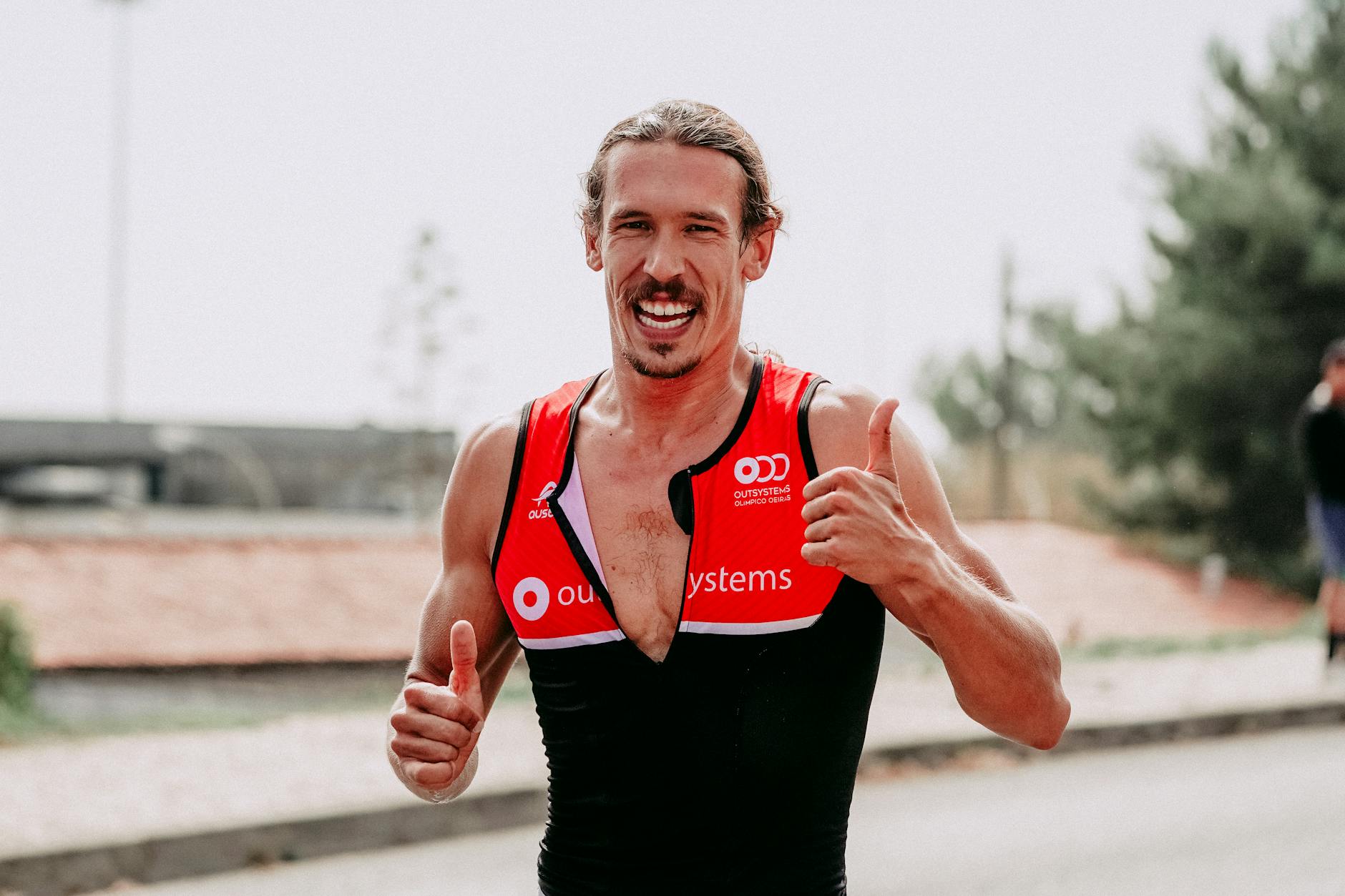
Bone density loss accelerates after 60, particularly in women post-menopause, but the mechanical loading from running stimulates osteoblast activity in ways that walking and cycling cannot match. Each footstrike generates ground reaction forces of two to three times body weight, creating the kind of impact stress that signals bones to maintain or increase density. A study published in the Journal of Bone and Mineral Research found that masters runners had significantly higher bone mineral density in their hips and spine than age-matched non-runners. The duration component matters for bone health. Short runs provide fewer loading cycles, while long runs accumulate thousands of impacts that trigger sustained bone-building responses.
A 90-minute run at moderate pace generates roughly 7,000 to 9,000 footstrikes, each one a small stimulus for bone maintenance. This cumulative effect explains why consistent long-run training correlates with better bone outcomes than sporadic high-intensity sessions. However, if you have existing osteoporosis or a history of stress fractures, long runs require careful progression and medical clearance. The same impact forces that strengthen healthy bone can damage compromised bone tissue. Runners with T-scores below -2.5 should work with sports medicine physicians to determine safe training volumes, and may need to supplement running with resistance training that targets bone density through different mechanical pathways.
Cognitive Benefits of Extended Aerobic Exercise After 60
Long runs create sustained elevations in brain-derived neurotrophic factor, the protein responsible for neuroplasticity and memory formation. While any exercise boosts BDNF temporarily, extended aerobic sessions of 60 minutes or longer produce prolonged elevations that enhance cognitive benefits. Research from the University of British Columbia demonstrated that regular aerobic exercise increases hippocampal volume, the brain region most vulnerable to age-related shrinkage and Alzheimer’s pathology. The meditative quality of long runs adds a psychological dimension that shorter workouts lack.
Extended time in a rhythmic, repetitive motion induces what some researchers call transient hypofrontality, a temporary reduction in prefrontal cortex activity that resembles meditation states. Runners often report their clearest thinking and most creative problem-solving occurring during or immediately after long runs, an effect that becomes more pronounced and valuable as cognitive demands increase with age. A specific example comes from a 2019 study tracking 2,000 adults over 25 years, which found that those who maintained vigorous aerobic exercise into their 60s had cognitive test scores equivalent to people seven years younger. The participants who ran or performed similar sustained cardio showed the strongest protective effects, outperforming those who only walked or did resistance training.

Structuring Long Runs for Maximum Benefit After 60
The optimal long-run approach for runners over 60 differs substantially from programs designed for younger athletes. Pace matters less than time on feet, and the traditional advice to run long at conversation pace becomes even more critical. Heart rate zones offer better guidance than pace targets, with most long runs falling between 65 and 75 percent of maximum heart rate. This intensity allows the aerobic system to develop without creating excessive stress hormones or inflammation. Frequency presents a tradeoff that each runner must evaluate individually.
Running one long effort every seven days minimizes injury risk and allows complete recovery, but some masters athletes thrive on a ten-day cycle that permits longer recovery while maintaining training stimulus. Compare the two approaches: weekly long runs of 90 minutes versus ten-day cycles with two-hour efforts. Both accumulate similar monthly time on feet, but the longer cycle suits runners who notice persistent fatigue or elevated resting heart rates after traditional weekly long runs. The surface selection matters more after 60 than at younger ages. Trails and grass reduce impact forces by 15 to 20 percent compared to concrete, making them preferable for long-run training when available. Runners without trail access should consider alternating between roads and softer surfaces, or investing in well-cushioned shoes specifically designated for long-run days.
Recovery Demands and Injury Prevention for Older Long-Distance Runners
Recovery time extends predictably with age, and ignoring this reality leads to overtraining and injury. A 35-year-old might bounce back from a 15-mile run within 48 hours, while a 65-year-old often needs 72 to 96 hours before another quality session. Sleep becomes the primary recovery tool, with research showing that masters athletes who average less than seven hours nightly have injury rates nearly double those who sleep eight hours or more. Inflammation management requires attention but not obsession. Some runners over 60 reach immediately for anti-inflammatory medications after long runs, but this practice may interfere with the adaptive signaling that makes training effective.
The inflammation from exercise serves as a trigger for beneficial adaptations, and suppressing it too aggressively can blunt fitness gains. Reserve NSAIDs for genuine injuries rather than routine post-run soreness. A significant warning applies here: runners over 60 should not increase long-run duration by more than ten percent every three weeks, a more conservative progression than the ten-percent-per-week rule often cited for younger athletes. The musculoskeletal system adapts more slowly even when cardiovascular fitness improves rapidly, creating a mismatch that accounts for many masters runner injuries. Patience with progression prevents the stress fractures and tendon problems that derail training for months.

Social and Psychological Dimensions of Long-Run Training
Running groups that emphasize long, slow distance create communities particularly suited to older athletes. The extended time together fosters deeper conversations and social bonds than quick track sessions allow.
Many runners report that their long-run partners become their closest friends, with the shared experience of hours on trails creating connections that extend beyond running into broader social support. A compelling example comes from the Hash House Harriers, a global running social club that attracts significant masters participation precisely because their format emphasizes time together over competition. Members frequently cite the three-hour weekend runs followed by social gatherings as central to their mental health and sense of community, particularly after retirement removes workplace social structures.
How to Prepare
- **Complete a cardiovascular screening** with your physician, including a stress test if you have not had one within two years or have any cardiac risk factors. This baseline assessment identifies any issues requiring modification to your training approach.
- **Establish a consistent base** of 20 to 25 miles per week for at least eight weeks before extending your long run beyond 60 minutes. Attempting long runs without adequate base mileage dramatically increases injury risk.
- **Invest in proper footwear** by visiting a specialty running store for gait analysis. Shoes should be replaced every 350 to 400 miles, and many masters runners benefit from more cushioned models than they wore at younger ages.
- **Develop a nutrition strategy** that includes carbohydrate intake during runs longer than 75 minutes. Glycogen depletion affects older runners more severely, and bonking during long runs can cause dangerous blood sugar drops.
- **Create a sleep optimization plan** that ensures seven to eight hours nightly, particularly the night before and the two nights following long runs. Poor sleep undermines both performance and recovery.
How to Apply This
- **Schedule long runs for mornings** when cortisol naturally peaks and joints have had overnight recovery. Afternoon and evening long runs often produce more fatigue and slower recovery for runners over 60.
- **Use the talk test religiously** throughout your long run. If you cannot speak in complete sentences, slow down immediately. Excessive intensity transforms a beneficial aerobic session into a stressful anaerobic effort that extends recovery time.
- **Monitor recovery metrics** including morning resting heart rate, sleep quality, and subjective energy levels. An elevated resting heart rate of five beats or more above baseline indicates incomplete recovery and warrants an easy day or rest.
- **Alternate long-run terrain** between harder and softer surfaces to balance the benefits of impact loading for bone health against the need to minimize cumulative joint stress.
Expert Tips
- Walk breaks are not weakness but strategy. The run-walk method pioneered by Jeff Galloway reduces injury rates substantially while maintaining fitness gains, and many masters runners find they can cover longer distances by incorporating planned walk intervals.
- Do not attempt long runs during heat waves or when humidity exceeds 70 percent. Thermoregulation efficiency declines with age, making heat illness a genuine risk that younger runners can tolerate more easily.
- Consider caffeine strategically. A moderate dose of 100 to 200 milligrams 45 minutes before long runs enhances fat oxidation and perceived effort, but afternoon caffeine may disrupt the sleep critical for recovery.
- Track trends rather than individual data points. A single slow long run means nothing, but progressive slowing over several months may indicate overtraining, iron deficiency, or other issues requiring attention.
- Build your longest runs during favorable weather seasons rather than forcing progression during extreme temperatures. There is no benefit to running your longest effort of the year during a January cold snap or August heat wave.
Conclusion
Long runs after 60 deliver a constellation of benefits that extend far beyond cardiovascular fitness, including stronger bones, sharper cognition, deeper social connections, and a sense of athletic identity that enriches daily life. The key lies in recognizing that mature runners possess unique physiological advantages for endurance training while requiring modified approaches to progression, recovery, and intensity management.
The path forward involves honest assessment of your current fitness, conservative building of base mileage, and patient extension of long-run duration over months rather than weeks. Those who respect the process discover that their 60s, 70s, and beyond can include running achievements they never imagined possible. The first step is simply the next long run, taken at a pace slow enough to sustain conversation and a duration long enough to challenge without depleting.
Frequently Asked Questions
How long does it typically take to see results?
Results vary depending on individual circumstances, but most people begin to see meaningful progress within 4-8 weeks of consistent effort. Patience and persistence are key factors in achieving lasting outcomes.
Is this approach suitable for beginners?
Yes, this approach works well for beginners when implemented gradually. Starting with the fundamentals and building up over time leads to better long-term results than trying to do everything at once.
What are the most common mistakes to avoid?
The most common mistakes include rushing the process, skipping foundational steps, and failing to track progress. Taking a methodical approach and learning from both successes and setbacks leads to better outcomes.
How can I measure my progress effectively?
Set specific, measurable goals at the outset and track relevant metrics regularly. Keep a journal or log to document your journey, and periodically review your progress against your initial objectives.
When should I seek professional help?
Consider consulting a professional if you encounter persistent challenges, need specialized expertise, or want to accelerate your progress. Professional guidance can provide valuable insights and help you avoid costly mistakes.
What resources do you recommend for further learning?
Look for reputable sources in the field, including industry publications, expert blogs, and educational courses. Joining communities of practitioners can also provide valuable peer support and knowledge sharing.