The run-walk method is a training approach that alternates between running and walking intervals during workouts, designed to build endurance while reducing injury risk and burnout. Rather than maintaining a continuous running pace, you run for a set period—typically 30 seconds to a few minutes—then walk for a recovery period before resuming your run. Coach Jeff Galloway developed this training program in 1976, and it has since become one of the most effective strategies for runners of all levels, from beginners to competitive marathoners. What makes the run-walk method so powerful is that it works.
Data compiled from over 500,000 runners shows measurable performance improvements: runners typically achieve an average of 3 minutes faster on their 5K times, 7 minutes faster on half marathons, and 13 or more minutes faster on marathons. For example, a runner who normally completes a marathon in 4 hours and 30 minutes could realistically expect to cross the finish line in 4 hours and 17 minutes using this method—all while experiencing fewer injuries and less physical exhaustion. The method’s benefits extend beyond race times. By building in walk breaks from the start, you create a sustainable training pattern that your body can adapt to gradually. This isn’t a shortcut or a compromise; it’s a science-backed approach that respects how human physiology actually responds to distance training.
Table of Contents
- How the Run-Walk Method Works and Why It’s Different
- The Injury Prevention Science Behind Run-Walk Training
- Real-World Performance Gains from the Run-Walk Approach
- Getting Started with Run-Walk Training as a Beginner
- The Risk of Over-Enthusiasm and Common Mistakes
- Customizing Your Run-Walk Ratios for Different Goals
- The Future of Run-Walk Training and Evolving Research
- Conclusion
How the Run-Walk Method Works and Why It’s Different
The run-walk method operates on a simple principle: your legs can recover while your cardiovascular system remains elevated during walking intervals. When you run continuously, your leg muscles accumulate fatigue and impact stress with every stride. By introducing walk breaks, you allow the muscles supporting your legs and joints to recover partially while maintaining aerobic effort. This creates a rhythm that prevents the kind of cumulative breakdown that leads to injury.
The method differs fundamentally from traditional steady-state running or even interval training. Steady-state running keeps you at one consistent pace throughout your workout, which can feel monotonous and accumulates impact stress evenly. Interval training, by contrast, pushes you to high-intensity efforts followed by recovery periods—useful for speed work, but potentially overwhelming for beginners or endurance training. The run-walk method sits between these approaches: it maintains a conversational aerobic intensity without the relentless pounding of continuous running. A beginner might start with 30 seconds of running followed by 2 minutes of walking, repeated 8 times for a total 30-minute workout that includes a 5-minute warm-up and cool-down walk.
The Injury Prevention Science Behind Run-Walk Training
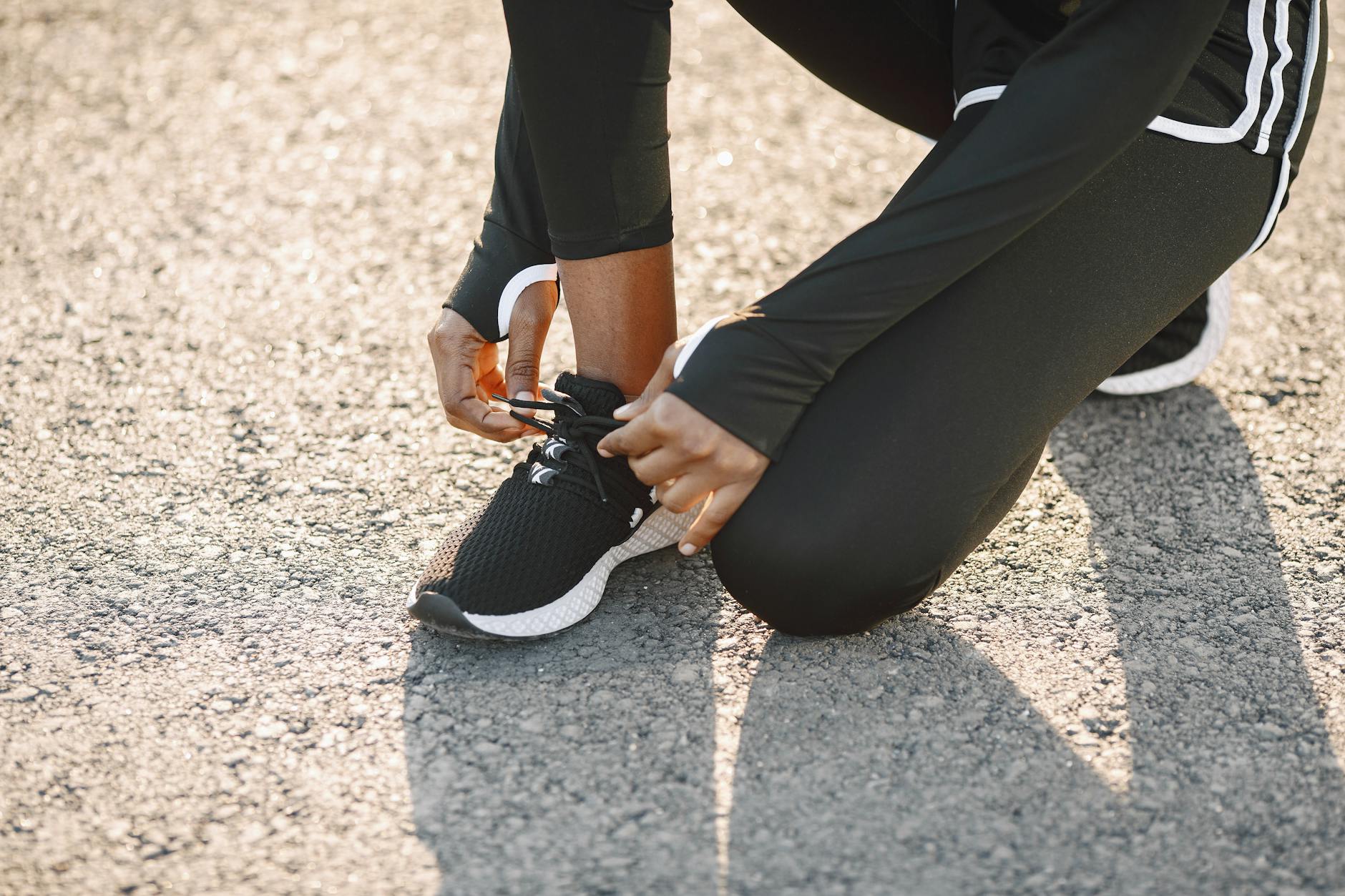
one of the most compelling reasons runners adopt the run-walk method is injury prevention. According to Galloway’s research, strategic walk breaks can “almost eliminate injury” in distance training. This isn’t hyperbole—the data backs it up. Currently, 40 to 44 percent of runners experience injuries annually from overuse, with the most common injuries being patellofemoral pain (runner’s knee), medial tibial stress syndrome (shin splints), Achilles tendinopathy, and plantar fasciitis. These injuries don’t happen overnight; they develop from accumulated microtrauma to tissues that aren’t given adequate recovery time. When you run continuously, you subject connective tissues and muscles to repetitive impact without breaks for partial recovery.
Walk breaks interrupt this relentless cycle. Your heart rate stays elevated, maintaining aerobic benefits, but your joints experience reduced impact loading. The muscles that stabilize your knees, ankles, and hips get micro-recovery periods that allow them to function more efficiently. However, it’s important to understand that the run-walk method doesn’t make you immune to injury. If you increase your total mileage too quickly, skip warm-ups and cool-downs, or ignore pain signals, you can still develop overuse injuries. The method is preventive, not curative.
Real-World Performance Gains from the Run-Walk Approach
The performance improvements associated with the run-walk method aren’t theoretical—they’re documented across hundreds of thousands of runners. A 35-year-old marathoner struggling to break 4 hours might adopt a run-walk pattern, commit to the training plan for 16 weeks, and discover they’re capable of 3:45 or faster. The reason these gains happen isn’t because run-walk training is faster in the moment; it’s because you can sustain it better, complete more training volume, and recover better between workouts. These improvements hold true across race distances.
For a 5K runner, a 3-minute improvement might mean dropping from 28 minutes to 25 minutes. For a half-marathoner, that 7-minute improvement could represent the difference between struggling through a race and finishing strong. The marathon improvements are often the most dramatic—13 or more minutes—because marathons are where the cumulative benefits of consistent, injury-free training shine. You can complete more long runs, do more speed work, and actually show up to race day healthy instead of nursing a lingering injury. The method works because it allows you to do the volume that produces improvement without the breakdown that halts progress.

Getting Started with Run-Walk Training as a Beginner
If you’re new to running or returning after a long break, the recommended starting point is straightforward: run for 30 seconds, walk for 2 minutes, and repeat this sequence 8 times, with a 5-minute walking warm-up and cool-down. This creates a manageable 30-minute workout that’s challenging enough to build fitness but easy enough that recovery is realistic. The beauty of this approach is that it removes the mental barrier of “I have to run the whole way.” Instead, you’re always looking forward to your next walk break, which makes the workout feel less daunting. As your fitness improves, you’ll gradually adjust your intervals. You might move to 45 seconds of running and 90 seconds of walking, then to 60 seconds and 60 seconds.
Eventually, many runners find they can sustain longer runs with minimal walk breaks, or they reduce walking to once per mile. The progression should feel gradual and comfortable—not like you’re forcing yourself into a pace that doesn’t feel sustainable. One important consideration: beginners sometimes make the mistake of running too fast during their running intervals. Your running pace during a run-walk workout should feel easy enough that you could have a conversation. If you’re breathing too hard during the running portion, your intervals are too fast.
The Risk of Over-Enthusiasm and Common Mistakes
The most common mistake runners make with the run-walk method is abandoning it too quickly or skipping it in favor of a “faster” approach once they feel stronger. They might think, “I feel good today, so I’ll just run the whole thing,” which can lead right back to the injury cycle they were trying to escape. The run-walk method isn’t just for beginners—many experienced marathoners use it throughout their training and in races themselves, particularly for their long runs. The method works because you follow it consistently, not because you graduate out of it. Another pitfall is increasing weekly mileage too quickly while using run-walk training.
Because the method feels easier on your body, it’s tempting to add distance more aggressively than you would with traditional running. But your connective tissues and bones still need time to adapt to increased volume, even with walk breaks. A reasonable approach is to increase your total weekly distance by no more than 10 percent per week, regardless of your training method. Additionally, some runners experience a psychological hurdle with walk breaks, seeing them as admitting defeat rather than a legitimate training strategy. Recent biomechanics research, including a 2025 study published in Nature Scientific Data examining running at various speeds, continues to validate the efficiency of walking recovery intervals in distance training.

Customizing Your Run-Walk Ratios for Different Goals
While the 30 seconds running and 2 minutes walking pattern works well for beginners, your ideal run-walk ratio depends on your current fitness level, your goal race, and your training phase. For 5K training, many runners use shorter walk breaks—perhaps 2 minutes of running to 1 minute of walking. For marathon training, especially for your long runs, a common pattern is 4-5 minutes of running to 1 minute of walking. The key is finding the ratio that allows you to complete your workout feeling strong rather than exhausted.
Some runners also use a time-based approach rather than distance-based. Running for 5 minutes and walking for 1 minute is easier to follow without a GPS watch or constant pace monitoring. You simply set a timer or use a running app that alerts you at your interval switches. Experiment during your training cycles to find what works best for you, and remember that your ideal ratio might change depending on your current fitness level.
The Future of Run-Walk Training and Evolving Research
As running science advances, the run-walk method continues to gain credibility. The 2025 biomechanics study examining running at different speeds provides fresh evidence about how movement patterns and muscle activation change with walking recovery intervals, supporting what Galloway observed decades ago.
This ongoing research validates what runners are discovering experientially: there’s no shame in walk breaks, and there’s significant performance advantage in using them strategically. The method is likely to remain relevant because it addresses a fundamental truth about human physiology: we perform better when we’re not constantly pushing our limits. Whether you’re training for your first 5K or your tenth marathon, the run-walk method offers a proven pathway to improvement without the typical injury carousel that stops so many runners.
Conclusion
The run-walk method is a legitimate, science-backed training approach that alternates running and walking intervals to build endurance while protecting your body from injury. Developed by coach Jeff Galloway in 1976 and refined through training data from over 500,000 runners, the method delivers measurable results: faster 5K times, improved half-marathon performances, and marathon improvements often exceeding 13 minutes. More importantly, it creates a sustainable training pattern that reduces the 40-44 percent annual injury rate that plagues continuous-running approaches.
Starting with 30 seconds of running and 2 minutes of walking is accessible for nearly any runner, and the method adapts as your fitness improves. Your next step is to commit to a training plan using run-walk intervals suited to your current fitness level and goal race. Be patient with the method, trust that walk breaks make you faster (not slower), and recognize that the runners seeing the biggest improvements are often those who stayed consistent with their intervals rather than abandoning them prematurely.