Running longer distances after 60 delivers measurable physical benefits that extend well beyond cardiovascular fitness, including increased bone density, improved metabolic function, enhanced muscular endurance, and a slower rate of age-related physical decline. Research consistently shows that older adults who engage in distance running maintain physiological profiles closer to those of individuals decades younger, with some studies indicating that runners in their 60s and 70s possess the aerobic capacity and muscle efficiency of sedentary 30-year-olds. Consider Ed Whitlock, who at 73 became the first person over 70 to run a marathon in under three hours””his case represents the extreme end of what’s possible, but the underlying principle applies broadly: the human body responds to endurance training at any age. This article explores the specific physical adaptations that occur when older runners extend their distances, from cellular-level changes in mitochondrial density to visible improvements in body composition and joint health.
We’ll examine what the research says about bone strengthening, cardiovascular remodeling, metabolic efficiency, and muscular adaptation in runners over 60. The piece also addresses practical concerns like injury prevention, recovery protocols, and how to build distance safely when starting later in life. While the benefits are substantial, they come with caveats””understanding both the rewards and the limitations helps runners make informed decisions about their training. Beyond the physiological advantages, distance running after 60 offers a form of physical autonomy that many older adults fear losing. The ability to cover five, ten, or even twenty-six miles under your own power represents functional capacity that translates directly to daily life, from climbing stairs without breathlessness to maintaining independence well into the eighth and ninth decades.
Table of Contents
- How Does Running Longer Distances After 60 Benefit Your Cardiovascular System?
- The Impact of Distance Running on Bone Density and Joint Health After 60
- Metabolic and Body Composition Changes in Older Distance Runners
- Building Distance Safely: Training Adaptations for Runners Over 60
- Common Challenges and Recovery Considerations for Older Distance Runners
- The Neurological Benefits of Distance Running After 60
- How to Prepare
- How to Apply This
- Expert Tips
- Conclusion
- Frequently Asked Questions
How Does Running Longer Distances After 60 Benefit Your Cardiovascular System?
The cardiovascular adaptations from distance running represent perhaps the most significant physical reward for runners over 60. Regular endurance training increases stroke volume””the amount of blood pumped per heartbeat””which means the heart works more efficiently at rest and during activity. A study published in the Journal of the American College of Cardiology found that lifelong exercisers in their 70s had hearts that appeared structurally similar to those of healthy 30-year-olds, with none of the stiffening typically associated with aging. For runners who start or continue distance training after 60, these cardiovascular benefits accumulate progressively, with measurable improvements appearing within months of consistent training. The comparison between active and sedentary aging is stark. VO2 max, the gold standard measure of cardiovascular fitness, typically declines by about 10 percent per decade after age 30 in sedentary individuals.
Distance runners, however, experience roughly half that rate of decline. A 65-year-old who runs 25-30 miles per week might maintain a VO2 max equivalent to a sedentary 45-year-old. This isn’t merely an athletic metric””it translates to reduced risk of heart disease, stroke, and cardiovascular mortality. The Framingham Heart Study and subsequent research have consistently linked higher cardiovascular fitness to longer, healthier lives. However, runners over 60 should understand that cardiovascular adaptation takes longer than it did at younger ages, and the risks of pushing too hard include arrhythmias and, in rare cases, cardiac events during exercise. Anyone beginning a distance running program after 60, particularly those with existing heart conditions, high blood pressure, or a family history of cardiac problems, should undergo a thorough cardiovascular evaluation. The rewards are substantial, but they require a measured approach.

The Impact of Distance Running on Bone Density and Joint Health After 60
Contrary to outdated beliefs that running destroys joints, current evidence suggests that regular distance running actually protects and strengthens the musculoskeletal system in older adults. The repetitive impact of running stimulates bone remodeling, a process where old bone tissue is replaced with new, denser material. A 2018 study in the Journal of Bone and Mineral Research found that older runners had significantly higher bone mineral density in their hips and spines compared to age-matched non-runners, reducing their fracture risk substantially. This matters enormously after 60, when osteoporosis becomes increasingly common and hip fractures can trigger a cascade of health problems. The joint health picture is similarly encouraging, with important caveats. Long-term studies tracking runners over decades have found no increased incidence of osteoarthritis compared to non-runners, and some research suggests runners may actually have lower rates of knee arthritis.
The mechanical loading from running promotes the health of articular cartilage by stimulating nutrient flow to these avascular tissues. However, if you already have significant cartilage damage, bone-on-bone arthritis, or structural joint problems, distance running may not be appropriate. In these cases, lower-impact alternatives like cycling or swimming might provide cardiovascular benefits without accelerating joint deterioration. The key distinction lies between healthy stress and damaging overload. Gradual increases in distance allow bones, tendons, and cartilage to adapt, while sudden jumps in mileage or intensity can cause stress fractures and tendon injuries. Runners over 60 need to respect longer adaptation timelines””what might take a 30-year-old three weeks to adjust to could require six weeks or more for an older runner.
Metabolic and Body Composition Changes in Older Distance Runners
Distance running fundamentally alters metabolic function in ways that counteract typical age-related decline. After 60, most people experience sarcopenia (muscle loss), increased fat accumulation particularly around the midsection, and declining insulin sensitivity. Distance runners disrupt this pattern. The sustained aerobic demands of longer runs improve the body’s ability to utilize fat as fuel, increase mitochondrial density in muscle cells, and enhance glucose metabolism. Older runners frequently maintain body compositions that reflect decades of metabolic youth.
Consider the practical implications: a 67-year-old who runs 30-40 miles per week typically carries significantly less visceral fat than a sedentary peer, and their muscles contain more mitochondria””the cellular powerhouses that convert fuel to energy. This mitochondrial density matters because declining mitochondrial function is associated with many hallmarks of aging, from reduced energy to increased disease risk. Distance running essentially acts as a mitochondrial stimulus, prompting the body to produce more of these crucial organelles. The metabolic benefits extend to hormone regulation as well. Regular endurance exercise helps maintain healthier levels of growth hormone, testosterone (in men), and other anabolic hormones that typically decline with age. This doesn’t mean running reverses aging, but it does mean that the metabolic profile of an active 65-year-old runner often resembles that of a sedentary person fifteen or twenty years younger.

Building Distance Safely: Training Adaptations for Runners Over 60
The practical challenge of running longer distances after 60 lies in balancing ambition with recovery capacity. Older runners can absolutely build to impressive distances, but they must account for physiological realities: tendons take longer to strengthen, muscle recovery extends by 24-48 hours compared to younger athletes, and sleep quality””critical for adaptation””often declines with age. Successful older distance runners typically train fewer days per week at higher quality rather than accumulating junk miles. The comparison between training approaches reveals important tradeoffs. A 35-year-old might run six days per week with one rest day and recover adequately.
A 65-year-old pursuing similar distances often thrives on four running days with three recovery days, using cross-training on some rest days to maintain fitness without running’s impact. This isn’t a limitation so much as an optimization””the reduced running frequency allows for harder, more productive sessions when running does occur. Many older runners find they can maintain or even improve their race times by reducing total weekly runs while increasing the quality of each session. The ten percent rule””increasing weekly mileage by no more than ten percent””becomes even more important after 60. Some coaches recommend five percent as a safer threshold for older runners adding distance. Building from a comfortable 15-mile week to a 40-mile week might take eight months rather than four, but the gradual approach dramatically reduces injury risk.
Common Challenges and Recovery Considerations for Older Distance Runners
Recovery emerges as the defining factor separating successful older distance runners from those who struggle with recurring injuries. The inflammatory response following a long run persists longer in older athletes, and the cellular repair processes that rebuild muscle operate more slowly. Runners over 60 who ignore these realities””maintaining the training habits of their younger years””often experience chronic fatigue, overuse injuries, and performance plateaus. Those who adapt their recovery protocols frequently continue improving well into their 60s and 70s. Specific recovery strategies matter more after 60.
Sleep becomes non-negotiable; the growth hormone release during deep sleep drives much of the adaptation from training, and older adults who compromise sleep undercut their training gains. Nutrition timing also gains importance””consuming protein within an hour of finishing a long run accelerates muscle repair. Many successful older runners incorporate regular massage, foam rolling, or other soft tissue work to address the muscle stiffness that accumulates more readily with age. A significant warning applies here: older runners must distinguish between normal training fatigue and signs of overtraining or injury. Persistent fatigue lasting more than three days, joint pain that doesn’t resolve with rest, and declining performance despite consistent training all signal the need to pull back. Pushing through these warning signs leads to serious setbacks that can sideline runners for months.

The Neurological Benefits of Distance Running After 60
Distance running confers neurological benefits that complement its physical rewards, though these mental advantages have tangible physical components. The increased blood flow to the brain during aerobic exercise promotes neurogenesis””the creation of new brain cells””particularly in the hippocampus, which governs memory and spatial navigation. Runners over 60 show better cognitive function, faster reaction times, and improved balance compared to sedentary peers.
Consider the research from the University of Illinois, which found that older adults who engaged in regular aerobic exercise, including running, showed increased brain volume in regions associated with memory and executive function. The physical manifestation of these changes includes better coordination, more confident movement patterns, and reduced fall risk. For runners over 60, the brain benefits contribute to the overall experience of feeling physically capable and autonomous.
How to Prepare
- **Establish a consistent base first.** Before attempting to run longer, ensure you can comfortably run three to four times per week at moderate distances (3-5 miles) without excessive fatigue or any pain. This base-building phase might take two to three months for those returning to running or starting fresh.
- **Complete a thorough medical evaluation.** A cardiovascular stress test provides valuable information about your heart’s response to exertion. Blood work checking inflammatory markers, vitamin D levels, and metabolic function helps identify issues that could complicate training.
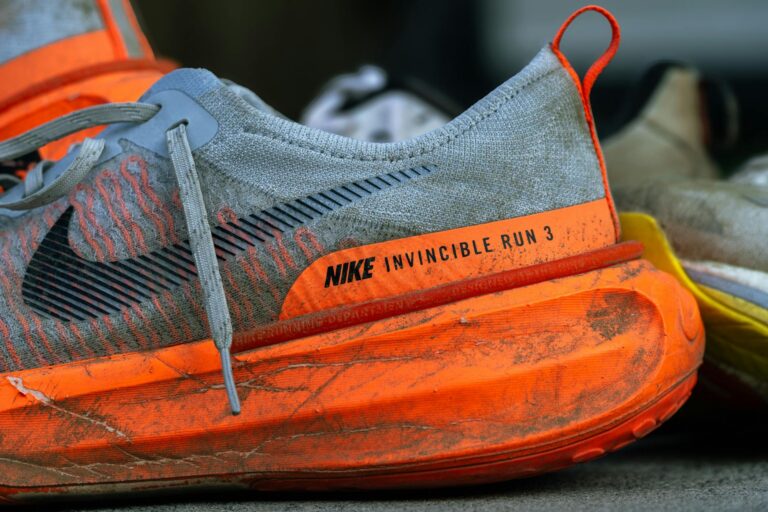
- **Invest in proper footwear and gait analysis.** Older runners often benefit from more cushioning than they needed when younger, and gait patterns may have changed over the decades. A professional fitting can prevent many common injuries.
- **Develop a strength training routine.** Two sessions per week focusing on legs, core, and hip stabilizers dramatically reduces injury risk and improves running economy. Single-leg exercises like lunges and step-ups build the stability required for longer distances.
- **Create a realistic progression plan.** Map out twelve to sixteen weeks of gradual mileage increases, including cutback weeks every third or fourth week where you reduce volume by 30 percent to allow adaptation. The most common mistake is increasing distance too quickly, driven by enthusiasm rather than physical readiness.
How to Apply This
- **Start each week by reviewing your training response from the previous week.** If you felt strong and recovered well, proceed with planned increases. If you noticed excessive fatigue, lingering soreness, or any pain, hold your current mileage or reduce slightly.
- **Structure your week around one longer run.** This keystone workout builds endurance while the remaining runs maintain fitness at lower stress levels. Your long run should comprise about 25-30 percent of your weekly mileage.
- **Monitor recovery metrics including resting heart rate, sleep quality, and perceived energy levels.** A resting heart rate elevated by more than five beats per minute over your baseline often signals incomplete recovery””respond by taking an additional rest day.
- **Schedule regular assessments every eight to twelve weeks.** Evaluate your progress, note any recurring issues, and adjust your plan accordingly. Flexibility in your approach allows sustainable long-term improvement rather than short-term gains followed by setbacks.
Expert Tips
- Prioritize consistency over intensity; four moderate runs per week over months yields better results than sporadic hard efforts followed by recovery periods.
- Run most of your miles at a conversational pace where you could speak in complete sentences; this builds aerobic base without excessive stress.
- Do not add distance and speed simultaneously””when extending your long run, keep the pace easy and save faster work for shorter runs on separate days.
- Consider working with a coach experienced in training older runners; the investment often prevents costly injuries and accelerates progress.
- Schedule recovery weeks proactively rather than waiting until fatigue forces you to back off; planned rest prevents unplanned layoffs.
Conclusion
Running longer distances after 60 delivers physical rewards that fundamentally alter the aging trajectory. The cardiovascular adaptations, bone-strengthening effects, metabolic improvements, and muscular adaptations compound over time, creating a physiology that defies typical age-related decline. Runners who build distance carefully, respect recovery needs, and maintain consistency frequently report feeling more physically capable in their late 60s and 70s than they did in their sedentary 50s.
The path forward requires patience and attention to the body’s signals. Starting with a solid base, progressing gradually, prioritizing recovery, and maintaining strength training alongside running creates a sustainable practice that can continue for decades. The physical rewards of distance running after 60 aren’t merely about race times or mileage totals””they’re about maintaining the functional capacity to live fully and independently, powered by a cardiovascular system, skeleton, and musculature that continue to serve rather than limit.
Frequently Asked Questions
How long does it typically take to see results?
Results vary depending on individual circumstances, but most people begin to see meaningful progress within 4-8 weeks of consistent effort. Patience and persistence are key factors in achieving lasting outcomes.
Is this approach suitable for beginners?
Yes, this approach works well for beginners when implemented gradually. Starting with the fundamentals and building up over time leads to better long-term results than trying to do everything at once.
What are the most common mistakes to avoid?
The most common mistakes include rushing the process, skipping foundational steps, and failing to track progress. Taking a methodical approach and learning from both successes and setbacks leads to better outcomes.
How can I measure my progress effectively?
Set specific, measurable goals at the outset and track relevant metrics regularly. Keep a journal or log to document your journey, and periodically review your progress against your initial objectives.
When should I seek professional help?
Consider consulting a professional if you encounter persistent challenges, need specialized expertise, or want to accelerate your progress. Professional guidance can provide valuable insights and help you avoid costly mistakes.
What resources do you recommend for further learning?
Look for reputable sources in the field, including industry publications, expert blogs, and educational courses. Joining communities of practitioners can also provide valuable peer support and knowledge sharing.