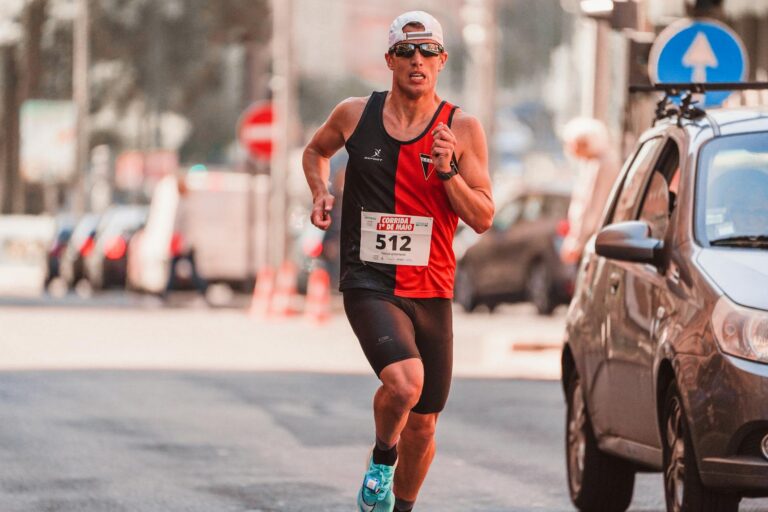
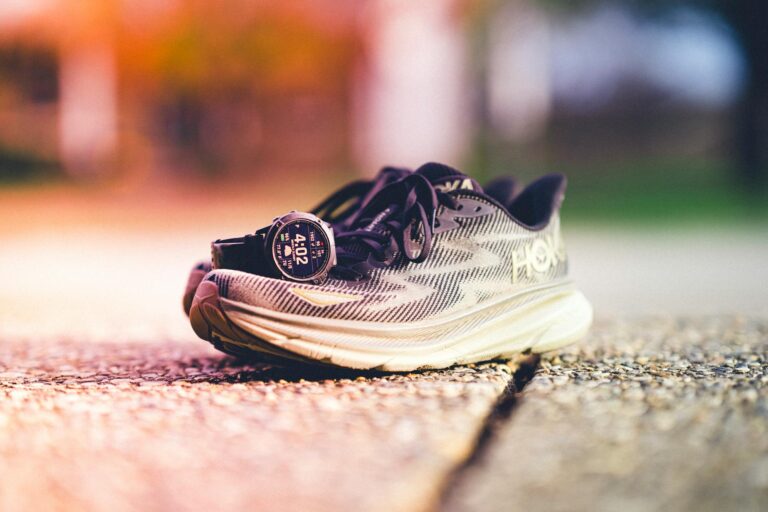
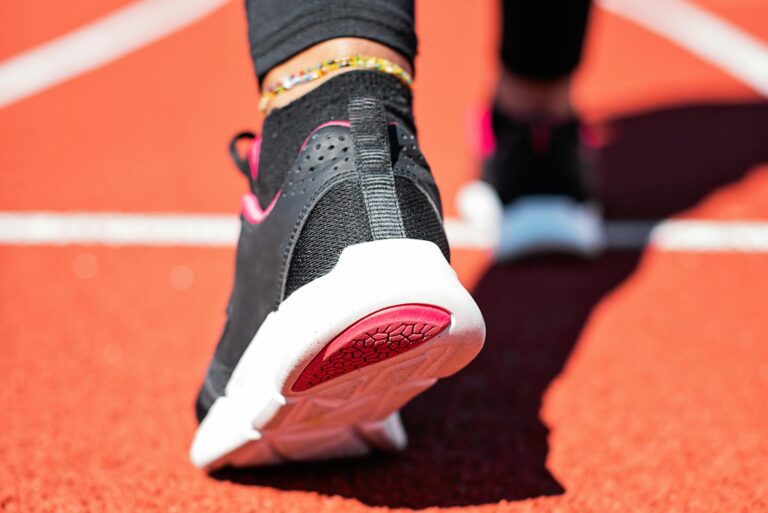
The best shoes for runners training for 10-mile races are daily trainers with moderate cushioning, a responsive midsole, and enough durability to handle 30 to 50 miles per week. Shoes like the Nike Pegasus, Brooks Ghost, ASICS Gel-Nimbus, and New Balance Fresh Foam 1080 consistently rank among the top choices because they balance protection with ground feel, allowing runners to complete long training runs without excessive fatigue while still developing the foot strength needed for race day. A runner preparing for a 10-mile race typically needs a shoe that can handle tempo runs, easy miles, and the occasional longer effort without breaking down or causing injury from repetitive stress. The 10-mile distance sits in a demanding middle ground between shorter races and half marathons, requiring shoes that support weekly mileage in the 25 to 45 mile range over 8 to 12 weeks of training.
For example, a runner following a typical 10-mile training plan might do a Tuesday tempo run of 5 miles, an easy Thursday run of 4 miles, and a Saturday long run of 8 to 10 miles, all in the same pair of trainers. This article covers how to select the right shoe category for your running style, the importance of cushioning and stack height, rotation strategies that extend shoe life and reduce injury risk, and specific considerations for different foot types and running surfaces. Beyond the daily trainer, many runners benefit from adding a second shoe for speed work or race day itself. Understanding when to invest in a carbon-plated racer versus sticking with your trainers can make a meaningful difference in both performance and budget. The sections that follow break down each factor so you can make an informed decision rather than simply chasing the newest release or highest-priced option.
Table of Contents
- What Makes a Running Shoe Ideal for 10-Mile Race Training?
- How Cushioning and Stack Height Affect Performance Over 10 Miles
- The Role of Shoe Rotation in 10-Mile Training Programs
- Choosing Between Stability and Neutral Shoes for Race Training
- Common Fitting Mistakes That Undermine 10-Mile Training
- When to Replace Your Training Shoes Before a 10-Mile Race
- How to Prepare
- How to Apply This
- Expert Tips
- Conclusion
- Frequently Asked Questions
What Makes a Running Shoe Ideal for 10-Mile Race Training?
A shoe suited for 10-mile race training needs to excel in three areas: cushioning that remains consistent across hundreds of miles, a fit that prevents hot spots and blisters during runs lasting 60 to 90 minutes, and a heel-to-toe drop that matches your natural running mechanics. The midsole foam is the most critical component, as it absorbs impact forces that accumulate significantly over 10 miles compared to shorter distances. EVA-based foams have largely given way to newer compounds like Nike ZoomX, Adidas Lightstrike Pro, and Saucony PWRRUN PB, which offer better energy return without adding weight. Comparing two popular options illustrates the tradeoffs involved. The Brooks Ghost uses DNA LOFT cushioning that feels soft and protective, making it excellent for runners who prioritize comfort on easy and long runs but may feel sluggish during faster tempo work.
The Saucony Kinvara, by contrast, uses a firmer PWRRUN foam with a lower stack height, providing better ground feel and responsiveness for uptempo running but offering less protection for high-mileage weeks. Neither shoe is objectively better; the choice depends on whether your training emphasizes volume or intensity. Durability also matters more for 10-mile training than for shorter race preparations. Most running shoes begin losing their cushioning properties after 300 to 500 miles, meaning a runner logging 40 miles per week during an 8-week training cycle will put roughly 320 miles on their shoes before race day. Starting a training block with shoes that already have 200 miles on them risks finishing the cycle in worn-out footwear, which can contribute to overuse injuries in the final weeks when fitness is peaking and the body is most fatigued.
How Cushioning and Stack Height Affect Performance Over 10 Miles
Stack height refers to the thickness of material between your foot and the ground, typically measured in millimeters at the heel and forefoot. Modern maximalist shoes like the HOKA Bondi or New Balance More v4 feature stack heights exceeding 35mm, while traditional trainers like the Nike Structure sit around 28mm. Higher stacks provide more cushioning and theoretically reduce muscle damage over longer distances, but they also raise your center of gravity and reduce proprioception, the sensory feedback that helps your body make micro-adjustments with each stride. Research on cushioning and injury prevention remains surprisingly mixed. A 2022 study published in the British Journal of Sports Medicine found no significant difference in injury rates between runners using maximalist and traditional shoes over a 24-week period.
However, runners with a history of stress fractures or joint pain often report subjective improvement with higher-cushioned options. The practical takeaway is that cushioning preferences are highly individual, and the best shoe is often the one that allows you to train consistently without pain rather than the one with the most foam. However, if you are a heavier runner or have a history of plantar fasciitis or Achilles tendinopathy, opting for moderate to high cushioning is generally advisable. Conversely, runners who have trained primarily in minimal or low-drop shoes may find that switching to a heavily cushioned option disrupts their stride mechanics and causes calf or Achilles strain. Any significant change in stack height or heel drop should be introduced gradually, ideally during base-building phases rather than in the middle of a race-specific training block.
The Role of Shoe Rotation in 10-Mile Training Programs
Using multiple pairs of running shoes throughout a training cycle reduces repetitive stress on specific muscle groups and tendons by varying the biomechanical demands of each run. A 2015 study in the Scandinavian Journal of Medicine and Science in Sports found that runners who rotated between at least two pairs of shoes had a 39 percent lower injury risk compared to single-shoe runners. The variation in cushioning, heel drop, and overall geometry forces the body to adapt to slightly different movement patterns, strengthening a wider range of supporting structures. A practical rotation for 10-mile training might include a cushioned daily trainer for easy runs and long efforts, a lighter tempo shoe for speed work and race-pace sessions, and optionally a carbon-plated racer for the event itself. For example, a runner could use the ASICS Gel-Nimbus for Monday recovery runs and Saturday long runs, switch to the ASICS Noosa Tri for Wednesday interval sessions, and race in the ASICS Metaspeed Sky.
This approach distributes mileage across three shoes instead of concentrating it on one, extending the usable life of each pair. The financial investment required for a true rotation presents a real barrier for many runners. Quality running shoes typically cost between $120 and $180, meaning a three-shoe rotation represents a $400 to $500 commitment. One cost-effective strategy is to purchase previous-year models, which often sell for 30 to 50 percent less than current versions despite having nearly identical performance characteristics. The Brooks Ghost 15, for instance, frequently appears at $90 or less once the Ghost 16 releases, making rotation more accessible for budget-conscious runners.

Choosing Between Stability and Neutral Shoes for Race Training
The stability versus neutral debate has evolved significantly over the past decade. Traditional guidance suggested that runners with flat feet or excessive pronation required stability shoes with rigid medial posts, while neutral runners needed no such intervention. Current research challenges this prescriptive approach, with many experts now recommending that runners choose based on comfort rather than attempting to correct perceived biomechanical flaws. A 2016 study in the British Journal of Sports Medicine found that comfort was actually a better predictor of injury prevention than motion control features. Neutral shoes like the Nike Pegasus and Saucony Ride offer a balanced platform that works for the majority of runners, including many who were previously sold stability shoes based on wet footprint tests or brief gait analyses. These shoes allow the foot to move naturally through the gait cycle, potentially strengthening intrinsic foot muscles over time.
Stability shoes like the Brooks Adrenaline GTS and ASICS Gel-Kayano can still benefit runners who experience pain or discomfort in neutral shoes, particularly those with significant overpronation that causes knee or hip issues during longer runs. The tradeoff with stability shoes involves weight and flexibility. Adding medial post technology or guide rails to control pronation typically adds 0.5 to 1.0 ounces per shoe and reduces midfoot flexibility. For a 10-mile race where you might take 15,000 to 17,000 steps, even a half-ounce difference adds up to lifting an extra 500 to 850 pounds over the course of the race. This matters more for competitive runners chasing personal records than for those focused primarily on finishing comfortably. If you have run successfully in neutral shoes without recurring injuries, switching to stability for 10-mile training is unnecessary and potentially counterproductive.
Common Fitting Mistakes That Undermine 10-Mile Training
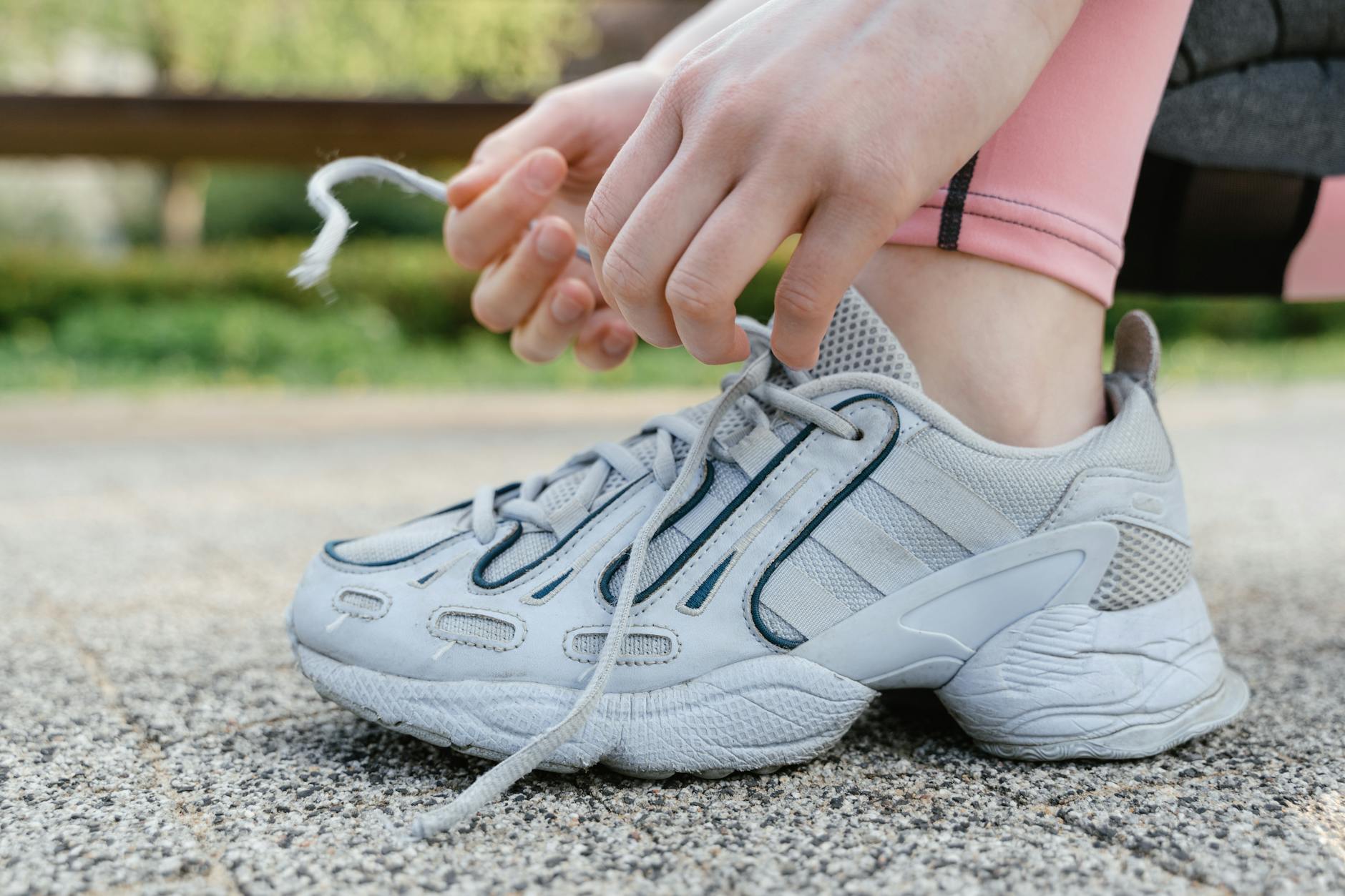
The most frequent fitting error is purchasing shoes that are too short, leading to black toenails and blisters on longer training runs. Feet swell during running, particularly during efforts lasting more than an hour, and a shoe that fits perfectly while standing in a store may feel restrictive by mile 8 of a long run. The general recommendation is to leave a thumb’s width of space between your longest toe and the end of the shoe, which often means buying a half size or full size larger than your casual footwear. Width is equally important but frequently overlooked. Standard shoe widths accommodate perhaps 60 percent of the running population, leaving many runners cramped in the forefoot or unstable in shoes that are too wide.
Brands like New Balance and Brooks offer multiple width options in most models, while Nike and Adidas tend to run narrower with fewer alternatives. A runner with a wide forefoot but narrow heel may struggle to find a single shoe that fits both areas well, in which case lacing techniques can sometimes compensate, or custom insoles may help fill excess volume. Trying on shoes at the wrong time of day also leads to poor fit decisions. Feet are typically smallest in the morning and swell throughout the day, so shopping in the afternoon or evening provides a more accurate sense of how shoes will feel during actual running. Additionally, wearing the socks you plan to train in during the fitting process ensures that you account for their thickness. Thin racing socks and thick cushioned socks can create noticeably different fit experiences, and switching between them after purchase sometimes renders a well-fitting shoe uncomfortable.
When to Replace Your Training Shoes Before a 10-Mile Race
Most running shoes should be retired between 300 and 500 miles, but this range varies considerably based on runner weight, running surface, and shoe construction. A 180-pound runner training primarily on concrete will compress midsole foam faster than a 130-pound runner training on trails and treadmills. Rather than tracking exact mileage, many runners rely on physical signs of wear: visible compression lines in the midsole, worn-down outsole tread, or the subjective feeling that the cushioning no longer absorbs impact effectively.
A useful test involves pressing your thumb firmly into the midsole of a new shoe and a worn shoe of the same model. Fresh foam rebounds quickly and completely, while degraded foam compresses more easily and recovers slowly or incompletely. The HOKA Clifton, for example, tends to feel noticeably different after 300 miles, with its soft midsole compacting faster than firmer options like the Saucony Guide. Recognizing these changes early allows you to break in replacement shoes gradually rather than switching to stiff new footwear days before your race.
How to Prepare
- Assess your current shoes by checking mileage, midsole compression, and outsole wear patterns. If your primary trainers have more than 250 miles on them, consider starting the training block with a fresh pair to ensure adequate cushioning throughout the cycle.
- Visit a specialty running store for a professional fitting, ideally in the afternoon when your feet are slightly swollen. Bring your current running socks and any orthotics you use, and jog briefly in each shoe you try.
- Purchase your training shoes at least three weeks before beginning structured workouts, allowing time to accumulate 20 to 30 easy miles and identify any fit issues before intensity increases.
- If planning a shoe rotation, add the second pair after two weeks in your primary trainers to give your body time to adapt to one new variable before introducing another.
- Test your intended race-day shoe during at least two race-pace workouts before the event. A common mistake is wearing brand-new shoes or untested racers on race day, risking blisters or discomfort when it matters most.
How to Apply This
- Map your weekly training structure and assign appropriate shoes to each session type. Easy runs and long runs typically call for your most cushioned trainer, while tempo runs and intervals may benefit from a lighter, more responsive option.
- Track mileage on each pair using a running app or simple log, noting when each shoe reaches 200, 300, and 400 miles so you can anticipate replacement needs before cushioning degrades significantly.
- Evaluate fit and comfort after each run during the first two weeks with a new shoe. Minor hot spots sometimes resolve as the shoe breaks in, but persistent discomfort warrants reassessment rather than forcing adaptation.
- Plan race-day footwear decisions by week six of a typical 10-week program, allowing at least three to four workouts in your chosen race shoe to confirm fit and performance under race-pace conditions.
Expert Tips
- Replace shoes based on feel and midsole condition rather than arbitrary mileage cutoffs. Some shoes last 500 miles while others lose cushioning at 300; your body provides better feedback than a spreadsheet.
- Do not switch to a significantly different shoe type in the final three weeks before your race. Even a superior shoe requires adaptation time, and introducing new variables late in training increases injury risk.
- Consider saving older trainers with 250 to 350 miles for recovery runs and easy days, using your freshest shoes for quality sessions where performance matters most.
- Break in new shoes with three to five short runs before using them for long efforts. The materials, particularly the upper, often need 15 to 20 miles to conform to your foot shape.
- If racing in carbon-plated super shoes, practice cornering and downhill running in training. The stiff plates and high stacks change handling characteristics, and surprises on race day can lead to ankle rolls or falls.
Conclusion
Selecting the right shoes for 10-mile race training requires balancing cushioning, durability, fit, and responsiveness based on your individual needs rather than marketing claims or popularity rankings. A quality daily trainer with moderate cushioning handles the bulk of training miles effectively, while adding a tempo shoe and potentially a race-day option creates variety that reduces injury risk and optimizes performance across different workout types.
The fundamentals remain consistent regardless of brand preference: adequate length and width, appropriate cushioning for your body weight and running surface, and enough structural integrity to maintain these qualities throughout a full training cycle. Taking time to properly fit shoes, introduce them gradually, and monitor their condition as mileage accumulates prevents the foot problems and overuse injuries that derail many runners in the final weeks before their goal race. The relatively small investment of fitting shoes carefully and maintaining a sensible rotation pays significant dividends in uninterrupted training and race-day readiness.
Frequently Asked Questions
How long does it typically take to see results?
Results vary depending on individual circumstances, but most people begin to see meaningful progress within 4-8 weeks of consistent effort. Patience and persistence are key factors in achieving lasting outcomes.
Is this approach suitable for beginners?
Yes, this approach works well for beginners when implemented gradually. Starting with the fundamentals and building up over time leads to better long-term results than trying to do everything at once.
What are the most common mistakes to avoid?
The most common mistakes include rushing the process, skipping foundational steps, and failing to track progress. Taking a methodical approach and learning from both successes and setbacks leads to better outcomes.
How can I measure my progress effectively?
Set specific, measurable goals at the outset and track relevant metrics regularly. Keep a journal or log to document your journey, and periodically review your progress against your initial objectives.
When should I seek professional help?
Consider consulting a professional if you encounter persistent challenges, need specialized expertise, or want to accelerate your progress. Professional guidance can provide valuable insights and help you avoid costly mistakes.
What resources do you recommend for further learning?
Look for reputable sources in the field, including industry publications, expert blogs, and educational courses. Joining communities of practitioners can also provide valuable peer support and knowledge sharing.