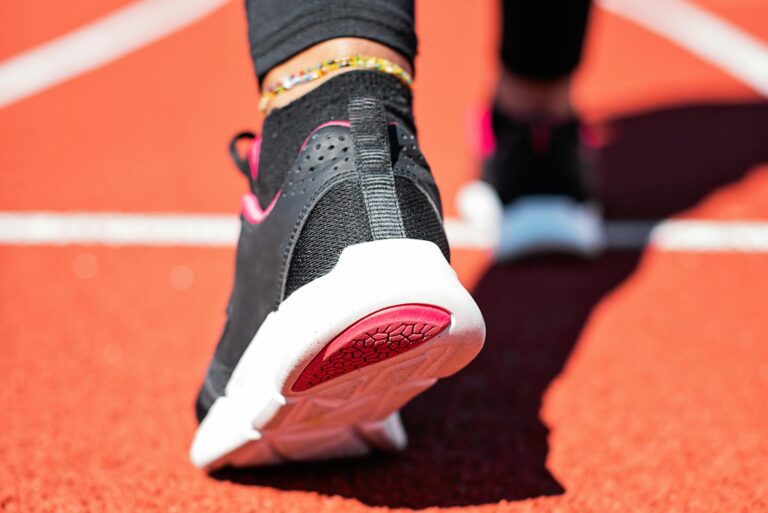
The best running shoes for marathon training runs are daily trainers with substantial cushioning, durable outsoles, and a comfortable fit that can handle 40 to 80 miles per week without breaking down or causing injury. Models like the ASICS Gel-Nimbus, Brooks Glycerin, New Balance Fresh Foam 1080, and Saucony Triumph consistently rank among the top choices because they balance protection with responsiveness across hundreds of training miles. Unlike race-day shoes designed for speed over short distances, marathon training shoes prioritize longevity and comfort, which means slightly more weight in exchange for better shock absorption and materials that maintain their cushioning properties beyond 400 miles. A runner preparing for their first marathon, for example, might be tempted to train in the same carbon-plated super shoes they plan to race in, only to find those shoes lose their pop after 150 miles and provide inadequate support for slow long runs.
The distinction matters because marathon training involves a variety of paces and distances, from recovery jogs to tempo workouts to 20-mile long runs, and no single shoe handles all these demands equally well. This article covers how to identify the right training shoe for your foot type and running style, why rotation matters, what features to prioritize, common fitting mistakes to avoid, and how to know when your shoes have reached the end of their useful life. Beyond individual shoe recommendations, understanding the principles behind good marathon training footwear helps you evaluate new models as they release and make smarter decisions at the running store. The goal is to keep you healthy through months of high-volume training so you arrive at the starting line ready to perform.
Table of Contents
- What Makes a Running Shoe Ideal for Marathon Training?
- Key Features to Look for in Marathon Training Footwear
- How Foot Type Affects Your Marathon Shoe Selection
- Building a Shoe Rotation for Marathon Training
- Common Fitting Mistakes That Derail Marathon Training
- When to Replace Your Marathon Training Shoes
- How to Prepare
- How to Apply This
- Expert Tips
- Conclusion
- Frequently Asked Questions
What Makes a Running Shoe Ideal for Marathon Training?
Marathon training shoes differ from racing flats and track spikes in several fundamental ways that affect both performance and injury risk over accumulated mileage. The primary requirements are adequate midsole cushioning to absorb repetitive impact, a durable outsole that maintains traction and doesn’t wear through prematurely, a stable platform that doesn’t cause excessive pronation or supination, and a fit that remains comfortable when your feet swell during long efforts. Most running shoe manufacturers categorize their lineup into daily trainers, lightweight trainers, and race shoes, with daily trainers being the most appropriate foundation for marathon training blocks. Cushioning technology varies significantly between brands, with ASICS using Gel and FF Blast foam, Brooks employing DNA Loft and Nitro infusion, Nike utilizing ZoomX and React, and Saucony offering PWRRUN and PWRRUN PB materials.
Each provides a different ground feel, ranging from soft and plush to firm and responsive. A runner who prefers feeling the road beneath them might gravitate toward firmer options like the Nike Pegasus, while someone prioritizing maximum protection might choose the heavily cushioned HOKA Bondi or Brooks Glycerin Max. Neither approach is inherently superior; the best choice depends on individual biomechanics, body weight, and training surface. Comparing stack heights illustrates the range available: the ASICS Gel-Nimbus features approximately 41mm of heel cushioning, while the more minimal New Balance FuelCell Rebel offers around 30mm. Higher stack heights generally provide more protection but can reduce ground feel and stability, creating a tradeoff that each runner must evaluate based on their priorities and injury history.

Key Features to Look for in Marathon Training Footwear
When evaluating marathon training shoes, focus on five primary characteristics: midsole durability, heel-to-toe drop, upper breathability, outsole rubber compound, and overall weight. Midsole durability determines how many miles you can extract before the foam compresses and loses its energy return; premium foams like Pebax-based materials (found in Nike ZoomX and Saucony PWRRUN PB) offer excellent responsiveness but tend to break down faster than traditional EVA or TPU compounds. Most daily trainers use a blend of materials to balance responsiveness with longevity, targeting a 400 to 500 mile lifespan. Heel-to-toe drop, measured in millimeters, affects your running posture and which muscle groups absorb the most stress. Traditional running shoes feature 10 to 12mm drops, while more modern designs often use 6 to 8mm drops that encourage a midfoot strike pattern.
However, if you have Achilles tendon issues or tight calves, switching abruptly to a lower drop shoe can exacerbate these problems. Runners transitioning from high-drop to low-drop shoes should do so gradually over several weeks, mixing the new shoes into rotation rather than replacing their current trainers immediately. Upper construction matters more than many runners realize, particularly for those training through summer months or in humid climates. Engineered mesh uppers with strategic perforations keep feet cooler and reduce moisture buildup that leads to blisters. The tradeoff is that highly breathable uppers often sacrifice water resistance, making them less suitable for runners who train in rain or on wet surfaces. Some brands offer Gore-Tex versions of popular models for wet conditions, though these run warmer and cost more.
How Foot Type Affects Your Marathon Shoe Selection
Understanding your foot mechanics helps narrow the field of appropriate training shoes significantly. Runners generally fall into three categories: neutral runners with normal arches who don’t excessively pronate or supinate, overpronators whose feet roll inward during the gait cycle, and supinators (underpronators) whose feet roll outward. Wet footprint tests and gait analysis at specialty running stores can help identify your pattern, though the most accurate assessment comes from a physical therapist or sports medicine professional analyzing slow-motion video of your running form. Overpronators typically benefit from stability shoes featuring medial posts or guide rails that limit inward rolling without completely controlling motion. The Brooks Adrenaline GTS, ASICS Gel-Kayano, and Saucony Guide represent popular stability options with enough cushioning for marathon training volumes.
However, the running shoe industry has moved away from aggressive motion control designs in recent years, with research suggesting that comfort and fit matter more than correcting pronation through rigid shoe structures. A runner with mild overpronation might perform equally well in a neutral shoe that simply fits their foot shape correctly. For example, a 160-pound runner with flat feet and moderate overpronation tried both the stability-focused ASICS Gel-Kayano and the neutral HOKA Clifton during a training block. Despite conventional wisdom suggesting the Kayano would be superior, she experienced fewer issues in the Clifton because its wider platform and rocker geometry naturally reduced overpronation without the firmness of a medial post. This illustrates why trying multiple options and prioritizing comfort often trumps following categorical recommendations.

Building a Shoe Rotation for Marathon Training
Rotating between two or three pairs of training shoes reduces injury risk and extends the lifespan of each individual pair. Research from the Luxembourg Institute of Health found that runners who rotated shoes had 39 percent lower injury rates than single-pair runners, likely because varying the mechanical stresses on feet and legs prevents repetitive strain. A practical marathon training rotation might include a primary cushioned daily trainer for easy runs and long runs, a lighter responsive trainer for tempo workouts and intervals, and potentially a recovery shoe or older pair for very easy days. The investment in multiple shoes pays dividends beyond injury prevention. Allowing shoes 24 to 48 hours between wears lets the midsole foam decompress and recover some of its original responsiveness, meaning each pair effectively lasts longer when rotated.
A runner putting in 50 miles per week in a single pair might need to replace them every eight weeks, while the same mileage split between two pairs could stretch each shoe to 12 or 14 weeks of use. The tradeoff involves upfront cost and storage space. Budget-conscious runners can build a rotation by purchasing previous-year models at discount, which often offer nearly identical performance to current versions at 30 to 50 percent lower prices. Checking clearance sections at running retailers or waiting for end-of-season sales allows you to acquire two pairs for approximately the price of one at full retail. However, if funds only permit one pair, prioritize a versatile daily trainer over a specialized racing shoe, as the daily trainer handles the full range of training better than any other category.
Common Fitting Mistakes That Derail Marathon Training
Buying shoes that are too small represents the most frequent error among marathon trainees, often resulting in black toenails, blisters, and lost training days. Feet swell during running, particularly during long efforts when heat and fluid accumulation can increase foot volume by half a size or more. The standard recommendation is to size up half a size from your casual shoe size and ensure a thumb’s width of space between your longest toe and the end of the shoe when standing. Some runners require a full size up, particularly those with higher-volume feet or who run primarily in hot conditions. Width matters as much as length, yet many runners default to standard width without considering whether their feet actually fit that mold.
Brands vary considerably in their width profiles: New Balance and ASICS tend to run wider, while Nike and Saucony often run narrower. Most major brands offer wide (2E for men, D for women) and extra-wide (4E) options in their popular models, and choosing the appropriate width prevents the lateral pinching and arch cramping that derails workouts. A shoe that feels slightly tight during a five-minute store test will feel unbearable at mile 18 of a long run. Trying shoes at the wrong time of day also leads to fit problems. Testing shoes first thing in the morning when feet are at their smallest doesn’t reflect how they’ll fit during afternoon or evening runs when feet have swelled throughout the day. The warning here: always try running shoes later in the day, wearing the same socks you’ll use during training, and if possible, take them for a test jog rather than just walking around the store.

When to Replace Your Marathon Training Shoes
Most running shoes maintain adequate cushioning and support for 400 to 500 miles, though this varies based on runner weight, running surface, and shoe construction. Heavier runners compress midsole foam faster and may need replacements at 300 to 350 miles, while lighter runners on softer surfaces might extend shoes to 550 or 600 miles. Rather than relying solely on mileage tracking, pay attention to physical signs of wear: visible creasing in the midsole, uneven outsole wear patterns, reduced bounce compared to when the shoes were new, and new aches or pains that weren’t present earlier in the shoe’s life. A practical example: a marathoner training for a fall race began experiencing mild knee pain at week 12 of an 18-week plan. His training log showed 380 miles on his primary trainers.
After switching to a fresh pair, the knee pain resolved within a week, suggesting the worn cushioning was altering his gait enough to create mechanical stress. Had he continued in the degraded shoes, a minor irritation could have become a significant injury requiring time off. The visual appearance of the upper doesn’t reliably indicate shoe condition since the midsole typically degrades before the cosmetic elements show significant wear. Some runners perform a “press test,” pushing a thumb into the midsole to check for compression resistance, though this requires familiarity with how the shoe felt when new. When in doubt, err on the side of earlier replacement; the cost of new shoes is minimal compared to the cost of injury during marathon training.
How to Prepare
- **Analyze your current and past shoes.** Look at wear patterns on your existing running shoes, noting whether the outsole wears more heavily on the inside, outside, or evenly across the heel and forefoot. This reveals tendencies in your gait that influence which shoe categories suit you best.
- **Measure your feet accurately.** Have both feet measured at a running specialty store, as many adults haven’t been measured since adolescence and feet change over time. Note both length and width, and measure later in the day when feet are at their largest.
- **Define your training plan requirements.** Calculate expected weekly mileage, identify key workout types, and consider the surfaces you’ll train on most frequently. A runner doing 60-mile weeks on asphalt has different needs than someone running 40-mile weeks on trails.
- **Research three to five candidate models.** Read reviews from multiple sources, prioritizing feedback from runners with similar body types, paces, and training volumes to your own. Narrow your list before visiting the store to avoid overwhelm.
- **Budget for rotation.** Plan to purchase at least two pairs, either immediately or staggered over your training block. Factor this into your overall marathon preparation budget alongside race entry, travel, and nutrition.
How to Apply This
- **Test multiple options back-to-back.** Try on at least three models that fit your criteria, jogging in each if the store has a treadmill or allows outdoor test runs. Immediate comfort matters more than brand loyalty or appearance.
- **Introduce new shoes gradually.** Start with shorter, easier runs in new shoes, limiting initial outings to 3-4 miles regardless of your current fitness. Increase distance progressively over two weeks before using them for long runs or hard workouts.
- **Track mileage from day one.** Log miles on each pair of shoes in your training app or a simple spreadsheet. This data helps you recognize when shoes approach end-of-life and supports better replacement timing.
- **Reassess at the halfway point.** Around week nine of an eighteen-week plan, evaluate how your shoes are holding up. If your primary pair shows significant wear, introduce a fresh pair to ensure adequate cushioning for the highest-mileage weeks ahead.
Expert Tips
- Choose marathon training shoes based on comfort during a test run rather than technical specifications. No amount of premium foam compensates for a shoe that doesn’t fit your foot correctly.
- Save carbon-plated super shoes for race day and key workouts like tune-up races or goal-pace long runs. Training in them daily accelerates breakdown and diminishes the performance benefit when it matters most.
- Don’t switch to a new shoe model during the final three weeks before your marathon. This period should consolidate training, not introduce new variables that could cause unexpected issues.
- Replace running shoes before a marathon training block begins if your current pair has more than 250 miles on them. This ensures adequate cushioning through the highest-volume training weeks.
- Consider the warranty and return policies at specialty stores. Many allow returns within 30 to 60 days even after outdoor use, providing insurance if a shoe that felt good in-store doesn’t perform during actual training.
Conclusion
Marathon training demands shoes that can absorb punishment across hundreds of miles while protecting your body from the cumulative stress of high-volume running. The best options are cushioned daily trainers from established brands, chosen based on your foot type, gait pattern, and comfort preferences rather than marketing claims or professional athlete endorsements. Building a rotation of two or three shoes, tracking mileage carefully, and replacing worn pairs before they cause problems keeps you healthy through the demanding months of preparation.
The investment in proper footwear pays dividends on race day and beyond. Runners who prioritize shoe selection and maintenance report fewer injuries, more consistent training, and better long-term enjoyment of the sport. Start with a visit to a specialty running store, try multiple options, and commit to treating your shoes as essential equipment rather than an afterthought. Your body will thank you at mile 20 when your legs still feel fresh enough to finish strong.
Frequently Asked Questions
How long does it typically take to see results?
Results vary depending on individual circumstances, but most people begin to see meaningful progress within 4-8 weeks of consistent effort. Patience and persistence are key factors in achieving lasting outcomes.
Is this approach suitable for beginners?
Yes, this approach works well for beginners when implemented gradually. Starting with the fundamentals and building up over time leads to better long-term results than trying to do everything at once.
What are the most common mistakes to avoid?
The most common mistakes include rushing the process, skipping foundational steps, and failing to track progress. Taking a methodical approach and learning from both successes and setbacks leads to better outcomes.
How can I measure my progress effectively?
Set specific, measurable goals at the outset and track relevant metrics regularly. Keep a journal or log to document your journey, and periodically review your progress against your initial objectives.
When should I seek professional help?
Consider consulting a professional if you encounter persistent challenges, need specialized expertise, or want to accelerate your progress. Professional guidance can provide valuable insights and help you avoid costly mistakes.
What resources do you recommend for further learning?
Look for reputable sources in the field, including industry publications, expert blogs, and educational courses. Joining communities of practitioners can also provide valuable peer support and knowledge sharing.