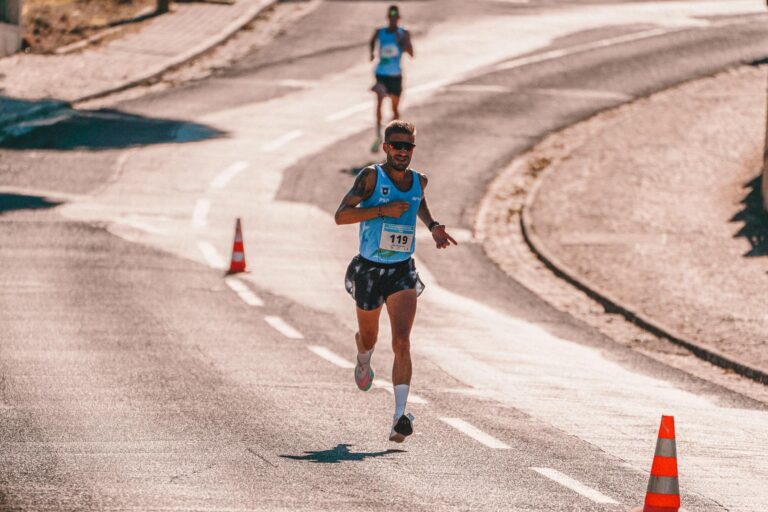
The best 10K training schedule spans 8 to 12 weeks and combines four to five running days per week with strategic rest and cross-training. The core structure should include three essential workout types: interval sessions for speed development, tempo runs at lactate threshold pace, and long runs for endurance. Hal Higdon’s Novice plan offers a proven template with 8 weeks of training featuring 3 run days, 2 cross-training days, and 2 rest days per week, with the longest workout capping out at 5.5 miles. This balanced approach works because the 10K sits at an interesting physiological crossroads, demanding approximately 90 percent aerobic capacity and 10 percent anaerobic output. Consider a runner targeting their first sub-60-minute 10K.
Rather than simply logging miles, an effective schedule would have them running 800-meter repeats on Tuesday, a 25-minute tempo run on Thursday, and a longer easy run on Sunday. This variety trains different energy systems while allowing adequate recovery between hard efforts. The specificity matters because random mileage accumulation without purposeful workouts rarely produces race-day improvement. This article breaks down exactly how to structure your weekly mileage, which workouts deliver the most benefit for different experience levels, and how to incorporate strength training without compromising your running. You will also learn what to expect for finish times based on realistic benchmarks and how to avoid common training mistakes that derail progress.
Table of Contents
- What Makes an Effective 10K Training Schedule?
- Weekly Mileage Guidelines for Different Experience Levels
- Key Workouts That Build 10K Fitness
- Integrating Strength Training Into Your Schedule
- Setting Realistic 10K Time Expectations
- Common Mistakes in 10K Training Plans
- Adapting the Schedule for Weather and Life
- Building Toward Race Day Confidence
- Conclusion
What Makes an Effective 10K Training Schedule?
An effective 10K training schedule balances three physiological demands that running coach Jack Daniels identifies as central to the distance: aerobic power, economy of movement, and lactate threshold. His approach uses a mix of Repetition, Interval, and Threshold running to target each area specifically. Repetition work builds leg speed and running economy through short, fast bursts. Interval sessions develop aerobic power by pushing sustained efforts near maximum oxygen uptake. Threshold runs teach your body to clear lactate more efficiently, which translates directly to holding pace on race day. The weekly structure matters as much as the individual workouts.
Runner’s World recommends building up to 20-25 weekly miles if training three times per week, or 35-40 miles if running five times per week, before starting an 8-week targeted plan. This base-building phase prevents the common mistake of jumping into hard training without adequate preparation. However, if you have been sedentary for several months, you should add 4-6 weeks of easy running before beginning any structured plan. Attempting to compress this timeline often leads to overuse injuries rather than faster race times. Compare two runners of similar ability: one follows a haphazard schedule of running whenever convenient, while the other follows a structured plan with designated easy days, workout days, and rest days. after 8 weeks, the structured runner typically shows measurably better race performance because their training stress accumulates purposefully rather than randomly.

Weekly Mileage Guidelines for Different Experience Levels
Mileage requirements vary dramatically based on your running background and goals. Beginner runners typically train around 30 miles per week during a 10K build-up, though this number can be misleading without context. Intermediate runners often train 15-25 miles per week while running 5-6 times, focusing more on workout quality than pure volume. At the elite level, runners accumulate 100 or more miles weekly, but this volume reflects years of progressive adaptation that recreational runners should not attempt to replicate. The practical question is not how much you can run, but how much productive training stress you can absorb and recover from.
A runner logging 25 quality miles with proper workout distribution will likely outperform someone grinding through 40 junk miles. However, if your goal is simply to finish comfortably rather than race competitively, lower mileage with consistent easy running may serve you better than aggressive speed work. One limitation of mileage-based guidelines is that they ignore individual recovery capacity. A 25-year-old with no injury history handles training loads differently than a 50-year-old returning to running after a decade away. Pay attention to persistent fatigue, declining workout performance, and nagging aches as signals that volume has exceeded your current capacity.
Key Workouts That Build 10K Fitness
Interval training forms the backbone of 10K-specific preparation. Effective sessions include 6-8 repetitions of 1 kilometer at 10K pace, 4-6 repetitions of 1 mile at 10K pace, or 4-5 repetitions of 2 kilometers at 10K pace. For developing raw speed, 800-meter or 1-kilometer repeats at 5K pace or faster help recruit fast-twitch muscle fibers and improve running economy. These workouts should feel controlled but demanding, not all-out sprints that leave you unable to complete the session. Tempo runs develop the lactate threshold that determines how fast you can sustain race pace.
A standard tempo session involves 10-15 minutes of easy warm-up, 10-20 minutes at near race pace, and 5-10 minutes of easy cooldown for a total of 30-40 minutes. The target intensity should feel comfortably hard, a pace you could hold for about an hour in a race setting. Running tempos too fast transforms them into races and compromises recovery for subsequent workouts. Long runs round out the training week by building aerobic endurance and mental resilience. Running every other weekend at a conversational pace for distances slightly beyond race length prepares your body for the sustained effort a 10K demands. For example, a runner targeting a 62-minute 10K might run 7-8 miles at 10:30 pace on their long run days, well slower than race pace but far enough to stress the aerobic system.

Integrating Strength Training Into Your Schedule
Strength training improves running economy by 8-12 percent and reduces injury risk, making it a worthwhile addition despite the extra time commitment. Most coaches recommend 1-2 strength sessions per week, ideally placed on easy running days or immediately following a hard workout when your legs are already fatigued. Exercises targeting glutes, hamstrings, and core musculature address the weak links that often cause running injuries. The tradeoff between strength work and running volume requires honest assessment of your available time and recovery capacity.
A runner with limited training hours faces a choice: add a third speed session or maintain two strength sessions. For injury-prone runners or those over 40, strength work often provides better return on investment than additional running volume. For younger runners with robust connective tissue, maximizing running-specific training may yield faster improvement. A practical approach places one strength session on Wednesday, the day after Tuesday’s interval workout, and one on Saturday following the easy Friday run. This timing keeps hard efforts grouped together and preserves Sunday for the long run and Monday for complete recovery.
Setting Realistic 10K Time Expectations
Average finish times provide useful benchmarks for goal setting. The average male finishes a 10K in approximately 56 minutes, running 9:02 per mile pace. The average female finishes in about 1 hour and 3 minutes at 10:15 per mile pace. Most recreational runners complete the distance somewhere between 45 and 75 minutes, representing an 8:00 to 12:00 per mile pace range. These averages obscure the wide variation within any age group or experience level.
A 45-minute 10K represents a very different achievement for a 22-year-old collegiate runner than for a 55-year-old who started running three years ago. Setting goals based on your own previous performances, rather than population averages, produces more meaningful targets. If your current 5K time is 28 minutes, a reasonable 10K goal would be approximately 58-60 minutes, accounting for the pace reduction inherent in doubling race distance. One warning about finish time goals: obsessing over a specific number can undermine training quality. Runners chasing an arbitrary time sometimes push through injury warnings or skip recovery runs, ultimately arriving at the start line overtrained. A better approach targets consistent training completion, trusting that race-day performance will reflect the work accumulated.

Common Mistakes in 10K Training Plans
The most frequent error is starting too fast in workouts and races alike. When interval sessions become all-out efforts rather than controlled repetitions, cumulative fatigue compromises subsequent training days. Similarly, running easy days too fast prevents the recovery that makes hard days productive. The counterintuitive truth is that slowing down your easy runs often produces faster race times because it allows complete recovery between quality sessions. Neglecting the taper represents another common pitfall.
Many runners, anxious about losing fitness, maintain high training loads through race week. However, reducing volume by 20-30 percent during the final 7-10 days allows your body to fully absorb training adaptations and arrive at the start line fresh rather than fatigued. Skipping the warm-up before speed work invites injury and subpar performance. A proper warm-up of 10-15 minutes of easy jogging followed by dynamic stretches prepares muscles, tendons, and the cardiovascular system for hard effort. Launching directly into fast running with cold muscles frequently causes strains that sideline training for weeks.
Adapting the Schedule for Weather and Life
No training plan survives contact with reality unchanged. Work travel, illness, family obligations, and extreme weather all force modifications. The key principle is protecting your most important workouts, typically the interval session and the long run, while letting easy runs absorb the scheduling pressure.
Missing one easy run rarely affects fitness; missing three consecutive interval sessions noticeably compromises race preparation. For example, a runner facing a heat wave might shift interval work to early morning or an air-conditioned treadmill while skipping the midweek easy run entirely. This adaptation preserves the training stimulus that matters most while acknowledging environmental constraints.
Building Toward Race Day Confidence
The final two weeks of training shift focus from fitness building to race preparation. Your last hard workout should occur 10-12 days before the race, giving your body time to recover while maintaining sharpness. The remaining runs should feel easy, almost too easy, which indicates your taper is working correctly.
Race day success depends on executing the fitness you have built rather than discovering new capabilities. Starting conservatively, even 5-10 seconds per mile slower than goal pace, preserves energy for the second half when most runners slow down. The negative split, running the second half faster than the first, remains the most reliable strategy for achieving your best possible time.
Conclusion
Building an effective 10K training schedule requires balancing workout variety, appropriate mileage, and adequate recovery within an 8-12 week framework. The combination of interval sessions, tempo runs, and long runs addresses the specific physiological demands of a distance that requires both speed and endurance. Adding one to two strength sessions weekly further improves running economy and injury resistance.
Your next step is selecting a plan that matches your current fitness and available training time. Beginners should start with a novice program featuring three running days per week, while experienced runners can handle five to six days with higher intensity. Whatever plan you choose, consistency matters more than perfection. Completing 90 percent of your scheduled workouts with good quality beats sporadic brilliant efforts followed by missed weeks.