The 12-3-30 workout is a straightforward treadmill routine that combines a 12% incline, 3 miles per hour walking speed, and a 30-minute duration. Created by Lauren Giraldo and first shared on YouTube in 2019, this simple formula gained massive viral popularity on TikTok in 2020, attracting millions of people looking for a low-impact cardio option that doesn’t feel like grueling exercise. Unlike high-intensity interval training or demanding running programs, the 12-3-30 feels accessible—you’re walking, not sprinting—yet research shows it delivers real metabolic benefits that might surprise you.
The appeal lies in its simplicity and practicality. You don’t need to be a runner or have special fitness equipment beyond a treadmill. A 55-year-old accountant can do it just as well as a 25-year-old fitness enthusiast, and both will experience genuine cardiovascular and fat-burning benefits. What makes it worth paying attention to isn’t hype—it’s that a 2025 study published in the International Journal of Exercise Science found this specific combination burns about 220 calories per session on average, with participants typically ranging from 200 to 400 calories depending on body weight and fitness level.
Table of Contents
- What Exactly Is the 12-3-30 Workout and How Did It Become Popular?
- How Many Calories Does the 12-3-30 Workout Actually Burn?
- Understanding the Heart Rate and Intensity Level During 12-3-30
- How to Perform the 12-3-30 Workout Correctly
- What About Fat Burning Versus Other Cardio Methods?
- Comparing 12-3-30 to Other Incline and Cardio Methods
- Building Long-Term Results and Realistic Expectations
- Conclusion
What Exactly Is the 12-3-30 Workout and How Did It Become Popular?
The numbers tell the whole story: you set your treadmill to a 12% incline, walk at 3 miles per hour, and maintain that pace for 30 minutes. That’s it. No complicated intervals, no equipment changes, no app tracking required. The formula emerged from Lauren Giraldo’s personal fitness journey and gained traction because it actually works without demanding an athletic mindset.
Before TikTok amplified it in 2020, the workout existed as a genuine fitness tool used by people who wanted reliable, repeatable results. The viral spread wasn’t accidental. The workout checks several boxes that make content shareable: it’s simple enough to explain in a 15-second video, unusual enough to seem novel (most people don’t think about specifically combining these three numbers), and genuinely effective enough that people who try it actually see results. Fitness creators, personal trainers, and regular gym-goers began sharing before-and-after transformations. Unlike trendy workouts that fade quickly, the 12-3-30 stuck around because the underlying physiology works—moderate-intensity steady-state exercise produces measurable changes in body composition and cardiovascular function.

How Many Calories Does the 12-3-30 Workout Actually Burn?
Research from a 2025 study measured real-world calorie expenditure during the 12-3-30 workout and found an average burn of 220 calories per 30-minute session. However, individual variation matters significantly. Your body weight is the primary factor—a 180-pound person will burn more calories than a 140-pound person doing the identical workout. Other variables include your current fitness level, age, and metabolic rate.
The study found most participants fell somewhere in a 200 to 400-calorie range per session, meaning two people doing the exact same workout might burn quite differently. one important limitation: this 2025 research measured the acute metabolic response of a single workout session using a small sample of 16 participants. It showed what happens during that 30 minutes on the treadmill, not what happens to your body composition over months or years. The study also didn’t track long-term weight loss outcomes or sustained fitness improvements. This matters because many people adopt the 12-3-30 expecting dramatic weight loss, but a 220-calorie burn is just one piece of the equation—diet, overall activity level, and consistency across weeks and months determine real fat loss.
Understanding the Heart Rate and Intensity Level During 12-3-30
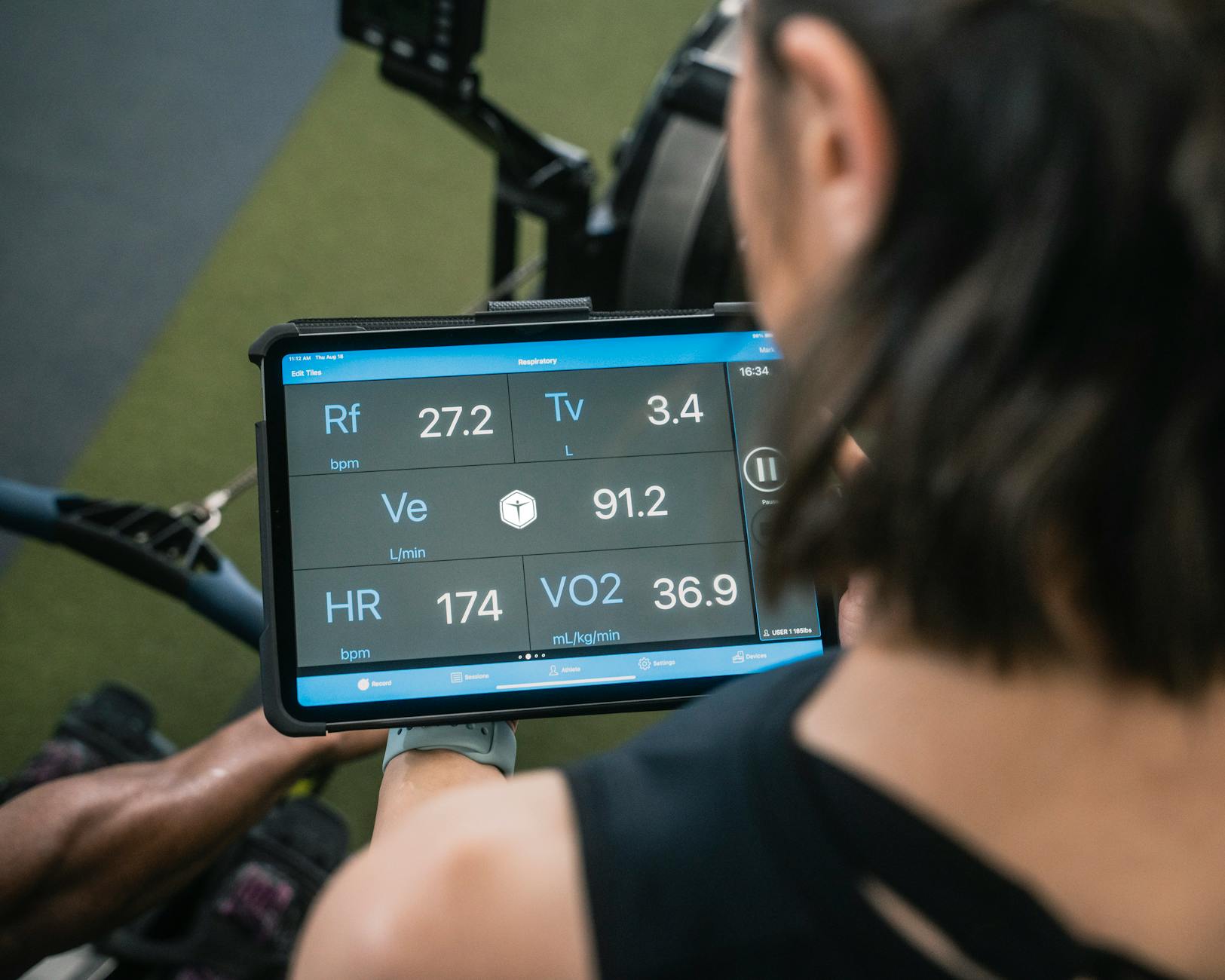
The 12-3-30 workout produces an average heart rate of 124 beats per minute, which falls squarely into moderate-intensity exercise territory. That’s neither light cardio (where you could easily hold a conversation) nor high-intensity work (where speaking in full sentences becomes difficult). At 124 BPM, most people can maintain a conversation in short bursts, and the effort feels sustainable. You’re not gasping for air or feeling like you’re pushing to your absolute limit.
This moderate intensity is actually an advantage. High-intensity workouts are effective, but they’re harder to sustain consistently and carry greater injury risk. The 12-3-30 operates in the sweet spot where you can repeat it daily without overtraining, burning meaningful calories without the joint pounding of running. If you’ve ever felt intimidated by boot camp-style fitness, the 12-3-30 proves you don’t need to be suffering intensely to make progress. That said, moderate intensity also means results come gradually—you won’t transform your fitness level in two weeks, but you will see measurable progress over eight to twelve weeks of consistent effort.
How to Perform the 12-3-30 Workout Correctly
Begin by setting your treadmill incline to 12 percent. That specific incline matters—it’s steep enough to meaningfully elevate your heart rate and engage your glutes and hamstrings without feeling like climbing a mountain. Set the walking speed to 3 miles per hour. If you’re new to incline walking, this speed might feel slower than your normal pace, but the incline compensates by making every step significantly more demanding. Step on the treadmill, start the timer, and walk for 30 minutes straight without stopping. The practical reality differs from what social media might suggest.
Many people try the 12-3-30 for the first time and discover that their legs burn more than expected by minute 15. Your glute muscles work harder on inclines than on flat ground, and that sensation—while not painful—can feel unfamiliar. The smart approach: don’t jump in expecting to complete all 30 minutes perfectly. Some people start with 15 minutes and build up over two weeks. Others reduce the incline to 10 percent for their first week, then progress to 12 percent. The goal is consistency, not proving you can suffer through an uncomfortable first session. Once you adapt, which typically happens within three to five workouts, 30 minutes becomes genuinely manageable.
What About Fat Burning Versus Other Cardio Methods?
Here’s where the 12-3-30 shows a real advantage: it burns a higher proportion of energy from fat compared to faster-paced running. The 2025 study found that during the 12-3-30 workout, 41 percent of the energy burned came from fat stores. By comparison, during self-paced running, only 33 percent of energy came from fat—the remaining calories came from carbohydrates. This doesn’t mean running is inferior; it means the 12-3-30 is metabolically efficient at fat utilization.
However, important context: running burns more total calories per minute than the 12-3-30 walk. If your sole goal is maximum calorie burn in minimum time, running is more efficient. If you’re interested in specifically targeting fat as a fuel source or need a lower-impact option that your joints can handle, the 12-3-30 excels. The limitation is that one study measured the metabolic response during the actual 30-minute session, not the hours after exercise or whether this particular fuel preference translates to greater fat loss over months of training. Your body’s adaptation to consistent training is more complex than any single workout measurement.
Comparing 12-3-30 to Other Incline and Cardio Methods
The 12-3-30 sits somewhere between gentle walking and serious running in terms of intensity and impact. A completely flat treadmill walk at a normal pace (around 3 to 3.5 mph) burns significantly fewer calories because your muscles aren’t working as hard against gravity. High-intensity interval training (HIIT) burns more calories per minute but is unsustainable for 30 consecutive minutes for most people and carries injury risk. The 12-3-30 occupies a practical middle ground where you can do it regularly without overdoing it.
For people with joint issues or those recovering from injury, incline walking offers advantages that running doesn’t. The slower speed means less impact stress on knees and ankles. The incline strengthens glute muscles without explosive movements. People who’ve avoided cardio because of joint pain often find they can tolerate the 12-3-30 consistently, which is more valuable than occasional high-intensity sessions they can’t sustain. Of course, 12-3-30 isn’t appropriate for everyone—certain knee conditions or ankle problems might require even gentler movement.
Building Long-Term Results and Realistic Expectations
The 12-3-30 works best as part of a consistent routine, not a one-time experiment. People who see genuine results typically have done this workout three to five times per week for at least eight weeks. At that consistency level, the cumulative calorie burn adds up meaningfully, and your cardiovascular system adapts—your resting heart rate decreases, the workout feels less difficult, and your endurance improves. One session burns 220 calories; forty sessions over three months creates a genuine energy deficit if your diet supports it.
The future of incline walking in fitness culture likely involves less viral hype and more recognition of it as a legitimate, sustainable tool for building fitness. Unlike trendy workouts that flame out, the 12-3-30 has the advantage of being simple enough to become a permanent part of someone’s routine. Someone might do it three times weekly for years without boredom because the focus is internal—watching your fitness improve, feeling stronger—rather than pursuing novelty. That staying power distinguishes it from most fitness trends.
Conclusion
The 12-3-30 workout is a straightforward, research-backed approach to cardio exercise that delivers real results without requiring athleticism, special ability, or extreme effort. The specific combination of 12% incline, 3 mph speed, and 30 minutes works because it hits a metabolic sweet spot: moderate enough to be sustainable, intense enough to produce measurable change. For people looking to add consistent cardio without high impact, joint stress, or complicated workout programs, this formula offers genuine value.
Start by committing to one week of trying it three times and assessing how your body responds. If incline walking works for you and you enjoy the simplicity, consistency across months will deliver the results the science suggests is possible. The 12-3-30 won’t revolutionize your fitness overnight, but it might be exactly the tool that fits into your actual life in a way that gym-intensive programs don’t.