The approach that keeps you running consistently longer is the one you can sustain with minimal effort. Research on behavior change reveals a counterintuitive truth: your most ambitious transformation plan is likely to fail, while the small, unsexy habit you barely notice will outlast it by years. The difference isn’t motivation or willpower—it’s choosing an approach that fits your actual life, not your idealized version of yourself. When it comes to fitness sustainability, less ambitious almost always means longer-lasting, because the behaviors that require the least energy are the ones your brain actually adopts as permanent.
A runner who adds one extra 20-minute easy run to their week has a far better chance of still running in three years than someone who overhauls their entire training program overnight. This isn’t pessimism; it’s backed by research into how habits actually form and stick. The global sustainable market—whether products or practices—reveals that consistency, not perfection, drives real change. Less than 10 percent of people who set resolutions achieve them, primarily because they abandon consistency within the first few months. But those who build incrementally? They’re still there years later.
Table of Contents
- Why Ambitious Running Goals Fail in Months
- The Spillover Effect Doesn’t Work in Running
- The Power of Low-Effort Consistency
- Starting Small vs. Starting Ambitious—The Long Game
- Why Your Running Sustainability Plan Will Fail If It’s Too Detailed
- The Consumer Skepticism Principle Applied to Your Running Plan
- What 2026 Sustainability Teaches About Running
- Conclusion
Why Ambitious Running Goals Fail in Months
The moment someone decides to become “a runner,” they often envision running five days a week at faster paces, completely revamping their diet, and hitting every workout perfectly. These comprehensive overhauls activate what researchers call the all-or-nothing response, where a single missed workout or slow run feels like failure and becomes the reason to quit entirely. Studies on consumer behavior show that people are willing to commit to sustainable changes—72 percent of consumers globally say they’d pay more for sustainable products or practices—but that willingness collapses when the practice demands too much energy. The research on habit formation provides the clearest explanation for this gap.
Simple habits become automatic in about 18 days, while complex behaviors take up to 254 days, with most health-related habits requiring around 66 days on average to stick. But here’s the critical detail: those timelines apply to habits built at sustainable intensity. When you try to build multiple complex habits simultaneously—running three times weekly, doing strength training, changing sleep schedules, overhauling nutrition—you’re not accelerating the timeline; you’re destabilizing it. The brain prioritizes consistency in individual behaviors, not versatility across different ones. A runner who adds one new run and does nothing else for two months is building genuine habit; a runner trying to overhaul everything simultaneously is building fragility.

The Spillover Effect Doesn’t Work in Running
Many runners expect that once they establish a solid running habit, other improvements will follow automatically. They think consistent running will create spillover effects: better diet, more sleep, stronger motivation for cross-training. The evidence suggests otherwise. Research on sustainable behaviors found something surprising—when people maintain one sustainable behavior consistently, that same behavior often continues years later, but different sustainable behaviors generally don’t create spillover effects. A runner who sticks with easy running doesn’t automatically improve their diet; they simply keep running. This matters because it reshapes how you should approach improvement.
Instead of treating your running as a foundation for total life transformation, treat it as its own isolated goal. Build your running consistency first—nothing else attached. Once that’s truly automatic, which the research suggests takes around two to three months minimum, only then layer in the next behavior. The limitation of waiting this long is obvious: your total transformation takes longer. But the advantage is that each layer actually sticks. A runner working through this sequential approach might not look as dramatically changed six months in, but they’re far more likely to actually run at year three than someone who tried to do everything at once.
The Power of Low-Effort Consistency
The most consistent sustainable behaviors across decades are the simplest ones: energy conservation, water conservation, and recycling. These aren’t the most impactful, most advanced, or most impressive practices. They’re simply the easiest to maintain. The same principle applies to running consistency. An easy pace run that takes 25 minutes and requires nothing but shoes is vastly more sustainable than a complex interval workout requiring specific weather, heart-rate zones, and careful pacing. Yet many runners chase the complex because it feels more serious, more real, more productive. Dr.
B.J. Fogg’s research on behavior change confirms this: successful habit development starts small and builds over time, with less effortful behaviors much more likely to become lasting habits. For a runner, this means your baseline might be a single 20-minute run once weekly at comfortable pace. That’s not a training program; it’s an anchor. Once that’s truly automatic—when you do it without negotiating with yourself—then you add the second consistency. This incremental approach feels glacially slow when you’re reading articles about training for 10K races or marathons. But most runners hitting that slow start are still running years later. The ambitious transformers have quit.
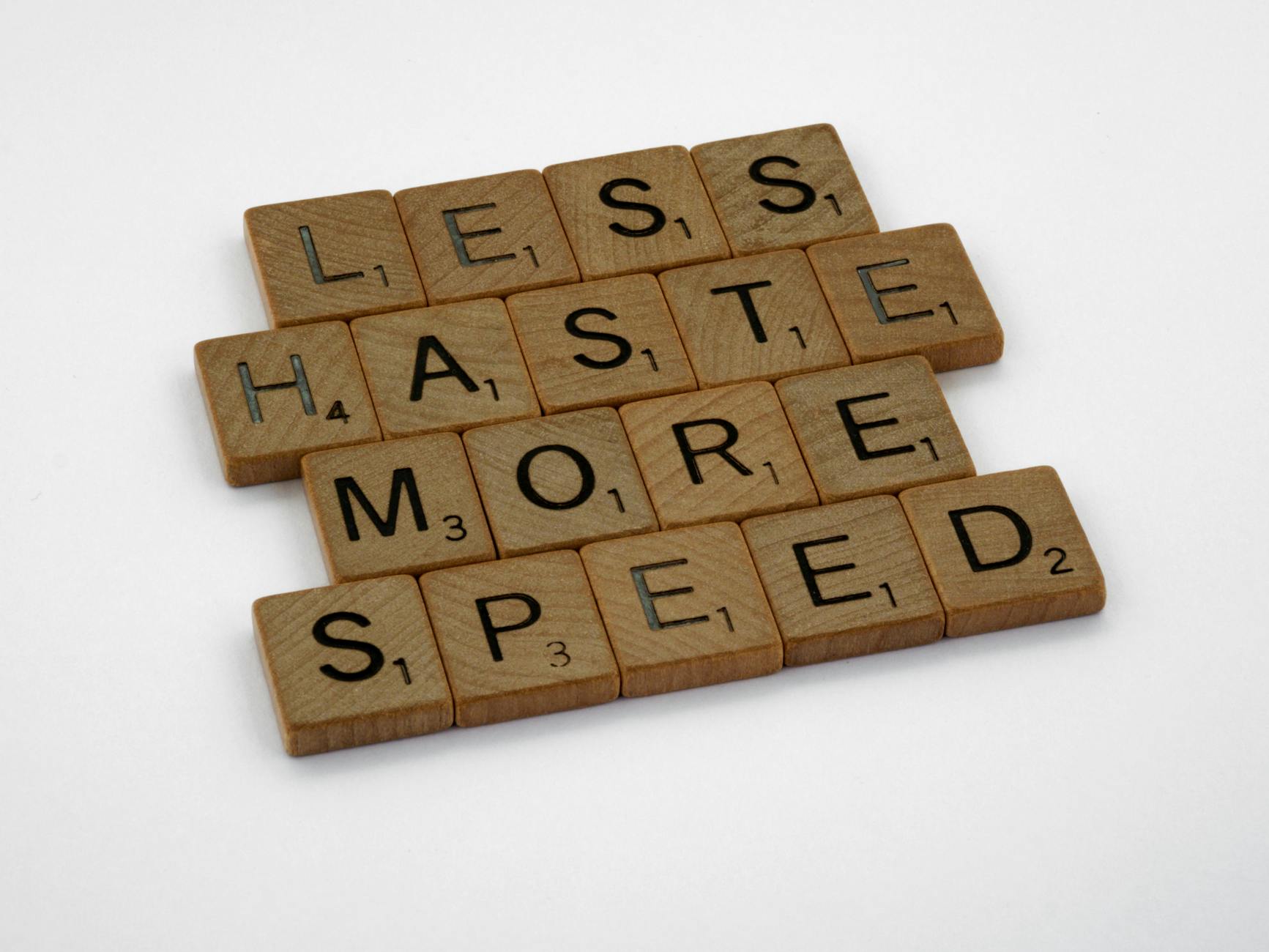
Starting Small vs. Starting Ambitious—The Long Game
A specific comparison reveals the difference. Runner A decides in January to run four times weekly, add strength training twice weekly, implement nutrition tracking, and commit to a race in six months. Runner A feels motivated and energized for three weeks. By week six, something breaks—life gets busy, a run feels hard, motivation dips—and the whole structure collapses. Runner A quits. Runner B decides in January to run 25 minutes once weekly, easy pace, no other changes. It feels almost insultingly simple. But week after week, it happens. By March, it’s automatic. In April, Runner B adds a second run.
By June, that’s automatic too. In September, when something stressful happens at work, Runner B still runs because the habit is deep now. A year later, Runner B is running twice weekly consistently and just added a third run. Runner B looks slower than where Runner A wanted to be, but Runner B is actually out there doing it. The tradeoff is patience—Runner B’s progress looks glacial early on. The payoff is durability. This approach aligns with what behavioral researchers see in the data: when people commit to smaller, incremental changes, adherence rates are substantially higher. The challenge is that smaller doesn’t feel like you’re doing enough. It doesn’t match the narrative of fitness transformation you see in magazines or social media. But that narrative is showing you survivorship bias—the tiny percentage who stuck with it, not the 90 percent who didn’t.
Why Your Running Sustainability Plan Will Fail If It’s Too Detailed
The 2026 sustainability outlook identifies a critical shift: credibility now rests on demonstrable progress rather than stated intent. In running terms, this means your actual weekly runs matter far more than your impressive training plan. Yet most runners create plans that are beautifully detailed and utterly fragile—they specify exact paces for easy runs, specific workout structures, targeted mileage increases, and unforgiving schedules. When life interrupts (which it always does), the plan breaks, and runners abandon consistency entirely. A warning here: the more complicated your running system, the more easily it collapses when one variable fails.
If your plan requires running at 7:30 AM before work, you miss three days when your schedule shifts, and suddenly the whole month feels derailed. If your plan specifies exact pace ranges, a single “bad” run feels like failure. The sustainable approach is deliberately simple—run when you can, easy pace, whatever distance you complete is the distance you run. This feels like you’re cheating your own training. You’re not. You’re building the one thing that actually matters: the habit of running, consistently, for years.

The Consumer Skepticism Principle Applied to Your Running Plan
Consumer skepticism is rising in 2026 because people respond most favorably to clear, verified evidence rather than aspirational marketing. Apply this to your own running plan. Instead of creating an elaborate scheme and hoping it sticks, start with something so simple you can point to concrete evidence after one month. “I ran 25 minutes every Saturday for four weeks straight.” That’s verification. That’s real.
That builds confidence in the next increment. Compare this to the ambitious approach: “I’m running four times weekly at specific paces with periodized training.” Month two hits and you’ve missed six workouts, hitting the plan maybe 50 percent. You’re demoralized. With the simple approach, you hit 95 percent consistency, and your brain learns that you’re someone who runs. Over time, that identity shift matters more than any specific training detail.
What 2026 Sustainability Teaches About Running
The broader shift in 2026 sustainability trends—moving from ambition to impact, from stated intent to demonstrated progress—applies directly to how you should approach running. Mandatory disclosure standards now require proof of actual change, not intentions. For your running, this means your real weekly volume matters more than your goal weekly volume.
Five weeks of genuinely running once weekly is more valuable than two weeks of running four times followed by six weeks of nothing. Looking forward, the runners who’ll be training successfully in 2030 aren’t the ones making dramatic resolutions now. They’re the ones building stupidly small habits that feel almost too easy. That approach—incrementalism, demonstrated through repeated small actions, adjusted when life gets messy—is what evidence says actually lasts.
Conclusion
The approach that keeps you running consistently longer is the one that expects your real life, not your ideal life, to show up. Small, low-effort behaviors that you can maintain through any circumstance will compound into genuine fitness over years. Starting with one 25-minute run weekly and adding incrementally every eight to twelve weeks doesn’t sound ambitious enough. It is. It’s the ambition that actually gets run.
Your next step is simple: identify the single running behavior you can maintain even in your worst week. That’s your starting point. Everything else layers on after that becomes automatic. You’re not building a training plan; you’re building a habit. The research is clear on what survives: simplicity, consistency, and patience.