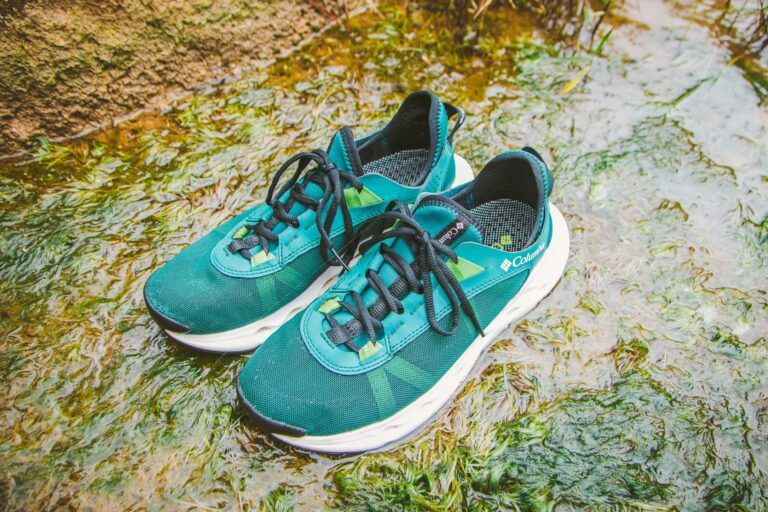
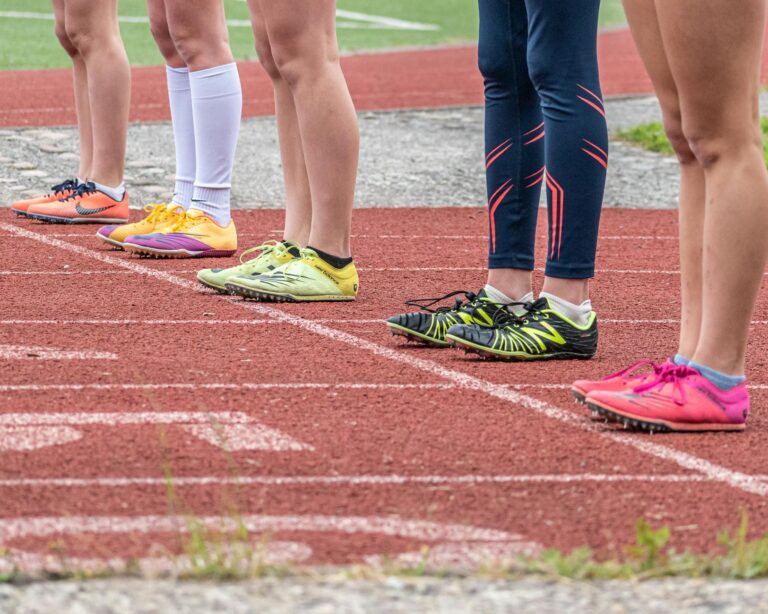
The shoes that make 7-mile runs feel easier share three essential characteristics: responsive foam midsoles that return energy with each stride, a weight under 10 ounces that reduces cumulative leg fatigue, and a heel-to-toe drop between 8-12mm that promotes efficient forward momentum. Modern running shoes from brands like Nike, Brooks, Saucony, and ASICS have incorporated nitrogen-infused foams and carbon-fiber plates that genuinely reduce the metabolic cost of running, meaning your body expends less energy to maintain the same pace. A runner who previously finished a 7-mile training run feeling depleted might find that switching from a traditional foam shoe to one with Nike’s ZoomX or Saucony’s PWRRUN PB technology leaves them with noticeably more energy in reserve. Beyond the midsole technology, the upper construction and outsole design play supporting roles in comfort over longer distances. A well-designed upper uses engineered mesh that ventilates while providing lockdown, preventing the foot slippage that creates hot spots and blisters around mile five.
The outsole should offer enough grip for varied surfaces without adding unnecessary weight. This article covers how cushioning technologies differ, what heel drop means for your running economy, how to match shoe features to your foot type, and the realistic tradeoffs between maximalist and lightweight racing designs that can make your medium-distance runs more sustainable. Finding the right shoe often requires some trial and error, and what works brilliantly for one runner may feel awkward for another. A colleague of mine swore by heavily cushioned Hoka shoes for years, only to discover that a firmer, more responsive Brooks Hyperion felt better for her 7-mile tempo runs because the ground feedback helped her maintain cadence. The key is understanding which features matter most for your running style, injury history, and the surfaces where you typically train.
Table of Contents
- What Makes a Running Shoe Feel Easier Over 7 Miles?
- Cushioning Technologies That Reduce Mid-Run Fatigue
- How Heel Drop Affects Your 7-Mile Running Economy
- Matching Shoe Features to Your Foot Type and Gait
- Maximalist Versus Racing Flats: Which Makes Longer Runs Easier?
- When Running Shoe Technology Cannot Solve Your Problems
- Breaking In New Running Shoes Properly
- How to Prepare
- How to Apply This
- Expert Tips
- Conclusion
- Frequently Asked Questions
What Makes a Running Shoe Feel Easier Over 7 Miles?
The sensation of effort during a 7-mile run depends largely on how efficiently the shoe returns energy and how well it protects against cumulative impact stress. Research published in the Journal of Sports Sciences has shown that highly cushioned shoes with energy-return properties can reduce the oxygen cost of running by 1-3 percent, which translates to feeling fresher in the final miles. This energy return happens when the midsole foam compresses under your body weight and then rebounds, essentially giving you a small push forward with each step. Over approximately 10,000 steps in a 7-mile run, these micro-assists accumulate into meaningful fatigue reduction. Weight matters more than many recreational runners realize. Every 100 grams of shoe weight requires roughly 1 percent more energy expenditure, according to biomechanics research.
For a 7-mile run, this means choosing a 9-ounce shoe over a 12-ounce shoe could leave your legs feeling noticeably less tired at the finish. However, the lightest shoes often sacrifice cushioning and durability, so the goal is finding the optimal balance for your body weight and running surface. A 180-pound runner on concrete probably needs more cushioning than a 130-pound runner on softer trails, even if it means carrying slightly more shoe weight. The geometry of the shoe also influences perceived effort. The heel-to-toe drop, the rocker profile, and the stack height work together to influence how your foot moves through the gait cycle. Shoes with a pronounced forefoot rocker, like the ASICS Metaspeed Sky or New Balance FuelCell SuperComp, encourage a rolling motion that can make turnover feel more automatic. Some runners describe this as the shoe “wanting to go forward,” which reduces the mental effort of maintaining pace during the middle miles when motivation often dips.
Cushioning Technologies That Reduce Mid-Run Fatigue
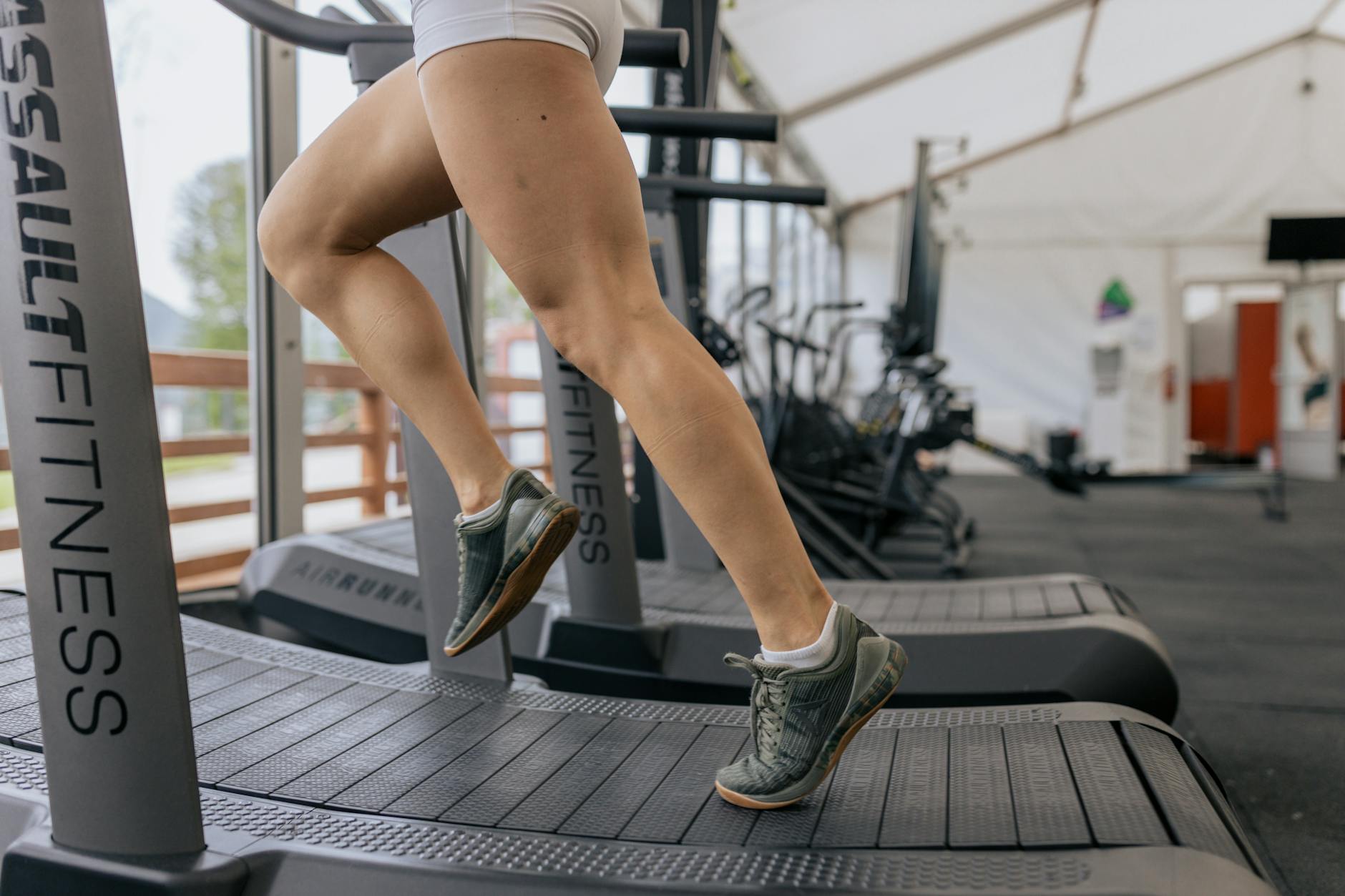
The foam technology inside a running shoe matters more than almost any other factor for runs of 7 miles and beyond. Traditional EVA foam compresses over time and distance, meaning the shoe that felt great at mile one may feel flat and dead by mile six. Modern super-foams like Puma’s Nitro Elite, Adidas Lightstrike Pro, and New Balance FuelCell address this by maintaining their responsiveness throughout the run. These materials achieve energy return rates between 70-87 percent, compared to roughly 50-60 percent for standard EVA, which creates a measurable difference in leg freshness. The placement and density of cushioning also matters for 7-mile runs. Shoes designed for longer distances typically feature graduated density foam that’s softer in the heel for initial impact absorption and firmer in the forefoot for push-off efficiency.
For example, the Brooks Glycerin 21 uses DNA LOFT v3 foam throughout but shapes it to provide more give under the heel while maintaining springiness at the toe. This design acknowledges that heel strikers need different protection than forefoot strikers, though both benefit from a responsive toe-off zone. However, if you run primarily on soft surfaces like grass, trails, or rubberized tracks, heavily cushioned shoes may actually work against you. The soft ground already absorbs impact, and adding maximal cushioning can create an unstable, energy-sapping platform. In these cases, a moderately cushioned shoe with better ground contact, like the Nike Pegasus or Saucony Ride, often feels easier over 7 miles than a heavily stacked option. The key is matching your shoe’s cushioning to your running environment, not simply choosing the maximum available protection.
How Heel Drop Affects Your 7-Mile Running Economy
Heel drop, measured in millimeters between the heel and forefoot stack heights, influences which muscles do the most work during your run. Higher-drop shoes (10-12mm) shift stress toward the knees and quadriceps, while lower-drop shoes (0-6mm) increase demand on the calves and Achilles tendon. Neither is inherently better, but for 7-mile runs where fatigue accumulates, choosing a drop that matches your natural gait pattern reduces unnecessary strain. Most recreational runners who heel strike comfortably will find 8-12mm drops feel easiest, while runners who naturally land midfoot often prefer 4-8mm. The transition to a different heel drop must happen gradually, or what’s meant to make runs easier will instead create new problems. A runner moving from 12mm training shoes to 4mm minimalist shoes risks Achilles tendinitis or calf strains because those tissues suddenly bear loads they’re not conditioned to handle.
The safe approach is changing by no more than 4mm at a time and limiting initial runs in new drops to 2-3 miles, building up over several weeks. Attempting a 7-mile run in dramatically different shoes without this adaptation period is a common source of overuse injuries. Some runners rotate between different heel drops to distribute stress across various muscle groups and connective tissues. This strategy can make 7-mile runs feel sustainable over months of training by preventing any single structure from becoming overworked. For example, using a 10mm shoe for easy long runs and a 6mm shoe for tempo work varies the loading pattern while allowing each run to feel appropriate for its purpose. The downside is the cost and complexity of maintaining multiple pairs, but many serious recreational runners find the injury prevention worth the investment.

Matching Shoe Features to Your Foot Type and Gait
Pronation control remains relevant despite the running shoe industry’s shift toward neutral shoes with cushioning-based solutions. If you significantly overpronate, rolling inward excessively at midstance, even the most technologically advanced neutral shoe may feel uncomfortable or unstable over 7 miles. Stability shoes with medial posts or guide rails, like the ASICS GT-2000 or Brooks Adrenaline GTS, provide corrective support that keeps the foot aligned without requiring muscular effort. For runners who need this support, the efficiency gains from proper alignment far outweigh any energy lost to the slightly heavier shoe weight. Foot width is often overlooked but profoundly affects comfort on longer runs. Standard running shoes are built on D-width lasts for men and B-width for women, but many runners have wider forefeet, higher insteps, or narrower heels that create fit problems.
Over 7 miles, a too-narrow toe box compresses the metatarsals and can cause numbness, while a too-wide heel allows slippage that creates blisters. Brands like Altra and Topo Athletic specialize in foot-shaped toe boxes, while New Balance and Brooks offer extensive width options in most models. Getting a proper fit evaluation at a specialty running store, where staff observe your gait and measure both feet, often reveals sizing issues you didn’t know existed. Your arch height influences how you load the plantar fascia and how much midsole support you need. High arches typically require more cushioning because the foot doesn’t naturally flex to absorb shock, while flat feet benefit from shoes that provide structural support without excessive softness that allows collapse. A runner with high arches might find that a heavily cushioned Hoka Bondi helps distribute pressure over 7 miles, whereas the same shoe might feel unsteady to a flat-footed runner who needs the control of a motion-control design like the Brooks Beast or ASICS Gel-Kayano.
Maximalist Versus Racing Flats: Which Makes Longer Runs Easier?
The rise of super shoes has blurred the traditional line between racing flats and daily trainers, creating a category of shoes with both maximal cushioning and responsive plates. Shoes like the Nike Vaporfly, Saucony Endorphin Pro, and ASICS Metaspeed contain carbon-fiber or nylon plates embedded in thick foam stacks, providing the comfort for 7 miles with the propulsion usually reserved for race day. Studies have consistently shown these designs reduce the metabolic cost of running by 4-5 percent compared to traditional racing flats, making distance runs feel measurably easier. However, the tradeoff involves durability and cost. Most plate-based super shoes last 200-300 miles before the foam loses its responsiveness, compared to 400-500 miles for conventional trainers. At prices often exceeding $200, using super shoes for regular 7-mile training runs becomes expensive quickly.
Many runners compromise by using super shoes for their quality workouts and races while doing easier volume in more durable daily trainers. This approach preserves the responsive foam for runs where it matters most while keeping training budgets reasonable. Traditional maximalist shoes without plates offer another option. The Hoka Mach series, Brooks Ghost Max, and New Balance Fresh Foam More provide generous cushioning and decent energy return without the stiffness of plated designs. These shoes typically cost $20-50 less than super shoes, last longer, and feel more natural underfoot for runners who prefer flexibility over rigidity. For 7-mile easy runs at conversational pace, this category often represents the best combination of comfort, durability, and value, even if it lacks the top-end performance of plate shoes.
When Running Shoe Technology Cannot Solve Your Problems
No shoe can compensate for inadequate training, poor pacing, or biomechanical issues that require professional intervention. A runner who attempts 7 miles without building appropriate base mileage will struggle regardless of footwear technology. Similarly, underlying problems like leg length discrepancy, hip weakness, or running form flaws create discomfort that even the most advanced foam cannot eliminate. Before investing heavily in new shoes, honestly assess whether your training is appropriate and whether you might benefit from gait analysis or physical therapy. Shoe companies market their technology aggressively, but independent testing often reveals smaller differences between products than advertisements suggest.
The difference between mid-tier and top-tier shoes from the same brand is frequently marginal, while individual fit and preference create larger variations in comfort. A $130 shoe that fits your foot well will almost certainly make 7 miles feel easier than a $250 shoe that doesn’t match your mechanics. Focus on finding shoes that work for your specific needs rather than chasing the latest technology or most expensive option. Additionally, shoes have a lifespan, and continuing to run in worn-out shoes negates any technological advantages they once offered. Midsole foam loses its responsiveness long before the outsole shows visible wear, typically around 300-500 miles depending on the model, your weight, and running surface. Tracking your shoe mileage and replacing them proactively prevents the gradual decline in comfort that makes every 7-mile run feel progressively harder.
Breaking In New Running Shoes Properly
Transitioning to new shoes, even the same model you’ve worn before, requires a brief adaptation period. Foam materials need time to settle and conform slightly to your foot mechanics, while your feet need time to adjust to any differences in fit or feel. Running 7 miles immediately in brand-new shoes risks blisters from unbroken-in uppers or unexpected discomfort from subtle geometry changes between model years. Starting with shorter runs of 2-4 miles for the first week allows both the shoes and your feet to adapt gradually.
One runner I know ignored this advice and wore new ASICS Gel-Nimbus for a 10-mile long run the day after purchase. Despite the shoes fitting perfectly in the store, she developed significant heel blisters because the heel counter hadn’t softened yet and created friction on her skin. Two weeks later, the same shoes became her most comfortable training pair once they had molded to her stride. The lesson: even perfect shoes need break-in time, and patience during the first few runs prevents setbacks that can derail training.
How to Prepare
- **Assess your current shoes and running patterns.** Document how many miles are on your existing shoes, where you experience discomfort during runs, and what surfaces you primarily run on. This baseline helps identify whether you need more cushioning, different support, or simply fresh shoes.
- **Get professionally fitted at a specialty running store.** Staff can measure your feet, observe your gait on a treadmill, and recommend shoes based on your mechanics rather than marketing. This step often reveals fit issues or pronation patterns you weren’t aware of.
- **Test multiple options before committing.** Many running stores offer return policies that allow testing shoes on actual runs, not just treadmill demonstrations. Take advantage of these policies to run 3-4 miles in candidate shoes before purchasing.
- **Build your mileage appropriately.** No shoe makes 7 miles feel easy if your body isn’t prepared for the distance. Follow a gradual progression that increases weekly mileage by no more than 10 percent, allowing your musculoskeletal system to adapt alongside your cardiovascular fitness.
- **Introduce new shoes gradually.** Alternate between your old and new shoes for the first 2-3 weeks, keeping initial runs in new shoes shorter than your target distance. A common mistake is wearing new shoes for an important workout before confirming they work for you.
How to Apply This
- **Narrow your search by category before comparing models.** Decide whether you need stability or neutral, daily trainer or racing shoe, high cushion or moderate cushion. This prevents the paralysis of comparing fundamentally different shoe types.
- **Prioritize fit over technology.** When trying on shoes, check for adequate toe box room (about a thumb’s width from longest toe to end), secure heel lockdown without slipping, and comfortable midfoot wrap without pressure points. Walk and jog in the store before deciding.
- **Match your shoes to your training purpose.** Consider using different shoes for different runs: a cushioned trainer for easy 7-mile runs, a lighter responsive shoe for tempo work, and perhaps a super shoe for races. This variety protects both your body and your shoe investment.
- **Track mileage and replace proactively.** Log miles on each pair of shoes using your running app or a simple spreadsheet. Replace shoes before they feel dead, typically around 300-400 miles for most cushioned trainers, to maintain the comfort benefits you selected them for.
Expert Tips
- Avoid running in shoes that felt great for someone else but don’t match your foot shape or mechanics. Personal fit matters more than reviews or recommendations, and shoes that work brilliantly for elite athletes may be wrong for recreational runners with different needs.
- Consider the weight-cushioning balance for your specific body. Heavier runners generally benefit from more cushioning even if it adds weight, while lighter runners can often choose lighter shoes without sacrificing protection.
- Test shoes in the afternoon or evening when your feet have swelled to their largest size, mimicking the conditions at mile 5-7 of a run when your feet have expanded from impact and blood flow.
- Do not transition to lower-drop shoes rapidly, even if lower drops feel good in short trials. Calf and Achilles adaptation requires weeks of gradual exposure before running 7 miles comfortably in significantly different geometry.
- Rotate between two or three pairs of training shoes to extend the life of each pair and allow foam to recover between runs. This also provides variation in stress loading that can reduce overuse injury risk.
Conclusion
Finding shoes that make 7-mile runs feel easier comes down to matching technology to your individual needs rather than simply buying the most advanced or expensive option. The key features to prioritize are energy-returning foam midsoles that maintain their responsiveness throughout the run, appropriate cushioning for your weight and running surface, and fit characteristics that prevent hot spots, slippage, and compression over the duration of your training. Modern running shoes genuinely can reduce the metabolic cost of running and the cumulative impact stress that makes longer distances challenging, but only when properly selected for your specific mechanics.
The practical next steps involve getting professionally fitted, testing multiple options, and introducing new shoes gradually into your training rotation. Track your shoe mileage, replace shoes proactively before they lose their cushioning properties, and resist the temptation to run important workouts in untested footwear. With the right approach to selection and use, you can find shoes that make your 7-mile runs feel sustainable, enjoyable, and appropriately challenging rather than depleting.
Frequently Asked Questions
How long does it typically take to see results?
Results vary depending on individual circumstances, but most people begin to see meaningful progress within 4-8 weeks of consistent effort. Patience and persistence are key factors in achieving lasting outcomes.
Is this approach suitable for beginners?
Yes, this approach works well for beginners when implemented gradually. Starting with the fundamentals and building up over time leads to better long-term results than trying to do everything at once.
What are the most common mistakes to avoid?
The most common mistakes include rushing the process, skipping foundational steps, and failing to track progress. Taking a methodical approach and learning from both successes and setbacks leads to better outcomes.
How can I measure my progress effectively?
Set specific, measurable goals at the outset and track relevant metrics regularly. Keep a journal or log to document your journey, and periodically review your progress against your initial objectives.
When should I seek professional help?
Consider consulting a professional if you encounter persistent challenges, need specialized expertise, or want to accelerate your progress. Professional guidance can provide valuable insights and help you avoid costly mistakes.
What resources do you recommend for further learning?
Look for reputable sources in the field, including industry publications, expert blogs, and educational courses. Joining communities of practitioners can also provide valuable peer support and knowledge sharing.