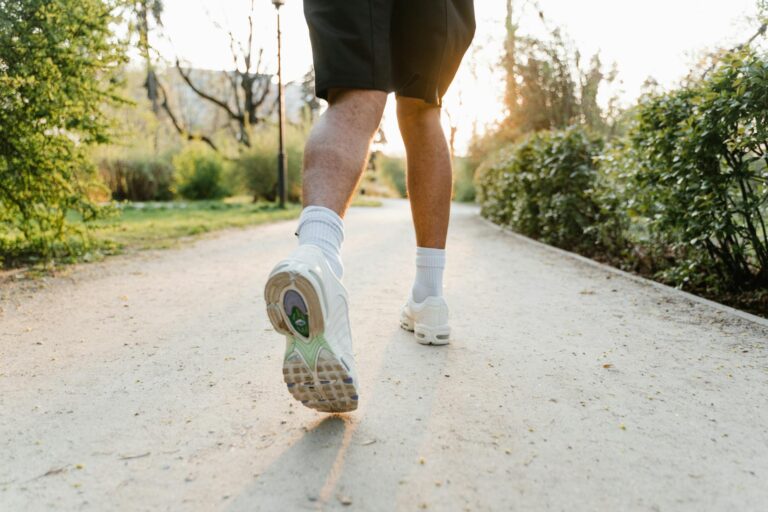
The cushioning in your running shoes changes dramatically with the seasons, and the single biggest factor is temperature. Lab testing by RunRepeat on over 400 shoes found that midsole firmness increases by an average of 37.7 percent when shoes are exposed to freezing conditions at 0°F, meaning that the plush ride you enjoy on a warm September morning can feel stiff and unforgiving on a January run through slush and snow. If you have ever noticed that your favorite trainers feel like they lost their bounce during winter, you were not imagining it — the foam itself is physically harder. This matters more than most runners realize. A shoe that performs well in July may deliver noticeably less shock absorption in December, and the effect compounds as mileage accumulates across a training season.
Research published in PMC found a 16 to 33 percent reduction in heel cushioning after roughly 300 miles of use, so a pair of shoes broken in during the fall could be meaningfully degraded by the time deep winter arrives. This article covers why temperature changes foam behavior, which foam types hold up best in cold and heat, how cushioning degrades differently across seasons, and what practical steps you can take to keep your legs feeling fresh year-round. Beyond the science, there are real equipment decisions to make. Winter-specific shoes prioritize traction and waterproofing alongside foam resilience, while summer models lean into breathability and lightweight construction. Understanding the tradeoffs between foam technologies and seasonal demands can help you avoid injury, improve comfort, and stop wasting money on shoes that underperform half the year.
Table of Contents
- Why Does Running Shoe Cushioning Feel Different in Cold Weather Versus Warm Weather?
- EVA Versus TPU and PEBA Foams — Which Midsole Materials Handle Seasonal Shifts Best?
- How Mileage and Seasonal Training Cycles Accelerate Cushioning Breakdown
- Choosing the Right Shoe for Each Season — A Practical Approach
- Common Mistakes Runners Make With Seasonal Shoe Cushioning
- What Winter-Specific Running Shoes Get Right — and What They Sacrifice
- The Future of Temperature-Adaptive Foam Technology
- Conclusion
Why Does Running Shoe Cushioning Feel Different in Cold Weather Versus Warm Weather?
The answer comes down to polymer physics. running shoe midsoles are made of foam — most commonly EVA (ethylene-vinyl acetate) — and foam is a temperature-sensitive material. At low temperatures, the molecular chains inside the foam move less freely, which stiffens the entire structure. At higher temperatures, those chains become more active and the foam compresses more easily underfoot. This is why a shoe tested at room temperature in a store feels nothing like the same shoe on a frigid morning run. RunRepeat’s freezer tests confirmed this effect at scale: across hundreds of models, the average durometer increase from room temperature to 0°F was 37.7 percent. That is not a subtle change. It is the difference between a soft daily trainer and a firm racing flat.
The practical consequence for runners is that a stiffer midsole deforms less on impact. When the foam does not compress as much, a smaller area of the foot makes contact with the midsole surface, concentrating pressure into a narrower zone. This reduces the shoe’s ability to spread impact forces across the foot and diminishes perceived cushioning. For a runner doing long miles on frozen pavement, this means more stress on joints and connective tissue at exactly the time of year when cold muscles and tendons are already less pliable. Compare two identical runs — one at 70°F and one at 20°F — in the same pair of shoes. At 70°F, the midsole compresses fully, distributing load evenly and returning energy efficiently. At 20°F, that same midsole resists compression, and each footstrike feels harder and less responsive. The shoe has not worn out. The temperature has simply changed the material properties of the foam beneath your feet.
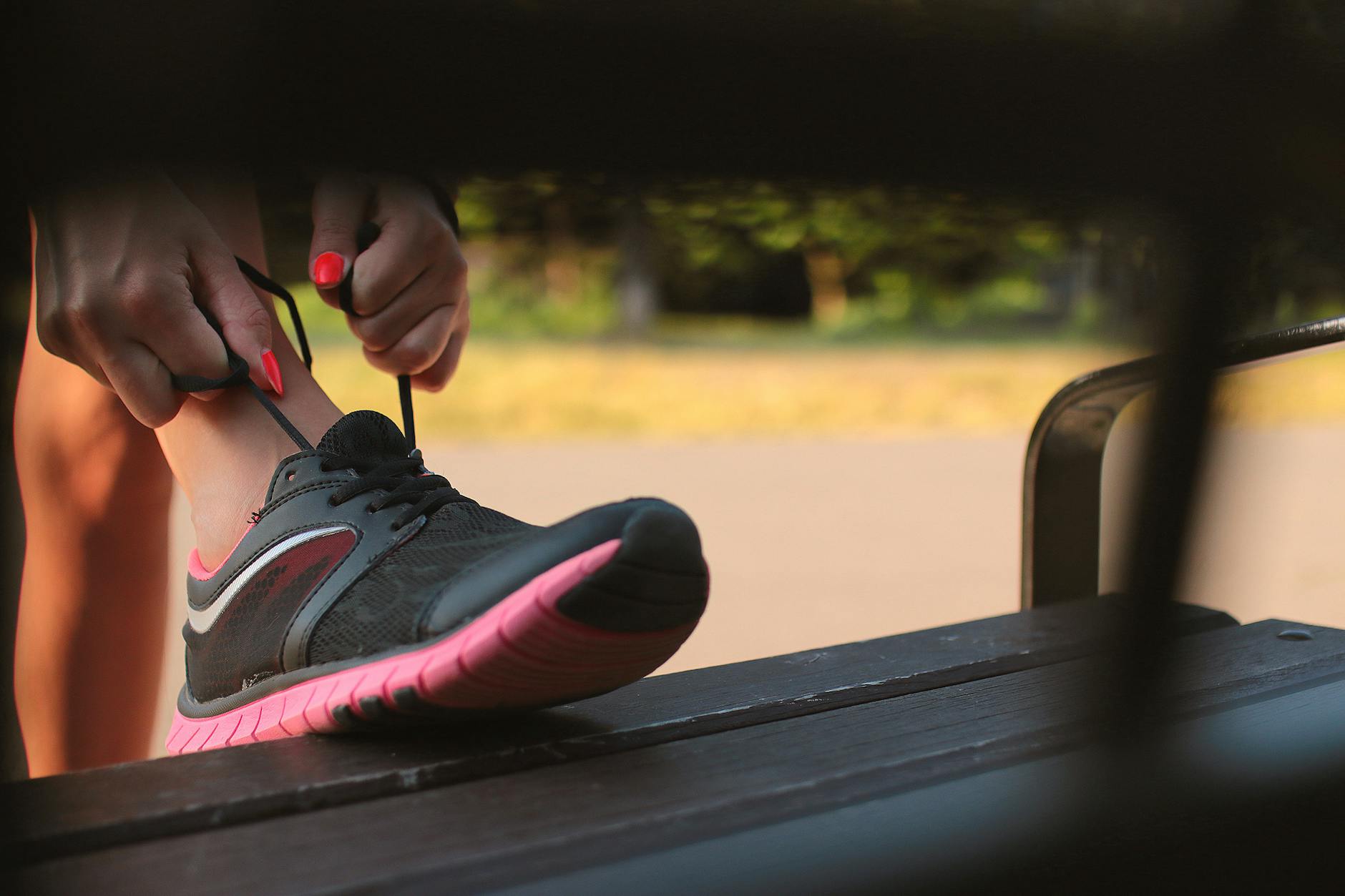
EVA Versus TPU and PEBA Foams — Which Midsole Materials Handle Seasonal Shifts Best?
Not all foams respond to temperature the same way, and this is where material selection becomes critical. Over 60 percent of running shoes on the market use EVA-based midsoles, and lab data consistently shows that EVA hardens the most in cold conditions compared to alternatives like TPU (thermoplastic polyurethane) and PEBA (polyether block amide). Adidas Boost, which is TPU-based, and Nike ZoomX, which uses a PEBA-based foam called Pebax, both retain more of their softness and energy return in freezing temperatures than traditional EVA compounds. Canadian Running Magazine’s 2025/2026 winter buyer’s guide specifically recommends avoiding pure EVA foams for cold-weather running and favoring TPU or PEBA-based midsoles instead. However, this does not mean EVA is a bad material. In mild and warm conditions, EVA performs perfectly well — it is lightweight, inexpensive, and provides adequate cushioning for most runners at moderate temperatures.
The problem arises only when temperatures drop below roughly 40°F and the stiffening effect becomes noticeable. ASICS, for instance, uses EVA in several winter models and notes that their formulations stay “decently soft” in cold weather, but even optimized EVA cannot match the cold-weather resilience of TPU or PEBA foams in head-to-head lab testing. The limitation worth noting is cost. PEBA-based midsoles like Nike ZoomX and Saucony PWRRUN PB are found almost exclusively in premium shoes priced above $150, and often above $200. TPU-based options like Adidas Boost sit in the mid-to-upper range as well. If budget is a constraint, a runner may be better served by owning two pairs of less expensive EVA shoes — one for warm weather and one reserved for cold — rather than investing in a single premium PEBA shoe. Rotating shoes also extends the life of each pair, which matters given how much faster cushioning degrades with accumulated mileage.
How Mileage and Seasonal Training Cycles Accelerate Cushioning Breakdown
Temperature is not the only seasonal factor working against your shoes. The simple accumulation of miles across a training block erodes cushioning regardless of weather. Research published in PMC documented a 16 to 33 percent reduction in heel cushioning after approximately 480 kilometers — about 300 miles — of use. For a runner averaging 30 miles per week, that is roughly ten weeks of training, or a single marathon buildup. If that buildup spans the transition from fall to winter, the combined effect of mileage-related degradation and cold-induced stiffening can be severe. Consider a runner who buys new shoes in September and begins a 16-week winter marathon training plan. By week ten, the shoes have roughly 300 miles on them and have lost up to a third of their original heel cushioning.
Simultaneously, outdoor temperatures have dropped from the 60s into the 20s or lower, adding another 30-plus percent increase in midsole firmness from temperature alone. The shoe that felt protective and responsive in early October now delivers a fraction of its original cushioning just as training volume peaks in late December. This is a recipe for overuse injuries like plantar fasciitis, shin splints, and stress reactions. In warmer months, mileage still degrades cushioning, but the effect is compounded differently. Heat causes foam to expand and soften, and the repeated cycle of expansion during hot daytime runs and contraction during cooler nights accelerates the breakdown of the foam’s cellular structure over time. This means shoes used heavily through a hot summer may lose cushioning faster than the same shoes used in moderate spring temperatures, even if the total mileage is identical. Runners training in extreme heat should monitor their shoes’ responsiveness carefully and consider shorter rotation cycles.
Choosing the Right Shoe for Each Season — A Practical Approach
The most effective strategy for year-round runners is straightforward: match your foam technology to the season and rotate shoes to slow degradation. For winter running, prioritize shoes with TPU or PEBA-based midsoles that resist cold-induced stiffening. These foams maintain more of their cushioning properties at low temperatures and will feel closer to their in-store softness on frigid days. Winter models often add GORE-TEX uppers for waterproofing and aggressive outsole lugs for traction on ice and packed snow, both of which are valuable in harsh conditions but add weight and reduce breathability. For summer, EVA-based shoes become a perfectly reasonable choice. When temperatures are consistently above 50°F, EVA’s cold-weather weakness is irrelevant, and its advantages — lighter weight, lower cost, wide availability — make it the practical pick for most runners.
Summer shoes should prioritize breathable mesh uppers over waterproof membranes, since GORE-TEX liners trap heat and moisture in warm conditions. A lightweight, well-ventilated EVA trainer that would feel like a brick in January can be the ideal daily shoe in July. The tradeoff to weigh honestly is whether you want to invest in two seasonal shoe rotations or one versatile pair. A single PEBA-based shoe will handle temperature extremes better than EVA across the full year, but it will also cost more and still degrade with mileage. Two moderately priced pairs — one winter-specific, one summer-oriented — may actually last longer in total and keep you better protected, because each pair accumulates fewer miles. This is especially true for runners logging 40 or more miles per week who burn through shoes quickly regardless of material.
Common Mistakes Runners Make With Seasonal Shoe Cushioning
The most frequent mistake is running through winter in worn-out warm-weather shoes. Many runners buy a new pair in spring, train through summer and fall, and continue wearing the same shoes into December and January. By that point, the shoes may have 500 or more miles on them and have lost a significant percentage of their original cushioning. Layer the cold-temperature stiffening effect on top of that degradation, and the runner is essentially training on a hard, unresponsive platform during the season when surfaces are hardest and injury risk is already elevated. Another common error is assuming that a thicker midsole automatically means more cold-weather protection. Stack height matters, but foam composition matters more.
A maximalist shoe with 40 millimeters of EVA foam will still stiffen substantially in freezing temperatures, while a moderately cushioned shoe with a PEBA or TPU midsole may deliver better real-world shock absorption in the cold despite having less foam overall. Do not shop by stack height alone — check what the midsole is actually made of. Finally, runners should be cautious about storing shoes in unheated spaces like garages, car trunks, or mudrooms during winter. Foam that sits at sub-freezing temperatures for hours will be fully hardened before you even lace up. If possible, keep your running shoes indoors at room temperature and put them on shortly before heading out. The foam will still cool during the run, but starting with a warm midsole buys you at least the first mile or two of normal cushioning before the cold takes full effect.
What Winter-Specific Running Shoes Get Right — and What They Sacrifice
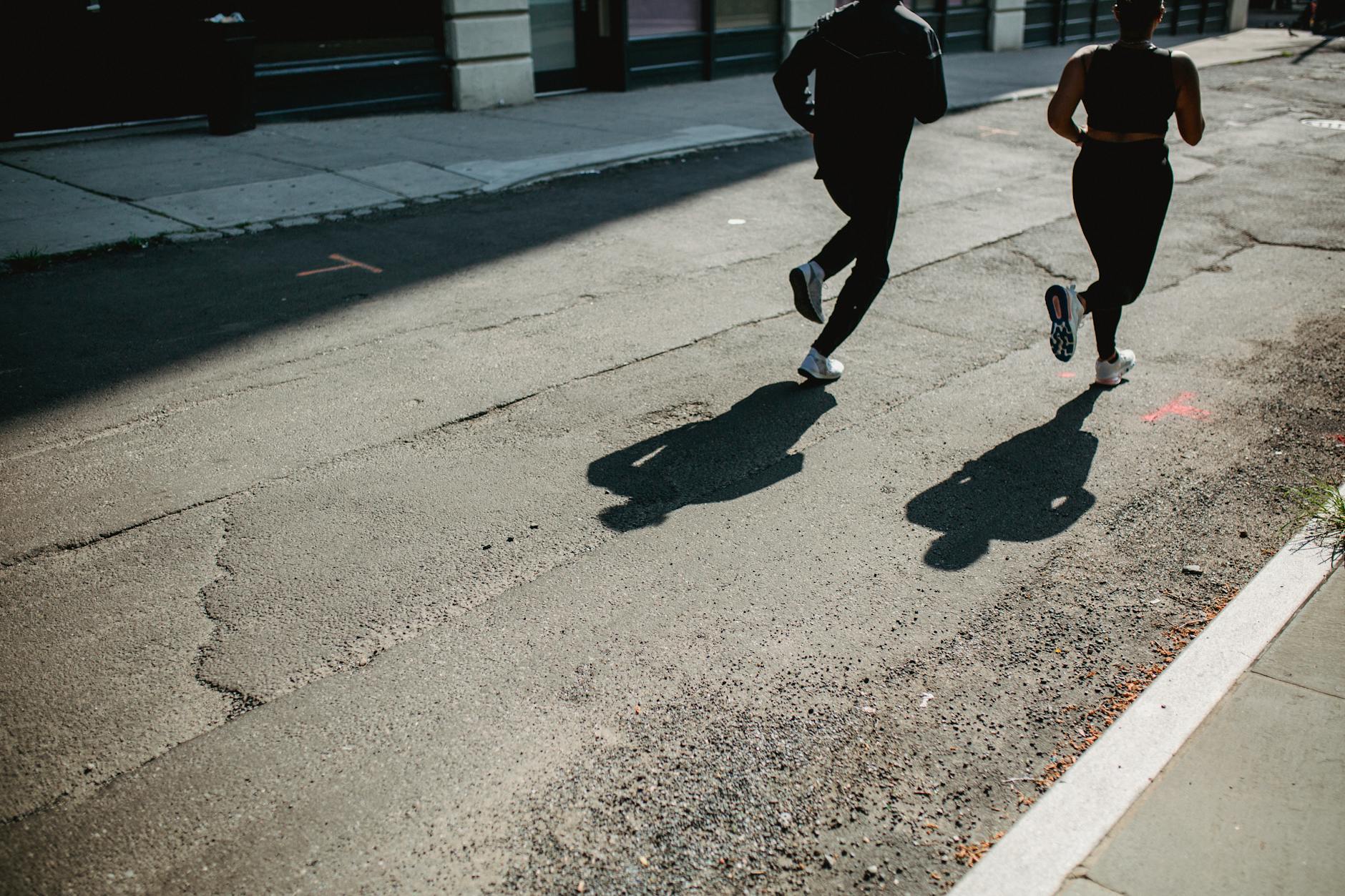
Winter running shoes are engineered around a different set of priorities than their warm-weather counterparts. Traction, waterproofing, and foam resilience take precedence over raw cushioning volume and lightweight construction. Models featured in GearJunkie’s 2025–2026 winter roundup and Canadian Running Magazine’s buyer’s guide consistently pair aggressive rubber outsoles with GORE-TEX or similar waterproof membranes and foam compounds selected for cold-weather performance. The result is a shoe that keeps your feet dry and gripping on icy surfaces but typically weighs 10 to 20 percent more than a comparable summer trainer.
The sacrifice is versatility. A GORE-TEX-lined winter shoe worn in May will overheat your feet, and the heavier outsole rubber designed for ice traction adds unnecessary weight on dry pavement. This is why seasonal rotation is not just about cushioning — it is about the entire shoe design matching the conditions you actually run in. Buying a dedicated winter shoe is not a luxury for runners in cold climates. It is a functional necessity if you want consistent performance and protection across the full calendar year.
The Future of Temperature-Adaptive Foam Technology
Foam science is evolving rapidly, and the gap between warm-weather and cold-weather cushioning performance is narrowing. The shift from traditional EVA to newer PEBA and TPU-based compounds over the past several years has already reduced the severity of cold-induced stiffening, and brands continue to invest in formulations designed to maintain consistent properties across wider temperature ranges. As these advanced foams become more affordable and trickle down from premium racing models into everyday trainers, the seasonal cushioning problem will gradually become less pronounced for the average runner.
For now, though, the physics of polymer foams means that temperature will remain the most significant seasonal variable affecting your ride. Runners who understand this — and plan their shoe purchases accordingly — will train more comfortably, reduce injury risk, and get better value from every pair of shoes they buy. The gap between a well-informed shoe rotation and a one-pair-fits-all approach is the gap between finishing a winter training block healthy and limping into spring with nagging aches that could have been prevented.
Conclusion
Seasonal differences in running shoe cushioning are real, measurable, and significant enough to affect both performance and injury risk. Cold weather can increase midsole firmness by nearly 38 percent, EVA foam is the most vulnerable material to this effect, and cushioning degrades by 16 to 33 percent over roughly 300 miles of use regardless of conditions. These factors compound across a training season, meaning a shoe that was perfect in September can be dangerously underperforming by February. Foam type matters more than foam thickness, and runners who train year-round in varied climates should seriously consider seasonal shoe rotation.
The next step is simple: check what your current shoes are made of and how many miles are on them. If you are heading into winter on worn EVA trainers, it is time for a change. Look for TPU or PEBA-based midsoles if your budget allows, or at minimum start a fresh pair of shoes at the onset of cold weather. Store your shoes at room temperature, rotate pairs when possible, and retire shoes before they reach 300 to 400 miles — especially if those miles span a seasonal temperature shift. Your knees and feet will thank you.