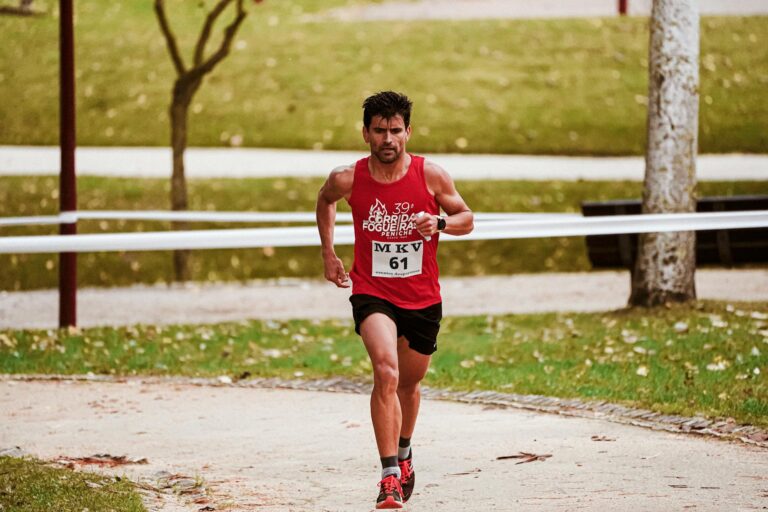
Running delivers a more consistent and intense cardiovascular workout than downhill skiing, with average heart rates sustained at 70-85% of maximum for extended periods compared to skiing’s intermittent bursts of 50-70% maximum heart rate punctuated by rest periods on chairlifts. A 150-pound person running at a moderate pace burns approximately 100 calories per mile with continuous aerobic engagement, while the same person skiing burns roughly 300-400 calories per hour but with significant downtime that reduces overall cardiovascular stress. For pure cardio development, running wins decisively””but skiing offers unique benefits that make the comparison more nuanced than simple calorie counts suggest. The key difference lies in exercise continuity.
A runner maintaining 8-minute miles for 45 minutes experiences uninterrupted cardiovascular demand, while a skier making ten runs in the same timeframe might only accumulate 20-25 minutes of actual skiing between lift rides and rest breaks. Consider a recreational skier at a mid-sized resort: each run lasts 3-4 minutes, followed by a 7-10 minute chairlift ride where heart rate drops significantly. This interval pattern makes skiing less effective for building aerobic base but potentially useful for certain types of metabolic conditioning. This article examines the physiological differences between these two activities, explores how altitude affects both sports, discusses the muscular demands that influence cardiovascular response, and provides practical guidance for athletes who want to use both activities strategically in their training programs.
Table of Contents
- How Does Running Compare to Downhill Skiing for Cardiovascular Fitness?
- Understanding Metabolic Demands: Skiing’s Hidden Cardio Challenge
- Muscle Recruitment Patterns and Their Effect on Heart Rate Response
- Practical Ways to Combine Running and Skiing for Optimal Fitness
- Common Mistakes When Using Skiing as Cardio Training
- Altitude Effects on Both Activities
- How to Prepare
- How to Apply This
- Expert Tips
- Conclusion
- Frequently Asked Questions
How Does Running Compare to Downhill Skiing for Cardiovascular Fitness?
Running engages the cardiovascular system through sustained, rhythmic muscle contractions that create predictable oxygen demands. The heart responds by maintaining elevated output for the duration of the activity, which over time produces classic endurance adaptations: increased stroke volume, improved capillary density in working muscles, and enhanced mitochondrial function. These adaptations translate directly to better performance in other aerobic activities and improved overall cardiovascular health markers. Downhill skiing creates a fundamentally different cardiovascular stimulus. The activity involves short bursts of intense isometric and eccentric muscle work””holding positions against gravity while controlling descent””followed by passive recovery on the lift.
Research from the University of Salzburg found that elite skiers reached heart rates of 160-180 beats per minute during aggressive runs, but averaged only 110-130 bpm when accounting for lift time. This pattern more closely resembles high-intensity interval training than traditional steady-state cardio, though with longer rest intervals than most HIIT protocols prescribe. The practical implication is that a dedicated runner cannot maintain their aerobic fitness through skiing alone during winter months. Many competitive runners who ski recreationally find their running performance degrades noticeably if they abandon running entirely for a ski season. However, skiing does maintain some cardiovascular conditioning and offers substantial benefits for leg strength and proprioception that can complement a running program.

Understanding Metabolic Demands: Skiing’s Hidden Cardio Challenge
The metabolic cost of skiing extends beyond what heart rate monitoring reveals. Cold exposure increases caloric expenditure as the body works to maintain core temperature, adding 10-20% to total energy costs compared to similar exertion in moderate temperatures. Altitude compounds this effect””most ski resorts sit between 6,000 and 11,000 feet, where reduced oxygen availability forces the cardiovascular system to work harder for the same output. A skier at 9,000 feet experiences roughly 25% less available oxygen than at sea level. These factors mean skiing provides more cardiovascular work than heart rate alone suggests, but with an important limitation: the benefits are situation-dependent.
A skier cruising easy groomed runs on a warm spring day at a low-elevation resort receives minimal cardio benefit, while an aggressive skier attacking steep terrain in cold conditions at high altitude gets a surprisingly intense workout. The variability makes skiing unreliable as a primary cardio training method. However, if your goal is general fitness rather than competitive running performance, skiing can absolutely contribute to cardiovascular health. The combination of intermittent intensity, cold exposure, and altitude stress creates unique physiological challenges that complement traditional cardio training. Just don’t expect it to replace your running miles if you’re training for a specific race.
Muscle Recruitment Patterns and Their Effect on Heart Rate Response
Running primarily taxes the aerobic energy system through repetitive concentric muscle contractions””muscles shortening under load with each stride. This creates steady oxygen demand that the cardiovascular system meets through sustained elevated heart rate and breathing rate. The muscles most engaged””quadriceps, hamstrings, calves, and hip flexors””are well-suited for endurance work with high concentrations of slow-twitch fibers in trained runners. Skiing demands something entirely different. The quadriceps perform sustained isometric contractions to maintain the flexed ski position, while eccentric work dominates as muscles lengthen to absorb terrain variations.
This type of muscle work generates significant metabolic waste products but doesn’t require the same continuous oxygen delivery as running. Heart rate rises sharply during challenging sections but reflects muscular effort and adrenaline response as much as true aerobic demand. For example, a skier’s heart rate might spike to 175 bpm during a steep mogul run, but this doesn’t indicate the same aerobic training stimulus as running at 175 bpm. Much of that elevation comes from the Valsalva maneuver (breath-holding during intense efforts), adrenaline from perceived risk, and the metabolic cost of eccentric muscle work. A runner experiencing that same heart rate is delivering oxygen to muscles at a much higher rate and accumulating genuine aerobic training volume.

Practical Ways to Combine Running and Skiing for Optimal Fitness
Athletes who enjoy both activities can structure training to capture benefits from each without sacrificing running performance. The most effective approach treats skiing as cross-training rather than replacement training””similar to how runners might use cycling or swimming. Two to three ski days per week can complement a running program that maintains key workout quality, though total running volume typically needs reduction to allow recovery from skiing’s muscular demands. The tradeoff centers on specificity versus variety. Running exclusively builds the most running fitness but creates overuse injury risk and mental staleness.
Adding skiing reduces running-specific adaptation but provides leg strength work, proprioceptive challenge, and psychological refreshment that many runners find valuable. Elite mountain runners often ski regularly during winter, accepting slightly reduced running fitness in exchange for injury prevention and the strength benefits that pay dividends on technical terrain. The timing matters considerably. Skiing produces significant eccentric muscle damage””the same mechanism that causes soreness after downhill running””which requires 48-72 hours for full recovery. Planning hard running workouts for days following skiing usually fails; the legs lack the freshness needed for quality speed work. Better to ski after hard running days and follow ski days with easy recovery runs or rest.
Common Mistakes When Using Skiing as Cardio Training
The most frequent error is overestimating skiing’s cardio contribution. Skiers often feel exhausted after a full day on the mountain and assume they’ve completed an intense cardiovascular workout. While the total energy expenditure can be substantial””1,500-2,500 calories for an active ski day””the intermittent nature means aerobic system stress remains modest. That exhaustion comes primarily from muscular fatigue, cold exposure, altitude, and accumulated microtrauma rather than cardiovascular depletion. Another common mistake involves underestimating recovery needs.
Skiing creates muscle damage patterns similar to plyometric training or downhill running, but spread across more muscle groups. The eccentric loading on quadriceps, the stabilization demands on hip and core musculature, and the grip requirements for pole work all contribute to systemic fatigue that exceeds what heart rate or perceived exertion during the activity might suggest. Runners who ski hard on Saturday and attempt a long run Sunday often find themselves struggling more than expected. The warning here is straightforward: don’t use skiing to maintain running fitness during injury recovery unless your injury specifically allows eccentric leg loading. Many running injuries””IT band syndrome, patellar tendinitis, stress fractures””can be aggravated by skiing’s demands despite the absence of running impact. Consult with a sports medicine professional before assuming skiing provides a safe alternative during injury rehabilitation.
Altitude Effects on Both Activities
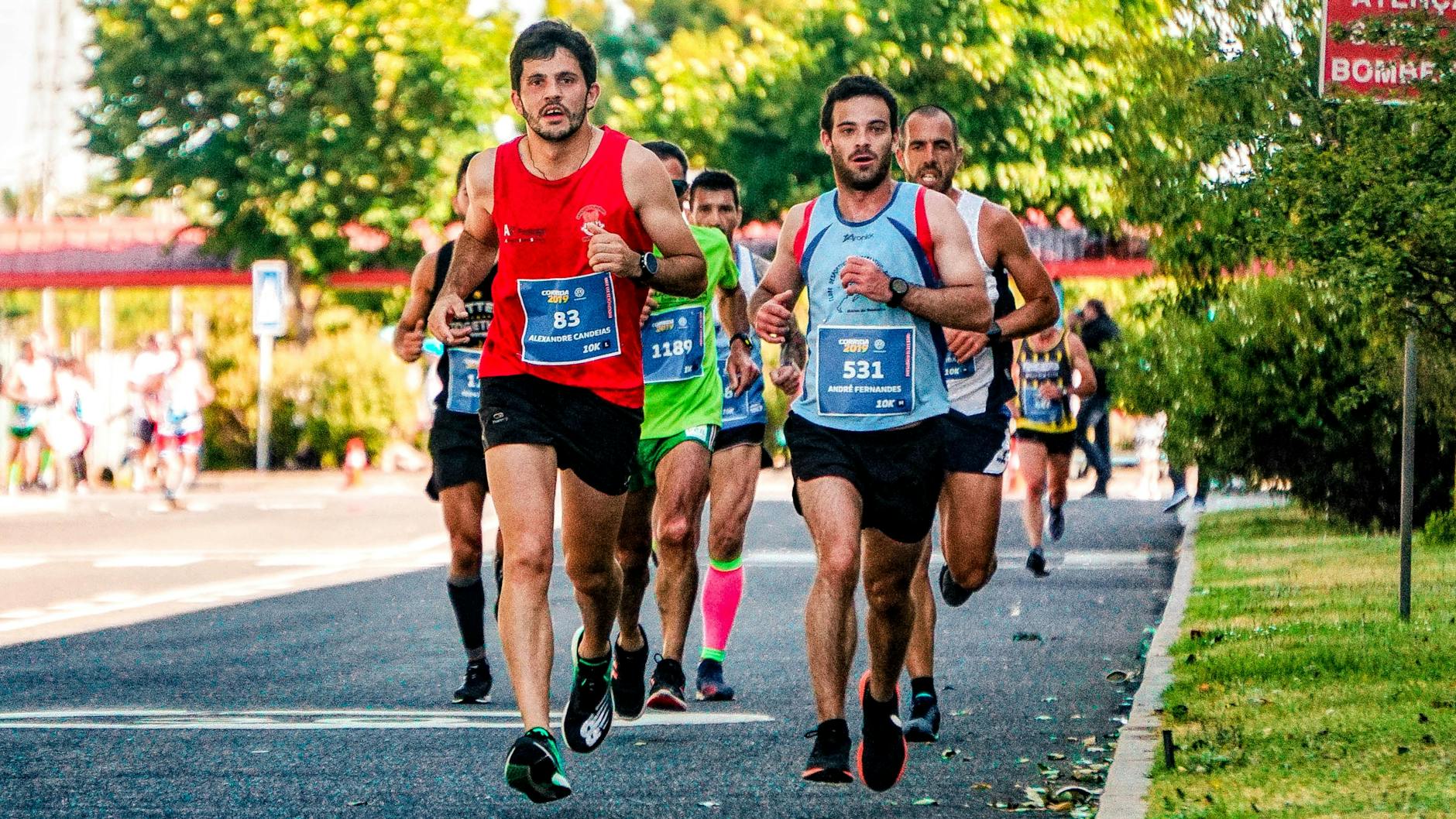
Both running and skiing at elevation increase cardiovascular stress, but the effects manifest differently. Runners immediately notice labored breathing and reduced pace””most athletes slow approximately 2-3% per 1,000 feet above 5,000 feet elevation. The limitation is obvious and forces immediate adjustment.
Skiers often don’t recognize altitude’s impact because the activity’s intermittent nature masks the reduced oxygen availability; rest periods on lifts allow partial recovery that running’s continuous demands don’t permit. A practical example: a runner who maintains 7:30 pace at sea level might struggle to hold 8:15 at 9,000 feet, and they’ll feel every second of that difference. A skier at the same elevation experiences reduced endurance for difficult runs and longer recovery between efforts, but may attribute this to challenging terrain or poor conditioning rather than recognizing altitude as the limiting factor. This misattribution can lead to overexertion””skiers push through fatigue that runners would correctly interpret as a signal to slow down.
How to Prepare
- Establish your baseline running fitness by completing a recent race or time trial at a standard distance””this gives you a reference point to monitor whether skiing is helping or hurting your running performance over time.
- Build skiing-specific leg strength before the season begins through eccentric exercises like slow negative squats, single-leg step-downs, and downhill walking with a weighted vest; insufficient preparation leads to severe muscle soreness that can derail running for a week or more after early-season ski days.
- Plan your weekly schedule in advance, designating specific days for hard running workouts, easy runs, and skiing, rather than deciding spontaneously””the muscular recovery demands make day-by-day planning essential.
- Acquire a heart rate monitor that tracks both activities to build personal data about your responses; resting heart rate tracking is particularly valuable for monitoring accumulated fatigue across both sports.
- Start conservatively with skiing volume in early season even if you’re an experienced skier; the eccentric muscle damage is cumulative, and many athletes suffer their worst fatigue in weeks 2-3 of the season when they increase volume before achieving full adaptation.
How to Apply This
- Designate primary and secondary activities based on your goals””if running performance matters more, limit skiing to 1-2 days per week and always schedule easy running days after skiing; if skiing is primary, maintain running for cardiovascular base but reduce volume and intensity.
- Track both objective and subjective metrics across both activities, including resting heart rate, heart rate variability if available, running pace at standard effort levels, and general fatigue ratings; declines across multiple metrics indicate insufficient recovery.
- Adjust your running expectations during active ski season by 5-10% for pace and 15-20% for weekly volume; attempting to maintain peak running fitness while skiing regularly creates accumulated fatigue that eventually manifests as injury or illness.
- Build in full rest days that exclude both activities, particularly during heavy ski weeks; the combination of impact stress from running and eccentric stress from skiing requires more recovery than either activity alone.
Expert Tips
- Ski in the morning and run easy in the late afternoon if you must do both in one day””this sequence allows several hours for partial recovery and prevents running fatigue from compromising ski performance and injury risk.
- Do not attempt speed work or tempo runs within 48 hours of a hard ski day; the eccentric muscle damage impairs the leg turnover and ground contact mechanics essential for quality fast running.
- Use skiing’s emphasis on quadriceps strength to complement running’s hamstring and hip flexor dominance; this balance can reduce injury risk when both activities are dosed appropriately.
- Focus on ski technique to reduce muscular cost””inefficient skiing creates far more muscle damage per run than skilled skiing, amplifying the recovery burden and reducing cardio benefit.
- Monitor body weight through ski season, as cold exposure and altitude can mask dehydration and caloric deficit; many combination athletes lose excessive weight during winter without realizing it until performance suffers.
Conclusion
Running provides superior cardiovascular training through sustained, consistent aerobic demand that produces reliable endurance adaptations. Downhill skiing, while physically demanding, creates intermittent cardiovascular stress interrupted by significant rest periods, making it less effective for aerobic base building but potentially useful as cross-training that adds variety and leg strength. The heart rate patterns, muscle recruitment, and metabolic demands differ substantially enough that neither activity substitutes well for the other.
Athletes who enjoy both activities can successfully integrate them by respecting recovery requirements, maintaining realistic expectations about skiing’s cardio contribution, and structuring their training weeks deliberately rather than haphazardly. The key is recognizing that skiing and running stress the body differently””combining them requires more rest, not less, and attempting to maximize both simultaneously usually results in mediocre performance and elevated injury risk in each. Used thoughtfully, however, the combination can produce well-rounded fitness that either activity alone cannot match.
Frequently Asked Questions
How long does it typically take to see results?
Results vary depending on individual circumstances, but most people begin to see meaningful progress within 4-8 weeks of consistent effort. Patience and persistence are key factors in achieving lasting outcomes.
Is this approach suitable for beginners?
Yes, this approach works well for beginners when implemented gradually. Starting with the fundamentals and building up over time leads to better long-term results than trying to do everything at once.
What are the most common mistakes to avoid?
The most common mistakes include rushing the process, skipping foundational steps, and failing to track progress. Taking a methodical approach and learning from both successes and setbacks leads to better outcomes.
How can I measure my progress effectively?
Set specific, measurable goals at the outset and track relevant metrics regularly. Keep a journal or log to document your journey, and periodically review your progress against your initial objectives.
When should I seek professional help?
Consider consulting a professional if you encounter persistent challenges, need specialized expertise, or want to accelerate your progress. Professional guidance can provide valuable insights and help you avoid costly mistakes.
What resources do you recommend for further learning?
Look for reputable sources in the field, including industry publications, expert blogs, and educational courses. Joining communities of practitioners can also provide valuable peer support and knowledge sharing.