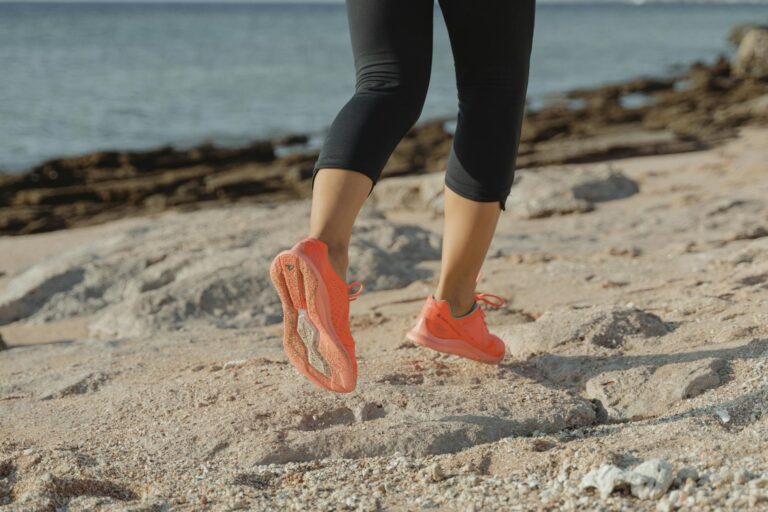
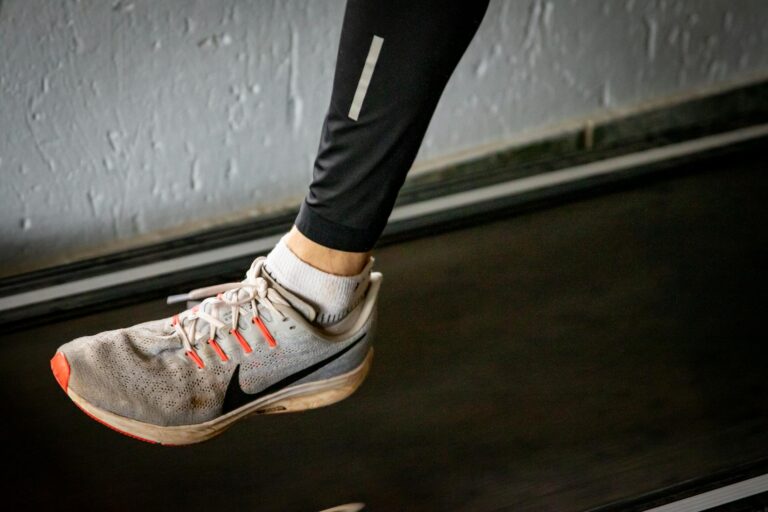
The running shoes with the best energy return for long runs are those featuring PEBA-based midsole foams combined with carbon fiber plates. Based on laboratory testing, the Saucony Endorphin Elite 2 leads the category with energy return scores of 80.6% in the heel and 82.1% in the forefoot, making it the highest-performing shoe measured to date. Close behind are the Adidas Adizero Adios Pro 4 at 80.4% heel and 80.3% forefoot energy return, and the Saucony Endorphin Speed 5 at 73.2% heel and 78.2% forefoot. For context, traditional EVA foam shoes typically return only 60-65% of energy, while these advanced PEBA foams approach 85-90% in controlled settings. However, the shoe with the highest energy return numbers does not automatically suit every long-distance runner.
A marathon trainer logging weekly miles at a conversational pace will benefit more from a durable, stable shoe like the ASICS Novablast 5 than from a twitchy race-day model that wears out after 200 miles. Energy return must be balanced against cushioning, stability, durability, and your actual running pace. This article covers how energy return foam technology works, which shoes excel for different purposes, the trade-offs between racing and training shoes, and how to build a rotation that protects your legs over months of long-run training. Understanding the limitations matters as much as knowing the top performers. Research shows that carbon-plated super shoes improve running economy by up to 4% for elite runners, but a 2023 meta-analysis found that 31% of runners in one study actually exhibited worsened efficiency in these shoes. The benefits diminish significantly at slower paces, and the injury risk increases if you lack the conditioning to handle altered biomechanics.
Table of Contents
- How Does Energy Return Work in Running Shoes for Long Runs?
- The PEBA Foam Advantage Over Traditional Materials
- Carbon Plates and Their Role in Long-Distance Performance
- Building a Shoe Rotation for Long-Run Training
- Common Problems With High Energy Return Shoes
- Matching Shoe Selection to Running Pace
- How to Prepare
- How to Apply This
- Expert Tips
- Conclusion
- Frequently Asked Questions
How Does Energy Return Work in Running Shoes for Long Runs?
Energy return measures how much of the energy your foot puts into compressing the midsole foam comes back as propulsion when the foam rebounds. When you land on a running shoe, the midsole compresses and stores elastic potential energy. A portion of that energy is lost as heat, while the remainder pushes back against your foot during toe-off. shoes with high energy return minimize that energy loss, theoretically reducing the metabolic cost of running. The metric is expressed as a percentage, with lab testing typically dropping a weighted object onto the midsole and measuring how high it bounces back. Shoes scoring above 64% forefoot energy return are classified as “high energy return,” while those below 56% fall into the “low” category.
The problem is that energy return measured in a lab does not translate perfectly to human running. A 2024 study in Footwear Science noted that energy return testing overestimates actual rebound height by an average of 57% because the test does not account for the dynamic conditions of real running gait. For long runs specifically, energy return interacts with shock absorption in complex ways. A shoe that returns maximum energy might not absorb enough impact, leaving your legs more fatigued after 20 miles. The Saucony Endorphin Speed 5 balances these factors well for training purposes, offering enough cushioning to protect your legs while maintaining responsiveness. Compare this to the Endorphin Elite 2, which sacrifices some shock absorption for raw energy return and is better suited for racing rather than weekly long runs.

The PEBA Foam Advantage Over Traditional Materials
PEBA (polyether block amide) foam has fundamentally changed running shoe performance since Nike introduced ZoomX in the Vaporfly Elite in 2017. Laboratory analysis by Hoogkamer et al. found PEBA delivers approximately 87% energy return, compared to 70-75% for TPU-based foams like Adidas BOOST and 40-52% for traditional EVA. Beyond raw energy return, PEBA weighs 20-30% less than TPU at equivalent stack heights and maintains its elastic properties in cold weather when EVA tends to harden. Each major brand has developed proprietary PEBA formulations. Nike ZoomX, Saucony PWRRUN PB, and Adidas Lightstrike Pro all share the PEBA compound as their foundation.
The differences between them come from density variations, how the foam is molded, and what structural elements surround it. Saucony’s PWRRUN PB tends toward a slightly firmer feel than Nike ZoomX, while Adidas Lightstrike Pro sits somewhere between. These distinctions matter for long runs because a softer foam provides better cushioning while a firmer foam feels more responsive. However, PEBA has a durability limitation that affects long-run training. A study published in the Scandinavian Journal of Medicine and Science in Sports found that new PEBA shoes provided significantly better running economy than new EVA shoes, but after 450 kilometers of use, both foam types performed similarly. The denser EVA held up better over accumulated mileage, while PEBA showed a narrower “peak performance” window before gradual decline. If you use PEBA-based shoes for all your long runs, expect to replace them more frequently than traditional trainers, potentially at 300 miles rather than 500.
Carbon Plates and Their Role in Long-Distance Performance
Carbon fiber plates embedded in running shoe midsoles act as levers that store and release energy during the gait cycle. When the plate bends under load at midstance, it creates a spring effect that adds to the foam’s natural rebound. Lab testing shows that carbon-plated shoes average 71.1% energy return compared to 58.5% for non-plated models. Multiple peer-reviewed studies have demonstrated that carbon-plated shoes improve running economy by 2.5-4% in trained runners, which translates to meaningful time savings over marathon distance. The trade-off involves stability, durability, and applicability across different running speeds. Carbon plates create a less stable platform, particularly at slower paces when ground contact time increases.
If you run your long runs at 9:00 pace or slower, the plate may not engage properly because your foot does not generate enough force and reactivity to bend it effectively. At these paces, you might bounce upward rather than forward, or sink into the soft foam and lose energy. Some runners report the sensation as awkward or even seasick-inducing. A 2023 Sports Medicine article documented cases linking carbon-plated shoes to navicular stress fractures, noting that improper use during long training runs without proper adaptation was a common factor. For runners with existing knee, hip, or IT band issues, plated shoes may exacerbate problems by transferring more load to the upper leg and glutes. If you want the benefits of plates for racing, limit their use to tempo workouts and races while using non-plated trainers for easy and long runs.

Building a Shoe Rotation for Long-Run Training
A strategic shoe rotation extends the life of each pair while reducing injury risk by varying the stress patterns on your muscles and joints. A 2015 study in the Scandinavian Journal of Medicine and Science in Sports found that runners who rotated their shoes had a 39% lower injury risk than those who used a single pair. The mechanism involves distributing impact forces differently across runs: low heel-drop shoes load the calves more heavily, while high heel-drop shoes shift stress to the upper leg. For marathon training with a focus on energy return, consider a three-shoe rotation. Use a cushioned daily trainer with moderate energy return (like the ASICS Novablast 5 or Brooks Glycerin 21) for easy runs and recovery days.
Add a tempo shoe with higher energy return (Saucony Endorphin Speed 5 or Adidas Adizero Boston 12) for threshold workouts and marathon-pace long runs. Reserve a carbon-plated racer (Nike Alphafly 3 or Adidas Adios Pro 4) for race day and occasional tune-up workouts. The trade-off between simplicity and optimization matters here. Running in four different shoes requires tracking mileage for each, spending significantly more money upfront, and adjusting to different ride characteristics. For recreational runners training for their first marathon, two shoes might suffice: a durable daily trainer for most runs and a higher-performance option for workouts and racing. The additional injury protection and performance gains from a full rotation scale with training volume, becoming more valuable as weekly mileage increases beyond 40-50 miles.
Common Problems With High Energy Return Shoes
The primary issue with maximum energy return shoes is durability. Carbon-plated super shoes typically last 150-200 miles before the plate and foam degrade, compared to 300-500 miles for traditional trainers. At prices ranging from $200-350, this translates to a significant per-mile cost that makes them impractical for training purposes. The foam may feel progressively dead after the first 100 miles, losing the responsive pop that defined its new performance. Stability poses another challenge, particularly for heavier runners or those with pronation issues. The combination of tall stack heights (often approaching the 40mm maximum allowed in competition) and soft foams creates a platform that can feel unpredictable on uneven surfaces or during fatigue.
Lateral cuts, quick direction changes, and running on cambered roads all become riskier. Runners who overpronate may find that high energy return shoes exacerbate their gait issues because the soft foam compresses unevenly. Temperature sensitivity affects some foam technologies differently. While PEBA maintains its properties in cold weather, certain TPU formulations stiffen noticeably below 40 degrees Fahrenheit. If you train through winter in a northern climate, test your shoes in cold conditions before committing to them for a key long run. EVA-based shoes often feel harder in cold weather, reducing both cushioning and energy return. Plan your shoe choices seasonally if temperature swings significantly throughout your training cycle.

Matching Shoe Selection to Running Pace
Energy return benefits scale with running speed, which means choosing shoes based on your actual training and racing paces matters more than chasing the highest lab-tested percentages. At paces of 6:00 per mile or faster, elite runners see the full 3-4% running economy improvements from carbon super shoes. At 7:30 pace, the improvement drops to around 1.4%. At 9:00 pace or slower, some runners see minimal benefit or even decreased efficiency.
The Adidas Adizero EVO SL provides an example of calibrating energy return to training needs. With 74.3% heel and 70.3% forefoot energy return but no carbon plate, it delivers responsiveness without the stability compromises of full racing shoes. This makes it appropriate for runners who want some energy return benefit during tempo runs and faster long runs but do not need the maximum performance of a race-day model. The absence of a plate also means more natural ground feel and better durability for training purposes.
How to Prepare
- Start by determining your weekly mileage and the percentage of runs you would realistically use high energy return shoes. If you run 30 miles per week with one tempo session and one long run, you might use a responsive shoe for 10-12 of those miles.
- Test candidate shoes during short, easy runs before using them for workouts or long runs. The feel of a shoe at mile 2 differs substantially from mile 18, but early testing reveals obvious fit or stability issues.
- Track how your legs feel in the 24-48 hours after running in new shoes. Unusual soreness in the calves, Achilles, or hip flexors may indicate that the shoe’s geometry conflicts with your natural mechanics.
- Introduce higher energy return shoes gradually over 3-4 weeks, starting with one workout per week and building to regular use for faster sessions.
- Maintain at least one traditional, lower-energy-return trainer in your rotation for recovery runs. A common mistake is abandoning proven daily trainers entirely after experiencing the responsive feel of performance shoes, which can lead to overuse injuries from the altered loading patterns.
How to Apply This
- Audit your current shoe collection and categorize each pair by energy return level (low for traditional EVA trainers, medium for TPU-based shoes like ASICS GEL or Adidas BOOST, high for PEBA-based or carbon-plated models). Identify gaps in your rotation.
- Match shoes to workouts deliberately. Use your highest energy return shoes for race-specific sessions where you are running at goal pace or faster. Use moderate energy return shoes for tempo runs and faster long runs. Reserve traditional trainers for easy days and recovery runs.
- Log mileage for each shoe separately using a training app or spreadsheet. Set replacement thresholds based on foam type: 150-200 miles for carbon racing shoes, 300-400 miles for PEBA trainers, 400-500 miles for traditional daily trainers.
- Evaluate performance and fatigue patterns after three to four weeks of intentional shoe rotation. Note whether you feel fresher on easy days, more responsive during workouts, and adequately recovered for key sessions. Adjust the rotation if necessary.
Expert Tips
- Avoid using carbon-plated shoes for runs slower than your marathon pace, as the plate fails to engage properly and you lose the stability benefits of traditional trainers without gaining meaningful energy return.
- Allow 24-48 hours between runs in the same pair of shoes to let the midsole foam fully recover its shape and cushioning properties. This extends shoe life and maintains consistent performance.
- Test new shoes during training runs at various paces before race day. A shoe that feels perfect at tempo pace may feel unstable during the early slow miles of a marathon.
- Prioritize fit over foam technology. The most advanced PEBA midsole provides no benefit if the upper causes blisters or the heel slips during push-off.
- Do not chase energy return numbers if you struggle with stability or have a history of ankle or knee injuries. A slightly less responsive shoe that keeps you healthy outperforms any super shoe that sends you to physical therapy.
Conclusion
Running shoes with the best energy return for long runs combine advanced PEBA foam compounds with thoughtful geometry that balances responsiveness and cushioning. The Saucony Endorphin Elite 2 and Adidas Adizero Adios Pro 4 lead laboratory testing with energy return scores exceeding 80%, while the Saucony Endorphin Speed 5 offers a more durable option for training at 73-78% energy return. Carbon plates add another layer of propulsion but introduce stability trade-offs that matter most at slower paces and for runners with biomechanical issues.
The practical approach for long-run training involves building a rotation that reserves maximum energy return shoes for racing and key workouts while protecting your legs with moderate-return trainers during base building. Rotate two to four pairs to reduce injury risk by 39% according to research, and replace shoes based on foam type rather than a single mileage threshold. Energy return technology provides real benefits when matched appropriately to your pace, training purpose, and individual running mechanics.
Frequently Asked Questions
How long does it typically take to see results?
Results vary depending on individual circumstances, but most people begin to see meaningful progress within 4-8 weeks of consistent effort. Patience and persistence are key factors in achieving lasting outcomes.
Is this approach suitable for beginners?
Yes, this approach works well for beginners when implemented gradually. Starting with the fundamentals and building up over time leads to better long-term results than trying to do everything at once.
What are the most common mistakes to avoid?
The most common mistakes include rushing the process, skipping foundational steps, and failing to track progress. Taking a methodical approach and learning from both successes and setbacks leads to better outcomes.
How can I measure my progress effectively?
Set specific, measurable goals at the outset and track relevant metrics regularly. Keep a journal or log to document your journey, and periodically review your progress against your initial objectives.
When should I seek professional help?
Consider consulting a professional if you encounter persistent challenges, need specialized expertise, or want to accelerate your progress. Professional guidance can provide valuable insights and help you avoid costly mistakes.
What resources do you recommend for further learning?
Look for reputable sources in the field, including industry publications, expert blogs, and educational courses. Joining communities of practitioners can also provide valuable peer support and knowledge sharing.