Running shoes that reduce fatigue on longer distances share several critical features: high-energy-return midsole foams, carbon fiber or nylon plates for propulsion efficiency, lightweight construction under 250 grams, and rocker geometry that promotes smooth heel-to-toe transitions. The most effective fatigue-reducing shoes””such as the Nike Vaporfly series, Saucony Endorphin Pro, and Asics Metaspeed Sky””combine these technologies to lower the metabolic cost of running by 2-4%, which translates to fresher legs in the final miles of a marathon or ultra. A runner completing a 20-mile training run in traditional shoes might notice significant quad fatigue by mile 16, whereas the same runner in a modern super shoe often reports feeling substantially stronger through those same late-stage miles.
The science behind fatigue reduction in running footwear has advanced dramatically since Nike introduced the Vaporfly in 2017, forcing every major brand to develop competing technologies. Energy return percentages now reach 85-90% in top-tier models, compared to 60-70% in conventional foam midsoles from a decade ago. However, technology alone doesn’t guarantee reduced fatigue””proper fit, appropriate cushioning level for your biomechanics, and matching the shoe to your running style all determine whether you’ll actually benefit. This article examines the specific mechanisms that make certain running shoes better for long-distance fatigue reduction, compares foam technologies across brands, discusses proper fit considerations, addresses common mistakes runners make when selecting distance shoes, and provides practical guidance for testing and transitioning to fatigue-reducing footwear.
Table of Contents
- What Features in Running Shoes Actually Reduce Fatigue During Long-Distance Running?
- Understanding Midsole Technology and Cushioning Differences for Distance Runners
- How Shoe Weight Affects Running Economy Over Longer Distances
- Selecting the Right Shoe Fit for Maximum Fatigue Reduction
- Common Mistakes That Increase Fatigue Despite Wearing Advanced Running Shoes
- The Role of Surface Compatibility in Long-Distance Fatigue Reduction
- How to Prepare
- How to Apply This
- Expert Tips
- Conclusion
- Frequently Asked Questions
What Features in Running Shoes Actually Reduce Fatigue During Long-Distance Running?
The primary feature that reduces fatigue in distance running shoes is the midsole foam compound and its energy return properties. When your foot strikes the ground, the foam compresses and stores energy; higher-quality foams return more of that energy as the foam rebounds, essentially giving you a small push with each stride. Nike’s ZoomX foam returns approximately 85% of energy, Adidas Lightstrike Pro returns around 83%, and Saucony’s PWRRUN PB achieves similar figures. Compare this to traditional EVA foam, which returns only 55-65% of energy””the difference compounds over thousands of strides in a marathon into measurably fresher legs. Embedded plates, typically carbon fiber or thermoplastic polyurethane, add a second fatigue-reduction mechanism by creating a lever effect that reduces the workload on calf muscles and the Achilles tendon.
Research from the University of Colorado found that the plate’s stiffness helps stabilize the ankle joint during push-off, decreasing the muscular effort required to maintain running pace. This effect benefits most runners, though those with shorter strides or who land heavily on their heels may see reduced advantages. Rocker geometry””the curved shape of the sole from heel to toe””further contributes by mechanically assisting the foot’s natural rolling motion. A well-designed rocker reduces the range of motion required at the ankle and toe joints, allowing runners to maintain efficient form longer before fatigue-induced breakdown occurs. The combination of responsive foam, an embedded plate, and rocker geometry creates a system where each component addresses different aspects of fatigue: metabolic efficiency, muscular workload, and joint stress.
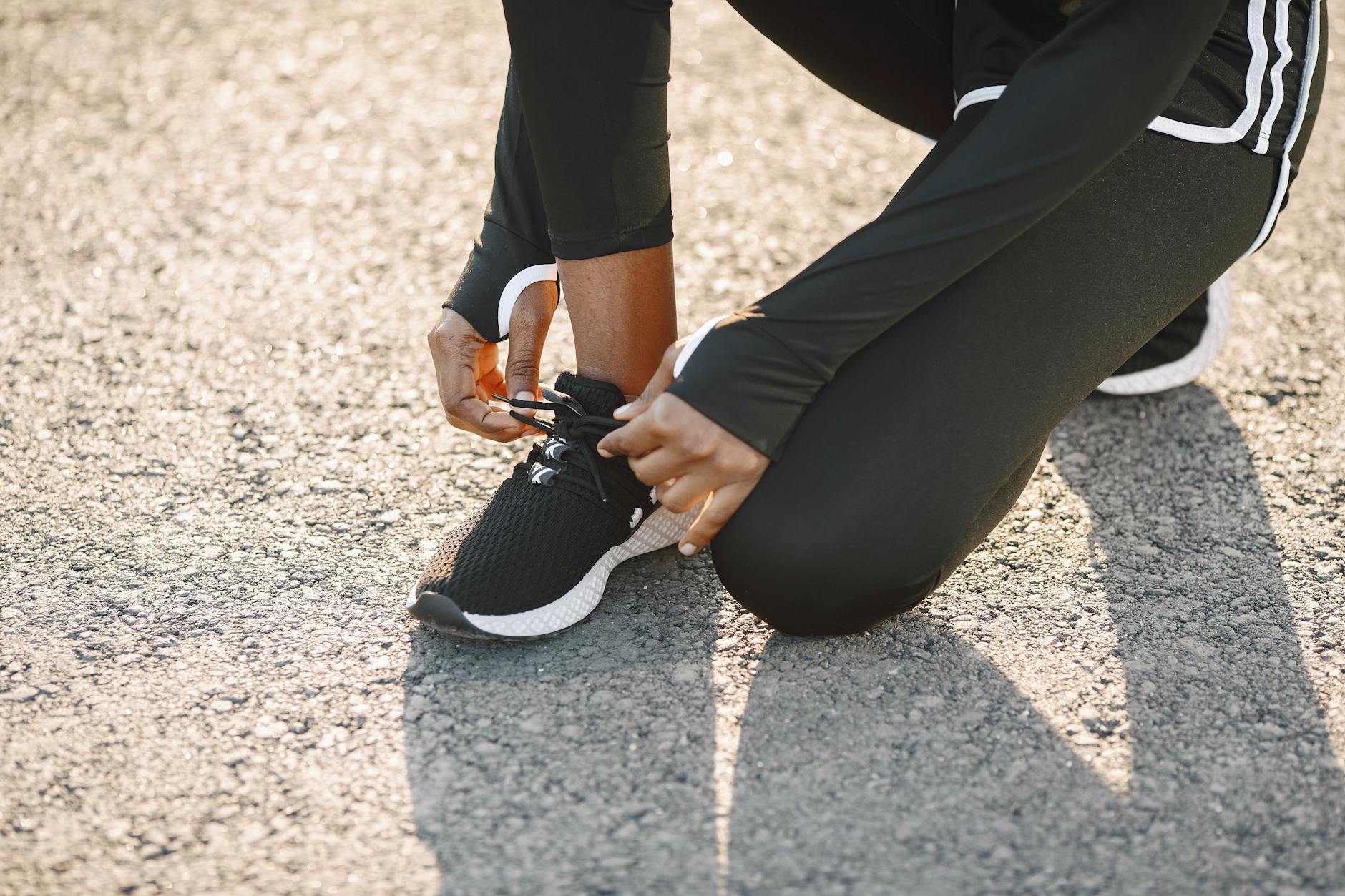
Understanding Midsole Technology and Cushioning Differences for Distance Runners
Modern distance running shoes typically use one of several advanced foam technologies: nitrogen-infused TPU beads (Adidas Boost), PEBA-based super foams (Nike ZoomX, Saucony PWRRUN PB, New Balance FuelCell), or proprietary EVA blends enhanced with various additives. PEBA foams currently lead in energy return and weight savings, which explains their dominance in elite racing shoes. However, PEBA foams are expensive to manufacture and tend to compress more quickly than TPU-based alternatives, often losing noticeable responsiveness after 200-300 miles versus 400-500 miles for Boost-style foams. Stack height””the total thickness of material between your foot and the ground””directly affects how much cushioning and energy-return material the shoe can contain.
World Athletics currently limits stack height to 40mm for competition, and most super shoes approach this maximum. More cushioning generally means more fatigue protection over distance, but there’s a tradeoff: extremely high stack heights can feel unstable for runners without strong ankle stability, potentially causing compensatory muscle engagement that actually increases fatigue. However, if you’re a heavier runner (over 180 pounds) or have a history of impact-related injuries, standard super shoe cushioning may compress too quickly under your weight, reducing both protection and energy return by late in long runs. Runners in this situation should consider shoes with denser foam options or dual-density midsoles, such as the Hoka Rocket X2 or Brooks Hyperion Elite, which maintain their properties better under higher loads but sacrifice some initial softness and responsiveness.
How Shoe Weight Affects Running Economy Over Longer Distances
Every 100 grams of additional shoe weight increases the oxygen cost of running by approximately 1%, according to multiple studies dating back to the 1980s. Over a marathon distance, this translates to meaningful additional fatigue””runners in shoes weighing 300 grams will work measurably harder than those in 200-gram shoes, assuming all other factors remain equal. This explains the industry-wide push toward lighter materials and the popularity of racing flats that sacrifice durability for reduced weight. The practical impact varies based on running pace and duration. Elite marathoners running sub-2:30 accumulate enough strides that weight savings compound significantly; a 100-gram reduction might contribute to finishing 30-60 seconds faster through reduced oxygen consumption alone.
Recreational marathoners finishing in 4-5 hours take more steps total but at lower oxygen demand per step, meaning weight savings help but aren’t as proportionally critical. For ultramarathon distances, the calculus shifts again””the cumulative effect of thousands of additional strides makes light shoes increasingly valuable, though durability becomes a competing concern. A specific example illustrates this tradeoff: the Nike Alphafly 3 weighs approximately 215 grams in a men’s size 9 and provides maximum energy return and cushioning, but its foam will compress noticeably over a 50-mile ultra. The more durable Hoka Mach X weighs 230 grams and maintains its cushioning properties over longer distances, making it potentially the better fatigue-reducer for ultra distances despite being slightly heavier. Matching shoe characteristics to your specific distance and pace yields better results than simply choosing the lightest option available.
Selecting the Right Shoe Fit for Maximum Fatigue Reduction
Proper fit determines whether a technologically advanced shoe actually delivers fatigue reduction or creates new problems. Feet swell during long runs””typically expanding by half a size over the course of a marathon””so shoes that fit perfectly at the start may become constrictive and painful by mile 18. Most running specialty stores recommend sizing up a half size from your normal shoe size for distance running, ensuring adequate toe box room at the end of long efforts. The comparison between traditional and performance-fit lasts illustrates an important tradeoff. Racing-oriented super shoes often use narrow, performance lasts that lock the midfoot for efficient energy transfer but can cause hotspots and circulation issues for runners with wider feet.
Training-oriented distance shoes typically offer roomier fits that accommodate swelling but may feel less precise and responsive. Neither approach is universally superior””runners with narrow feet often perform better in racing-fit shoes, while wider-footed runners frequently need to prioritize comfort over marginal efficiency gains. Heel lockdown presents another fit consideration that affects fatigue. If your heel slips within the shoe, your foot and ankle muscles work overtime to stabilize your stride, accelerating fatigue in ways that override any midsole technology benefits. Testing potential shoes on a treadmill or short run before committing, specifically checking for heel slip during push-off, prevents this common problem. Many runners also find that aftermarket insoles improve heel fit and arch support, further optimizing the shoe’s fatigue-reducing potential.
Common Mistakes That Increase Fatigue Despite Wearing Advanced Running Shoes
The most frequent mistake runners make is assuming that technology alone determines fatigue outcomes, ignoring the importance of shoe freshness. Midsole foams degrade with use, losing their energy-return properties and cushioning effectiveness progressively. Most running shoes should be retired after 300-500 miles, depending on the foam type, runner weight, and running surfaces. Continuing to train in worn-out shoes, even expensive ones, exposes runners to increased fatigue and injury risk that negates any original advantages. Another common error involves transitioning too quickly to maximally cushioned or plated shoes. The mechanical assistance these shoes provide can actually decondition the foot and lower leg muscles if adopted abruptly, leading to new types of fatigue and potential injury.
Runners accustomed to traditional shoes should phase in super shoes gradually, using them initially for only one workout per week and slowly increasing frequency over 6-8 weeks. This allows the body to adapt to the altered biomechanics while building appropriate stability strength. Using the wrong shoe category for the specific training purpose also undermines fatigue management. Racing super shoes prioritize performance over durability and support, making them poor choices for everyday training””they’ll wear out quickly, and the aggressive geometry can strain feet over accumulated daily miles. Conversely, heavily cushioned training shoes lack the responsiveness for quality workouts where maintaining pace matters. Most serious distance runners benefit from a rotation including daily trainers, uptempo workout shoes, and race-day super shoes, each serving its intended purpose.

The Role of Surface Compatibility in Long-Distance Fatigue Reduction
Running surface affects how shoe technology translates to fatigue reduction, requiring consideration beyond the shoe itself. Shoes designed for road running may perform poorly on trails, where softer ground already provides natural cushioning but demands greater stability and traction. The rigid plates that enhance road running efficiency can feel awkward on uneven terrain, forcing muscle engagement that accelerates fatigue. Trail-specific shoes address this with more flexible constructions and aggressive outsoles, sacrificing some road efficiency for terrain-appropriate performance.
A practical example: a runner training for a road marathon might complete long runs on crushed gravel paths to reduce impact stress. Using road super shoes on this surface works reasonably well””the cushioning and energy return still function, and the outsole typically provides adequate traction on packed gravel. However, attempting the same run on technical single-track trails would expose the shoe’s limitations, with inadequate grip causing slipping that forces energy-wasting corrections. Selecting shoes that match your actual running surfaces ensures the fatigue-reducing technologies can function as designed.
How to Prepare
- **Analyze your current running patterns** by tracking weekly mileage, typical run durations, and the distances where you currently notice fatigue setting in. This information helps identify whether you need maximum cushioning for ultra distances, responsive performance shoes for marathon racing, or versatile trainers for varied long runs.
- **Assess your foot type and gait characteristics** through video analysis or professional fitting. Overpronators may need stability features that many super shoes lack, while neutral runners have more options. Understanding your biomechanics prevents choosing shoes that fight your natural movement patterns.
- **Inventory your current shoe rotation** and note mileage on each pair. Worn-out shoes skew your perception of what you need””fatigue you’re attributing to distance might simply reflect degraded cushioning in your current footwear.
- **Research specific models within your budget range** before visiting stores, narrowing options to 3-5 candidates based on reviews from runners with similar profiles to yours. This preparation makes in-store testing more efficient and focused.
- **Schedule fittings for afternoon or evening** when feet are naturally slightly swollen, approximating their size during actual long runs. Morning fittings often result in shoes that feel tight during actual distance running.
How to Apply This
- **Break in new shoes gradually** by wearing them for short, easy runs of 3-5 miles before attempting long distances. This allows your feet and legs to adapt to the new biomechanics while revealing any fit issues before they become long-run problems.
- **Test shoes on your actual race or long-run surfaces** before committing them to important efforts. A treadmill test in the store doesn’t reveal how shoes perform on concrete, asphalt, or trails””complete at least two outdoor runs covering your typical terrain.
- **Monitor your perceived exertion and pace** during identical workouts in old versus new shoes. Genuine fatigue reduction should manifest as either easier effort at the same pace or faster pace at the same perceived effort. If you notice neither after adequate break-in, the shoes may not suit your running style despite their technology.
- **Track shoe mileage meticulously** using running apps or a simple log, retiring shoes before they’ve degraded enough to compromise fatigue reduction. Waiting until shoes feel “dead” means you’ve already spent many miles running in compromised footwear.
Expert Tips
- Rotate between 2-3 pairs of distance shoes to extend the lifespan of each pair and vary the stresses on your feet and legs, reducing overuse injury risk while ensuring you always have a fresh option for important runs.
- Do not use race-day super shoes for regular training runs; reserve them for races and key workouts to maximize their lifespan and maintain the “special” responsive feel for when it matters most.
- Consider seasonal adjustments to your shoe selection””lighter, more breathable uppers for summer reduce heat-related fatigue, while shoes with better water resistance prevent the weight gain from soggy materials during wet-weather running.
- Test your planned race-day shoes during at least two long runs at or near goal pace before the actual event to ensure they perform as expected when fatigue accumulates and your form potentially deteriorates.
- Pay attention to sock choice as part of the fatigue-reduction equation; moisture-wicking, well-fitted socks prevent blisters and hotspots that force gait compensations and accelerate late-run fatigue regardless of shoe quality.
Conclusion
Running shoes designed to reduce fatigue on longer distances combine advanced midsole foams, embedded propulsion plates, and rocker geometries to lower the metabolic cost of running and protect muscles and joints from cumulative stress. The technology has genuinely advanced””shoes available today deliver measurable efficiency improvements compared to options from even five years ago. However, realizing these benefits requires matching shoe characteristics to your individual needs, maintaining proper fit, rotating shoes appropriately, and retiring them before their fatigue-reducing properties degrade.
The most important factor in reducing long-distance fatigue remains proper training, adequate recovery, and pacing strategy””no shoe compensates for fundamental preparation mistakes. Within that context, choosing appropriate footwear that fits well, suits your biomechanics, and matches your target distances can meaningfully extend the point at which fatigue sets in and reduce its severity when it arrives. Invest time in research, fitting, and testing to find shoes that work for your specific running profile rather than assuming the most expensive or most hyped options will automatically deliver the best results.
Frequently Asked Questions
How long does it typically take to see results?
Results vary depending on individual circumstances, but most people begin to see meaningful progress within 4-8 weeks of consistent effort. Patience and persistence are key factors in achieving lasting outcomes.
Is this approach suitable for beginners?
Yes, this approach works well for beginners when implemented gradually. Starting with the fundamentals and building up over time leads to better long-term results than trying to do everything at once.
What are the most common mistakes to avoid?
The most common mistakes include rushing the process, skipping foundational steps, and failing to track progress. Taking a methodical approach and learning from both successes and setbacks leads to better outcomes.
How can I measure my progress effectively?
Set specific, measurable goals at the outset and track relevant metrics regularly. Keep a journal or log to document your journey, and periodically review your progress against your initial objectives.
When should I seek professional help?
Consider consulting a professional if you encounter persistent challenges, need specialized expertise, or want to accelerate your progress. Professional guidance can provide valuable insights and help you avoid costly mistakes.
What resources do you recommend for further learning?
Look for reputable sources in the field, including industry publications, expert blogs, and educational courses. Joining communities of practitioners can also provide valuable peer support and knowledge sharing.